
There is a moment in every death-game story where the premise clicks into something uncomfortably real: these are games we already play, except someone flipped the stakes until there was no floor. A children's game of tug-of-war becomes a massacre. A playground dare becomes a live broadcast. A job interview becomes a locked room. The genre keeps returning to this trick because it works on two levels at once: as pure visceral tension, and as a mirror held up to the societies that created the games in the first place.
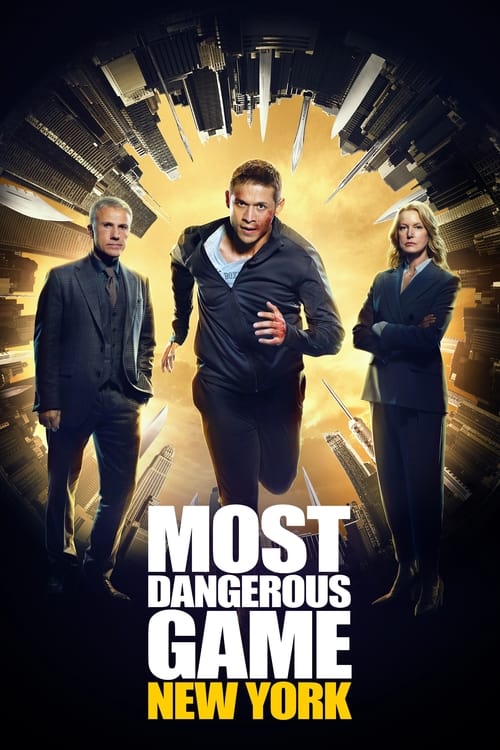
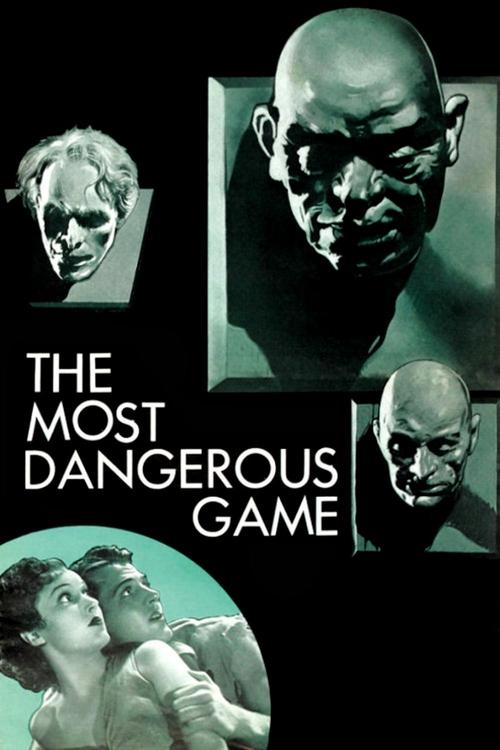
The lineage runs back at least to Richard Connell's 1924 short story 'The Most Dangerous Game', the one where a big-game hunter becomes the prey on a private island. Every death tournament since owes something to that formula: a powerful figure who controls the rules, trapped participants who have no good options, and a game designed so that someone dies either way. The best entries in the genre use that trap to say something about class, spectacle, complicity, or all three at once.
Essential death games
The canon, across every screen and page
The one that rewrote the rulebook
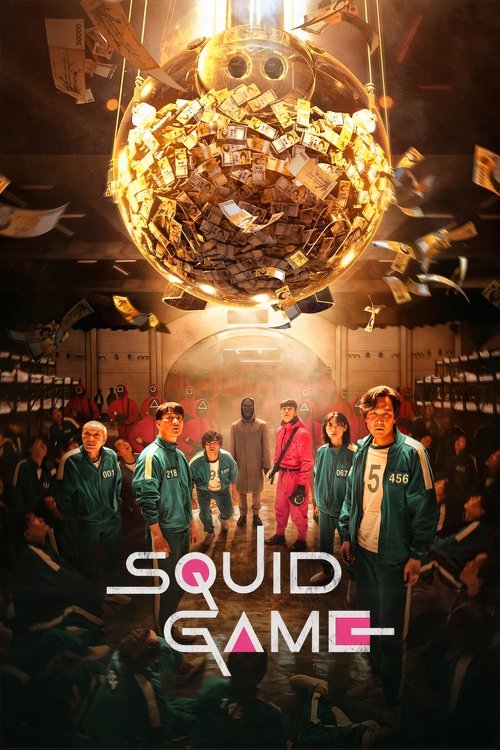
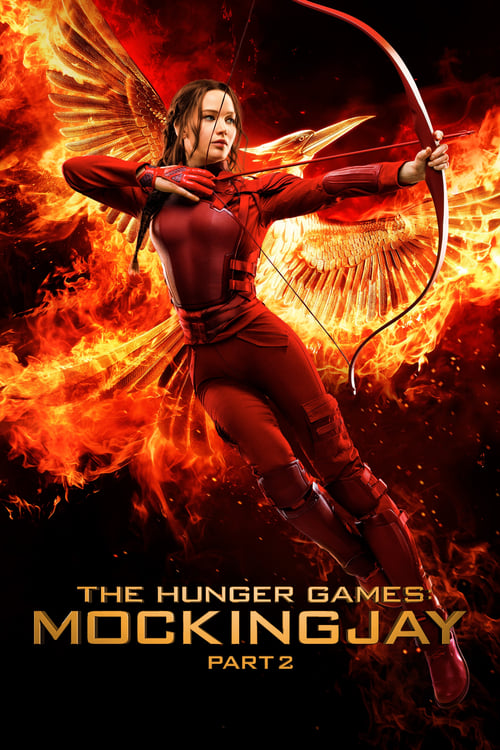
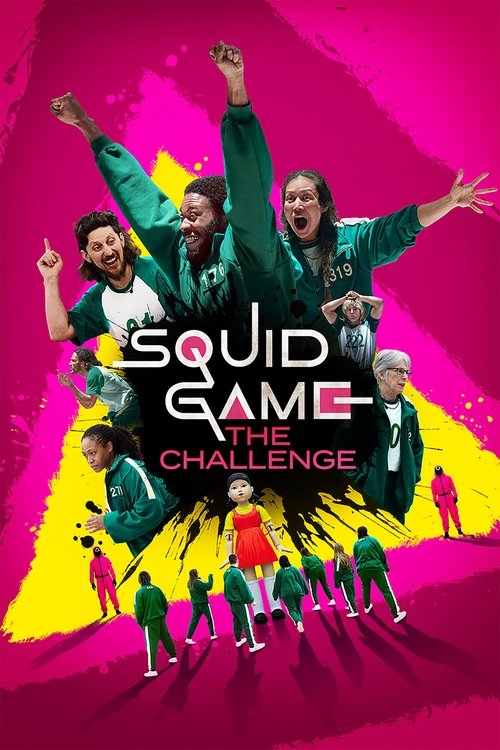
Every decade or so a piece of genre fiction comes along and recalibrates what the rest of the genre is allowed to attempt. Squid Game did that in 2021. It was not the first Korean death-game story and it was not doing anything that Battle Royale or Liar Game had not gestured at before, but it executed those ideas at a scale and with a clarity of social anger that no streaming audience had encountered before. The debt games, the class divide between guards and players, the way the respectable outside world keeps its hands clean while the games run: none of it was subtle, and none of it needed to be. The series became the most-watched show in Netflix history because it was genuinely good at being the thing it was trying to be. That is rarer than it sounds.
The class war games
When the arena is a stand-in for something larger
Japan invented a different kind of death game
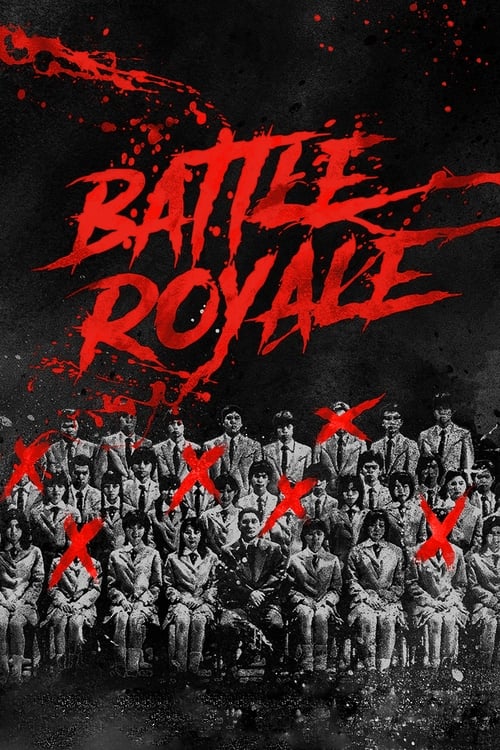
Where Hollywood death-game films tend to frame the game as spectacle or satire, Japanese genre fiction approaches it as philosophical horror. Battle Royale (2000) is not interested in cheering for a winner: it makes you watch classmates kill classmates on a school trip and refuses to let any character off the hook for surviving. Koushun Takami's original novel goes further, cycling through 42 students with the patience of a war record, making every death feel like a genuine loss rather than a plot beat.
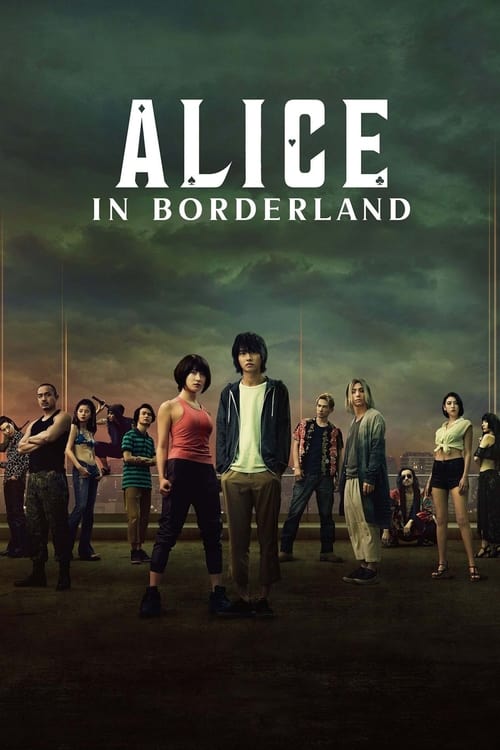
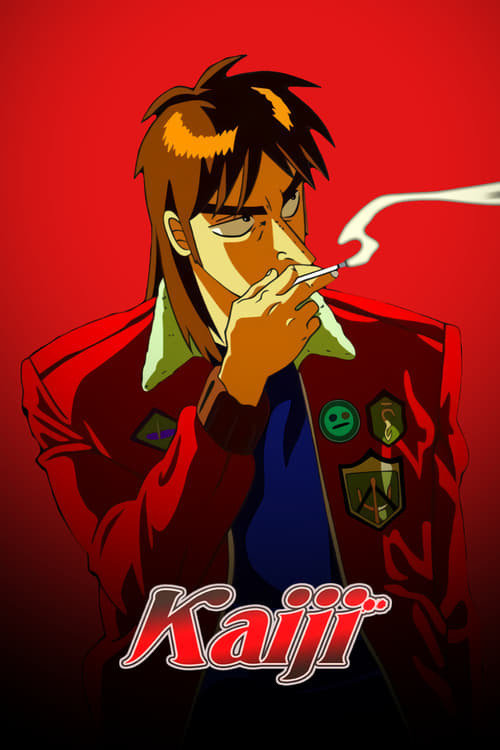
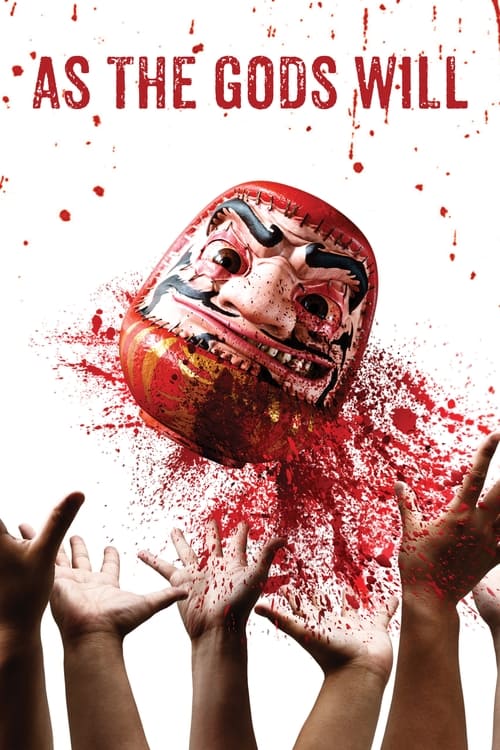
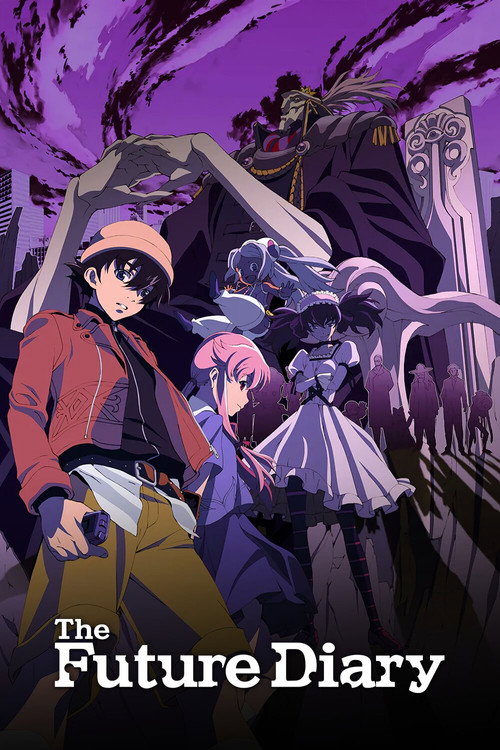
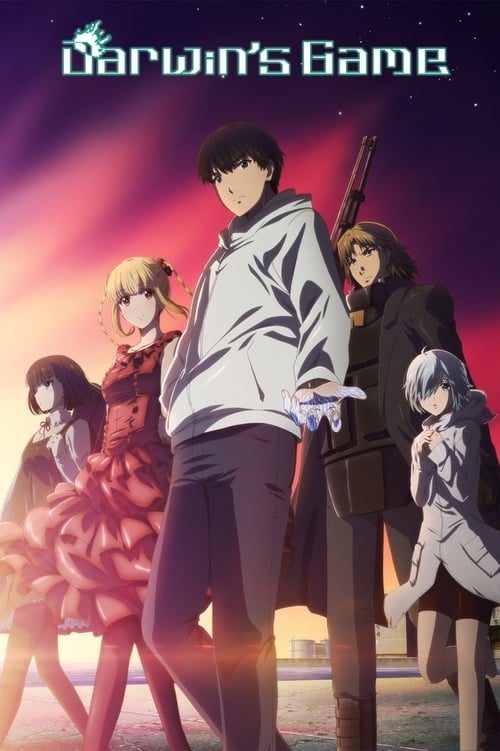
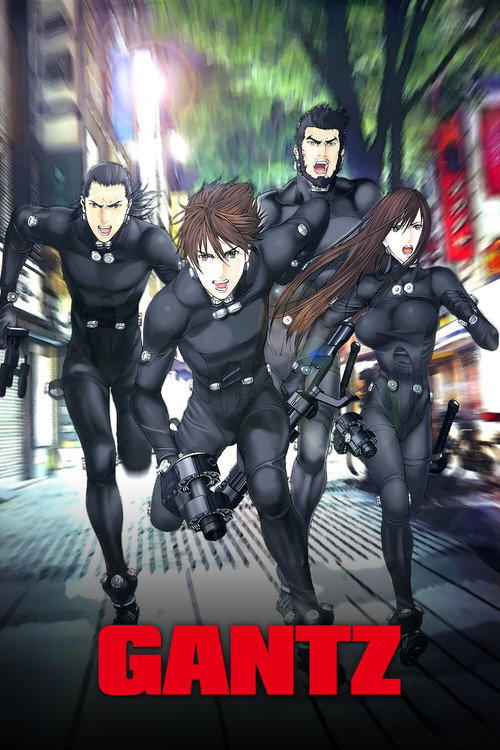
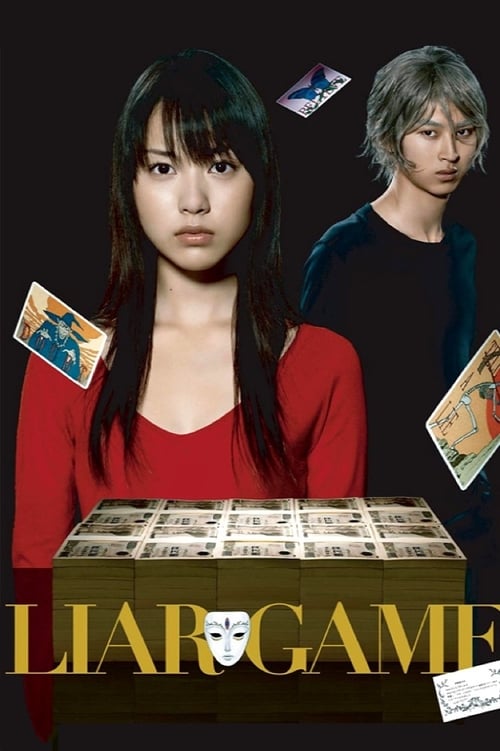
The tradition continued through manga, anime and television: Gantz, Liar Game, Future Diary, Kaiji, Darwin's Game, As the Gods Will. Each finds a new variation on the trap. Some are pure survival horror; some are game-theory puzzles dressed as violence; some are both. What unites them is a refusal to make the game feel like entertainment within the fiction itself, even as they absolutely function as entertainment for the audience watching them. That tension is where the genre's real discomfort lives.
Japanese death games
Where the genre goes darker and stranger
Battle Royale is still the benchmark
Kinji Fukasaku directed Battle Royale at 70 years old, reportedly driven by memories of being sent to a munitions factory as a schoolboy and watching classmates die around him. That biographical weight shows in every frame. The film does not aestheticize the violence; it documents it, case by case, with something approaching grief. The scene where two friends radio each other across the island and realize they are both dying anyway is as devastating as anything the genre has produced. Every death-tournament story made after 2000 exists in its shadow. Some know it. Some pretend not to.
The big-screen tournaments
Films where the game is the spectacle

Saw is not what people think it is
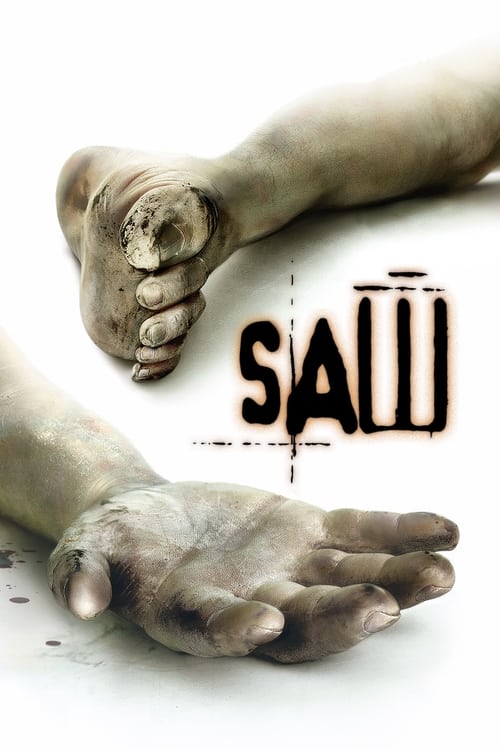
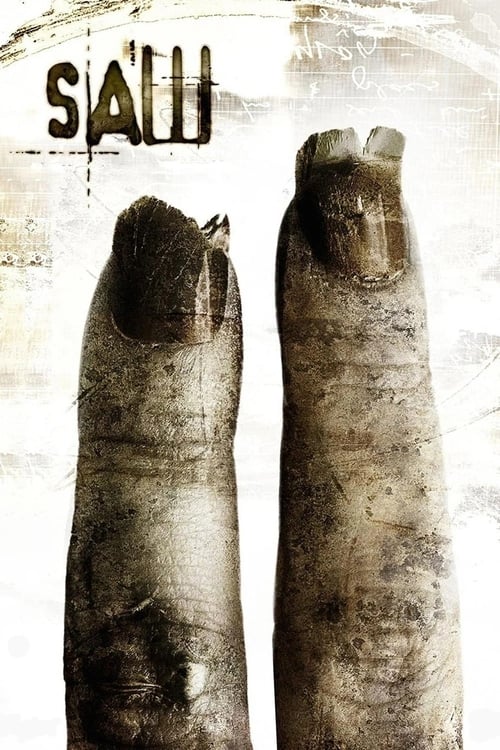
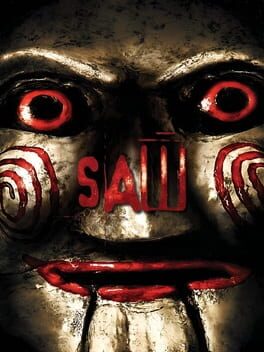
The Saw franchise gets filed under torture porn and dismissed, which lets the first film off the hook too easily. James Wan's original is genuinely a puzzle movie: two strangers chained in a bathroom, working backward through evidence, racing a ticking clock. The traps are props for a story about identity, guilt and the difference between someone who lets themselves die and someone who fights. John Kramer's claim that he is testing his victims rather than punishing them is morally bankrupt, which is exactly the point. The best horror villains believe they are teaching something. Jigsaw believes it so completely that the franchise built a theology around him. That is a properly unsettling idea, buried under all the wire and the pig masks.
Rooms with no exits
Traps, locked spaces and games with one way out
Ready or Not earns its ending
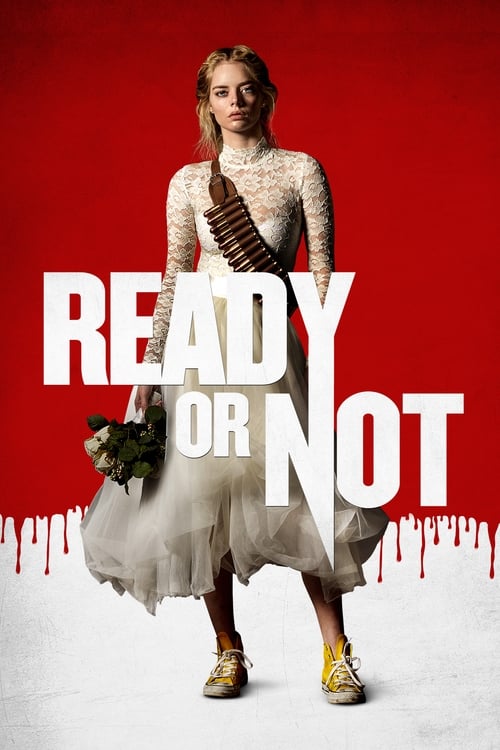
Most death-game films ask you to root for the hunted. Ready or Not goes further by asking you to root against an entire class system. Grace survives her wedding night because she is smarter and more tenacious than the family hunting her, but the film is careful to make clear that survival does not redeem the institution she nearly married into. The final scene, where the Le Domas family gets what its centuries of wealth and cruelty have earned, is one of the more satisfying conclusions the genre has managed in years. It earns it by never pretending the game was really about luck.
Television death games
Series that live or die by the rules
When the game mechanic is the point
Videogames have always been about the contest between life and death at some level: run out of health and the session ends. The battle-royale genre made that explicit by stripping the fiction away and leaving only the competitive elimination. One hundred players drop onto an island. The zone shrinks. One survives.
PUBG: Battlegrounds popularized the format in 2017; Fortnite made it a global phenomenon the following year; Apex Legends refined the mechanics into something genuinely elegant. These games borrow their premise directly from Battle Royale (the name is not a coincidence) and the genre feeds back into the screen: Squid Game returned in season two with its own battle-royale structural logic, and the upcoming live-action Battle Royale remake arrives at a moment when the game has become a mainstream entertainment format rather than a dystopian fiction.
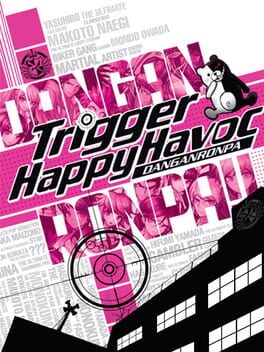
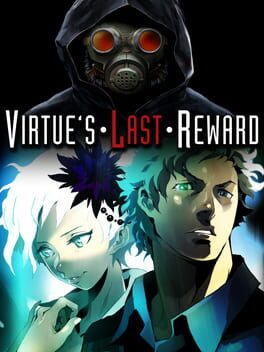
The more interesting games in the death-game space tend to be smaller. Danganronpa uses the killing-game structure as a vehicle for a locked-room murder mystery: sixteen students trapped in a school, told they can only leave if they commit a murder and get away with it. The Monokuma reveal is one of gaming's more genuinely disturbing antagonist introductions. Zero Escape goes further still, building its death game around cryptographic puzzles and a narrative that loops through timelines until the whole thing becomes a meditation on free will. Both franchises do something few films manage: they make you think about what the game wants from you, not just what you want from it.
Death games to play
Battle royales, killing games and impossible decisions


On the page
The novels that built the death-game genre


The game was never about survival. It was always about deciding what you are willing to become in order to survive. That question does not have a clean answer, which is why the genre never runs out of things to say.On the enduring appeal of death tournaments
The full arena
More from the genre, across every medium