

Revenge is the most primal story we tell, older than law and arguably the reason we invented it. It hands the audience a clean moral contract, a terrible wrong and a promise of payback, and then, in its best form, complicates that contract until it draws blood. The genre is a moral trap baited with satisfaction: we want the avenger to win, and the great works make us sit with what winning costs. The sword cuts both ways, and the person holding it is rarely whole at the end.
From balletic gun-fu to the patient, decades-long con of a wronged soul, the appeal is catharsis. The art is in the doubt underneath it.
Essential Revenge
The payback canon, across every screen and page.

Dig two graves
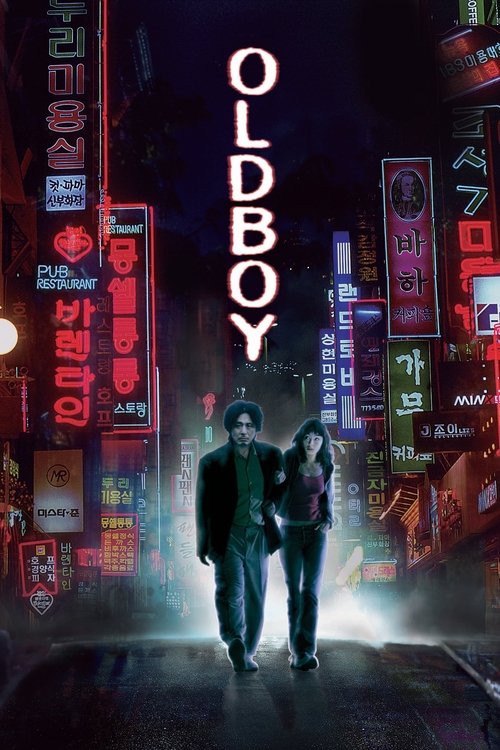
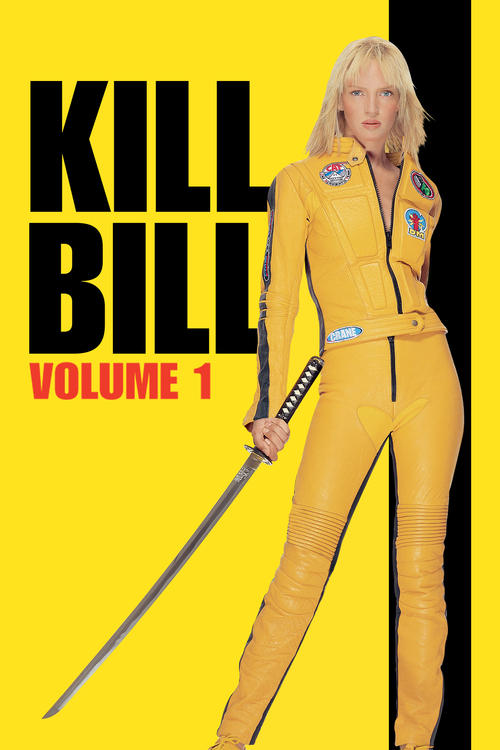
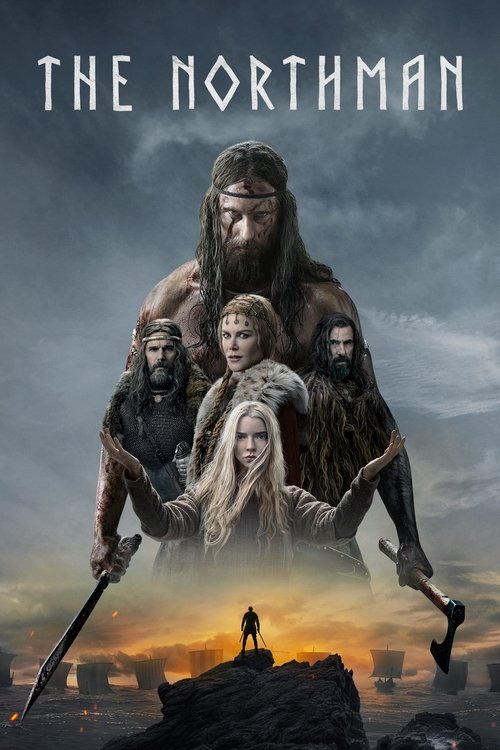
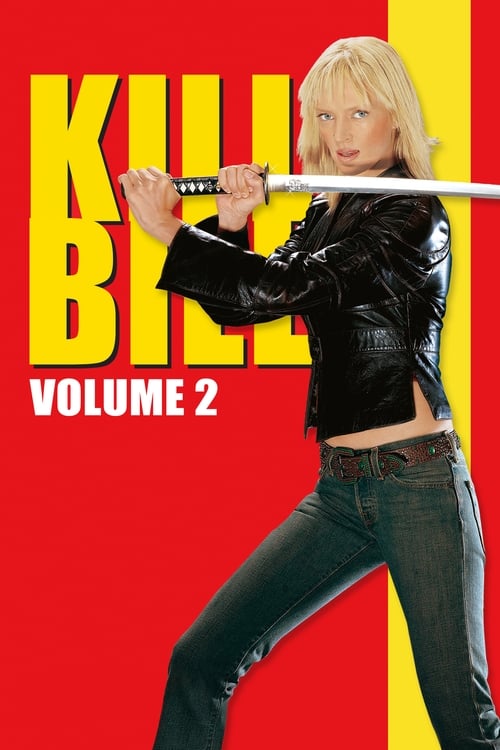
The finest revenge stories agree with the proverb. Oldboy and The Northman and Kill Bill all deliver the payback the audience craves and then refuse to let it feel clean. The wrong gets answered, but the avenger is hollowed out doing it, and that hollowness is the real subject.
Vengeance on film
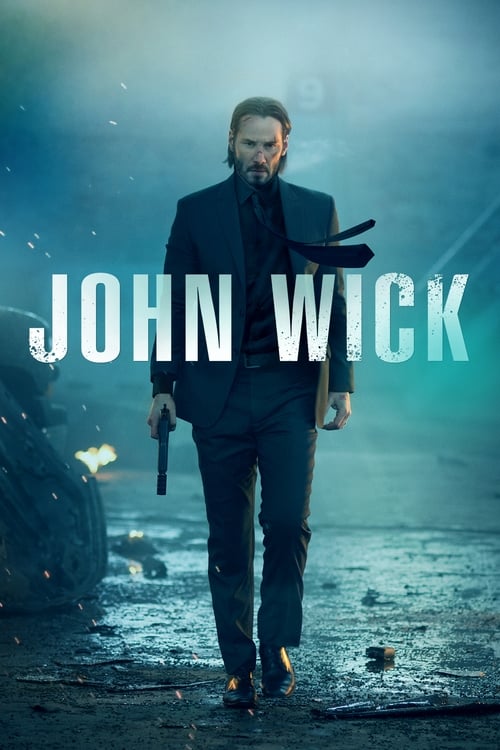
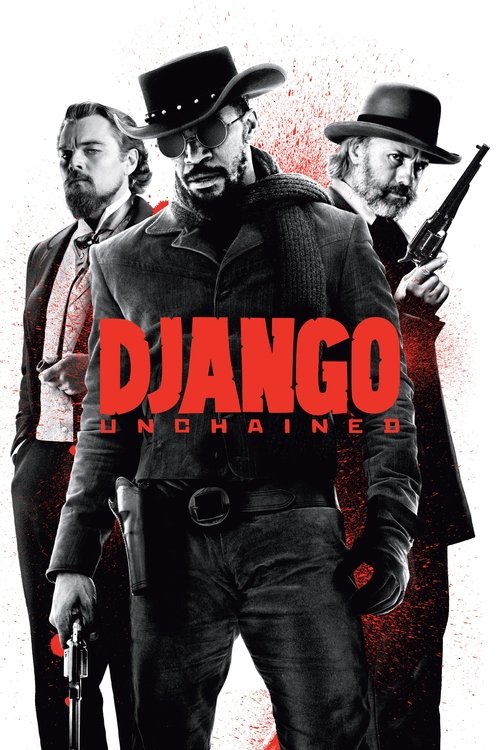
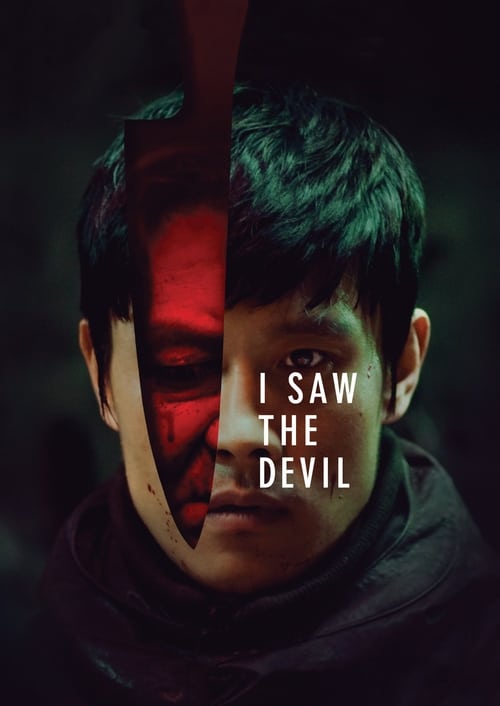
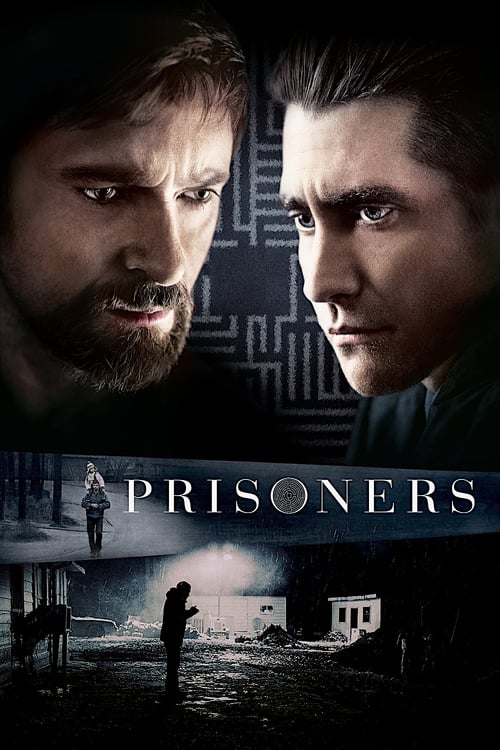
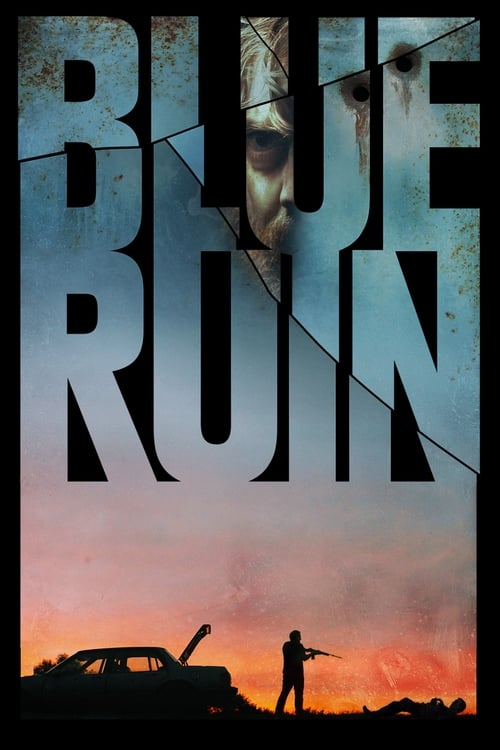
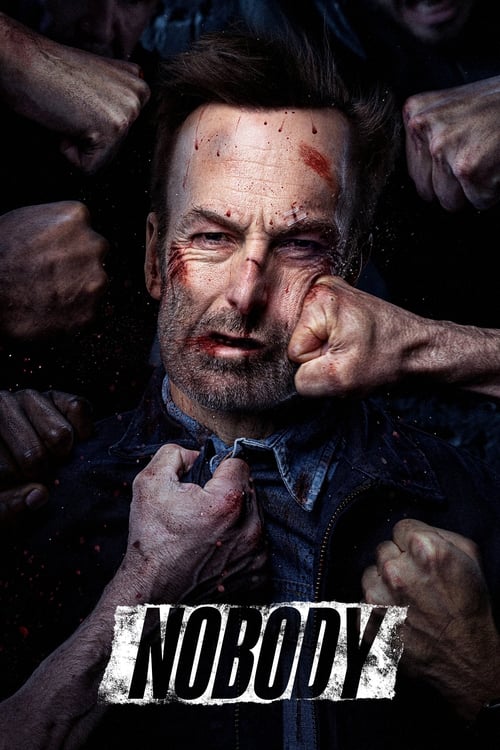
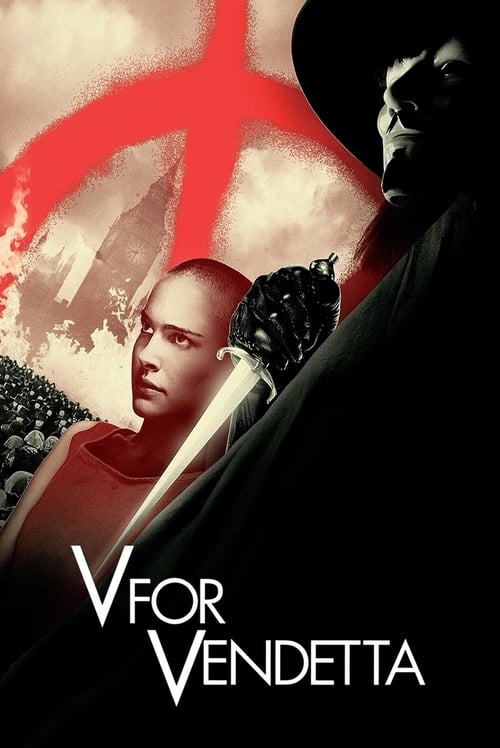
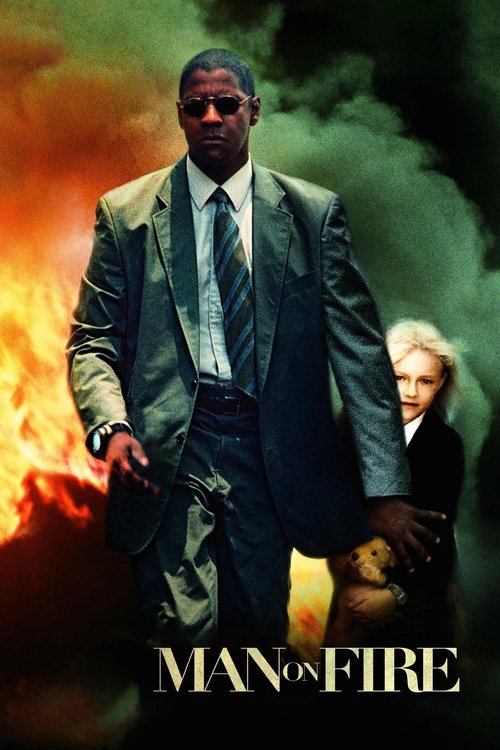
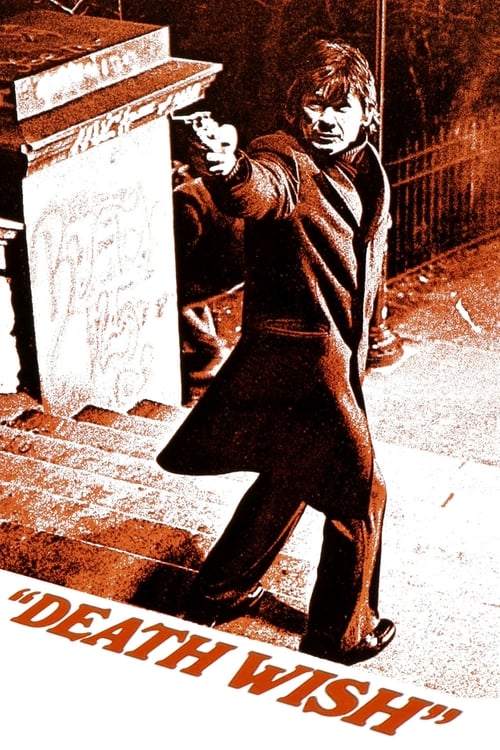
From elegant vendettas to bloody one-man wars.



Get even, controller in hand
Vendettas you play out yourself.

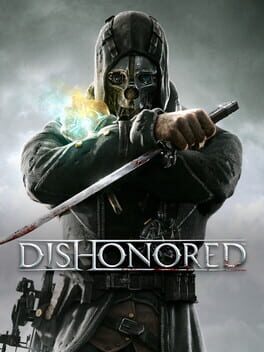
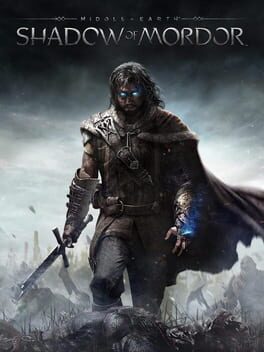
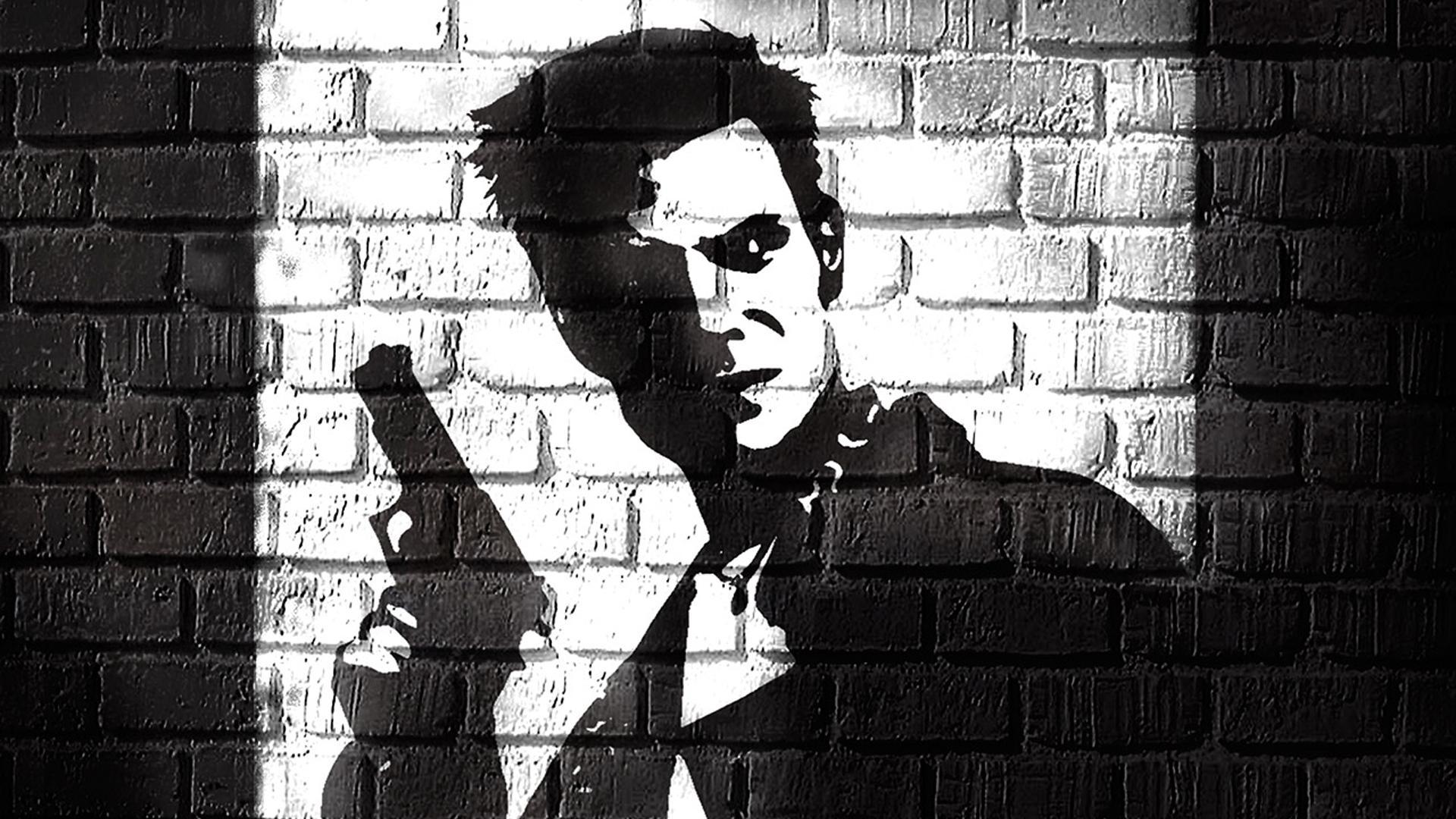

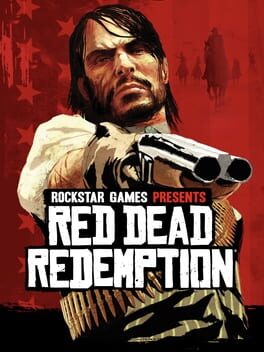
No medium serves revenge like a game, because the payback is something you enact with your own hands. The patient stalk, the earned kill, the long climb toward the one who wronged you: vengeance is a mechanic as much as a theme.
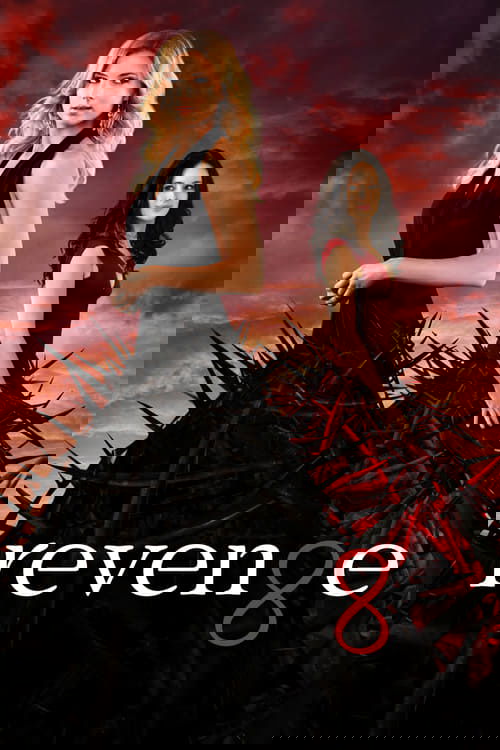
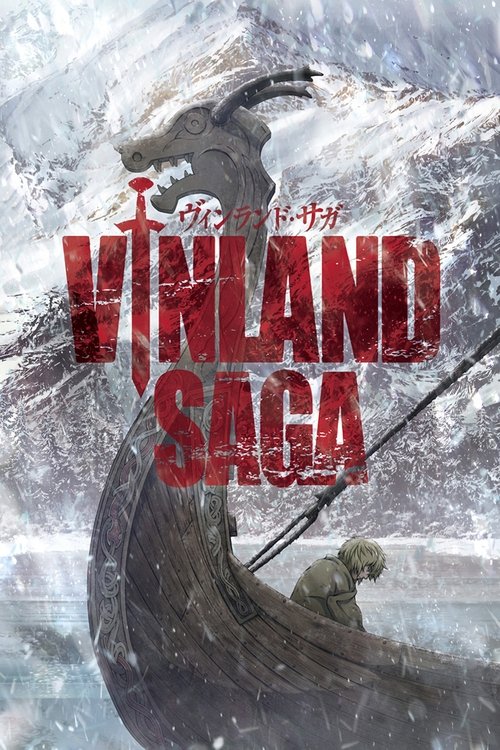
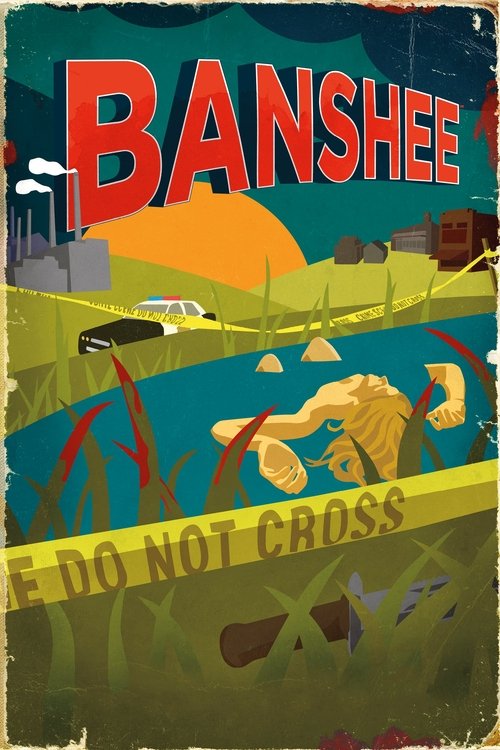
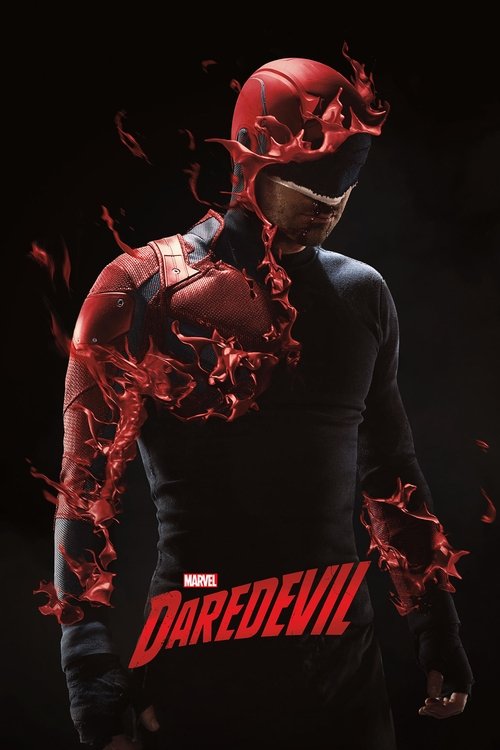
Payback on TV
Long cons and slow-burn vendettas.


The vendetta on the page
Where the revenge story was first written down.


And it is bedrock on the page, from the Jacobean stage to the Count's decades-long masterclass in serving it cold.
More long roads to getting even
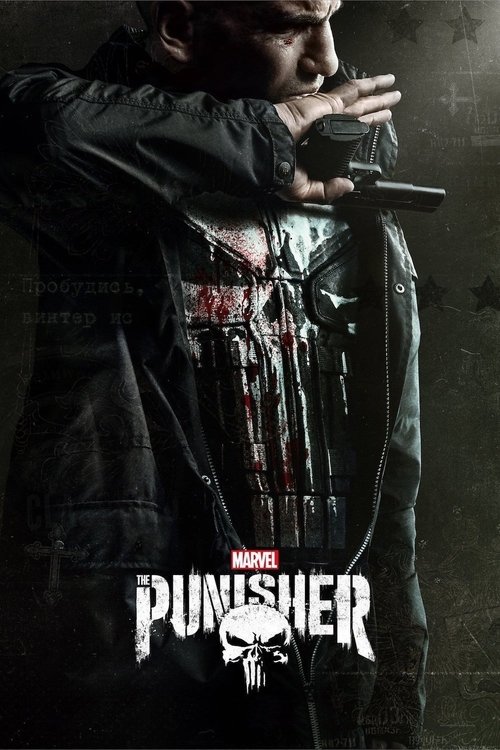
Vigilantes & Street Justice
Explore the Vigilantes & Street Justice guide →Revenge promises that the scales can be balanced. Every great revenge story is the slow, devastating discovery that they cannot, and that the person who tries is the one who pays.