
A cinema that never stopped arguing
Serbian film, for most of its life, was Yugoslav film, made in Belgrade studios in Serbo-Croatian and shot through with the contradictions of the country that produced it. The defining era arrived in the 1960s with the crni talas, the Black Wave: a generation of directors who used the relative thaw of Tito's Yugoslavia to make films that were sexually frank, politically prickly, and formally restless. Dusan Makavejev turned montage into provocation, splicing communist newsreels, sexual politics and ideological argument into collages that put him at odds with the state. Zelimir Zilnik, Aleksandar Petrovic and Zivojin Pavlovic looked straight at the people socialism preferred to hide: Roma communities, drifters, the rural poor. Petrovic's I Even Met Happy Gypsies (1967) took the Grand Prix at Cannes and an Academy Award nomination for Best Foreign Language Film, the first real signal that this small cinema played at the highest level.
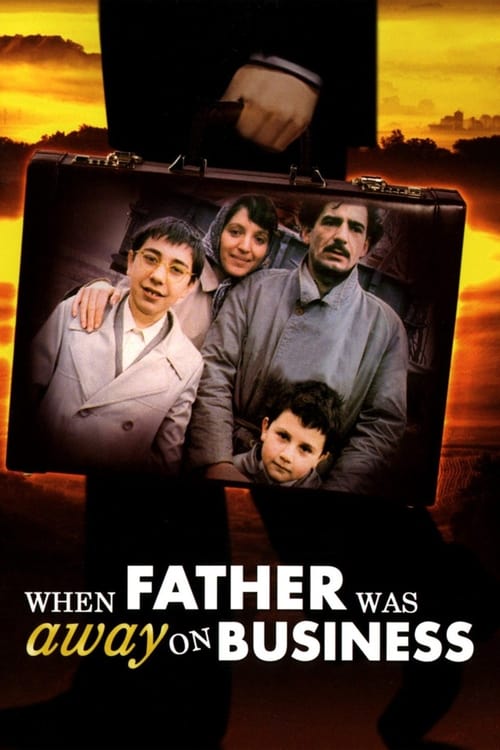
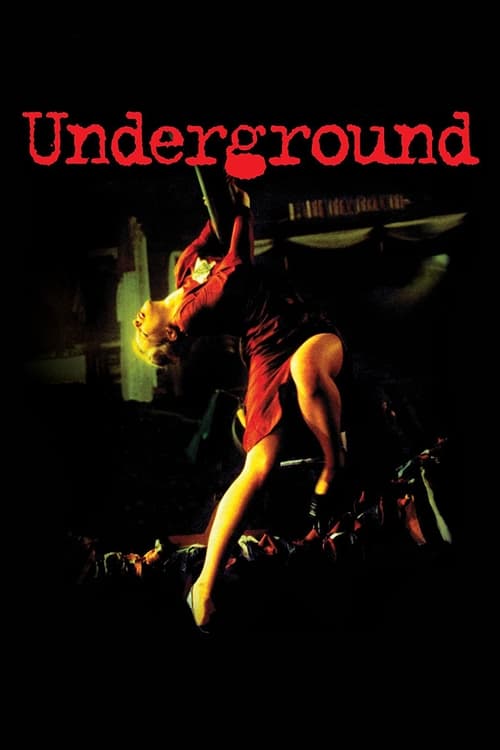
The authorities pushed back hard. Films were shelved, the so-called bunker films locked away for years. But the energy never fully died. It went underground, into genre, into the wild comedies and war films of later decades, and it came roaring back in the work of Emir Kusturica, whose When Father Was Away on Business (1985) and Underground (1995) made him one of only a handful of directors to win the Palme d'Or twice.
Kusturica and the maximalist tradition
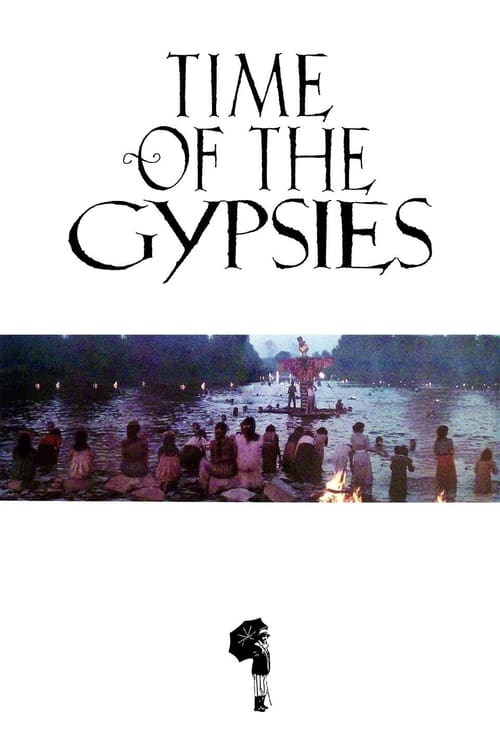
If the Black Wave was Serbian cinema's conscience, Emir Kusturica became its showman. His films are loud, drunk, overflowing: brass bands, weddings that turn into brawls, animals wandering through the frame, history rendered as a delirious carnival. Time of the Gypsies (1988) and the Palme-winning Underground (1995) built an entire aesthetic of beautiful chaos that other filmmakers have been answering ever since. The Goran Bregovic scores became as famous as the images.
The generation after him went darker and more direct. Srdjan Dragojevic's Pretty Village, Pretty Flame (1996) remains one of the most unflinching films made about the Bosnian war from a Serbian perspective, a story of soldiers trapped in a tunnel that refuses any comfortable answer. Goran Paskaljevic's The Powder Keg (1998) turned 1990s Belgrade into a single combustible night. This was cinema made under sanctions, hyperinflation and bombing, and you can feel the pressure in every frame.
Kusturica's carnival
The maximalist Balkan epics and their brass-band swagger
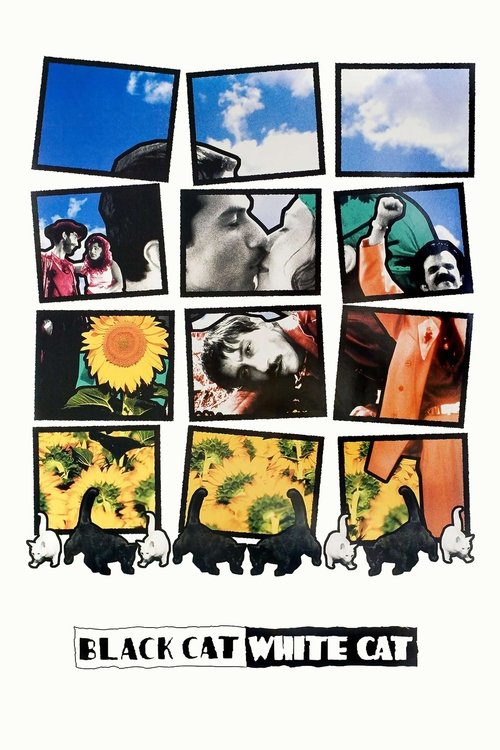

No national cinema turns catastrophe into a wedding party quite like this one. The brass band keeps playing while the country burns, and somehow that is the most honest thing on screen.CrossBinge editors
A century of Serbian film, in brief
- 1965Makavejev's debut signals the Black Wave is coming
- 1967Petrovic wins the Cannes Grand Prix and earns an Oscar nomination
- 1971Makavejev's collage provocation runs hard against the authorities
- 1985Kusturica wins his first Palme d'Or When Father Was Away on Business
- 1995Kusturica wins a second Palme with a delirious history epic Underground
- 1996The defining Serbian war film of the decade Pretty Village, Pretty Flame
- 1998Belgrade as one combustible night
- 2010The most notorious Serbian film ever exported, a deliberate provocation A Serbian Film
After the wars: new realism and notoriety
The 2000s and 2010s produced a quieter, sharper Serbian cinema, often festival-driven and shot through with the hangover of the previous decade. Srdan Golubovic's Circles (2013) and Father (2020) are humane, restrained moral dramas that travel well. Documentary and hybrid work thrived too, with Mila Turajlic excavating the country's socialist past from her own family's confiscated apartment in Cinema Komunisto (2010).
The other face Serbian film showed the world was deliberate shock. A Serbian Film (2010) became an international byword for transgression, banned in multiple countries, defended by some as an allegory of national exploitation and condemned by most as something else entirely. It is impossible to write honestly about this cinema's global footprint without naming it, even if it sits uneasily next to the humanism of the Black Wave.
Modern Serbian cinema
The festival-era dramas and documentaries of the post-war generation