
A cinema rooted in soil and survival
Ukrainian-language cinema has spent a century arguing for its own existence. It began at full volume. Oleksandr Dovzhenko, working out of the Odessa and Kyiv studios in the late 1920s, made silent films so ecstatic about the Ukrainian countryside that Moscow never quite knew whether to crown him or censor him. Earth (1930), his hymn to a peasant village and the death that runs through it, still lands on critics' all-time lists. That early surge was choked off by Stalinism, the Holodomor, and decades of enforced Russification in which Ukrainian-language production was tolerated only in measured doses.
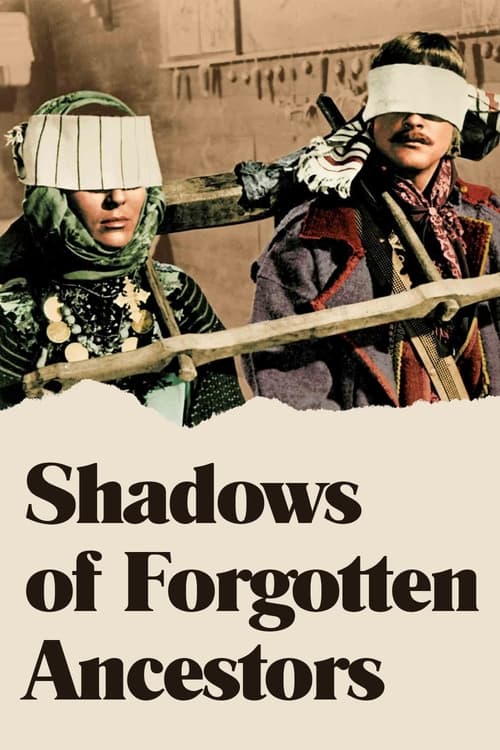
The great rebellion came in the 1960s. The Dovzhenko Film Studio in Kyiv became the base for what is now called Ukrainian Poetic Cinema, a movement of dense folkloric imagery, ritual, and color that flowered with Sergei Parajanov's Shadows of Forgotten Ancestors (1965), a Hutsul tragedy shot in the Carpathians that became one of the most influential films made inside the USSR. Yuri Illienko, Leonid Osyka, and Ivan Mykolaichuk extended that language before the Brezhnev-era crackdown shut much of it down and put Parajanov in a labor camp.
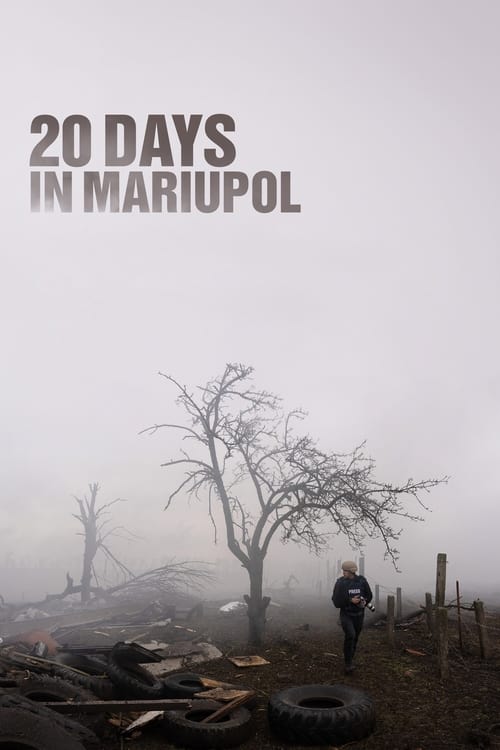
The modern story is one of revival under fire. Independence in 1991 brought a fragile industry to life. The 2014 Maidan revolution and the full-scale Russian invasion of 2022 turned filmmaking into something closer to testimony. A documentary new wave, with figures like Sergei Loznitsa alongside a younger generation working through the war, has put Ukrainian cinema on the world's biggest stages, culminating in 20 Days in Mariupol winning the country's first Academy Award.
Parajanov did not film a village in the Carpathians. He filmed a way of seeing the world that no Soviet committee had a category for, and that is exactly why they came for him.CrossBinge editors
The auteurs who carried it forward
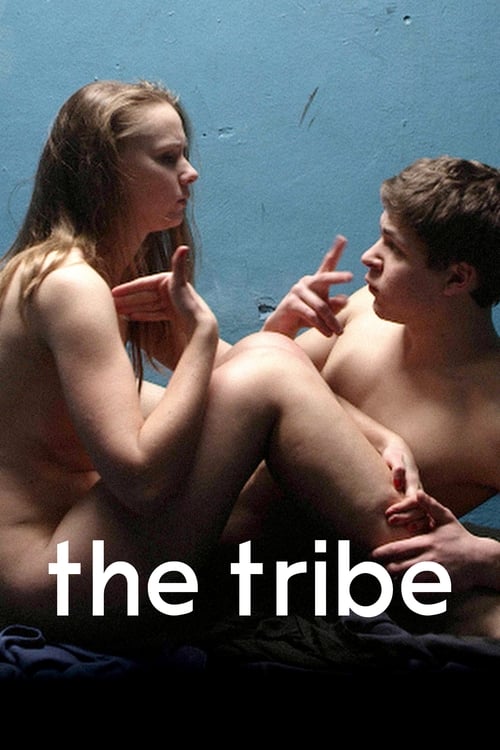
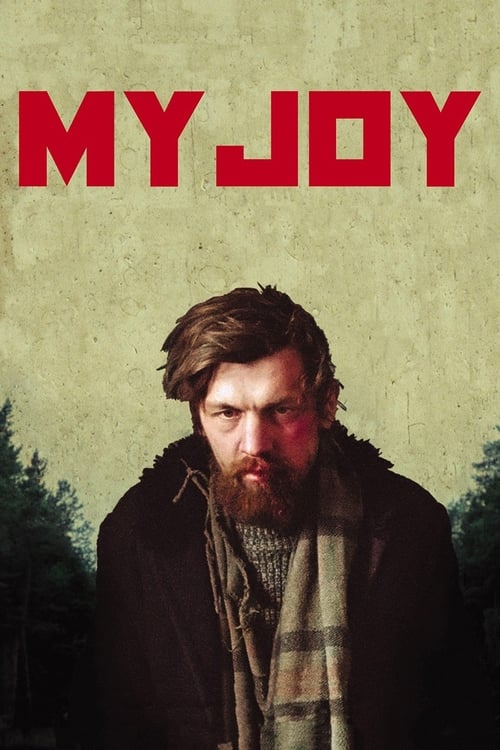
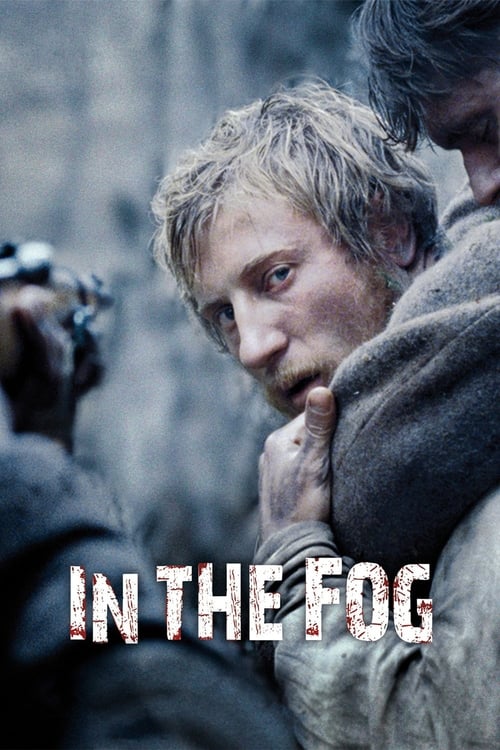
If Dovzhenko and Parajanov are the founding myth, the contemporary scene has its own distinct voices. Sergei Loznitsa is the towering presence, a director equally at home in austere fiction (My Joy, In the Fog, A Gentle Creature) and archival documentary essays (Maidan, State Funeral) that interrogate Soviet and post-Soviet history with a cold, fixed gaze. Myroslav Slaboshpytskiy stunned Cannes in 2014 with The Tribe, a coming-of-age drama performed entirely in Ukrainian sign language with no subtitles and no spoken dialogue.
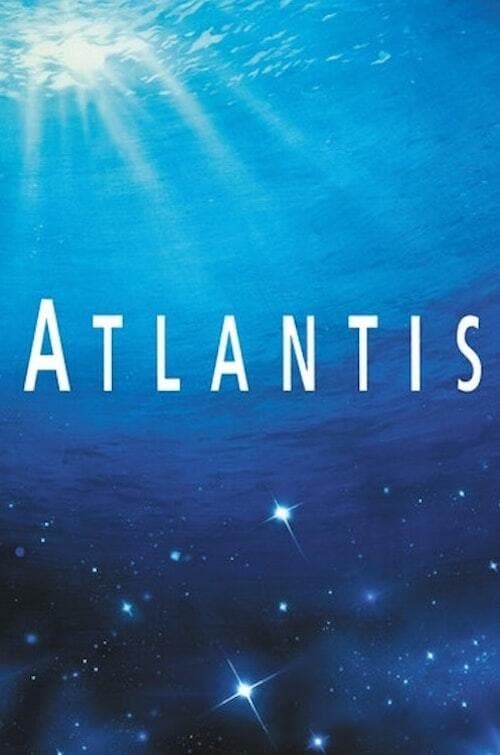
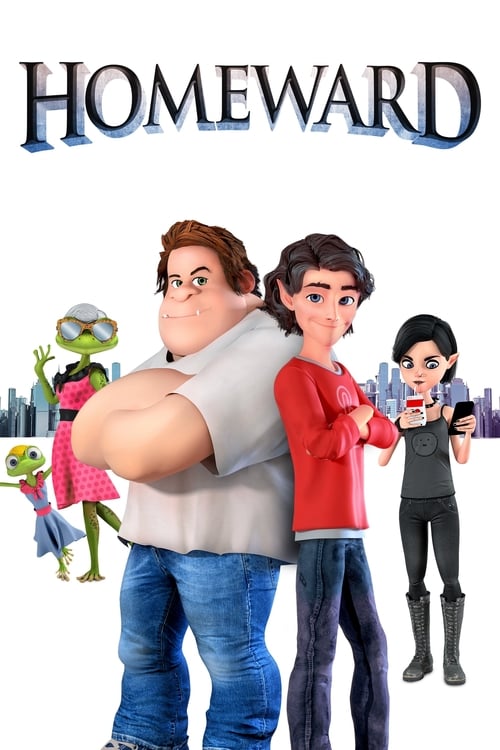
Valentyn Vasyanovych works in long, locked-off wide shots that turn the war's aftermath into something painterly and unbearable. Atlantis (2019), set in a scorched near-future Donbas, won the Horizons prize in Venice, and Reflection (2021) followed. Kateryna Gornostai (Stop-Zemlia), Iryna Tsilyk (The Earth Is Blue as an Orange) and Nariman Aliev (Homeward, a Crimean Tatar road movie) represent a generation that came up entirely in independent Ukraine. Their films are less interested in folk symbolism than in the texture of ordinary lives pressed against history.
Contemporary auteurs
The fiction that defines post-independence Ukrainian film
A century of Ukrainian-language film
- 1930Dovzhenko's silent masterpiece crowns the early Kyiv/Odessa studio era Earth
- 1932The Holodomor and tightening Stalinist control crush independent Ukrainian production
- 1965Parajanov's Carpathian film launches Ukrainian Poetic Cinema Shadows of Forgotten Ancestors
- 1973The Brezhnev-era crackdown silences the movement and Parajanov is arrested
- 1991Independence; a battered industry begins rebuilding from scratch
- 2014Maidan, war, and a Cannes breakout for a wordless sign-language drama The Tribe
- 2019Vasyanovych's near-future Donbas film wins Venice Horizons Atlantis
- 2024Ukraine wins its first Academy Award for Best Documentary 20 Days in Mariupol
Beyond the screen: the page and the song
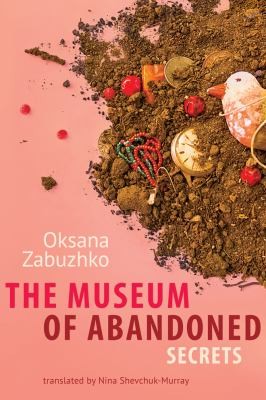
Ukrainian cinema is inseparable from Ukrainian literature, because so many of its key films are adaptations and so much of the national imagination lives on the page first. Shadows of Forgotten Ancestors comes from Mykhailo Kotsiubynsky's novella, and the poetic-cinema directors mined Vasyl Stefanyk and the folk canon. The deeper literary spine runs through Taras Shevchenko's Kobzar, the foundational nineteenth-century poetry collection, and modern voices like Oksana Zabuzhko (Fieldwork in Ukrainian Sex) and Serhiy Zhadan (Voroshilovgrad, The Orphanage), whose Donbas writing reads like the source code for the country's war films.
Music carries the same weight. The folk-meets-electronic group DakhaBrakha shaped the sound of the new Ukrainian art scene, Okean Elzy became the stadium-rock voice of independence, and Kalush Orchestra's Stefania turned a Eurovision win in 2022 into a wartime anthem. These rails are sparser than the film canon, and that is honest: this is a cinema-first culture whose games industry in particular works mostly in Russian or English rather than Ukrainian. We name what genuinely exists below.
The literary spine
Books behind the films, and the writers who shaped the national voice


The wordless film is the truest statement Ukrainian cinema has made
It would be easy to crown 20 Days in Mariupol the defining work, and as testimony it is unmatched. But The Tribe makes the deeper argument. By staging an entire story in Ukrainian sign language with no subtitles, Slaboshpytskiy forces a global audience to read body, space and violence directly, with no Russian or English intermediary to lean on. That is the whole Ukrainian project in one formal gamble: a culture insisting it can be understood on its own terms, without translation, without permission. The poetic-cinema directors trusted images over dialogue for the same reason. The grammar changed; the defiance did not.