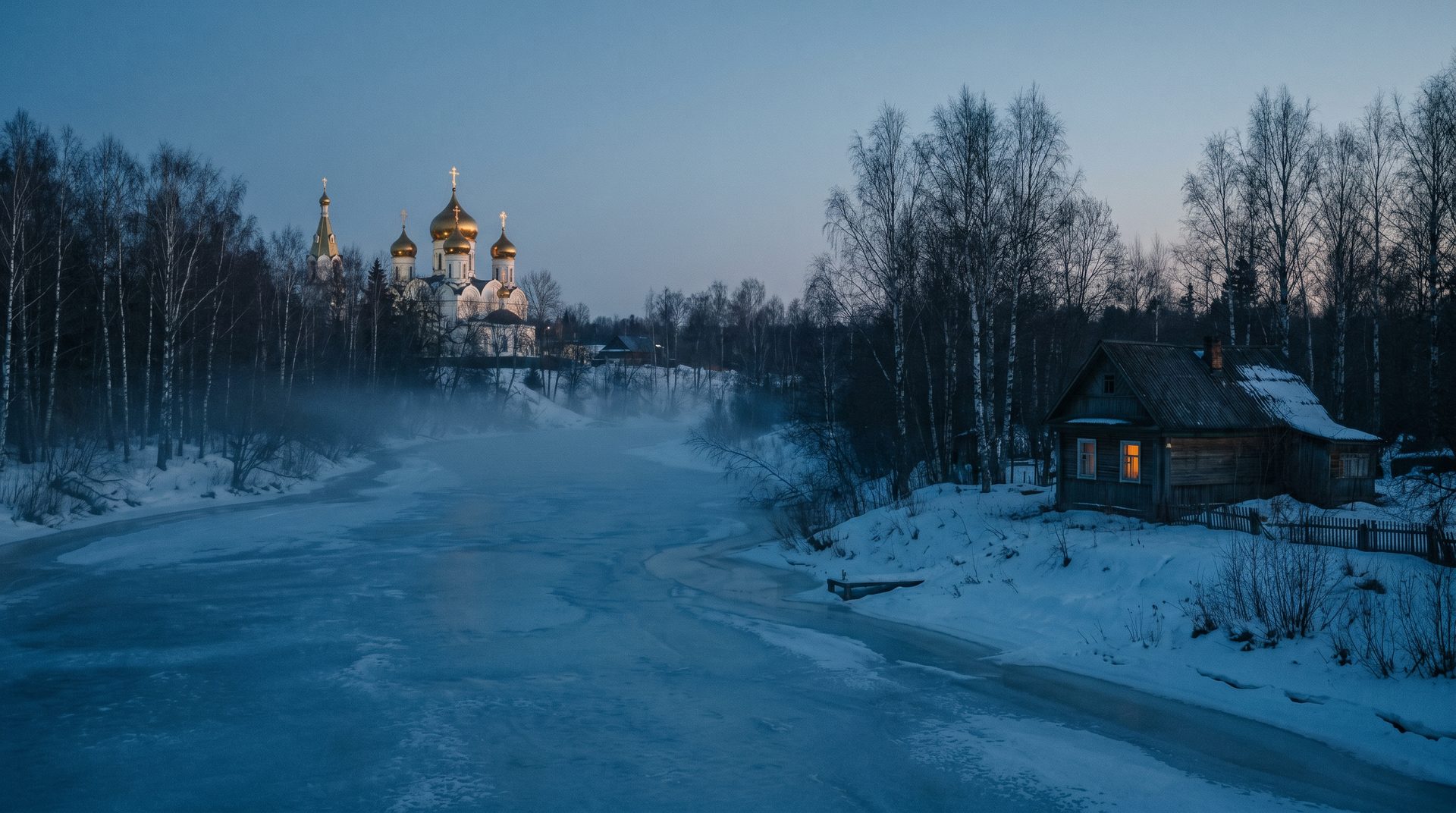

A cinema of conscience
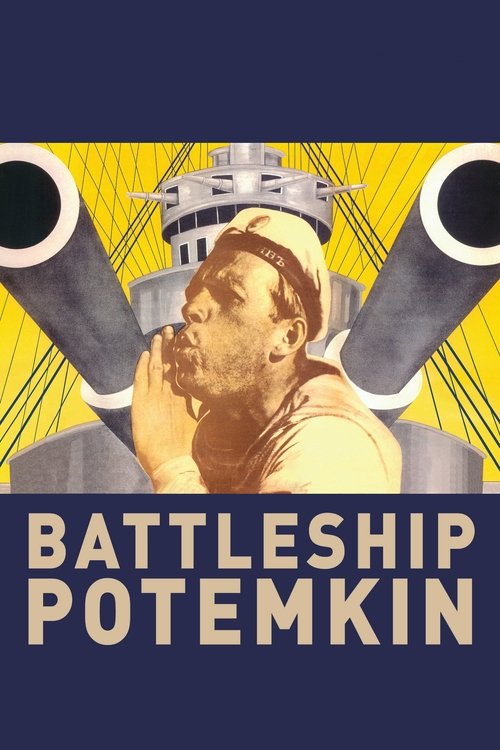
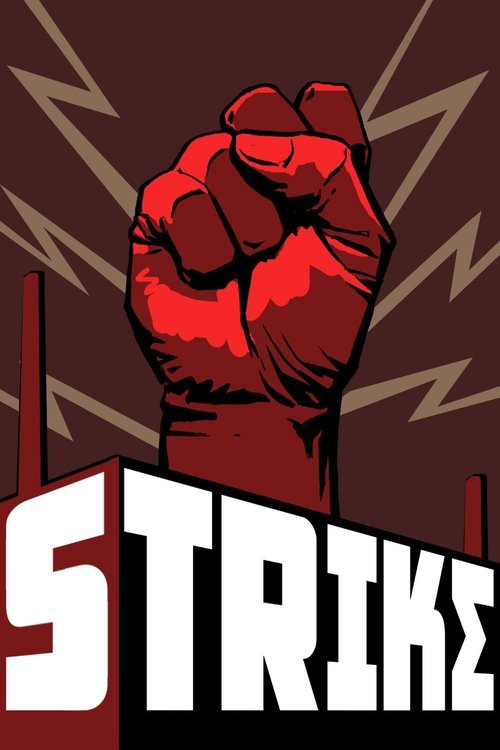
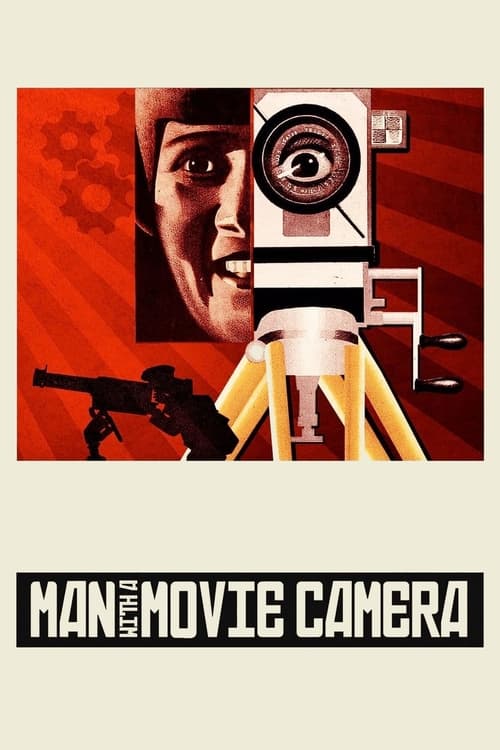
Russian-language cinema was born arguing. In the 1920s, fresh out of revolution, a handful of young theorists decided the cut itself could be a political weapon. Sergei Eisenstein built Battleship Potemkin on the idea that two images slammed together produce a third meaning in the viewer's head, and the Odessa Steps sequence became one of the most copied passages in film history. Dziga Vertov tore up narrative entirely with Man with a Movie Camera, a delirious self-aware portrait of the city as machine. This was the most theoretically ambitious cinema on earth before anyone had figured out sound.
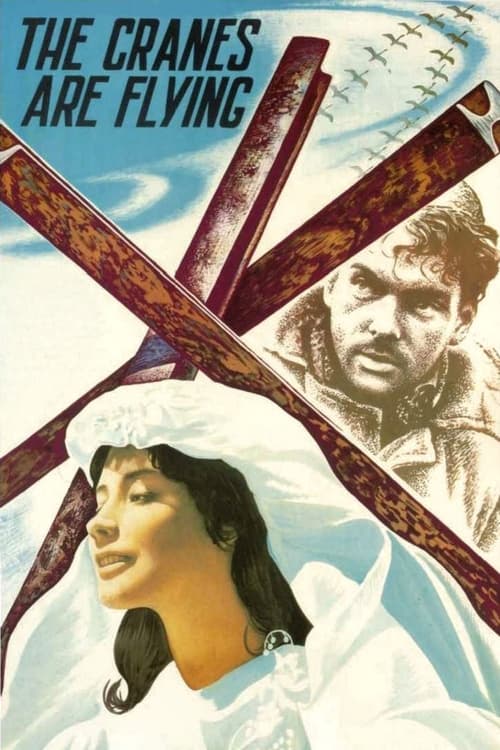
Then the State arrived. Socialist Realism flattened the avant-garde into a decade of tractors and heroic workers, but even under Stalin the form refused to die quietly. The thaw after his death produced one of the great humanist runs in any national cinema. Mikhail Kalatozov's The Cranes Are Flying won the Palme d'Or with a camera that climbed staircases and spun through birch canopies, and Grigori Chukhrai's Ballad of a Soldier found unbearable tenderness in the wreckage of war. The lesson Russian directors kept relearning across the century is that the more the message was controlled, the more meaning migrated into texture, weather, faces, and the length of a held shot.
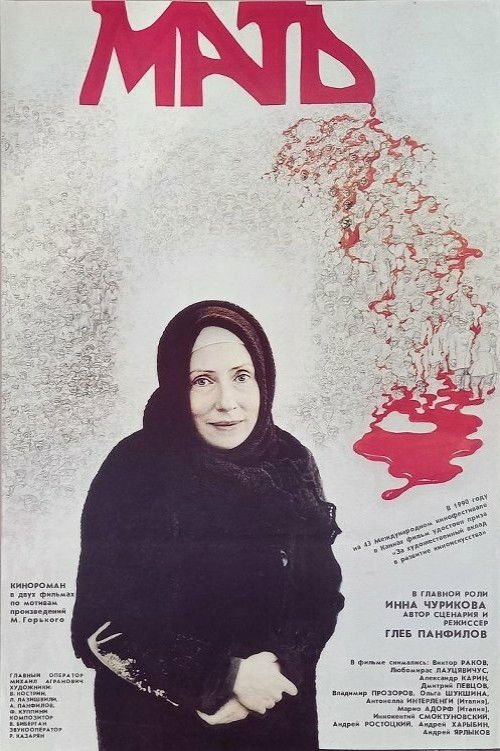
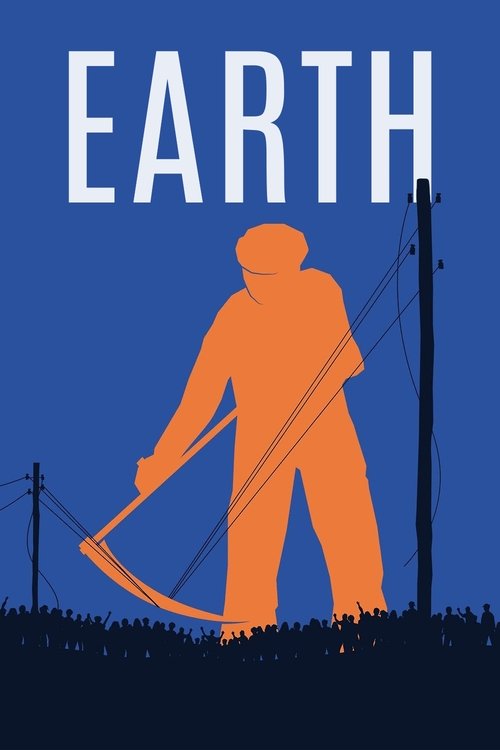
The Montage Pioneers
The 1920s avant-garde that taught the world how to cut

Tarkovsky and the long gaze
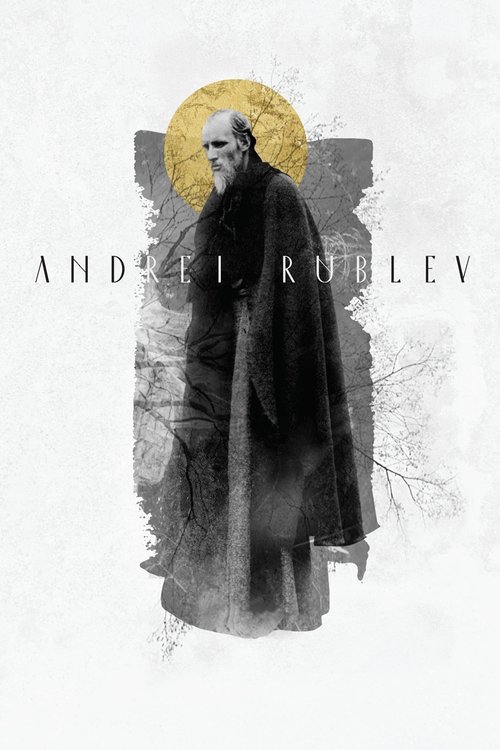
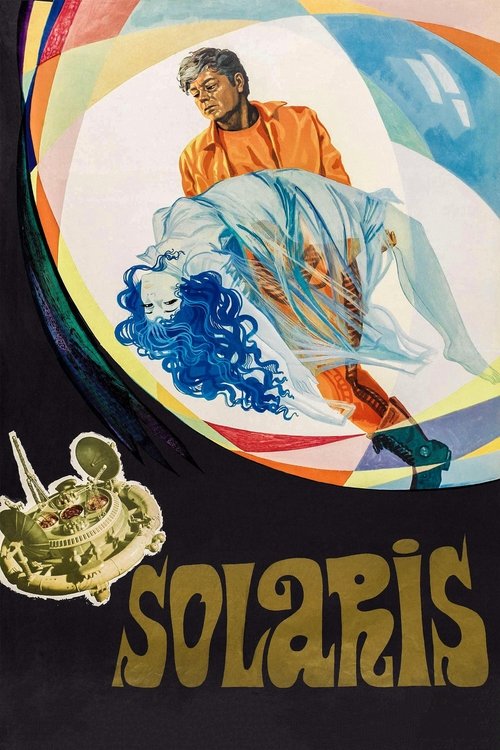
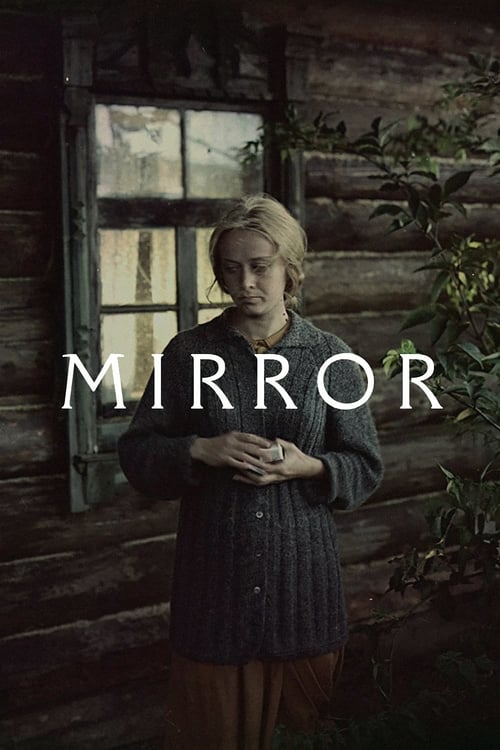
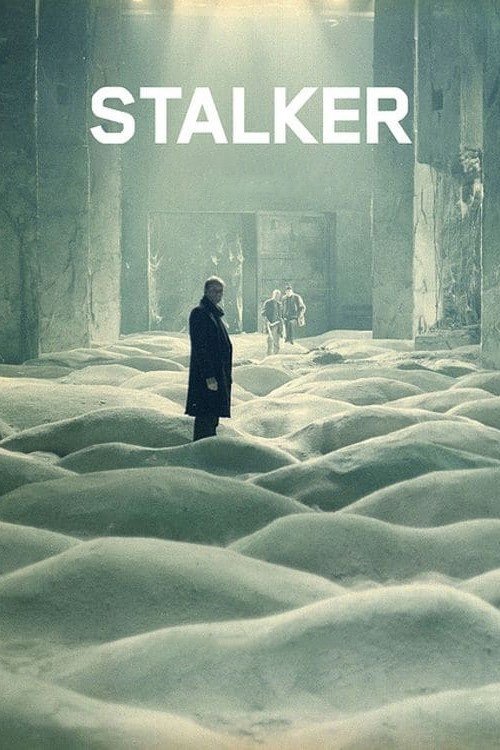
No filmmaker pushed the medium further inward than Andrei Tarkovsky. His seven features are a closed cathedral. Andrei Rublev is a brutal and luminous fresco of a medieval icon painter losing and recovering his faith. Solaris turns space travel into a confrontation with memory and guilt. Mirror assembles an autobiography like a dream out of newsreel, poetry, and remembered childhood. Stalker is a damp, hypnotic pilgrimage through a forbidden Zone toward a room that is said to grant your deepest wish. Tarkovsky called his method sculpting in time, and he meant it literally. The shot holds until the audience stops waiting for the cut and starts living inside the duration.
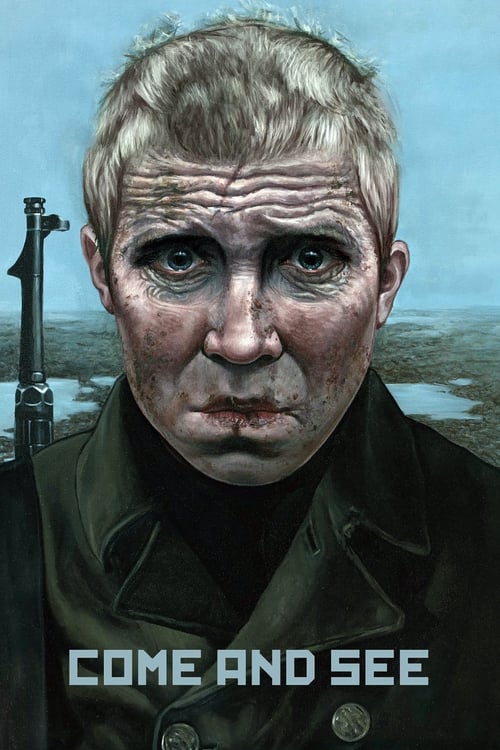
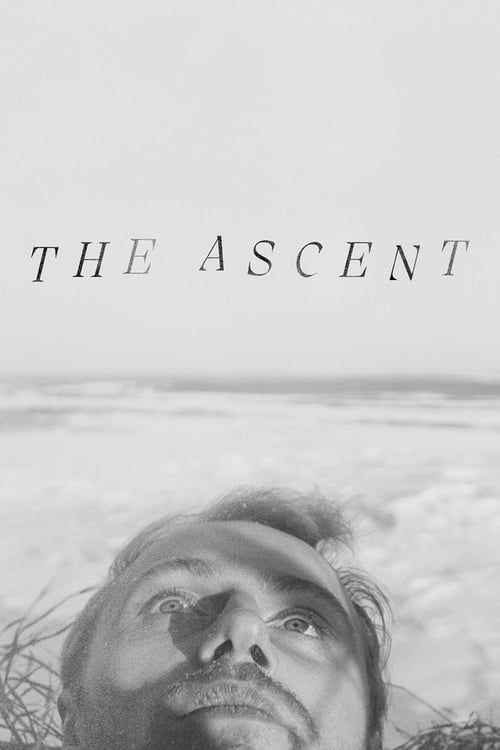
His influence radiated outward. Elem Klimov's Come and See is among the most harrowing war films ever made, an account of the Nazi occupation of Belarus seen through a boy whose face ages into a death mask across two hours. Larisa Shepitko, Klimov's wife, made The Ascent, a snow-blasted parable of partisans facing execution, before she died young in a car crash. Aleksei German spent decades on a handful of uncompromising films, ending with Hard to Be a God, a medieval mudscape of almost physical filth and grandeur. This is cinema that refuses to comfort you.
Tarkovsky did not slow cinema down. He made you notice it had always been moving too fast.CrossBinge editors
Tarkovsky and the Auteurs of the Thaw
The poetic, philosophical heart of Soviet cinema

A century of Russian-language cinema
- 1925Eisenstein's montage detonates at home and abroad Battleship Potemkin
- 1929Vertov reinvents the documentary as a kinetic self-portrait Man with a Movie Camera
- 1934Socialist Realism becomes official doctrine; the Vasilyev brothers' Chapaev sets the template
- 1957The Thaw arrives; Kalatozov's wartime drama wins the Palme d'Or the following year The Cranes Are Flying
- 1966Tarkovsky's Andrei Rublev is finished, then held back by censors for years Andrei Rublev
- 1975Mosfilm's epics dominate; Bondarchuk's War and Peace had already taken the foreign-film Oscar War and Peace
- 1979Stalker completes Tarkovsky's metaphysical run Stalker
- 1985Klimov's Come and See closes the Soviet war film on its bleakest note Come and See
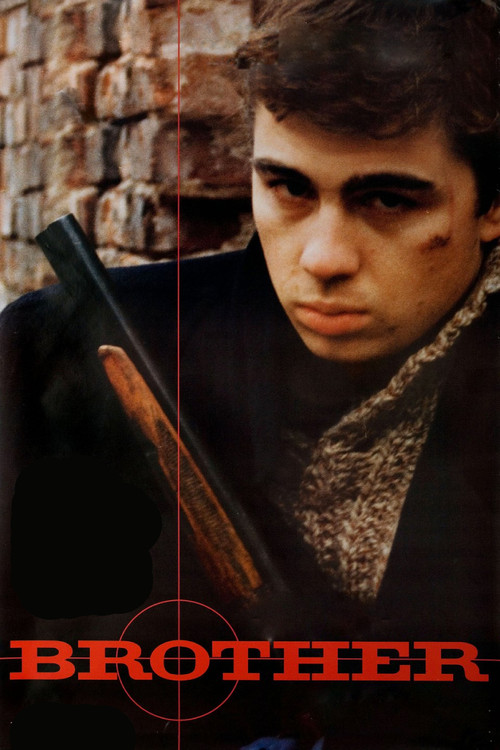
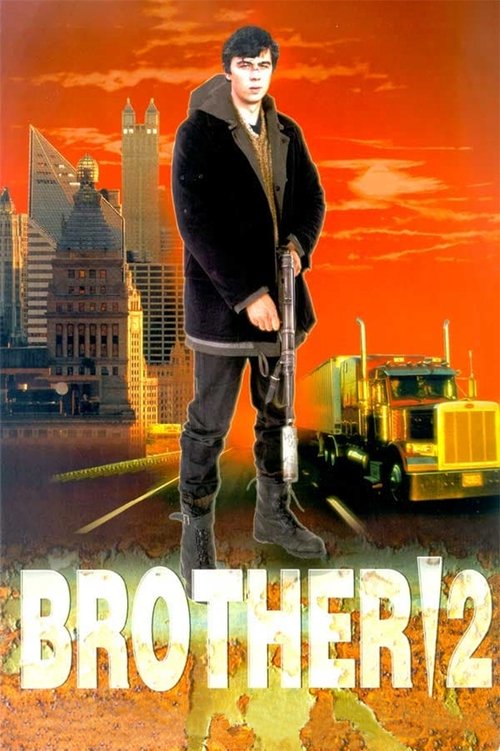
- 1997Post-Soviet identity crisis crystallizes in Balabanov's Brother Brother
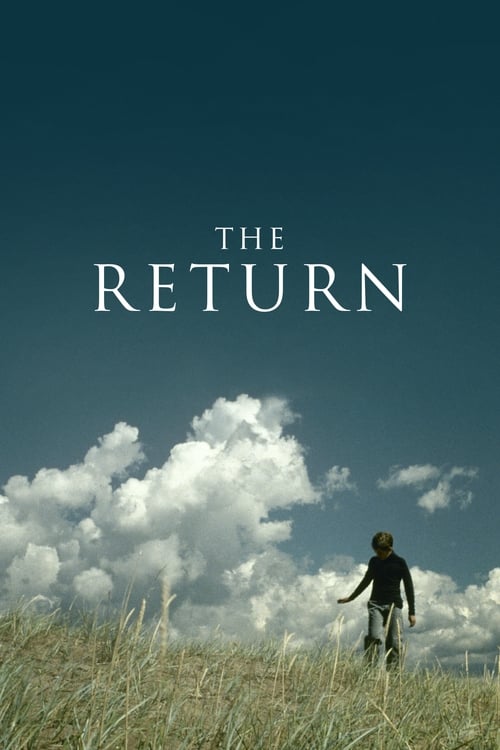
- 2003Zvyagintsev debuts; a new arthouse generation reaches Venice The Return
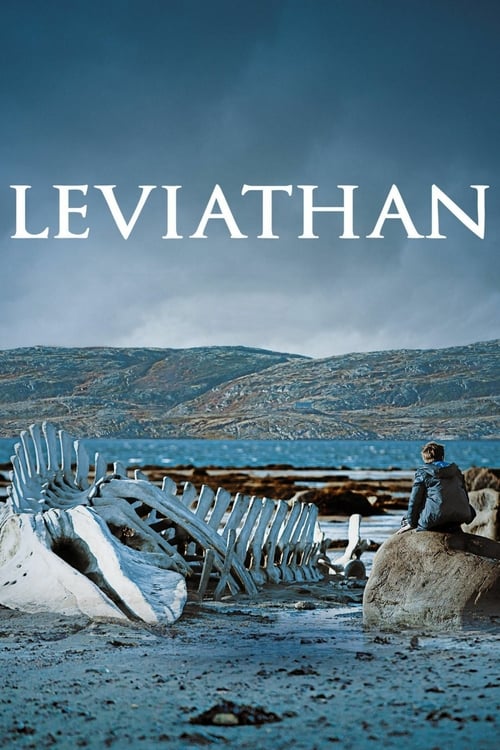
- 2014Leviathan takes Cannes' screenplay prize and an Oscar nomination Leviathan
After the Union
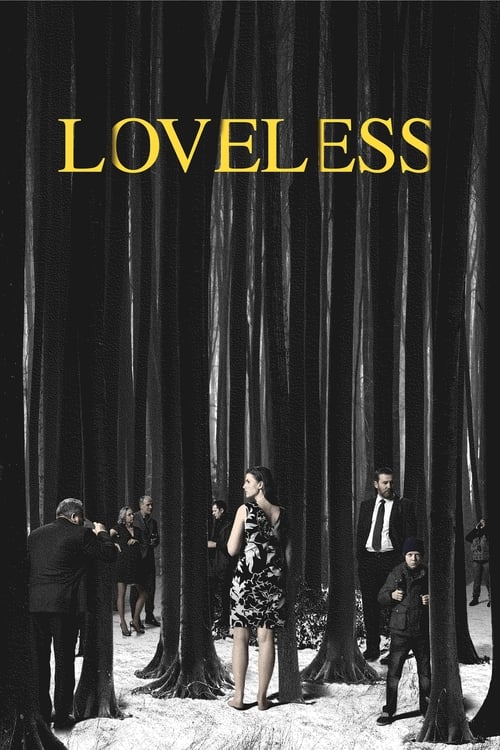
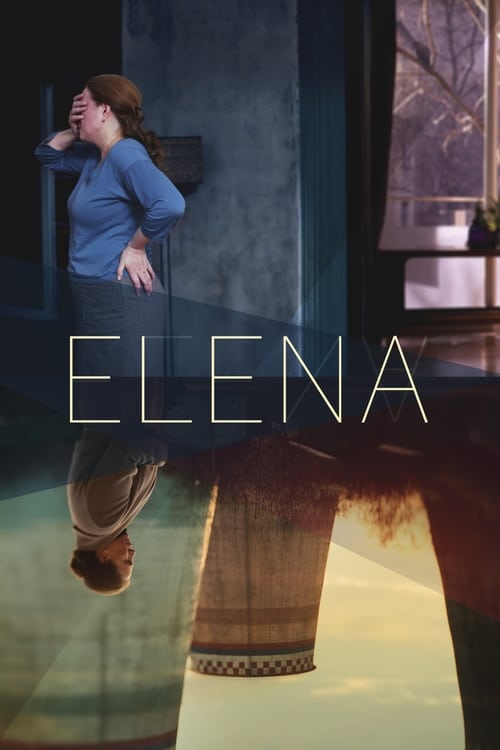
When the Soviet Union collapsed, the industry nearly went with it, and the films that survived the chaos were jagged and angry. Aleksei Balabanov's Brother turned a soft-eyed killer into the defining anti-hero of the 1990s, scored to the rock band Nautilus Pompilius and soaked in the moral vacuum of a country reinventing itself. From the wreckage rose Andrey Zvyagintsev, whose The Return, Elena, Leviathan, and Loveless form one of the toughest bodies of work in 21st-century Russian film: glacial, precise tragedies about families and the State eating their own. Alexander Sokurov pushed in the opposite direction with Russian Ark, the Hermitage museum captured in a single unbroken Steadicam take, a feat of pure ambition.
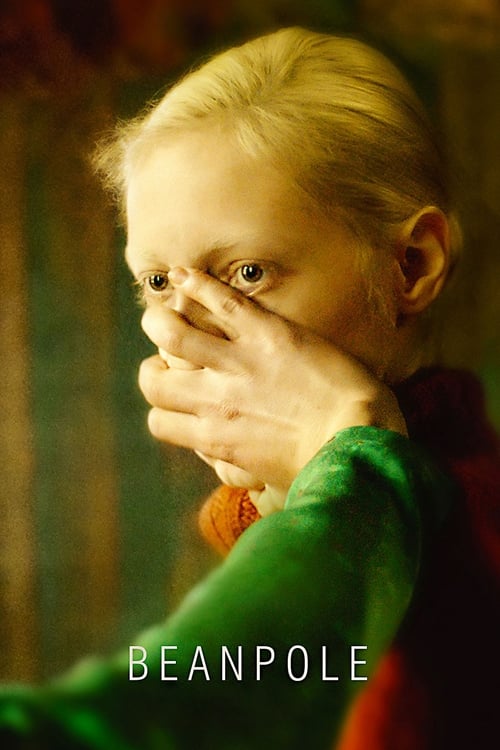
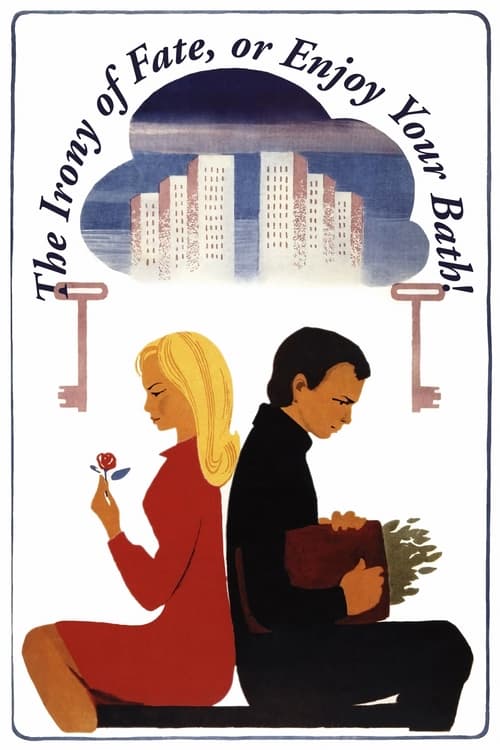
The range is wider than the festival circuit suggests. Andrei Konchalovsky kept making films across decades, from Siberiade to the black-and-white Dear Comrades!. Kantemir Balagov's Beanpole announced a major new talent. And the comedic and absurdist strain has its own canon, from Eldar Ryazanov's beloved holiday farce The Irony of Fate to Leonid Gaidai's slapstick The Diamond Arm, films Russians can still quote line for line.
Post-Soviet and Contemporary
The arthouse and the underworld after 1991


The People Laugh: Comedy and the Crowd-Pleasers
The Soviet and Russian films everyone at home actually watched

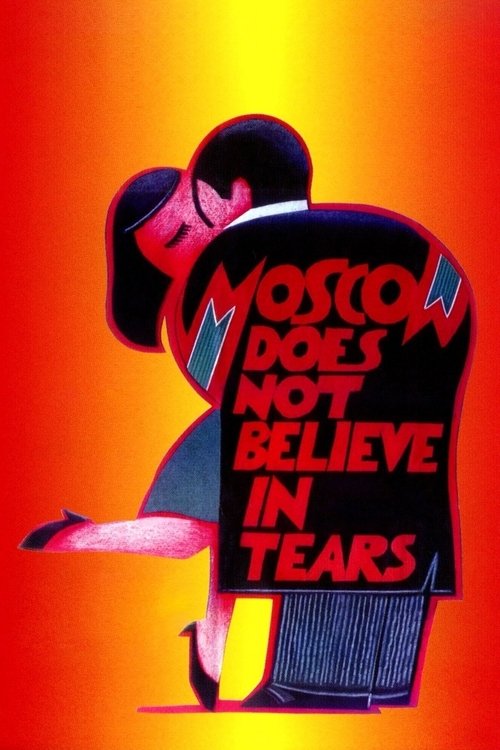
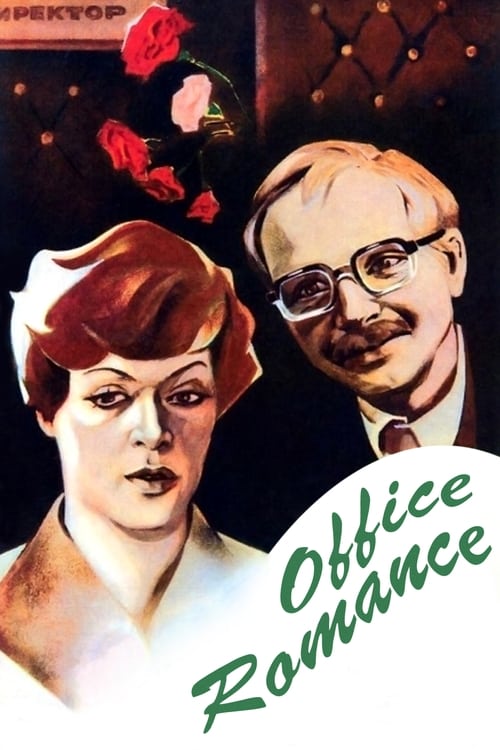
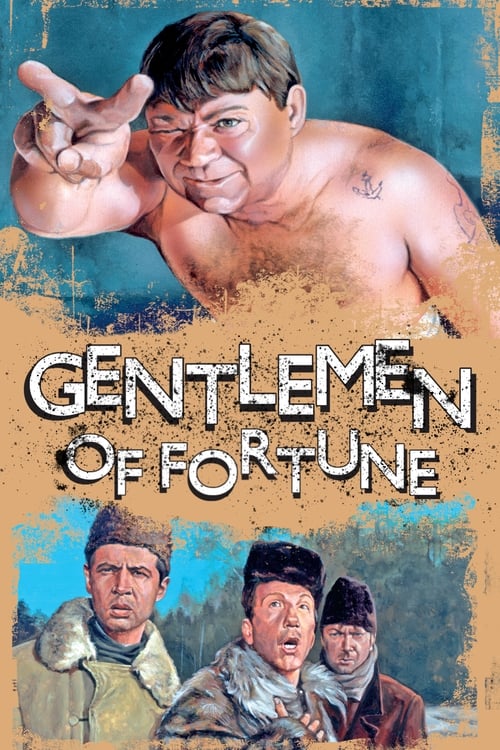

Come and See is the only war film that should be required viewing
Plenty of war films stage spectacle and call it an anti-war statement. Elem Klimov's Come and See does something crueler and more honest. It refuses the audience any catharsis, any heroism, any redemptive arc. It just follows a boy through occupied Belarus until his face has absorbed every horror a human face can hold, and then it keeps going. The film earns its devastation rather than performing it. Tarkovsky gets the reverence and the posters, but if you want to understand why Russian cinema treats the image as a moral weapon, start here.
Read the Source: Russian Literature on the Page
The novels behind the cinema, and the national imagination that fed both


The page, the score, the Zone
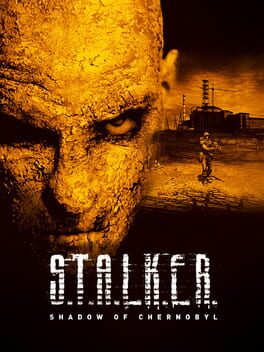
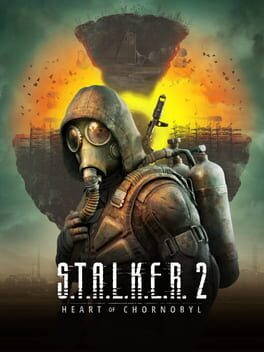
Russian cinema never floated free of the page. Its directors adapted, argued with, and were haunted by the country's literature. Tolstoy and Dostoevsky and Bulgakov's The Master and Margarita run through the films like a shared bloodstream. Tarkovsky's Stalker came out of the Strugatsky brothers' science-fiction novel Roadside Picnic, which also seeded the S.T.A.L.K.E.R. games, one of the few places this cinema's atmosphere crossed cleanly into another medium. The Zone, that contaminated landscape where the laws of reality bend, is now as much a video-game space as a film one.
The music belongs in the frame too. Sergei Prokofiev scored Alexander Nevsky for Eisenstein in a collaboration so tight the images were sometimes cut to the music rather than the reverse, a high point of film composition. Behind the whole tradition stands the larger weight of Russian classical music: Tchaikovsky, Stravinsky, Shostakovich, whose sense of scale and grief is the same sense of scale and grief the cinema keeps reaching for.
Adjacent Media: The Zone and the Score
Where Russian-language storytelling crosses into games and music