More like Mort
Cross-media recommendations across film, TV, games, books & music — picked by taste.
Mort is the fourth Discworld novel and the first to place Death at the centre. In Terry Pratchett's 1987 fantasy, Death takes on an apprentice — a young man notable for thinking for himself rather than simply doing as he is told. The book uses that apprenticeship to examine mortality from the inside, with Pratchett's characteristic mix of dry wit and genuine philosophical weight. It signals a taste for comic-serious fantasy where death is a job, not just an ending.
About Mort
Mort is a fantasy novel by British writer Terry Pratchett. Published in 1987, it is the fourth Discworld novel and the first to focus on the character Death, who only appeared as a side character in the previous novels. The title is the name of its main character, and is also a play on words: in French, mort means "death" or "dead"; the French-language edition is titled Mortimer.
Films like Mort
 Film
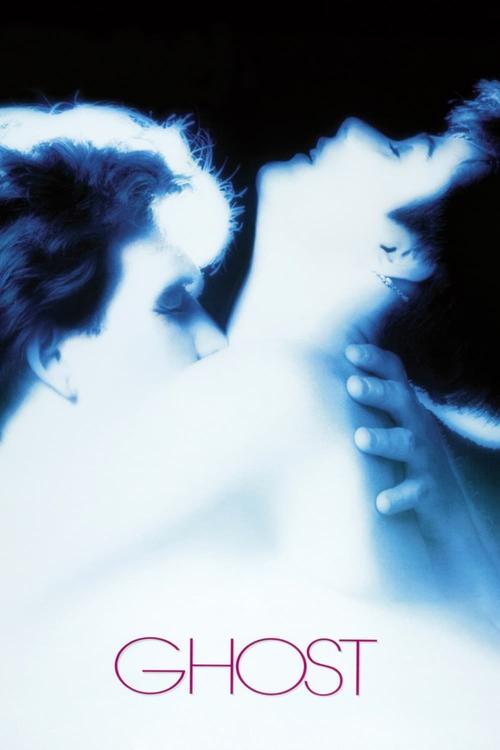
Ghost
Film
Ghost
A murdered man's spirit lingers to protect his lover, refusing to let death end what matters.
 Film
Dead Heat
Film
Dead Heat
A detective killed in action gets twelve hours of borrowed time to solve his own murder.
 Film
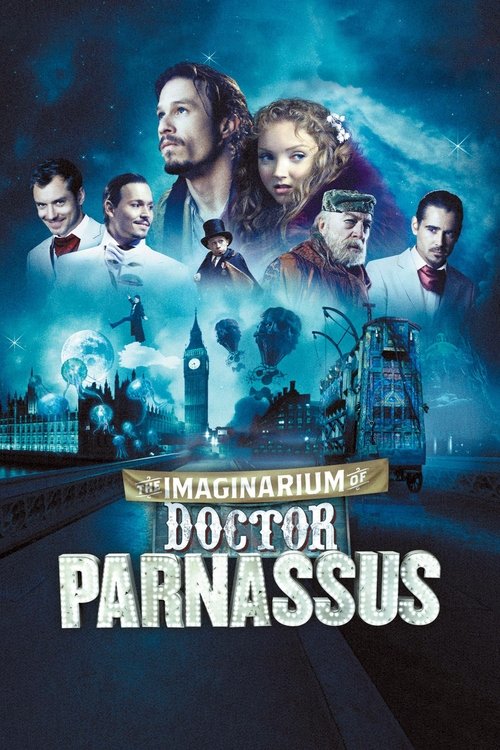
The Imaginarium of Doctor Parnassus
Film
The Imaginarium of Doctor Parnassus
An immortal wagering souls with the devil frames mortality as something that can be bargained, not just endured.
 Film
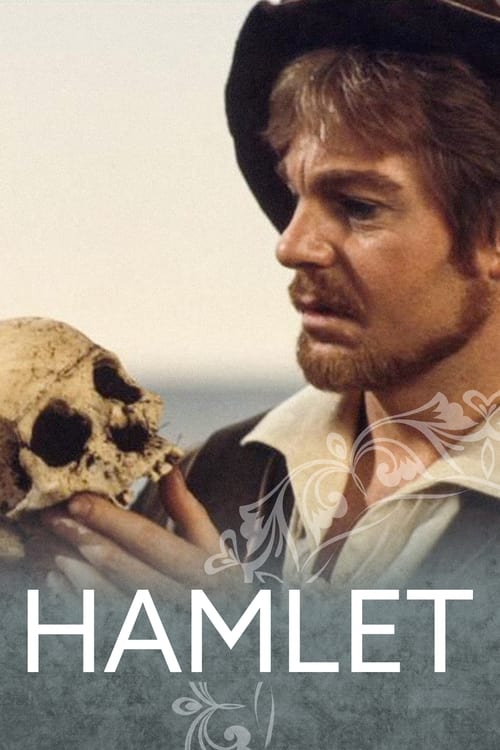
Hamlet
Film
Hamlet
A ghost father who commands revenge turns death into an obligation the living cannot ignore.
 Film
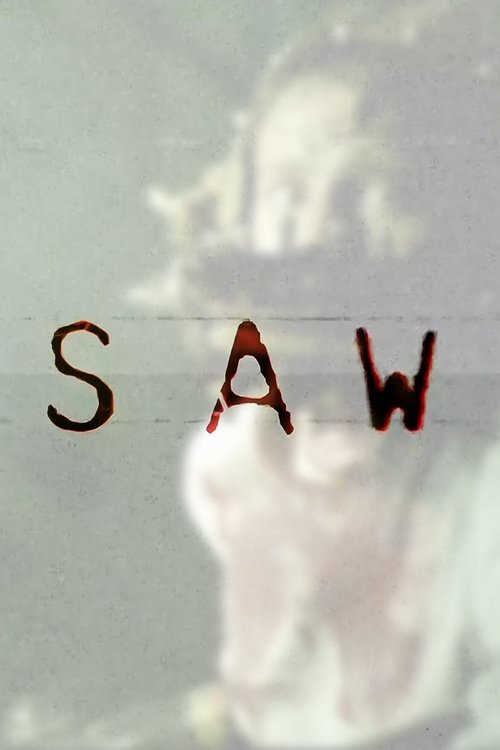
Saw
Film
Saw
Survival turned into a forced game echoes Mort's theme of death imposing its terms on the unwilling.
 Film
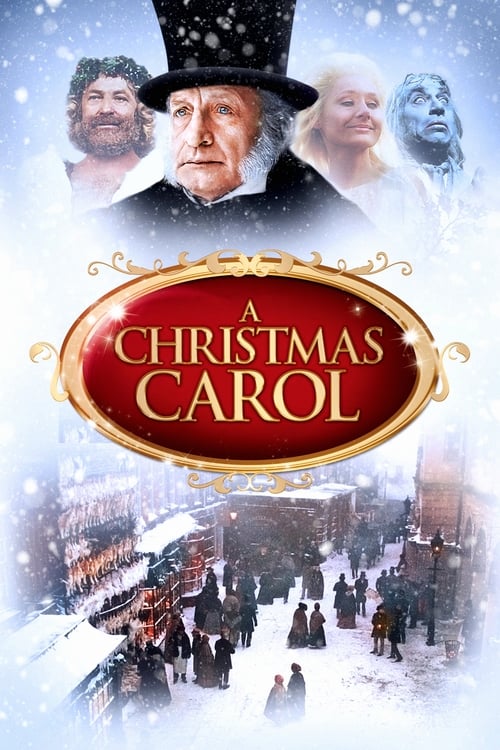
A Christmas Carol
Film
A Christmas Carol
Spirits showing a miser the shape of his life and its consequences mirror Mort's lesson that death holds a mirror up to the living.
Series like Mort
 Series
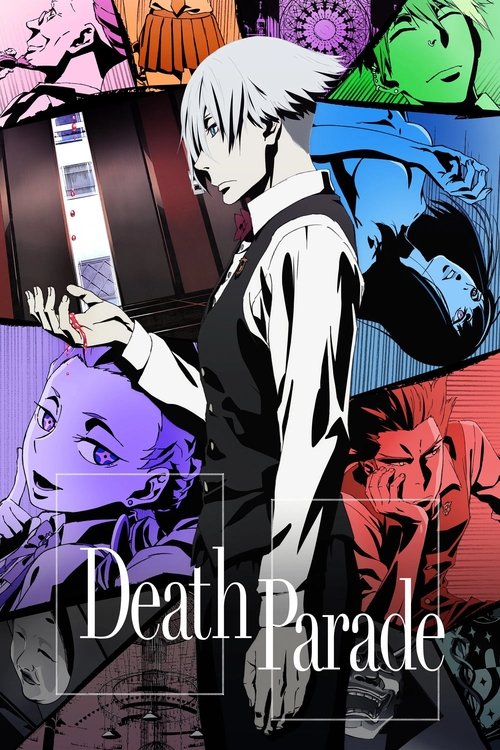
Death Parade
Series
Death Parade
A bar between heaven and hell where the dead play one final game treats the afterlife as bureaucratic procedure.
 Series
Dead Like Me
Series
Dead Like Me
An unwilling recruit collecting souls on behalf of death finds the job as mundane and disorienting as Mort does.
 Series
Death's Game
Series
Death's Game
Cycling through twelve lives and twelve deaths makes mortality itself the engine of the story.
 Series
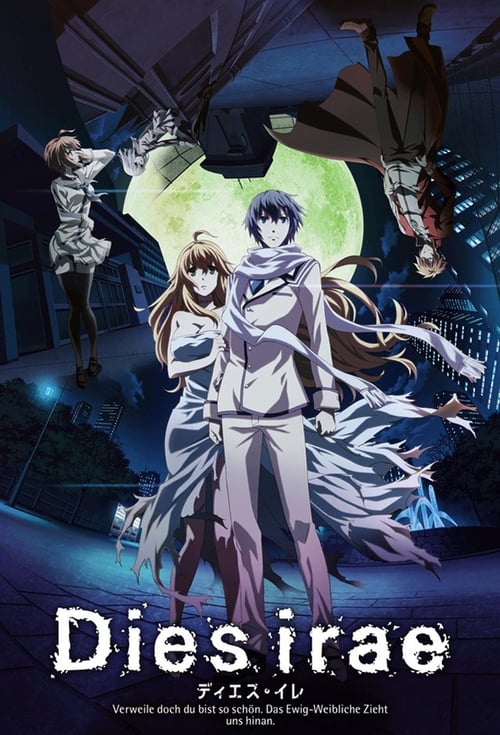
Dies Irae
Series
Dies Irae
A ritual to bring back the dead treats death as something defeatable — and finds a steep price for the attempt.
 Series
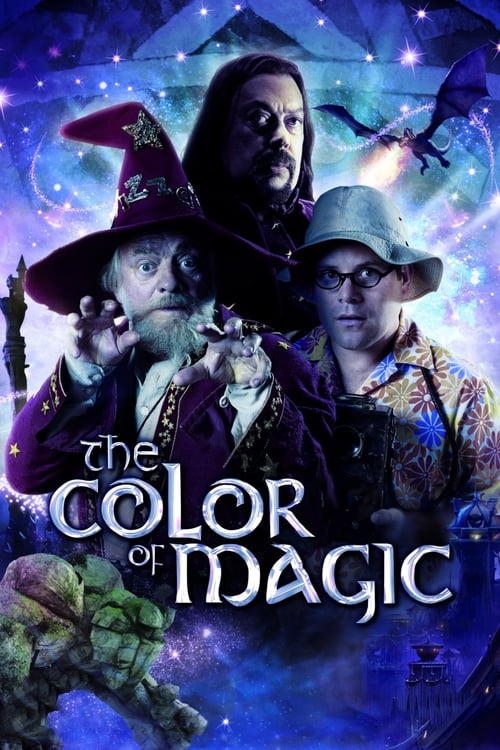
The Colour of Magic
Series
The Colour of Magic
Set on the same Discworld, Rincewind's reluctant adventure shares Mort's comedic tone and the city of Ankh-Morpork.
 Series
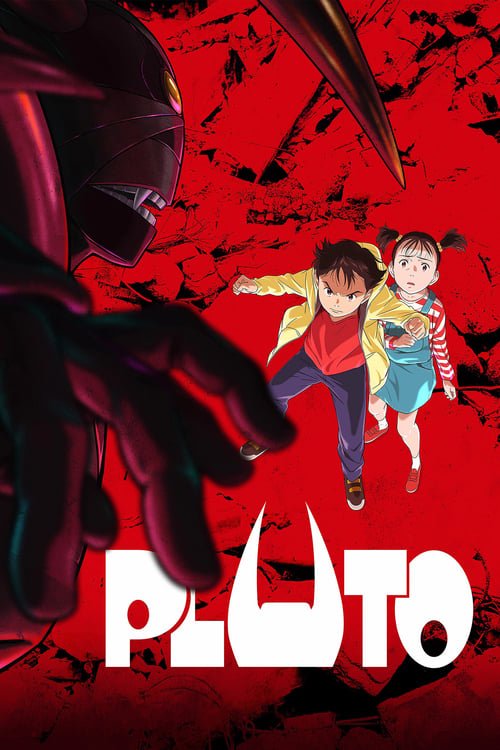
PLUTO
Series
PLUTO
An inspector investigates a series of robot murders and learns he may be the next target.
Games like Mort
 Game
A Mortician's Tale
Game
A Mortician's Tale
Playing a mortician learning the business treats death as a profession with its own pressures and dignity.
 Game
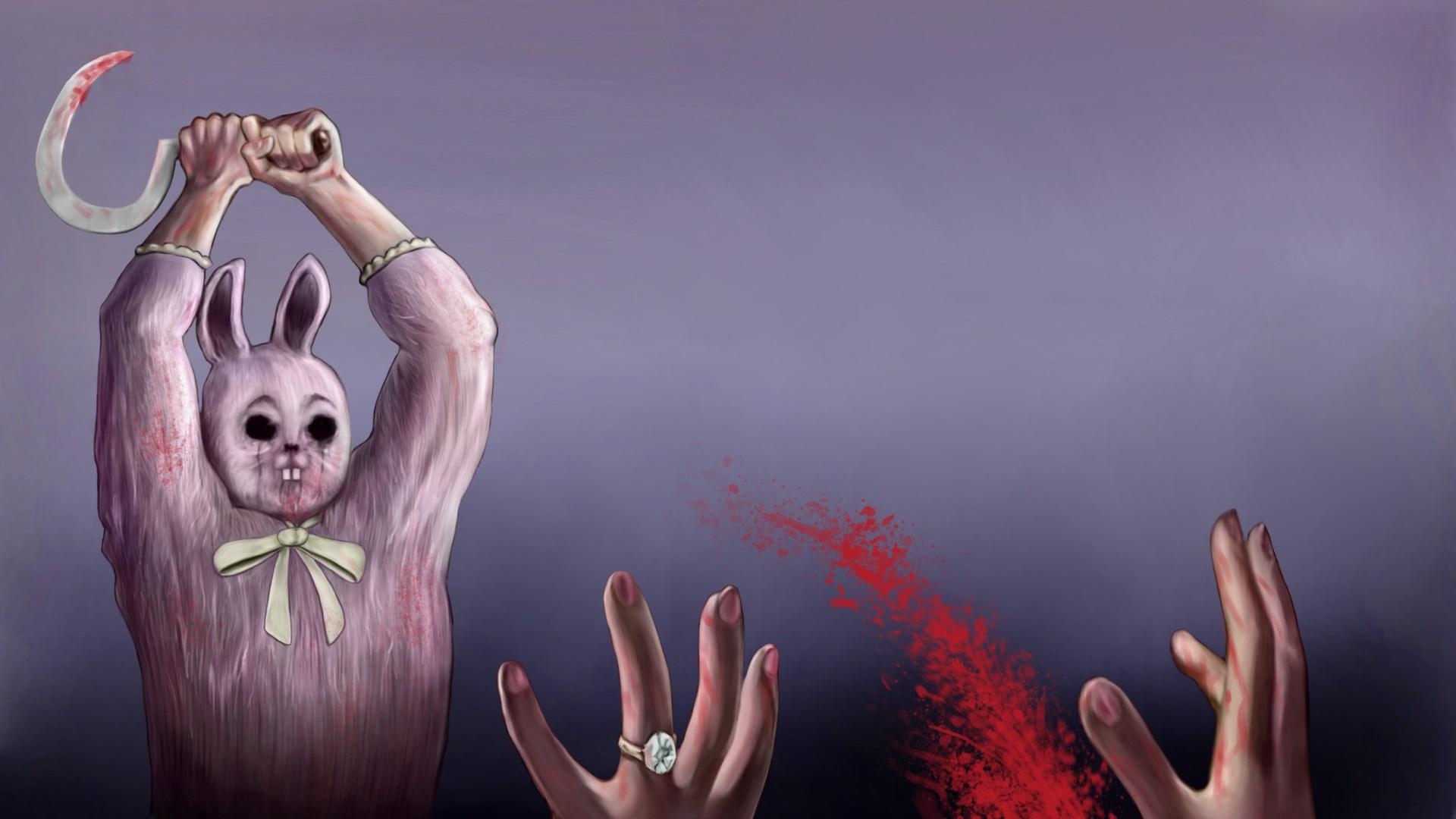
Murder House
Game
Murder House
The question of whether an executed killer is truly dead keeps death unstable and unresolved at the story's centre.
 Game
Discworld II: Missing Presumed...!?
Game
Discworld II: Missing Presumed...!?
A point-and-click adventure set on Pratchett's Discworld shares the exact fictional world and absurdist register of Mort.
 Game
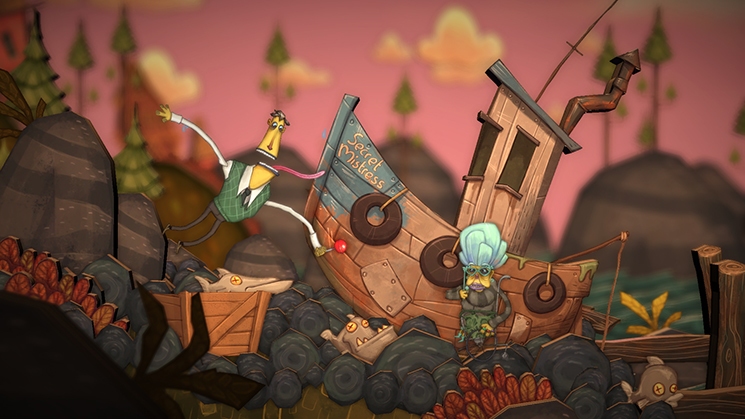
Flipping Death
Game
Flipping Death
Penny accidentally fills in for Death himself, navigating the same absurd temp-employee logic Mort does.
More books like Mort
 Book
Reaper Man
Book
Reaper Man
Death himself begins questioning the existential in this Discworld novel — a direct companion to Mort's themes.
 Book
Soul Music
Book
Soul Music
Death goes absent and his granddaughter must quietly take over the reaping — mortality as inherited obligation.
 Book
Small Gods
Book
Small Gods
A novice chosen for a role he never asked for faces institutional power, much like Mort pressed into Death's service.
 Book
Terry Pratchett's The Truth
Book
Terry Pratchett's The Truth
An editor pursuing truth in Ankh-Morpork inhabits the same Discworld setting with the same dry comic stakes.
 Book
Terry Pratchett
Book
Terry Pratchett
A critical study of Terry Pratchett's output — contextualising the comic-serious Discworld series he built.
 Book
Night Watch
Book
Night Watch
A policeman flung thirty years into his own past must navigate a city and a system not quite his own.
Frequently asked
What should I read after Mort?
Reaper Man and Soul Music both follow Death's further adventures on Discworld, with the same dry humour and philosophical musings on mortality that make Mort so memorable.
Are there any TV shows or films with the same Death-as-a-character vibe as Mort?
Dead Like Me is a close TV match — a young person thrust unwillingly into the soul-collecting business — while Death Parade explores judgment after death with a similarly wry, contemplative tone.
Are there any games like Mort?
Discworld II: Missing Presumed...!? is the most direct fit, a point-and-click adventure set in Pratchett's own world, while Flipping Death captures the same offbeat comedy of a hapless stand-in literally filling Death's shoes.