 CrossBinge
Book: Murder in Three Acts →
CrossBinge
Book: Murder in Three Acts →
More like Murder in Three Acts
Cross-media recommendations across film, TV, games, books & music — picked by taste.
Murder in Three Acts begins at a dinner party where one of thirteen guests dies after a cocktail — yet the drink contains no trace of poison. What baffles Hercule Poirot is not the method but the complete absence of motive. That double impossibility — an apparently causeless crime and an apparently motiveless killer — drives everything that follows. Readers who love this book tend to prize locked-room logic, a closed cast of suspects, and detectives who treat deduction as a precise art.
About Murder in Three Acts
Three Act Tragedy is a mystery novel by British writer Agatha Christie, first published in the United States by Dodd, Mead and Company in October 1934 under the title Murder in Three Acts and in the UK by the Collins Crime Club in January 1935 under Christie's original title. The US edition retailed at $2.00 and the UK edition at seven shillings and sixpence (7/6).
From the Wikipedia article Three_Act_Tragedy, available under CC BY-SA.
Films like Murder in Three Acts
 Film
Murder in Three Acts
Film
Murder in Three Acts
A dinner party death with no obvious cause mirrors the novel's impossible opening murder exactly.
 Film
Thirteen at Dinner
Film
Thirteen at Dinner
Poirot applies his tact and logic to a murder where the suspect had openly sought the victim's removal.
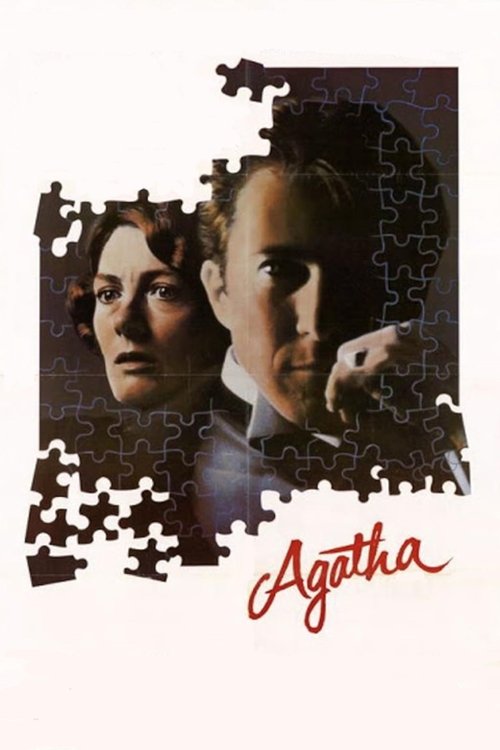 Film
Agatha
Film
Agatha
A journalist hunts a famous mystery writer who vanishes without trace — real-life puzzle, Christiesque stakes.
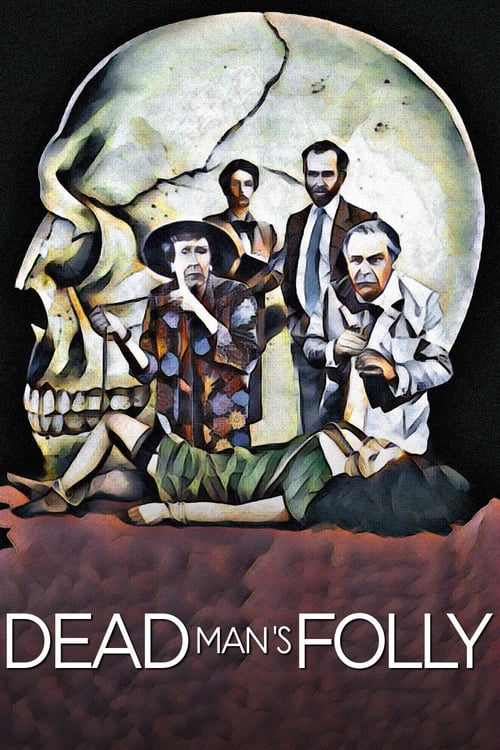 Film
Dead Man's Folly
Film
Dead Man's Folly
A mock murder hunt at a country house turns genuine, collapsing the game and the crime into one.
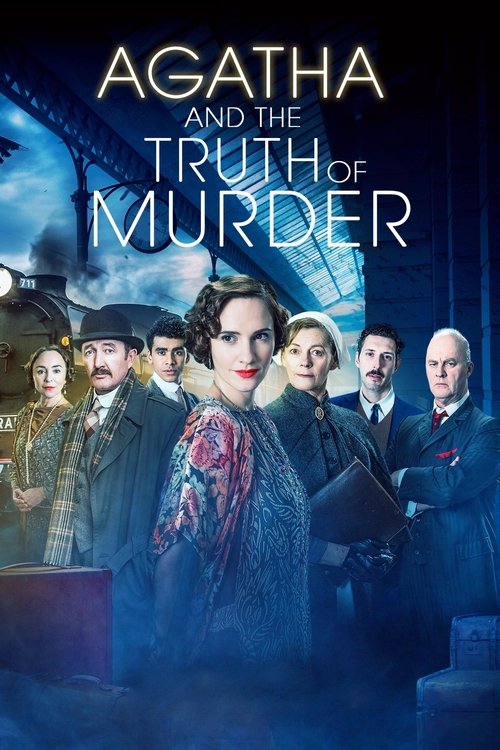 Film
Agatha and the Truth of Murder
Film
Agatha and the Truth of Murder
A writer steps into a real unsolved case, blending the detective's craft with personal upheaval.
 Film
Murder!
Film
Murder!
A juror's private doubt about a verdict sends him to investigate — justice pursued outside official channels.
Series like Murder in Three Acts
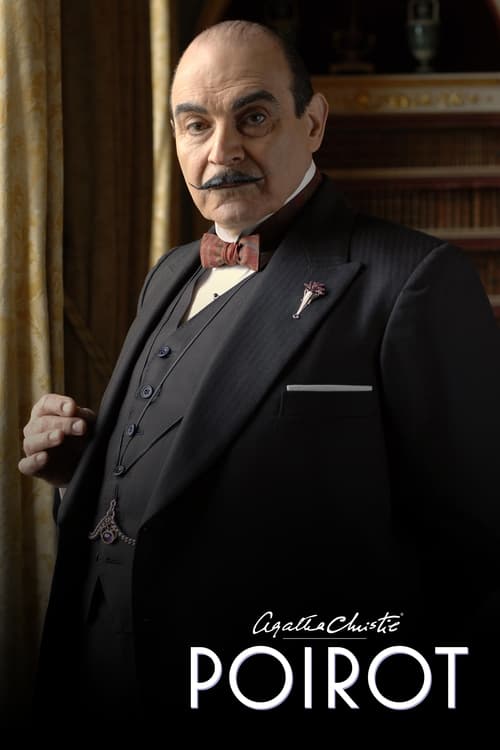 Series
Agatha Christie's Poirot
Series
Agatha Christie's Poirot
Poirot pits his refined intellect against elaborate deceptions across a long-running series of cases.
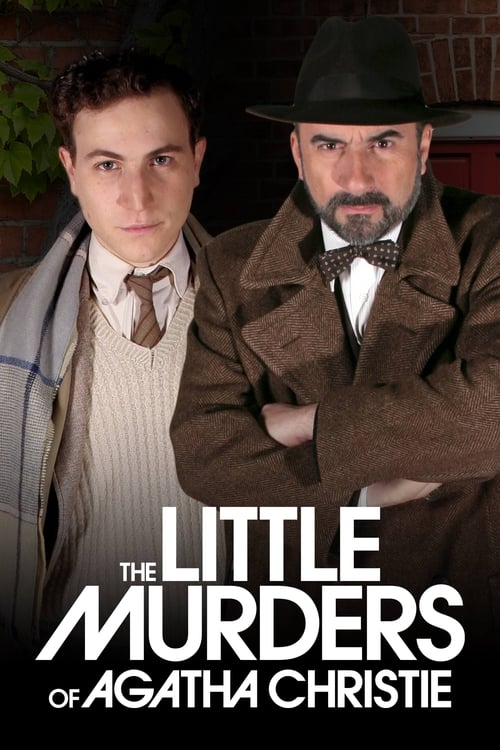 Series
The Little Murders of Agatha Christie
Series
The Little Murders of Agatha Christie
French adaptations of Christie stories deliver classic mystery plotting in a new register.
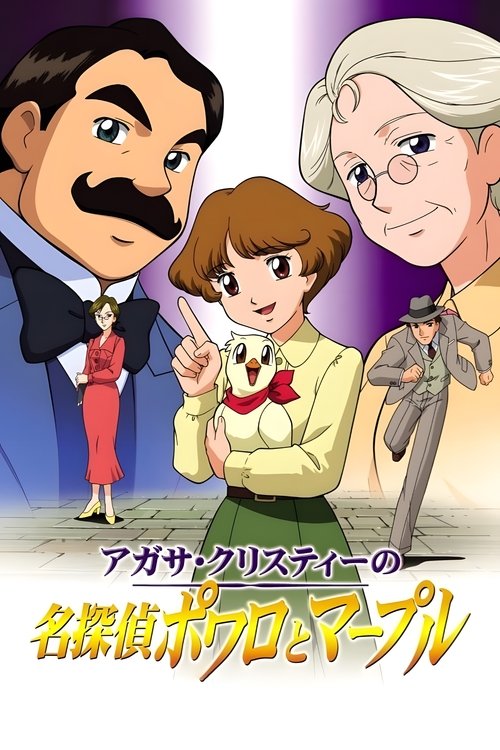 Series
Agatha Christie's Great Detectives Poirot and Marple
Series
Agatha Christie's Great Detectives Poirot and Marple
An aspiring young detective becomes Poirot's assistant, learning deduction alongside him case by case.
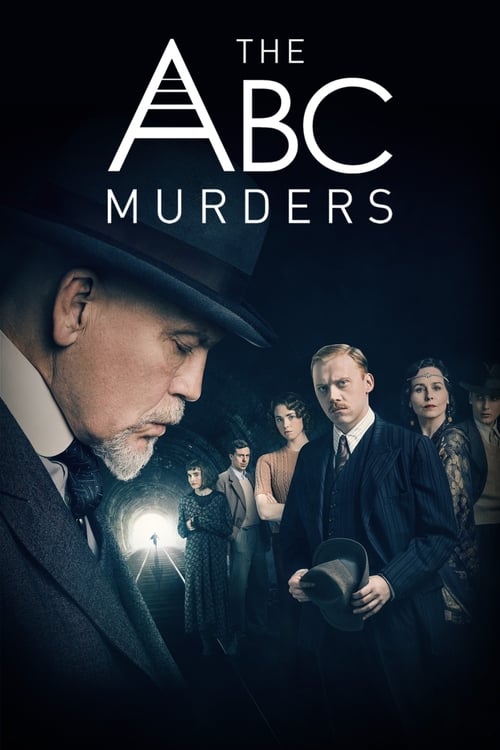 Series
The ABC Murders
Series
The ABC Murders
Anonymous letters predicting murders force an ageing Poirot to work while his old network has dissolved.
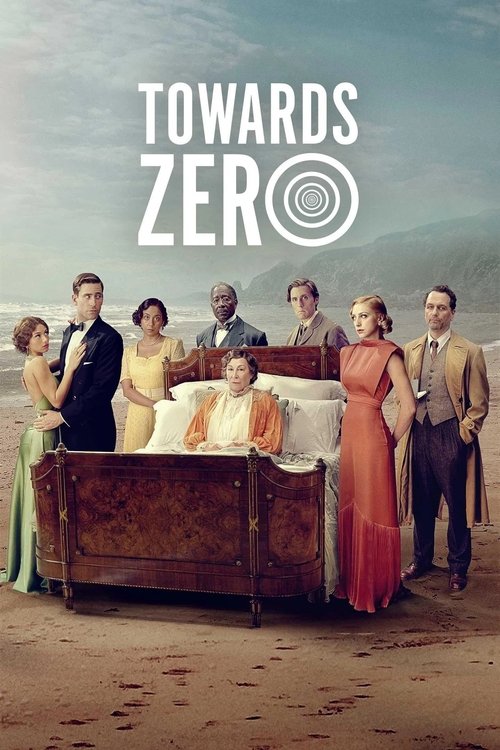 Series
Towards Zero
Series
Towards Zero
A volatile mix of guests converges at a coastal estate; when murder strikes, a troubled detective untangles the truth.
 Series
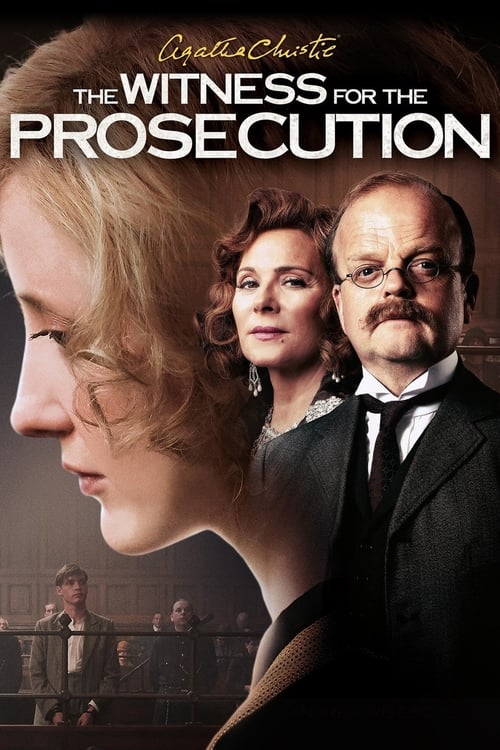
The Witness for the Prosecution
Series
The Witness for the Prosecution
A wealthy heiress found dead in her London townhouse triggers a hunt for her murderer.
Games like Murder in Three Acts
 Game
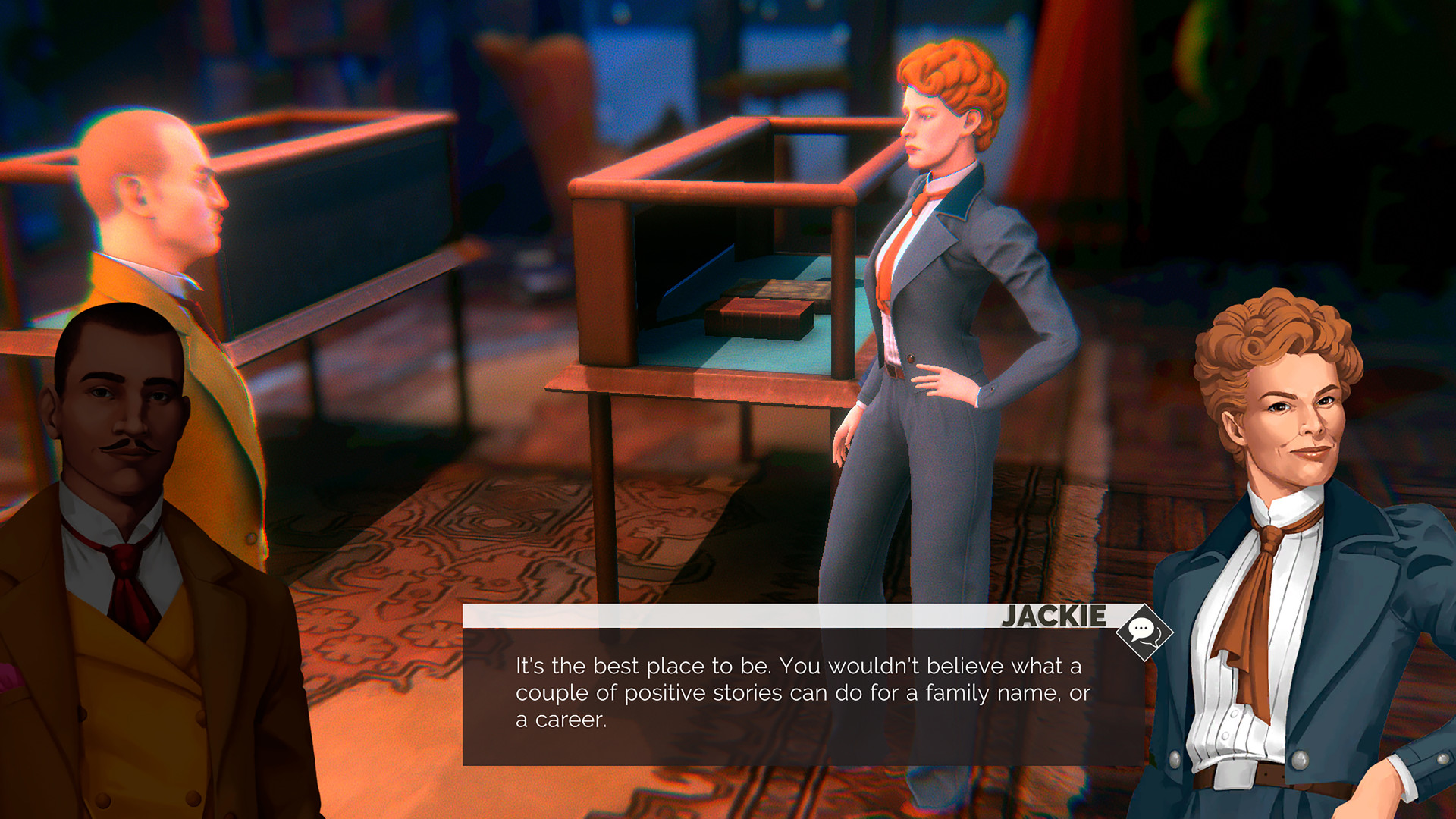
Agatha Christie - Hercule Poirot: The First Cases
Game
Agatha Christie - Hercule Poirot: The First Cases
A young Poirot attends a high-society gathering where tension among guests precedes a fatal crime.
 Game
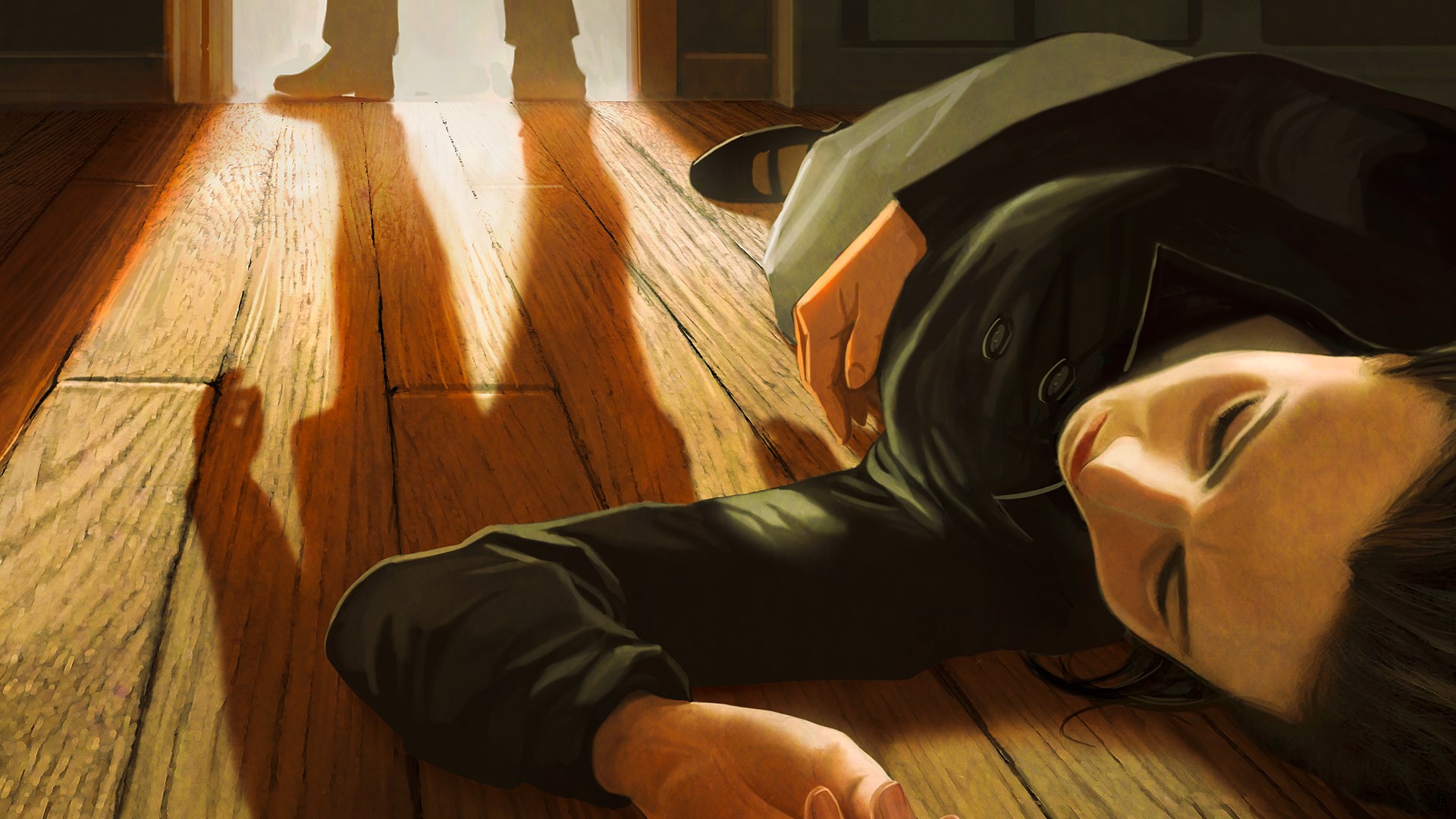
Agatha Christie - The ABC Murders
Game
Agatha Christie - The ABC Murders
Players inhabit Poirot directly, matching wits against a serial killer in an adventure drawn from Christie.
 Game
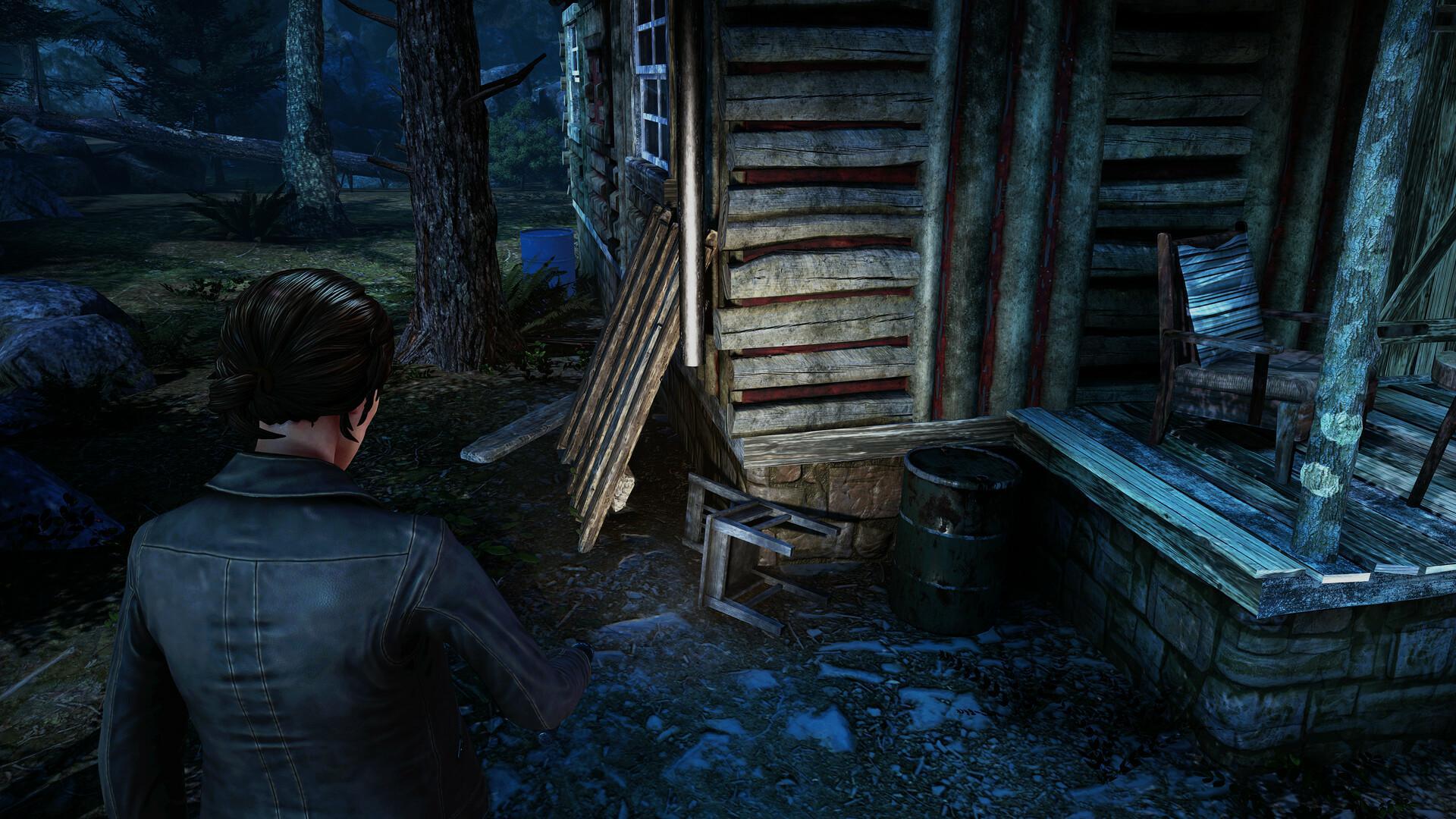
Agatha Christie - Murder on the Orient Express
Game
Agatha Christie - Murder on the Orient Express
A modernised take on a Christie classic invites players to solve a train murder with familiar characters.
 Game
A Detective's Novel
Game
A Detective's Novel
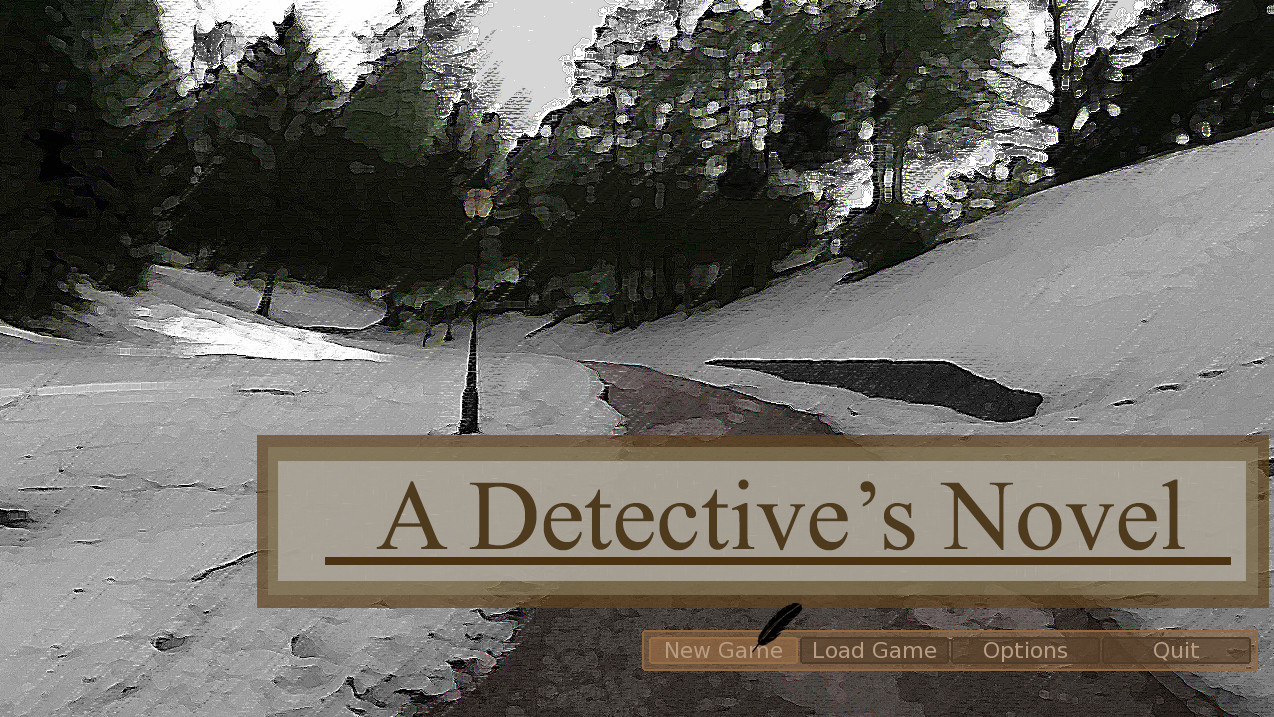
A businessman dies among family and close friends on a desolate estate — a compact closed-circle puzzle.
 Game
Agatha Knife
Game
Agatha Knife
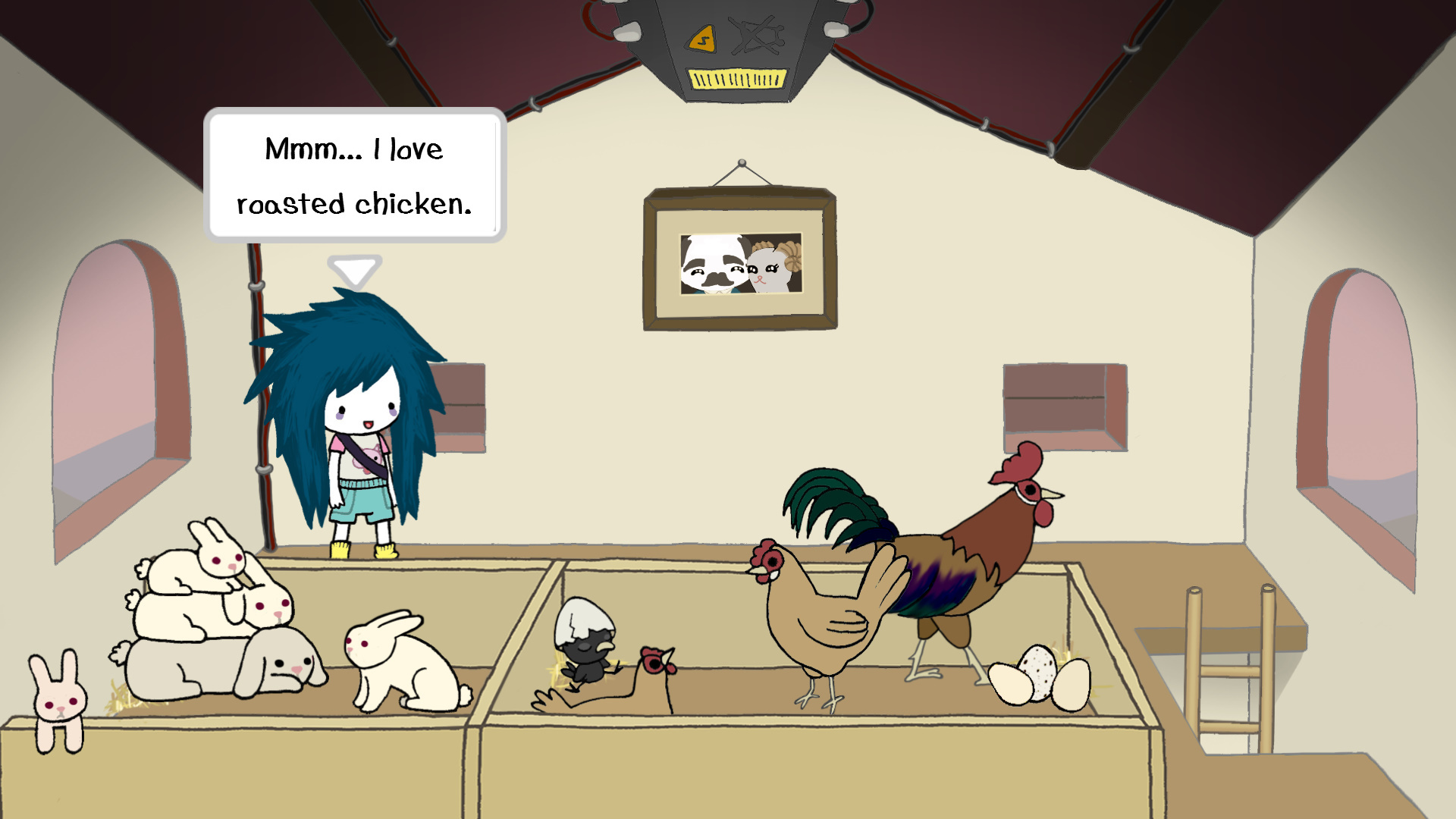
A satirical adventure following a seven-year-old torn between friendship with animals and life in a butcher shop.
 Game
Sherlock Holmes: Chapter One
Game
Sherlock Holmes: Chapter One
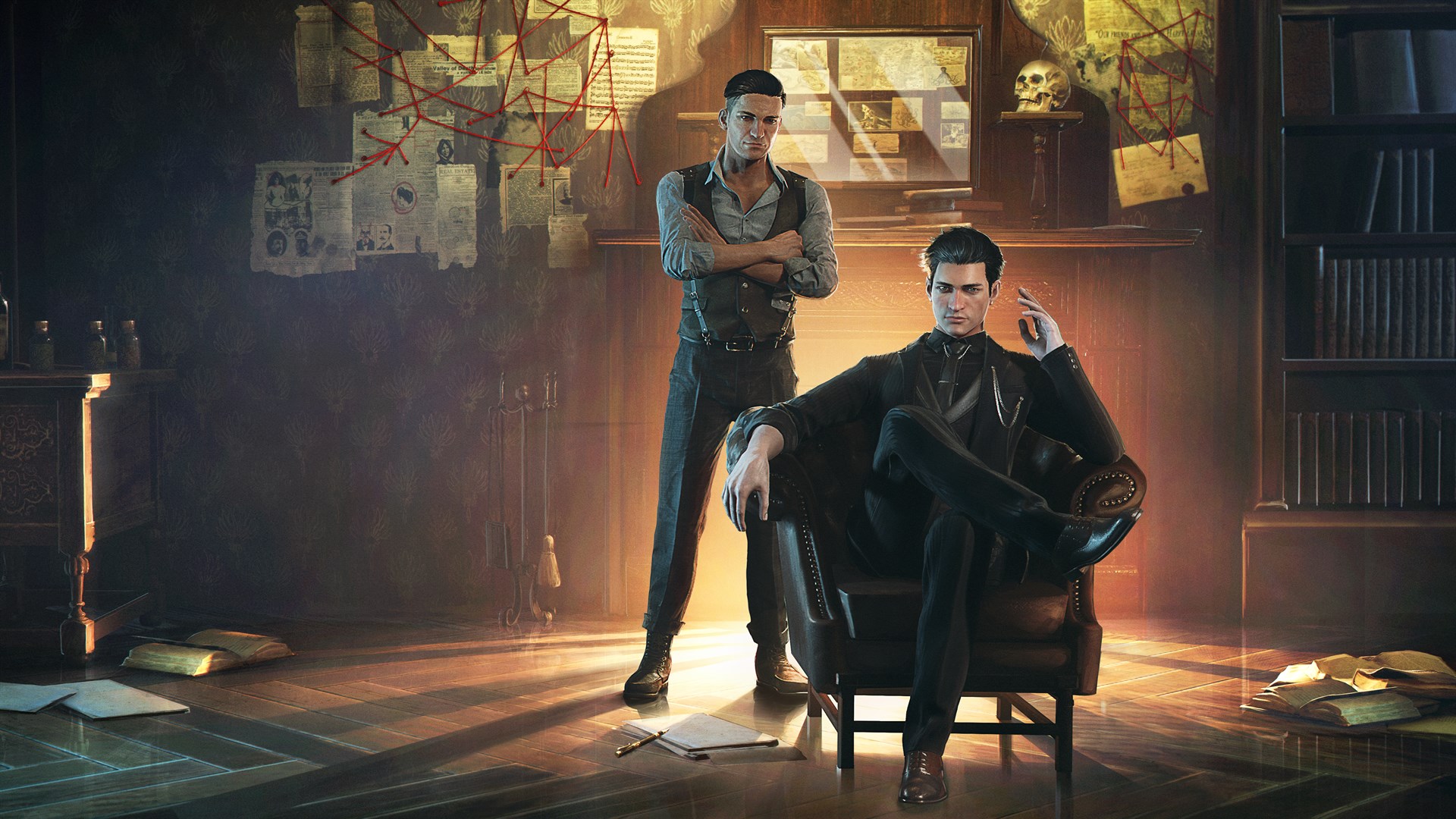
Before his legend was fixed, a brilliant young Holmes is drawn back by an old wound to investigate his mother's death.
More books like Murder in Three Acts
 Book
Third Girl
Book
Third Girl
A woman appears at Poirot's breakfast claiming to be a murderer, then vanishes — motive utterly unclear.
 Book
The Regatta Mystery
Book
The Regatta Mystery
Short mysteries across a range of tones showcase the author's breadth from sinister to light-hearted.
 Book
The Adventure of the Christmas Pudding
Book
The Adventure of the Christmas Pudding
Poirot faces a string of puzzles — a poisoned pudding warning, a corpse in a chest — in compact cases.
 Book
Agatha Christie Murder In The Making More Stories And Secrets From Her Notebooks
Book
Agatha Christie Murder In The Making More Stories And Secrets From Her Notebooks
An archivist examines Christie's unpublished notebooks to reveal the craft behind her misdirection.
 Book
The Murder of Roger Ackroyd
Book
The Murder of Roger Ackroyd
A retired Poirot is drawn back to work by the brutal murder of a local squire in a quiet English village.
 Book
The life and times of Hercule Poirot
Book
The life and times of Hercule Poirot
A profile of the detective himself — his habits, his history, the personality behind the famous cases.
Frequently asked
What should I read after Murder in Three Acts?
Start with The Murder of Roger Ackroyd — another Poirot case where a retired detective is pulled back by a brutal local murder — or Third Girl, which opens with a woman claiming to be a murderer then disappearing before Poirot can question her.
What games are similar to Murder in Three Acts?
Agatha Christie – The ABC Murders puts you directly in Poirot's shoes, matching wits against a killer through investigation and logic. A Detective's Novel offers a similar closed-circle setup with a death among family and close friends in an isolated estate.
Why do readers love Murder in Three Acts so much?
The appeal is Poirot facing a puzzle with no obvious motive — the hardest kind of case. The dinner-party setting, the finite cast of suspects, and the slow revelation that nothing is as it first appeared make it a near-perfect example of the form.