 CrossBinge
Book: Noli Me Tangere →
CrossBinge
Book: Noli Me Tangere →
More like Noli Me Tangere
Cross-media recommendations across film, TV, games, books & music — picked by taste.
Noli Me Tangere is a novel about colonial injustice told through intimate personal stakes — a young man returning home to grief, a thwarted romance, a father's posthumous humiliation, and a community's slow awakening to its own subjugation. The Spanish friars and colonial administration are not backdrop; they are active antagonists shaping every private life. Readers drawn to this book tend to want stories where political power reaches into households and hearts, where class and tradition constrain desire, and where ordinary people resist, quietly or otherwise, in worlds they did not choose.
About Noli Me Tangere
Noli Me Tángere is a novel by Filipino writer and activist José Rizal and was published during the Spanish colonial period of the Philippines. It explores inequities in law and practice in terms of the treatment by the ruling government and the Spanish Catholic friars of the resident peoples in the late 19th century.
From the Wikipedia article Noli_Me_Tángere_(novel), available under CC BY-SA.
Films like Noli Me Tangere
 Film
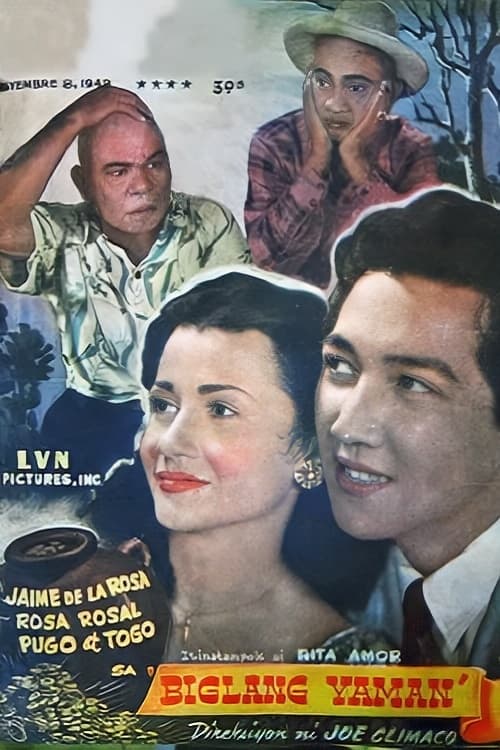
Biglang Yaman
Film
Biglang Yaman
Unexpected inheritance upends working-class lives, echoing how wealth and legal claims reshape ordinary families.
 Film
Hibla
Film
Hibla
Two women separated by circumstance and class navigate loyalty and identity, mirroring Maria Clara and Ibarra's divided world.
 Film
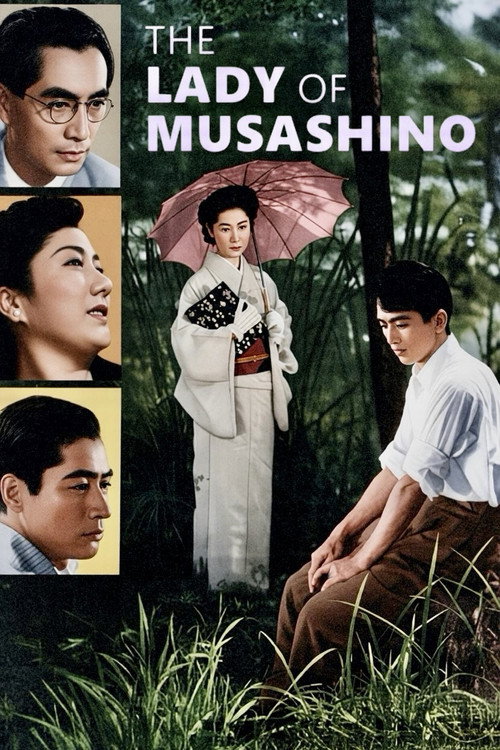
The Lady of Musashino
Film
The Lady of Musashino
A young woman trapped by marriage and social constraint confides in a cousin, navigating duty versus personal feeling.
 Film
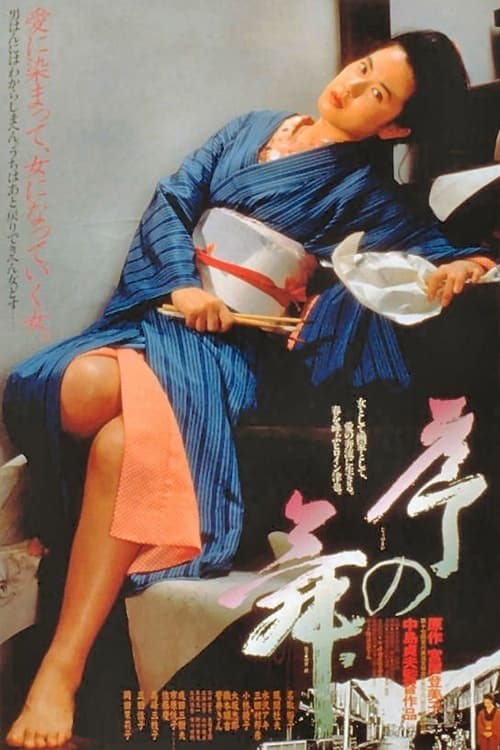
Appassionata
Film
Appassionata
A woman's artistic ambition meets institutional barriers in a society that awards and withholds recognition by gender.
 Film
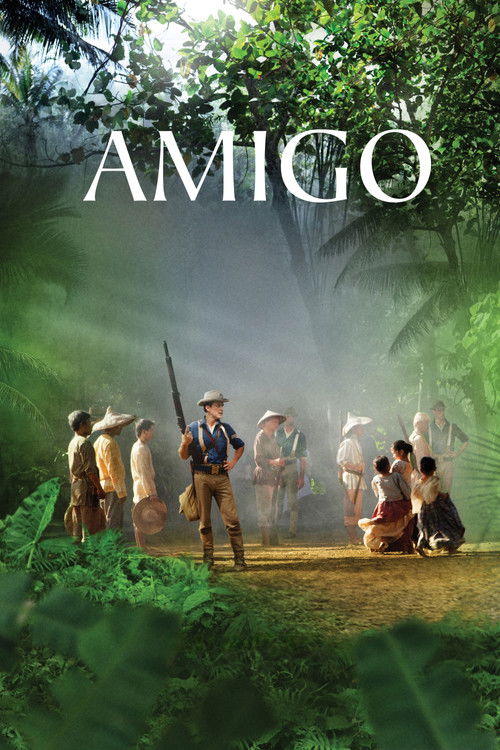
Amigo
Film
Amigo
A village mayor caught between occupying US troops and Filipino guerrillas faces the same colonial crossfire as Ibarra.
 Film
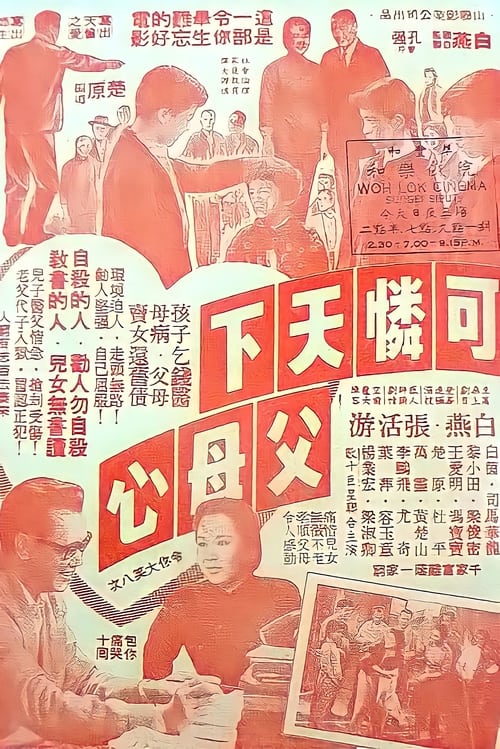
The Great Devotion
Film
The Great Devotion
A family ground down by poverty fights to survive within systems indifferent to their dignity, as in colonial San Diego.
Series like Noli Me Tangere
 Series
Pangako Sa ’Yo
Series
Pangako Sa ’Yo
A love story entangled in old secrets and class divisions across generations, structured around thwarted reunion.
 Series
Can't Buy Me Love
Series
Can't Buy Me Love
A stubborn princess meets an unlikely match, staging class and power through romance as Ibarra and Maria Clara do.
 Series
Tanto Amor
Series
Tanto Amor
Love strains against wealth, family authority, and social expectation in a wealthy household hiding turbulence beneath order.
 Series
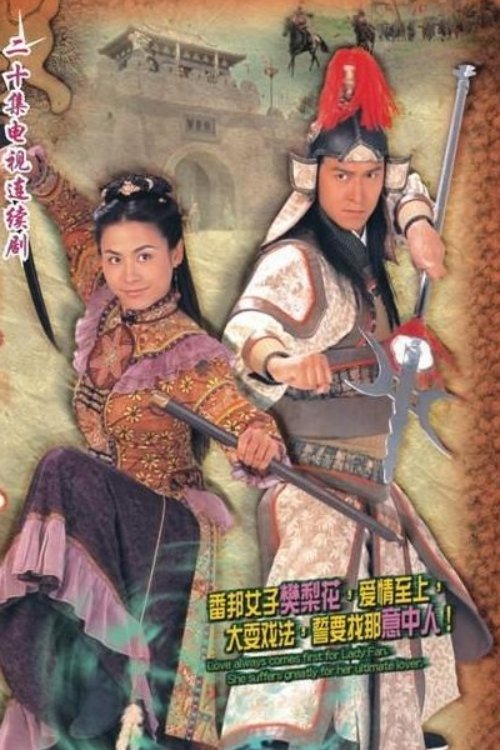
Lady Fan
Series
Lady Fan
A daughter of a respected general is bound by destiny and duty, caught between war and an arranged fate.
 Series
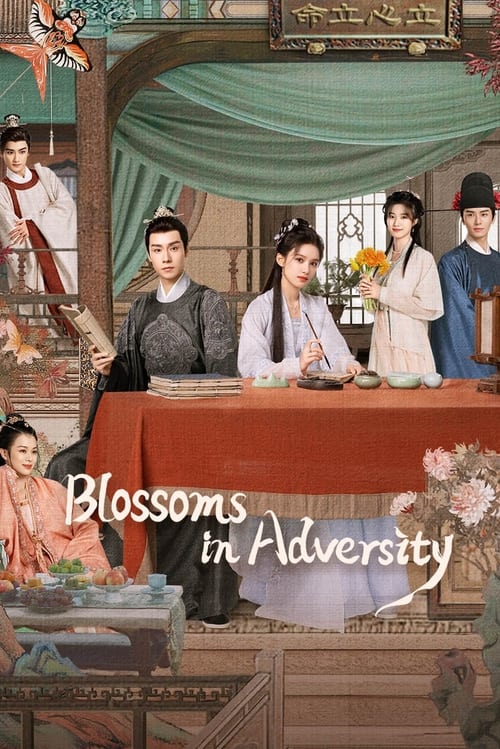
Blossoms in Adversity
Series
Blossoms in Adversity
A young woman steps up after catastrophe strips her family of power, choosing visibility over the safety of silence.
 Series
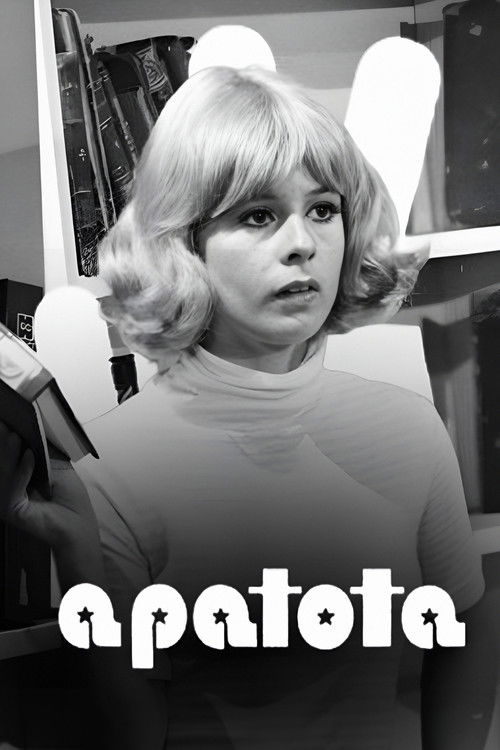
A Patota
Series
A Patota
Children across class lines share a village and a dream, reflecting the communal texture of life in Ibarra's San Diego.
Games like Noli Me Tangere

![Fate/Stay Night [Realta Nua]](https://media.rawg.io/media/games/b93/b9308c73bd136143479b25fe1ff7eb8b.jpg)
More books like Noli Me Tangere
 Book
A Duterte reader
Book
A Duterte reader
A portrait of power under a volatile administration probes how politics reaches into everyday Filipino life and memory.
 Book
Tree
Book
Tree
A family saga traces Philippine history from revolution against Spain forward, the same colonial rupture *Noli Me Tangere* opens.
 Book
Musashi
Book
Musashi
A young man emerges from civil strife seeking purpose, shaped by an era of conflict much as Ibarra is by colonialism.
 Book
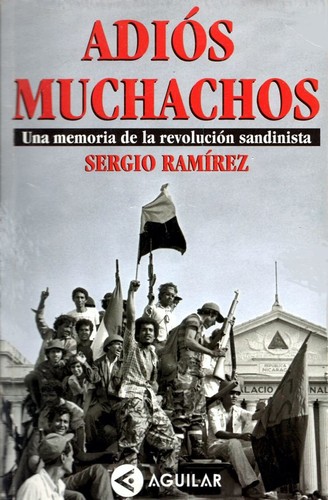
Adiós muchachos
Book
Adiós muchachos
A revolutionary reflects on hope and institutional defeat, the same arc from idealism to reckoning that drives *Noli Me Tangere*.
 Book
Fish!
Book
Fish!
Workers in marginal roles seek renewal within systems that overlook them, a quieter echo of the novel's underclass protagonists.
 Book
A history of the excluded
Book
A history of the excluded
Ordinary rural lives told in personal voices trace resistance and accommodation to outside forces across a long century.
Frequently asked
What should I read after Noli Me Tangere?
Tree continues the Philippine colonial story through a multigenerational family saga, while A Duterte Reader brings the question of power and ordinary Filipino lives into the modern era — both extend the novel's central preoccupations.
What films are like Noli Me Tangere?
Amigo is the closest in setting and politics — a Filipino village caught between occupying soldiers and local resistance. Biglang Yaman and Hibla share the novel's concern with class, inheritance, and how social standing shapes intimate life.
Why does Noli Me Tangere still resonate with readers today?
It uses a love story and a family's grief to make colonial injustice feel personal rather than abstract, and its gallery of characters — each embodying a different way Filipinos navigated oppression — gives readers many points of recognition.