 CrossBinge
Book: Debt →
CrossBinge
Book: Debt →
More like Debt
Cross-media recommendations across film, TV, games, books & music — picked by taste.
Debt shows that before money existed, there was debt — that for 5,000 years human societies have been divided between debtors and creditors, and that words like "guilt," "sin," and "redemption" grew directly out of ancient obligations between people. If this book spoke to you, you're drawn to works that expose the moral and social weight hidden inside financial exchange — films, TV series, and books where money reveals something darker about power, family, and human nature.
About Debt
Debt: The First 5,000 Years is a book by anthropologist David Graeber published in 2011. It explores the historical relationship of debt with social institutions such as barter, marriage, friendship, slavery, law, religion, war and government. It draws on the history and anthropology of a number of civilizations, large and small, from the first known records of debt from Sumer in 3500 BCE until the present. Reception of the book was mixed, with praise for Graeber's sweeping scope from earliest recorded history to the present; others criticized Debt for its inaccuracies.
From the Wikipedia article Debt:_The_First_5,000_Years, available under CC BY-SA.
Films like Debt
 Film
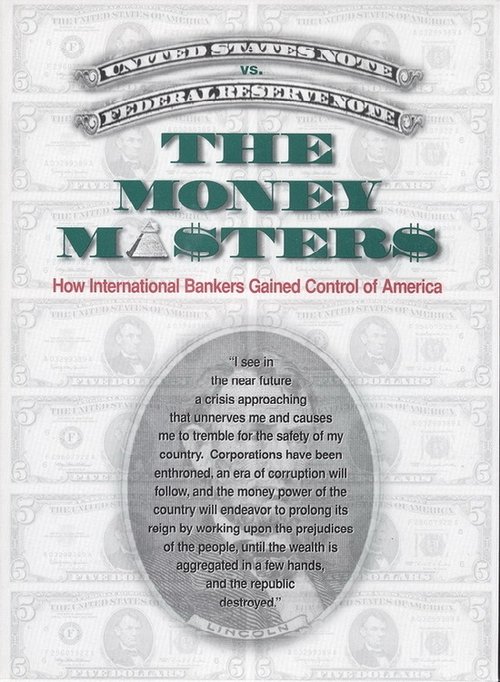
The Money Masters
Film
The Money Masters
Traces how hidden financial manipulation has driven political power structures across modern history.
 Film
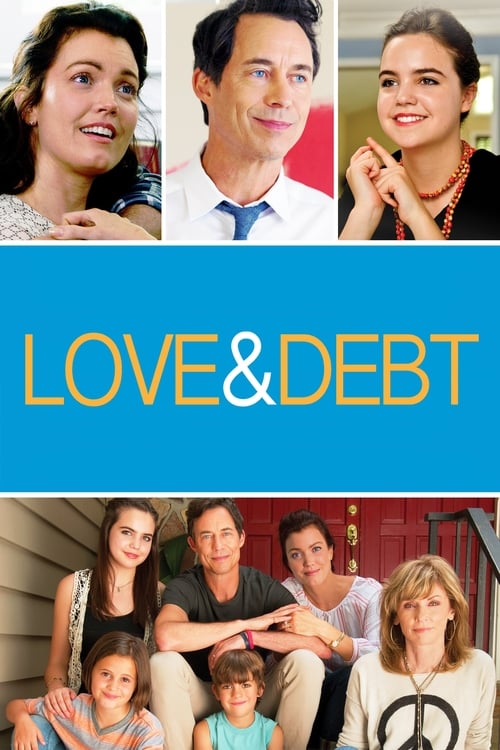
Love & Debt
Film
Love & Debt
Debt as a domestic force — straining marriage and family while forcing hard truths about what really matters.
 Film
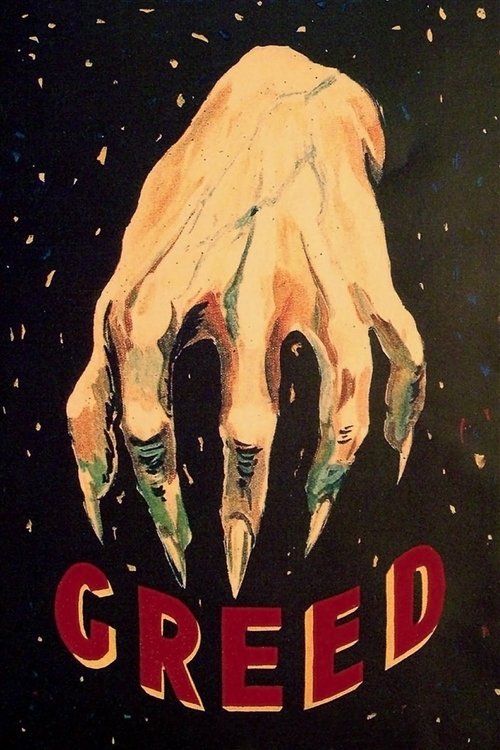
Greed
Film
Greed
A lottery windfall corrodes a marriage, showing how money and paranoia slowly unmake people.
 Film
We're Broke, My Lord!
Film
We're Broke, My Lord!
Inherited lordship means inherited debt — a comic reckoning with obligation passed down through class and family.
 Film
Love You To Debt
Film
Love You To Debt
A debt collector's profession puts him in daily conflict, making obligation a source of violence.
Series like Debt
 Series
Temptation
Series
Temptation
A man receives billions of won to clear a debt, then gives himself to the woman — money as coercive transaction.
 Series
The Greed of Man
Series
The Greed of Man
A stock market crash told in reverse chronology exposes the greed and volatility underlying financial systems.
 Series
Golden Cross
Series
Golden Cross
Rising inequality and falling wages ask whether entry into the elite is worth the cost to others.
More books like Debt
 Book
A history of interest rates
Book
A history of interest rates
Four millennia of interest rates and lending reveal debt's unbroken grip on economic life.
 Book
Money, possessions, and eternity
Book
Money, possessions, and eternity
Examines what scripture actually says about money and material possessions — obligation through a moral lens.
 Book
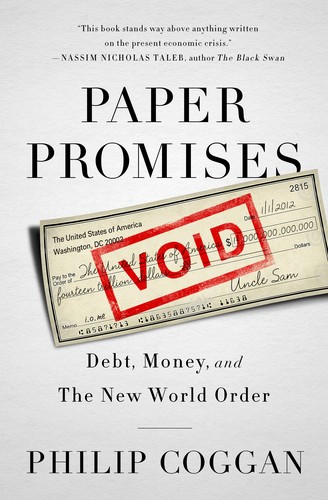
Paper promises
Book
Paper promises
An economic columnist charts cycles of monetary boom and bust driven by mountains of unrepayable debt.
 Book
Sistem moneter dan perbankan di Indonesia
Book
Sistem moneter dan perbankan di Indonesia
A focused account of monetary policy and the banking system within a single national context.
 Book
Money
Book
Money
Travels history and geography to reconstruct money as a human invention layered with meaning over centuries.
 Book
The Secret Language of Money
Book
The Secret Language of Money
Argues that debt persists because money is about emotion and identity, not arithmetic.
Frequently asked
What should I read after Debt?
For more on the long history of credit and interest, A History of Interest Rates covers four millennia of lending. Paper Promises brings the argument into the present with a focus on unrepayable sovereign and personal debt and its consequences.
What films explore themes similar to Debt?
The Money Masters examines how financial power has been accumulated and wielded through history, which maps closely onto Debt's core argument. Greed dramatises the same moral terrain through a story of wealth corroding human relationships.
Why does Debt resonate with so many readers beyond economics?
Because it reframes debt as a moral and social relationship rather than a financial one — showing that words like guilt and sin literally grew out of obligations between people. It makes the abstract feel ancient and personal at once.