Chloe Needed a Producer Who Wouldn't Flinch. She Found One.
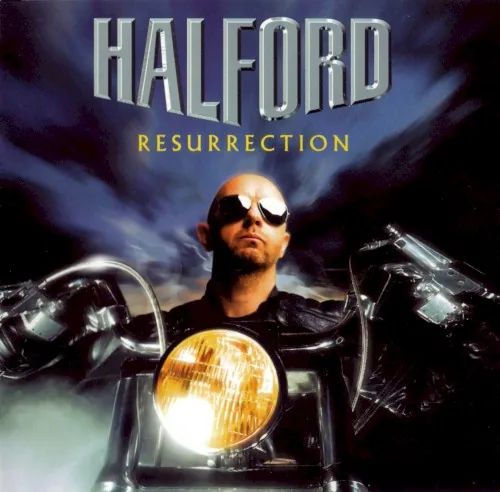
The timing of Resurrection tells you almost everything. Chloe Bailey dropped a collaborative R&B mixtape with Timbaland on June 19, 2026, the same period she is circulating the thriller Strung as a serious acting proposition. Both moves say the same thing: she is done waiting to be taken at face value.
The record is 13 tracks, entirely produced by Timbaland (with co-production credits to the Mosley Brothers, kidsmvrt, and Lokey), recorded in a tight three-month window from December 2025 through February 2026 on Parkwood Entertainment and Columbia Records. Critics have received it as a mainstream R&B reset, which is fair as far as it goes, but that framing flattens the more interesting argument the album actually makes. Chloe has always had the voice. What she has struggled to find is a sonic identity that does not fold under scrutiny. What Timbaland gives her is not a personality transplant but an architectural frame: his productions have a specific texture (asymmetric drum patterns, sub-bass pressure, silence used as structure rather than filler) that forces a singer to commit to the pocket or get buried. Chloe commits.
The legitimate concern is whether a fully Timbaland-produced project frees her or just stamps her with borrowed prestige. There is a version of this that reads as career cosplay: associate yourself with the man who made Aaliyah and Missy Elliott, and you inherit some of that authority by proximity. But that argument misreads Timbaland. His catalog is defined by the specific qualities he draws out of his collaborators, the way he sharpened Justin Timberlake's precision or Nelly Furtado's looseness. The bet Chloe is making is that submitting to a tightly controlled environment will reveal what she actually sounds like under pressure, rather than what a committee of trend-chasing co-writers decided she should sound like this quarter. That is a gamble with artistic logic behind it.
The honest verdict is that Resurrection is the most coherent thing Chloe has put her name on, and the coherence comes precisely from handing the production reins entirely to someone who does not negotiate on aesthetics. Whether she can build something equally focused without Timbaland in the room is the question that will actually define her catalog. This record answers the short-term problem cleanly. The long-term one is still open.