Taylor Swift Made Pixar History. The Song Helped, But the Machine Did Most of the Work.
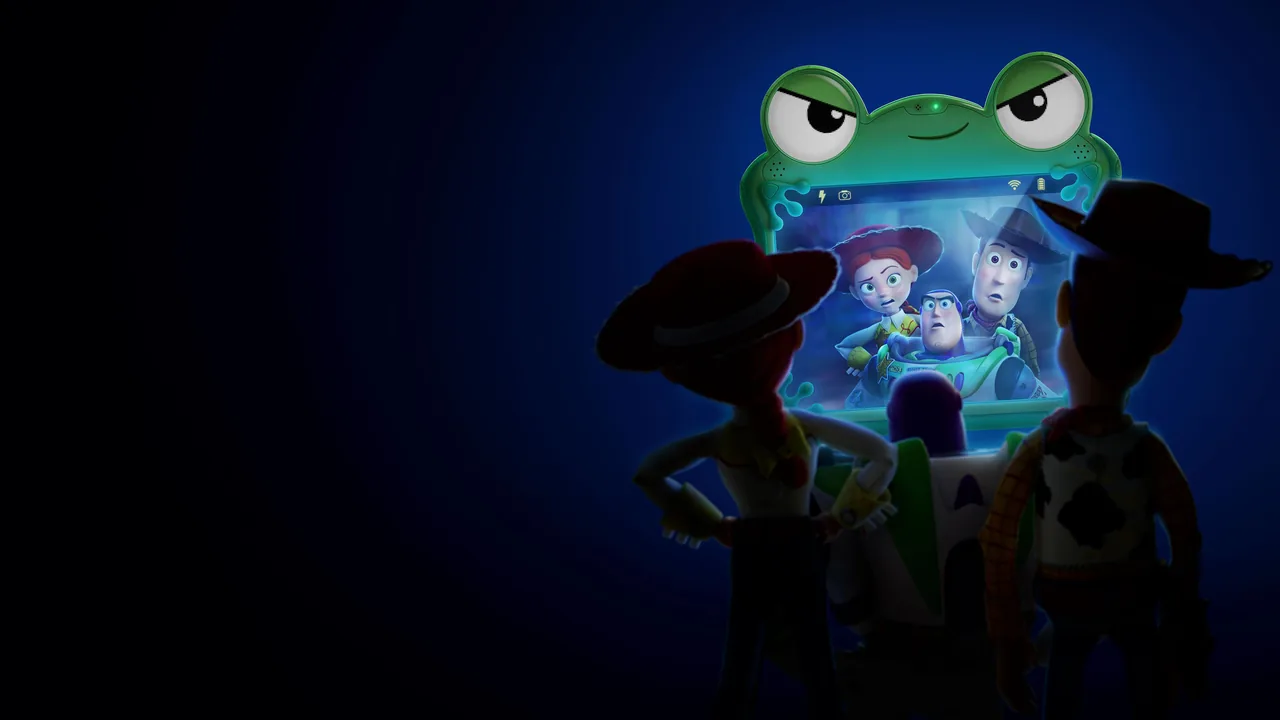
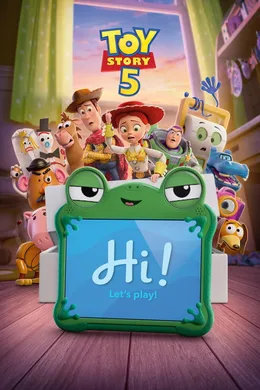
When Taylor Swift attended an early screening of Toy Story 5 and came away wanting to write a song for Jessie, the result was I Knew It, I Knew You, an upbeat country-pop ballad produced with Jack Antonoff and released June 5 via Walt Disney Records. On the Billboard Hot 100 dated June 20, 2026, it landed at No. 1, displacing Ariana Grande's Hate That I Made You Love Me. It is Swift's 15th career Hot 100 No. 1, more than any other artist in the 21st century, and the first No. 1 ever to originate from a Pixar film. That is a genuine record. It is also, on closer inspection, a record that tells you almost as much about market gravity as it does about the song.
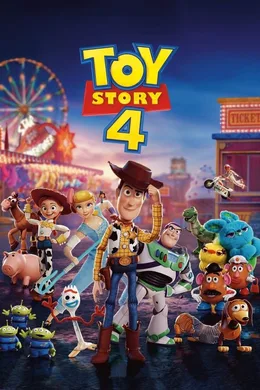
Pixar has produced songs before. Randy Newman wrote for three Toy Story films, including the Academy Award winner We Belong Together from Toy Story 4. None came close to Hot 100 dominance. The difference now is not that Pixar finally got its soundtrack formula right. The difference is that Toy Story 5 opened to the highest-grossing domestic weekend of the year (covered in this issue's lead), and the song attached to that opening was written by the artist who has spent the better part of three years reshaping how the music industry measures a hit. Swift's fanbase treats new releases as coordinated events. Streaming, purchases, and radio adds converge in the same chart window. The song benefits from the film's visibility; the film benefits from the song's chart run; both benefit from the fact that Jessie has been a fan favorite since 1999. This is not cynicism. It is a description of how a vertically reinforced cultural moment actually works.
The more interesting question is whether any of this would have happened without the song being genuinely good. The short answer is probably not, but "genuinely good" is doing less work than the headline implies. I Knew It, I Knew You is a clean, well-constructed piece of writing: the Antonoff production is light where it needs to be, the lyric is specific enough to feel personal and vague enough to project onto a cowgirl doll, and the country-pop register is exactly right for a credit sequence aimed at adults who grew up with the franchise. It earns its placement. But the Pixar-first record belongs to it partly by default, because the studio's previous films simply did not have this commercial apparatus behind their music. What Swift and Antonoff made is a good song attached to a perfect storm. The film and the artist needed each other to get here, and pretending otherwise would miss the actual story.