Sam Worthington Anchors Netflix's Latest Coben Thriller, and It's Exactly What You Expect

Netflix dropped all eight episodes of I Will Find You on June 18, adapted from Harlan Coben's 2023 novel by showrunner Robert Hull. Sam Worthington plays David Burroughs, a man serving time for his young son's murder who begins to suspect the boy is actually alive. Britt Lower and Milo Ventimiglia round out the cast. The machine turns over again.
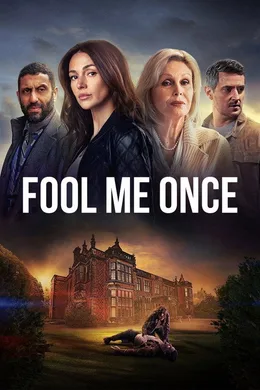
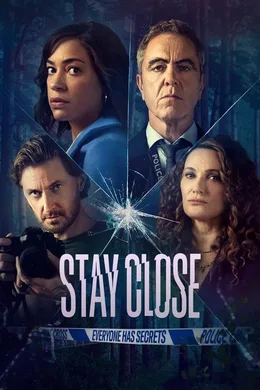
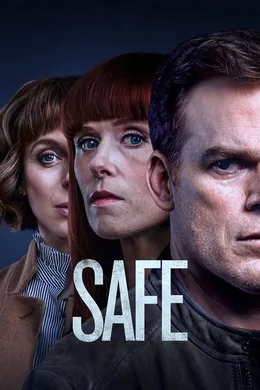
Let us be honest about what this is. Since Safe in 2018, Netflix has been running Coben's suburban-paranoia novels through the same production template: a respectable lead actor, a pretty setting, a mystery that hinges on a single devastating withheld fact, and a finale that resolves everything while inviting a second season nobody asked for. The Stranger, Fool Me Once, Stay Close; they land, they trend, they evaporate. I Will Find You is the next item in the sequence.



The premise here is Coben at his most emotionally raw. A father imprisoned for killing his own child. Then the suggestion the child is alive, somewhere. That is a genuinely brutal hook, and Worthington, an actor who has spent years being adequate in films that needed someone electrifying, turns out to be well-matched to the material. He plays emptiness well, and David Burroughs is a man emptied out by grief and incarceration. Lower and Ventimiglia do what supporting players in these shows always do: hold secrets and look pained about it until the plot requires them not to. Robert Hull's adaptation follows the novel closely enough that readers will find few surprises.
The Coben-Netflix formula has a cost, and it is starting to show. When every series follows the same structural logic, the same tonal register, the same pacing contract with the viewer, individual entries stop being television and become product variants. You do not remember Stay Close so much as you remember watching something like it. I Will Find You will produce the same effect. In six months you will remember that you watched it, and the core twist, and you will not be able to say with confidence what distinguished it from the others. That is not nothing: the father-and-son grief at the center earns its weight, fitfully. But the formula smooths away the rougher edges that make pain interesting. Worth eight episodes if the premise grabs you. Worth skipping if you have already watched three of these and found them interchangeable.