Sony didn't kill the disc. It killed the last pretense that you own your games
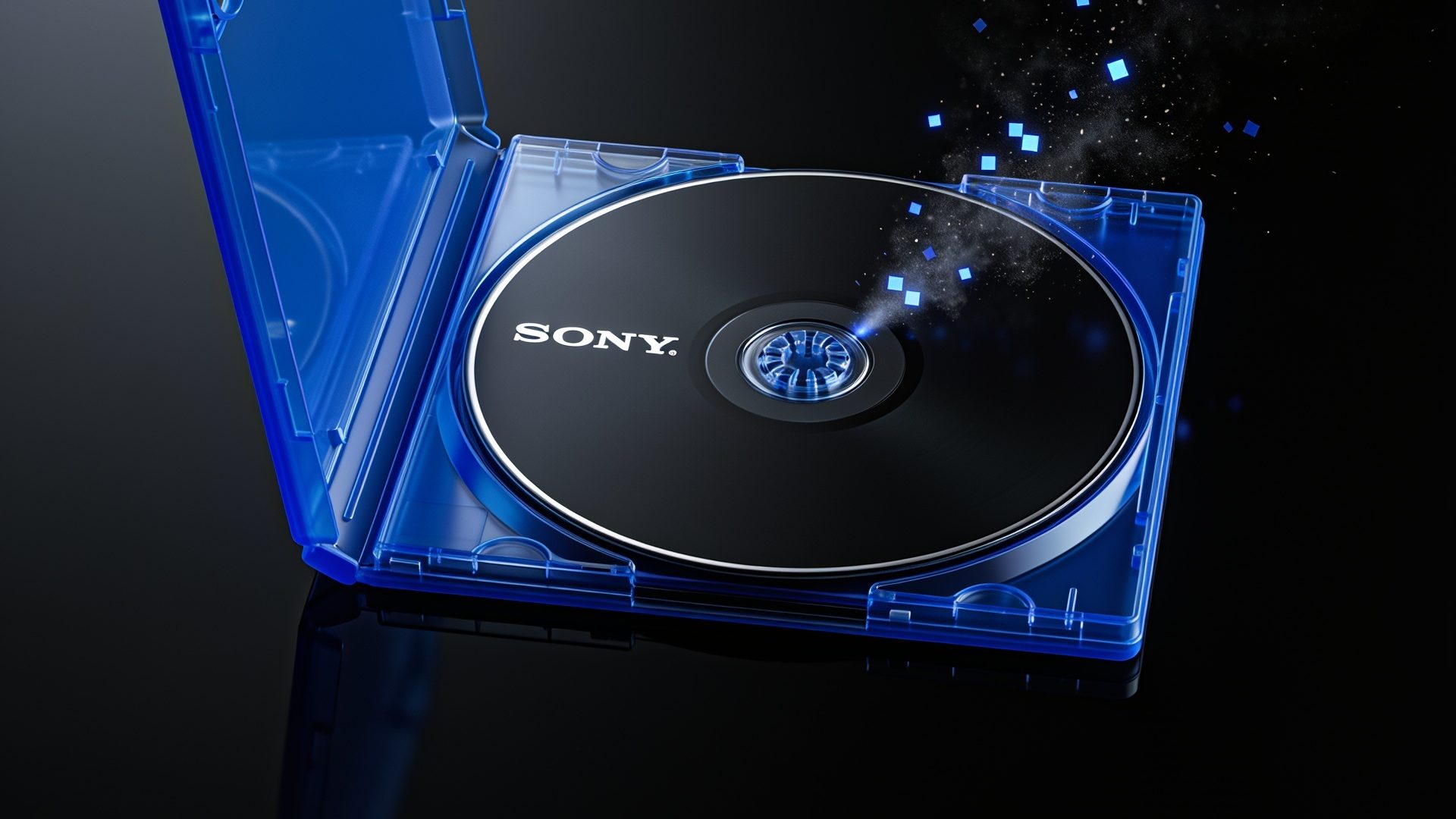
The announcement arrived with the bloodless calm of an earnings slide. On July 1, Sony confirmed on the PlayStation Blog that it will stop manufacturing physical discs for new PlayStation games from January 2028. The reasoning is arithmetic: 85 percent of PlayStation game sales are already digital, so the disc, in Sony's telling, is a legacy cost with a sentimental fanbase. What followed was anything but calm. Within hours the company's channels were flooded with variations on "end of my loyalty," and Sony responded the way institutions respond when they have no good answer. It went quiet, staying off social media for more than 24 hours while the comments piled up.
Retail was less inclined to sulk in silence. Video game retailers, whose shelves Sony has just scheduled for demolition, told TechRadar they are "not going to sit idly by." What resisting actually looks like is less clear. Retailers can lobby, discount, and make noise, but they cannot press discs Sony refuses to manufacture.
Honesty requires conceding the other side its strongest card, and it holds two. First, that 85 percent figure is real: most players voted for digital years ago, one download at a time. Second, the disc in a modern PlayStation case is often less a game than a key. The real thing gets downloaded, patched, and endlessly revised; a Cyberpunk 2077 disc pressed at launch bears little resemblance to the game people actually play in 2026. If your definition of physical media requires the bits on the platter to be the finished game, that battle was lost a long time ago.
But this fight was never about plastic. It is about what happens when the key goes away too. A shelf holding The Last of Us Part II and God of War Ragnarök is a small private archive: it works without asking anyone's permission, it can be lent, resold, inherited, and played decades from now on surviving hardware. Every game Sony ships after January 2028 will exist only as a license, playable exactly as long as an entitlement server keeps answering.
That is the part Sony's blog post glides past. Storefronts close. Catalogs get delisted. Licenses lapse and games simply vanish from the record, with nothing left for the people who paid for them and nothing left for history. None of that required malice, just indifference, and indifference is the default state of a corporation managing a back catalog that no longer makes money.
The 15 percent still buying discs were never a rounding error. They were the archive, the resale market, the collectors, and the only preservation system gaming has ever had that did not depend on a corporation's continued interest. Sony owes them more than a manufacturing schedule. It owes them an answer to a simple question: when the servers eventually go dark, what exactly did we buy?