The Odyssey Dislike Campaign Is a Verdict on Nothing
The final trailer for Christopher Nolan's The Odyssey landed this week and immediately started drowning. Between June 30 and July 1 it collected 106,000 dislikes on YouTube, roughly 75 percent of all reactions, two weeks ahead of the film's July 17 release. The campaign is not shy about its targets: Zendaya as Athena, Lupita Nyong'o as Helen, Elliot Page as Sinon. Elon Musk gave it a signal boost. Universal, so far, has said nothing.
Here is what everyone piling onto that trailer has in common: none of them have seen the movie. Universal skipped influencer screenings, so nobody outside the building has. The dislikes are a verdict on a cast list, not a film. That is the emptiest form of culture war available, outrage with no object, a thumbs-down aimed at three actors for existing in roles some people decided belonged to someone else.

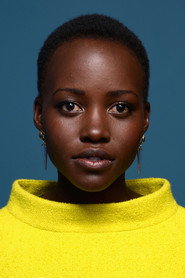
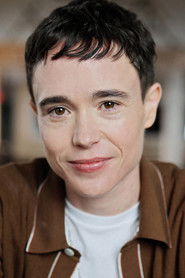
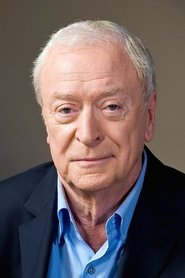
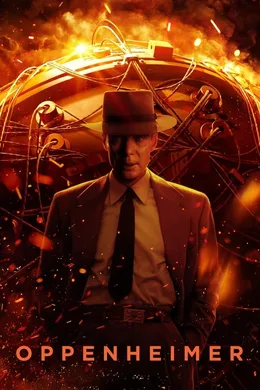
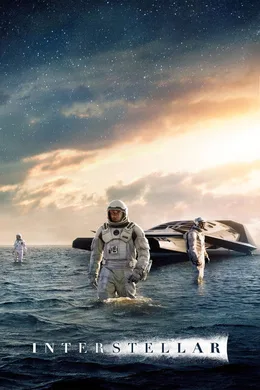
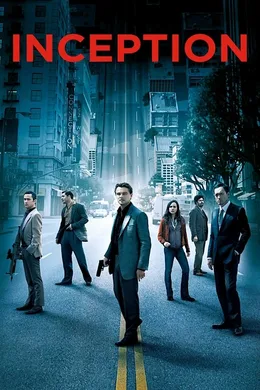
The shame of it is that this is precisely the movie theaters keep saying they want. A $250 million epic from the director of Oppenheimer, Interstellar and Inception, built for the biggest screen available and fronted by real movie stars. Exhibitors beg for exactly this swing every quarter. Tracking currently sits at a soft $80 to $100 million opening, and if the noise drags that number lower, the lesson studios take away will not be about casting. It will be about never greenlighting a film like this again. The people ratioing a trailer are, in effect, voting for a future of nothing but sequels, and they have not paused long enough to notice.
Meanwhile, in the strangest footnote of the week, Michael Caine licensed an AI clone of his voice to narrate a 13-hour audiobook of The Odyssey. So the summer of 2026 finds Homer at the center of both a culture war and the synthetic-voice debate at the same time. Twenty-eight centuries in, the man still opens big. It would be nice if the argument about his greatest hit could wait until someone has actually watched it.