The Dead Are Working Again
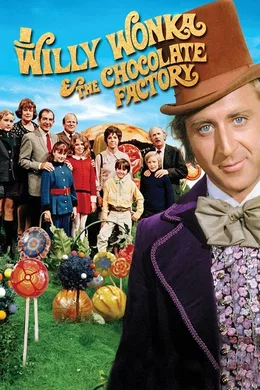
Gene Wilder started narrating a Netflix show this week. He has been dead since 2016. The Golden Ticket, a Wonka-themed competition series, uses an ElevenLabs recreation of the voice fans know from Willy Wonka & the Chocolate Factory. His estate approved it, and the backlash arrived within hours anyway: he never gave permission, fans said, and no signature from an estate changes that. The same week, Michael Caine, alive and very much consenting, licensed a clone of his voice to narrate a 13-hour audiobook of The Odyssey. TIDAL announced it will label fully AI-generated music and cut it off from royalties entirely, starting July 15. And the backlash is still building over a film that stars Val Kilmer, who died in April 2025.
Every medium hit the same wall in the same seven days: television, audiobooks, music, film. And in every case the argument sorted into the same two camps. Not AI versus no AI. That fight is over; the tools are here. The real dividing line is consent versus no consent, and the strange thing about this week is that consent kept losing anyway.
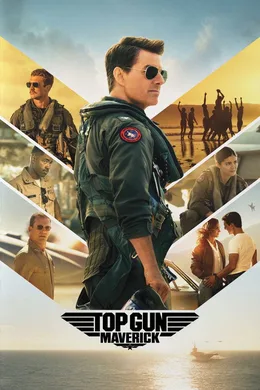
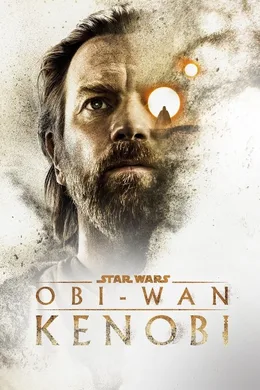
Take the consent side seriously, because it has earned it. Val Kilmer himself pioneered the honest version of this technology. Throat cancer treatment took his voice, and he partnered with a company called Sonantic to rebuild it. When Iceman speaks in Top Gun: Maverick, that line is AI-generated with Kilmer's full participation, and it lands as one of the most moving moments in the film. James Earl Jones, at 91, signed the voice of Darth Vader over to Respeecher so Obi-Wan Kenobi could carry it, letting him retire the role before his death in 2024. Caine frames his ElevenLabs deal in exactly those terms: consent and compensation. These are not victims. These are artists making decisions about their own instruments.
Nor is the impulse new. Hollywood has been finishing the performances of the dead for thirty years, usually with the family's blessing and often to real acclaim.
Thirty years of posthumous performances
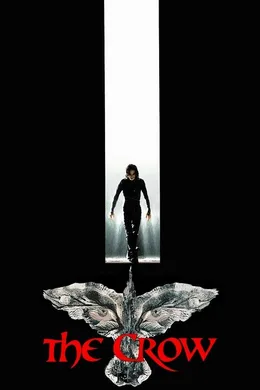
- The Crow (1994): Brandon Lee's final role completed with doubles and early digital compositing
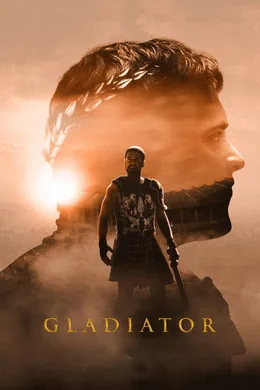
- Gladiator (2000): Oliver Reed's face mapped in with CGI after his death mid-shoot
- Furious 7 (2015): Paul Walker finished across roughly 350 shots using his brothers and Weta face replacement
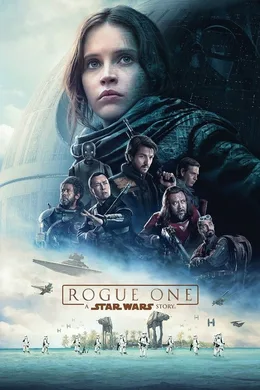
- Rogue One (2016): Peter Cushing digitally recreated as Grand Moff Tarkin
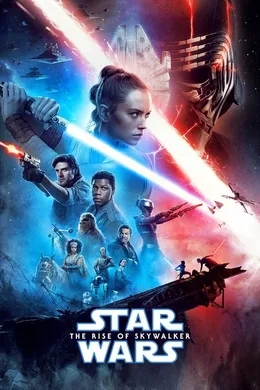
- Star Wars: The Rise of Skywalker (2019): Carrie Fisher's Leia assembled from unused footage
- Alien: Romulus (2024): Ian Holm returned as the android Rook with estate permission; director Fede Alvarez revised the CGI for the home release after criticism
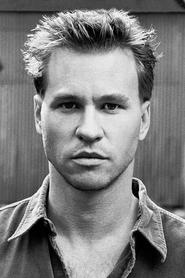

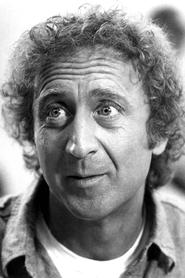
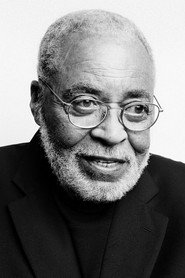
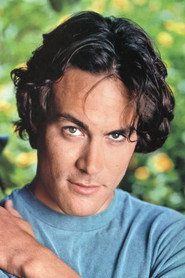
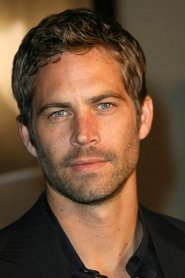
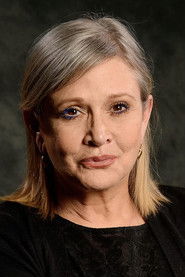
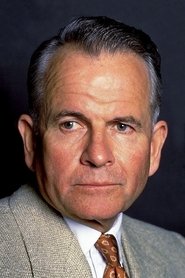
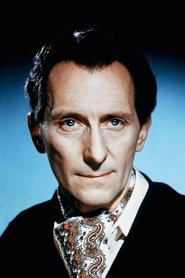
But every entry on that list completed something. An actor died mid-story and the story got finished. As Deep as the Grave is different in kind. Val Kilmer is being AI-resurrected to originate a lead role, Father Fintan, in a film he never knew existed. His daughter Mercedes approved it. The production follows SAG guidelines. There is no release date yet, but the CinemaCon trailer was enough. Actor Jackson Rathbone called it "truly the MOST disgusting thing I've ever seen." Critics reached for the phrase "grotesque digital necromancy." Every box on the consent checklist is ticked, and the room still recoiled.
The rules are arriving faster than the norms. SAG-AFTRA members ratified their 2026 contract on June 4 (91.42 percent yes, on 19.25 percent turnout), and it has teeth: a synthetic performer must offer "significant additional value" over a live actor, and violations go to arbitration with damages. What it does not have is the so-called Tilly tax, a fund payment owed when studios deploy synthetic characters like Tilly Norwood. And at the other end of the consent spectrum, Hasbro's Peppa Pig contracts allegedly ask child voice actors to sign away their voices for AI use. An open letter with more than a thousand signatories makes the obvious point: a child cannot consent to indefinite cloning. Consent as a legal framework has a ceiling and a floor, and both are cracking.
Here is where this magazine lands, and it is not comfortable. Consent is necessary. It is the only defensible line, and Kilmer's Sonantic work and Jones's Respeecher deal prove it can be drawn with grace. But consent turns out not to be sufficient, because it solves the legal problem and not the human one. Wilder's estate said yes, and fans said he never did, and both are right, because an estate can sign for a voice but not for the man. Caine is alive, paid, and enthusiastic, and human narrators are still warning that his deal points toward ecosystem collapse. What these products sell is not audio. It is the feeling of a person. And feelings cannot be licensed.
So watch the labels. TIDAL will stamp fully AI-generated music and starve it of royalties from July 15. Spotify has its Verified badge. Those are the first two stickers in what becomes, within a few years, an organic-food aisle for culture: made by humans, certified, priced accordingly. The estates will keep licensing. The audiences will keep flinching. The market will do what markets do, which is split. The dead are working again. The living get a label.