The Correct Way Into Project Hail Mary Is the Movie First
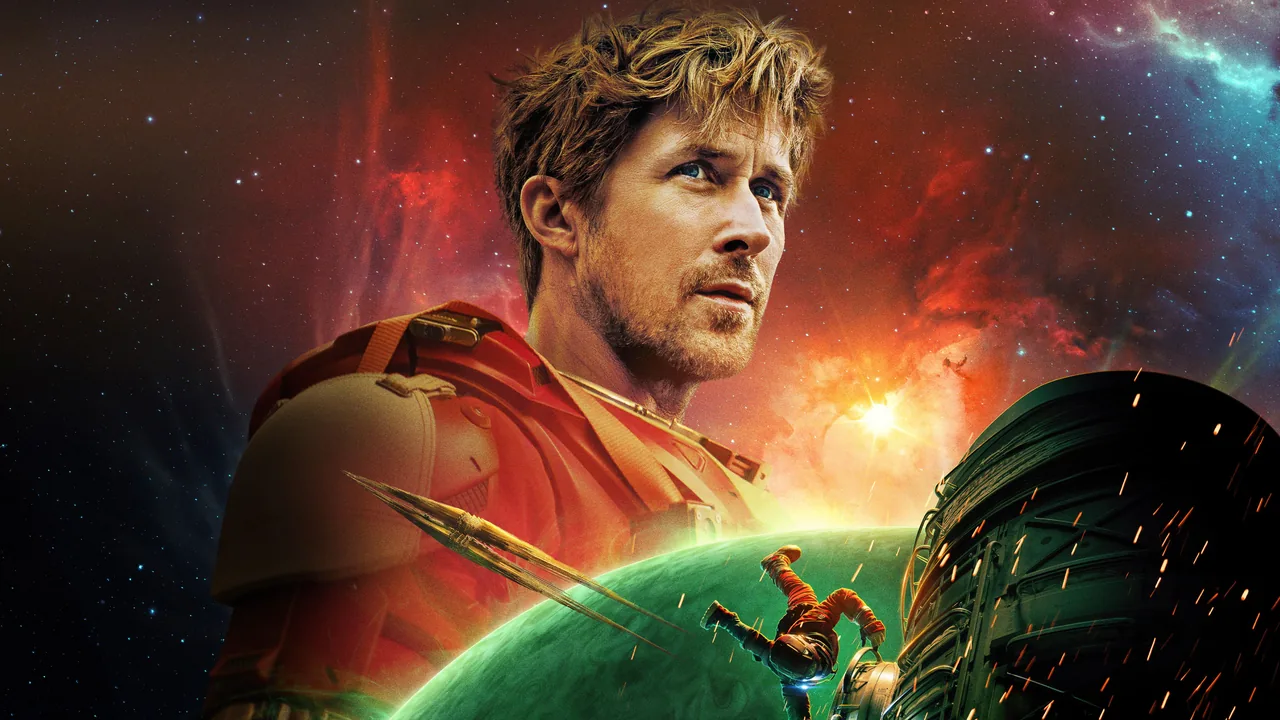
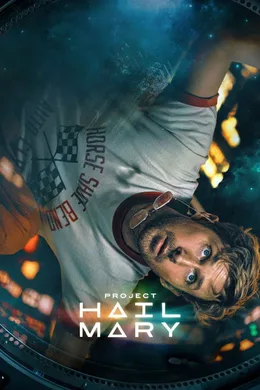
Since July 3, Project Hail Mary has been sitting on Prime Video, included with the subscription you already pay for. Meanwhile the Andy Weir novel it adapts is deep into its second life: 47 weeks on the New York Times bestseller list as of May, the top of Goodreads' most-read science fiction list for 2026, more than 10 million copies sold. That makes this the rare story with two doors standing wide open at the same time. You can walk in through the 2021 book or the 2026 film, and the order you choose genuinely changes what you get. We have a stance, and it is the one book people hate: watch the movie first.
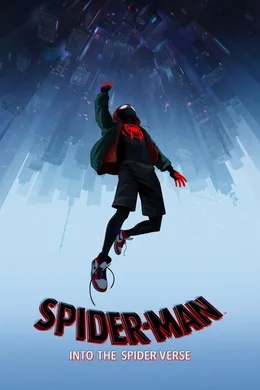
First, the film itself has earned the argument. Phil Lord and Christopher Miller, the pair behind Spider-Man: Into the Spider-Verse, directed a script by Drew Goddard, and the result opened on March 20 to $80.6 million domestic, the biggest opening weekend ever for a non-franchise PG-13 movie. It finished at $684 million worldwide with a 95% on Rotten Tomatoes and an A CinemaScore, which is the trifecta of a crowd-pleaser that critics also liked. Ryan Gosling plays Ryland Grace, a junior high science teacher who wakes up alone on a spaceship far from Earth with no memory of who he is or why he is there, on what turns out to be a last-chance mission to save the planet. Sandra Hüller plays Stratt, the woman who put him on that ship. And, as every trailer happily showed, he does not stay alone out there: the story becomes a first-contact partnership, and it is the warmest thing in the movie.




Why movie first is right for this one
The standard rule says read the book first, before the adaptation flattens your imagination. For this story the rule fails, and it fails on specifics. The novel's central pleasure is not its surprises. It is the deducing: Grace reasons his way from "what is my name" to how you build a shared language with something that did not evolve on Earth, one experiment at a time, in first person, showing his work. That is a how-book, and a how-book survives knowing the destination. You can know exactly where the story goes and the joy of watching Grace get there scene by scene loses almost nothing.
The film cannot make the same promise in reverse. A feature runtime means the novel's chains of deduction get compressed into beats and montage, as they must. If you arrive with the book in your head, you spend two hours taking inventory of what got trimmed, and the movie's real virtues (pace, wonder, Gosling's ability to sell awe to a camera) fight your memory the whole way. There is also a blunt practical point: the marketing already spent the book's biggest structural surprise to sell tickets. A truly clean first viewing of this story barely exists in 2026. So take the versions in the order that flatters both. Watch the film and let it land the way Lord and Miller built it, propulsive and funny and openhearted. Then read the novel as the expansion: every shortcut the movie takes gets its full derivation on the page, plus an interior voice no camera can photograph.
Weir readers have run this loop before: The Martian read beautifully after the film, for exactly the same reason. So here is the weekend plan. Stream Project Hail Mary Friday night. Start the book Saturday. By the last page you will have lived the same story twice, and neither version will have stolen a thing from the other.