See It Big or Wait Until You Can

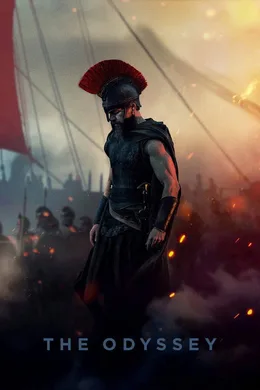
At 2 a.m. this Saturday, the biggest screen at AMC Lincoln Square in Manhattan will be full. So will the 2 a.m. after that, and most nights through at least August 7. The Odyssey opened Friday, and the version Christopher Nolan actually made, shot and projected on IMAX 70mm film, exists in exactly 41 theaters on Earth. Twenty-five of them are in the United States. Face-value tickets cost $33 and are being flipped online for hundreds. So the real question of the week is not whether to see The Odyssey. People clearly are (a $264 million global opening says so). The question is how, and whether the wait for the right room is worth it. We think it is, and we will argue it.
Start with why the fuss is rational. Nolan shot the entire film with IMAX film cameras, the first feature ever made that way, and in the right auditorium it plays at 1.43:1, a frame so tall it fills your vision like a window rather than a screen. Each print is roughly 17 kilometers of film weighing about 240 kilograms, threaded by a trained projectionist through a machine that has not been manufactured in about 50 years. That is the whole reason there are 41 rooms and no more: IMAX cannot simply build new film projectors, and its chief executive Richard Gelfond admits some houses are already sold out into the fifth week. What is on that film earns the hardware. Matt Damon plays a weathered, guileful Odysseus. Tom Holland is Telemachus, the son with something to prove. Anne Hathaway holds the story's still center as Penelope, and Zendaya plays Athena. Critics landed at 95 percent, audiences at 97, and opening-night crowds graded it an A on CinemaScore. It runs just shy of three hours, and remarkably few people seem to mind.








The counterargument is real, so let's state it fairly. Premium showings are scarce, marked up, and booked out for weeks. Most people do not live within a day's drive of a 1.43:1 screen, and scalpers asking hundreds for a $33 seat deserve nothing from you. The Odyssey is also not going anywhere: film prints will circulate for months, digital IMAX and standard 70mm runs are wide, and one day it will sit on a streaming shelf like everything else. Nobody is a lesser fan for watching it this weekend at the multiplex ten minutes away.
But if one of those 41 rooms is within reach, wait for it. Book the 2 a.m. show, book week five, take the seat you can get. A first viewing is the one thing in movie love you cannot revise, and seeing this one small with plans to "upgrade later" gets the order backwards: the rewatch is for detail, the first watch is for scale. If IMAX 70mm is genuinely out of reach, the ladder is simple. Standard 70mm or digital IMAX beats any other premium screen, any big screen beats a small one, and every one of those beats your living room by a distance you can measure in months of regret.
While you hold out
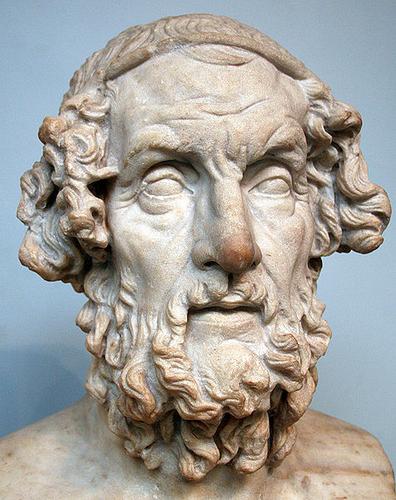
The wait is a gift, because the source material is a genuine page-turner. Homer's poem moves faster than most thrillers, and Emily Wilson's 2017 translation, the famous recent one, opens with "Tell me about a complicated man" and reads clean and quick in plain English verse. Reading it first will spoil Nolan's film about as much as knowing the Titanic sinks. There is also a whole shelf of screen Odysseys to warm up on. Uberto Pasolini's The Return put Ralph Fiennes' Odysseus back on Ithaca just two years ago, stripped of gods and monsters. The Coen brothers turned the poem into Depression-era bluegrass in O Brother, Where Art Thou?. Kirk Douglas got there first in 1954's Ulysses. Cold Mountain runs the same homecoming shape through the American Civil War, and Troy covers the Iliad side of the story, where all this trouble started.
Nolan has spent a decade building toward this scale, from Interstellar's wormhole to Dunkirk's ticking beaches to Oppenheimer's Trinity test. The Odyssey is where all of it was pointing, and it was composed for the tallest screen you can stand in front of. Meet it there, even if it takes you until August.