Did Silo Need the Before Times?
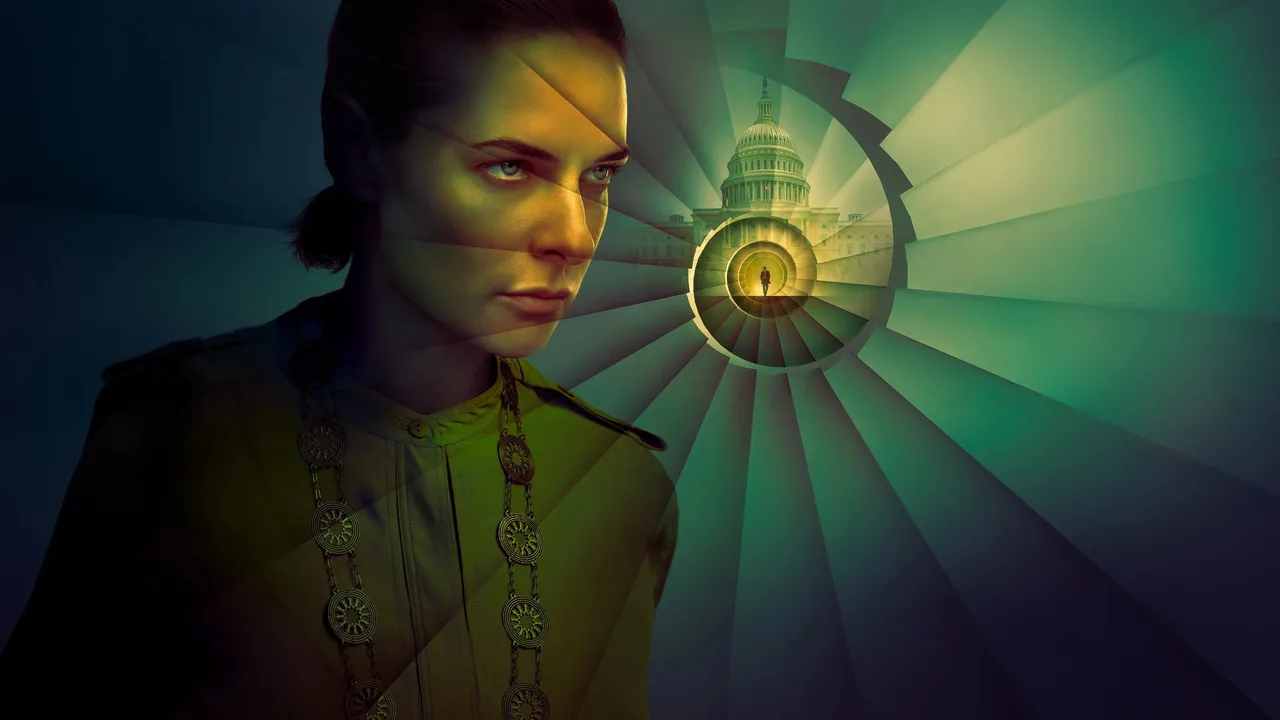
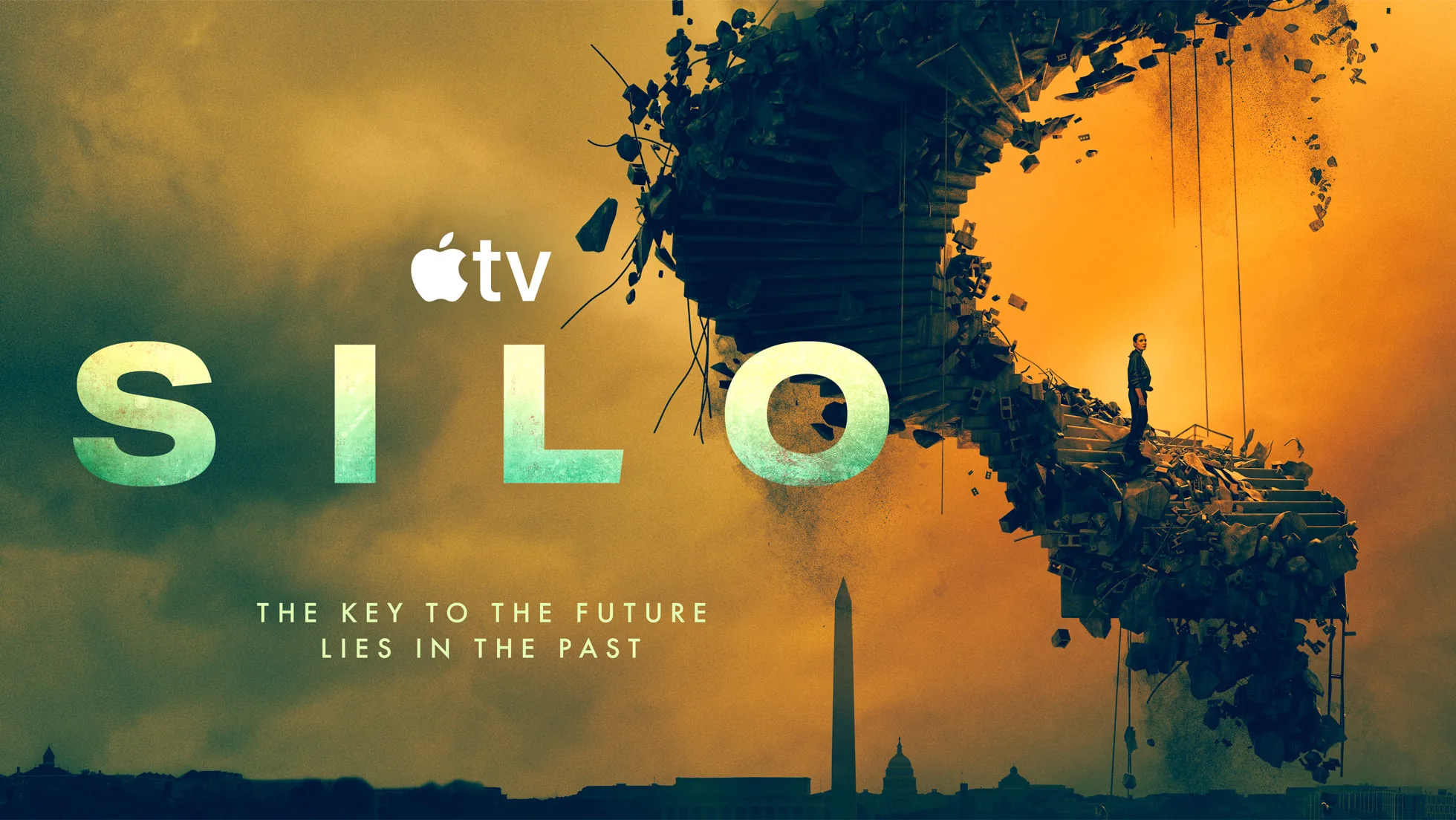
Did Silo need the Before Times? For the first stretch of season three, the split can feel like a confident thriller interrupting itself. Every departure from Juliette Nichols trades the pressure of one woman inside a failing system for people living centuries earlier, when the system was still being made. Heading into Friday's finale, that detour looks increasingly purposeful. It lets the series keep Juliette at its center while turning the origin mystery into a story about choices, not an answer sheet.
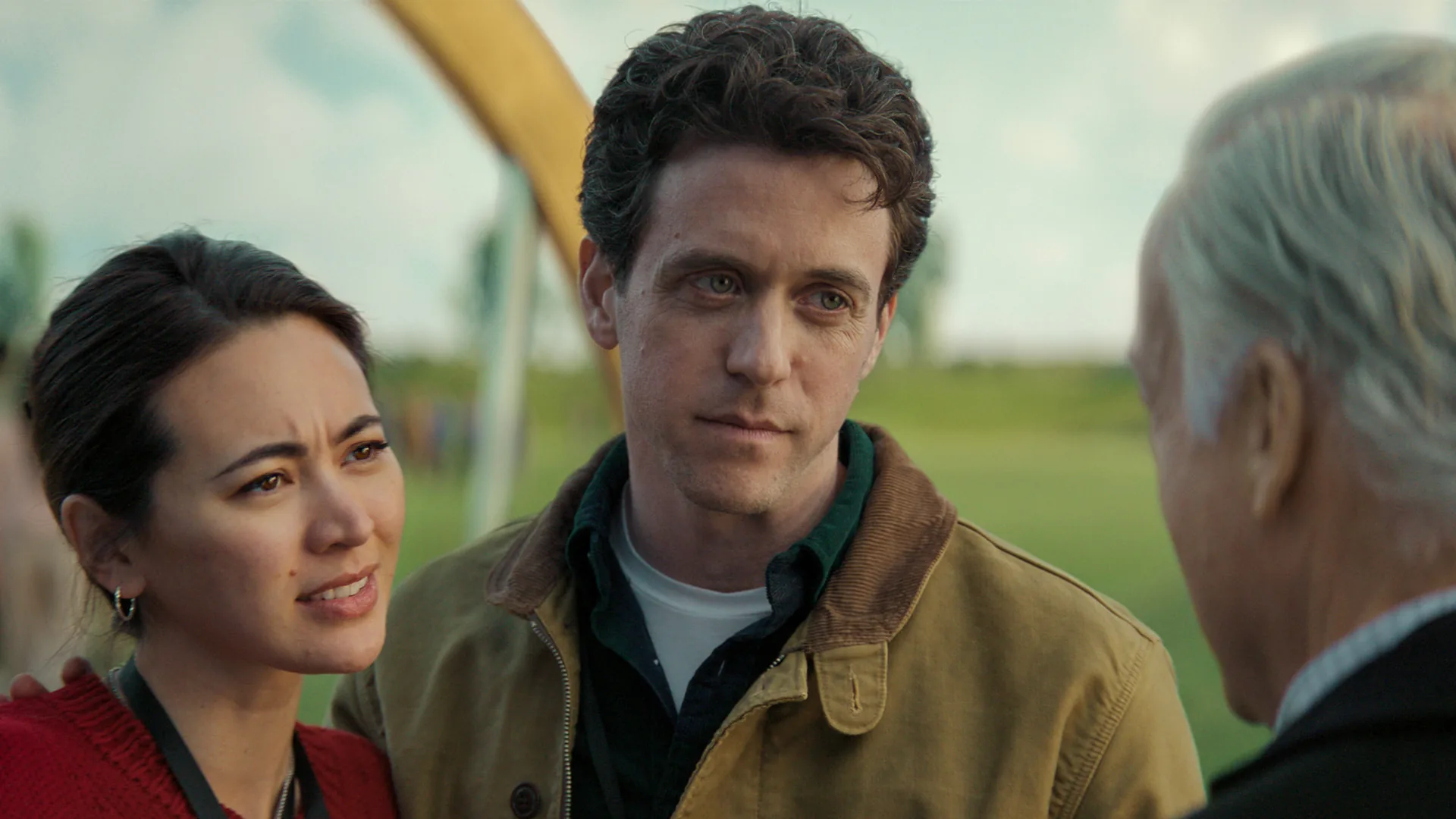
Spoilers here are light and cover only Apple's published premise and the season's broad structure. Apple describes the 10-episode season as two connected stories. In the present, Juliette's story continues after season two. In the Before Times, journalist Helen Drew and Congressman Daniel Keene uncover a conspiracy with catastrophic consequences. The finale arrives Friday, September 4. The useful question is whether those timelines finally feel like one argument.
The structural problem comes from the books. Silo began by drawing heavily from Wool, which makes Juliette the reader's route into an underground society built on controlled knowledge. Showrunner Graham Yost told Geektown that Juliette is absent from nearly all of Shift, appearing only at the end. A television drama fronted and executive produced by Rebecca Ferguson could not simply put its defining character away for a season. Yost's writers retained the novel's deep history, ran it beside Juliette's story, and used memory as the mechanism that limits what she can immediately expose.
That solution does more than preserve a star's screen time. Juliette remains the series' spine because both timelines are measured against her stubborn need to know. Helen and Daniel give the past faces, professions, loyalties, and consequences. Instead of asking only what happened before the silos, the show asks who recognized the danger, who believed they could contain it, and what private compromise became someone else's inherited reality.
One story, two centuries
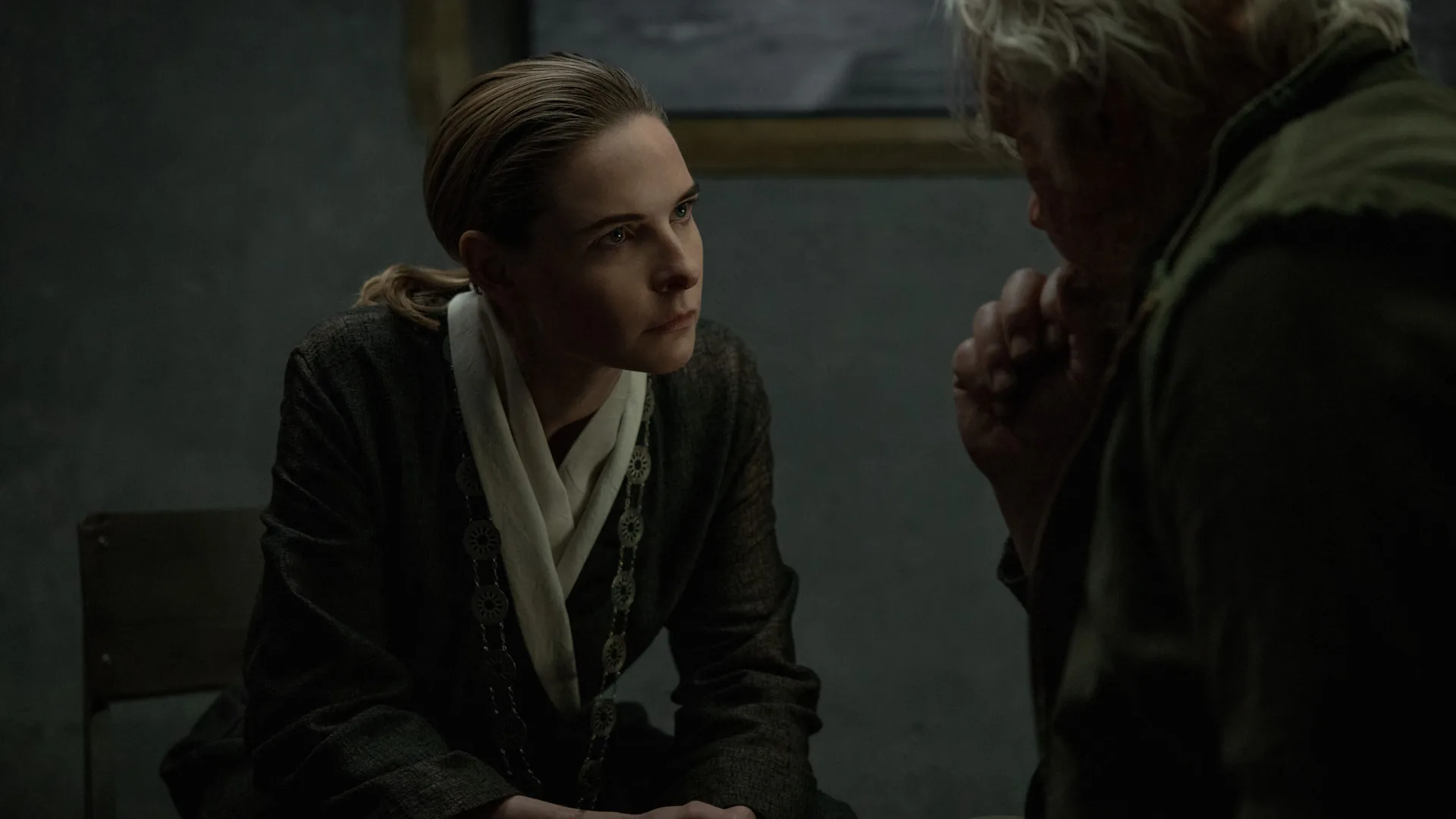
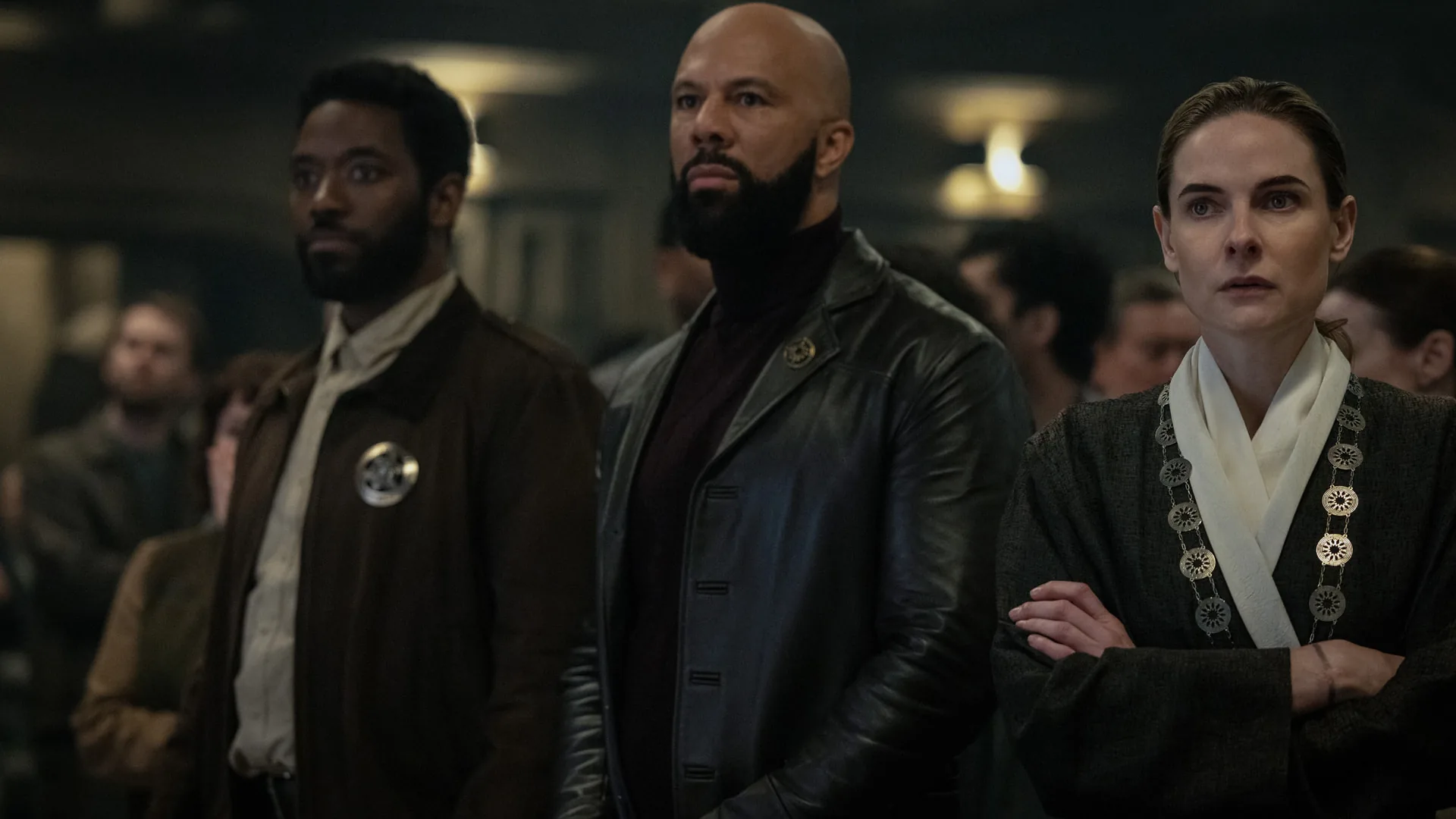
The cost is real. A cut away from Juliette can drain urgency precisely because Ferguson has made practical intelligence so watchable. The earlier timeline initially seems cleaner and more explanatory than the grimy present. Mystery shows also have a habit of mistaking information for drama. Season three avoids that trap when an answer changes how we read a person. It risks falling back into it whenever the past feels like a presentation designed to prepare season four.
Friday's finale should therefore be judged on connection, not volume. Yost says the episode contains information viewers do not yet have, and that another major reveal waits in the opening episode of the fourth and final season. He also says the team knew after season one that it would have four seasons, allowing the writers to plan where seasons two and three would end. That is a reason to expect architecture, not an excuse to demand every blueprint at once.
Before Friday, rewatch the season two finale, then the season three premiere and episode nine. That three-episode route refreshes the handoff into the Before Times, the rules of the split structure, and the position of both timelines without turning catch-up into homework. If you are reading Hugh Howey alongside the show, stop before using Shift as a checklist. The finale will work best if you watch for whose choice closes the distance between past and present.
So, did Silo need the Before Times? Yes, because a faithful copy of the source structure would have removed Juliette from the story that television viewers understand as hers. The split lets the adaptation keep its protagonist without shrinking its history. Now the finale has to prove those were never competing stories, only consequences separated by time.