Duncan Sheik Was Never a One-Hit Wonder
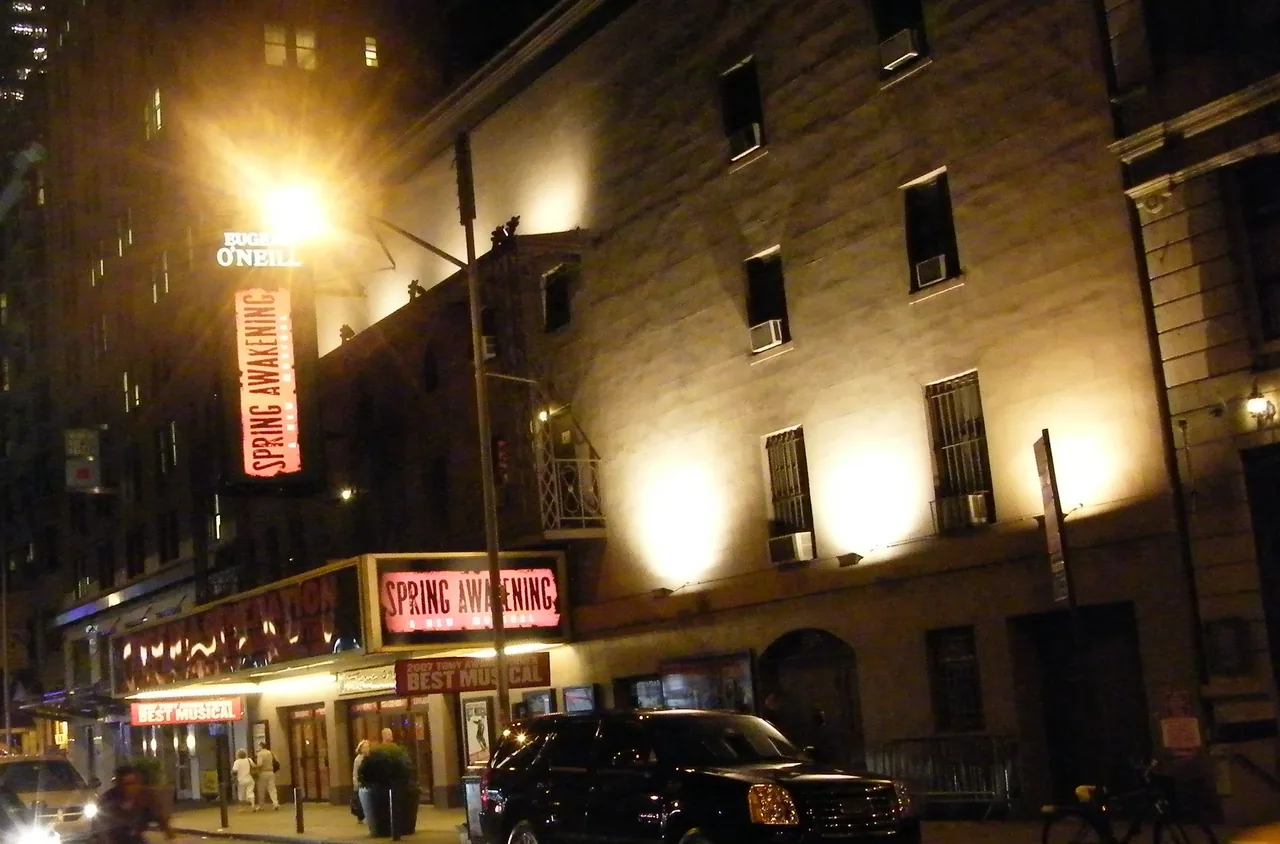
Last Thursday, September 17, Duncan Sheik died in New York City. He was 56. His mother, Suzanne Sheik, told The New York Times the cause was cardiac arrest; a day earlier his family had described him as being in "critical but stable condition." The statement on his Instagram put both halves of his career into one sentence, running "from his Grammy-nominated hit 'Barely Breathing' to his groundbreaking, Tony and Grammy Award-winning work on Spring Awakening."
Most tributes lead with the song. That reads his career backwards. "Barely Breathing" was a pop single that outstayed its welcome, by his own account. Spring Awakening, the rock musical he wrote with Steven Sater from Frank Wedekind's 1891 play Spring Awakening, is the work that changed what a Broadway score could sound like. If you are coming to him fresh, start with the cast recording, then go back to 1996 and hear where that sound came from.
The song that would not leave
"Barely Breathing" was the first single from his debut album, Duncan Sheik, in 1996. It peaked at number 16 on the Billboard Hot 100 and stayed on that chart for 55 consecutive weeks, and it earned him a Grammy nomination for best male pop vocal performance. NBC News noted it still sits at the top of his Spotify page.
He was candid about what that did to him. In 2020 he told HuffPost that he used to resent performing it because "it lived on the radio far longer than it should have," while the songs he hoped would follow it onto the radio "never got a chance to."
He kept making records anyway: nine studio albums in all, from Humming (1998), Phantom Moon (2001) and Daylight (2002) through White Limousine (2006), Whisper House (2009), Covers 80s (2011) and Legerdemain (2015) to Claptrap in 2022. A one-hit wonder does not get a second act that big, and Sheik's second act was not even on the radio.
A terrible idea that won eight Tonys
Sheik met Sater through Buddhism (he was a practicing Buddhist), and it was Sater who pitched the musical. Sheik's first reaction, as he recalled to freelance music journalist Daniel Van Auken in 2024: "It's a f-----g terrible idea. I don't want to write a musical!" They wrote it anyway.
Wedekind's play follows teenagers in late 19th-century Germany through their sexual awakening. It was risky material for a century: in 1917, New York's Commissioner of Licenses threatened to close a production, calling the play pornographic. Sheik kept the period setting and scored it with alternative rock and a folk edge, in songs like "Mama Who Bore Me," "The Bitch of Living" and "Touch Me," with Michael Mayer directing and Bill T. Jones choreographing.
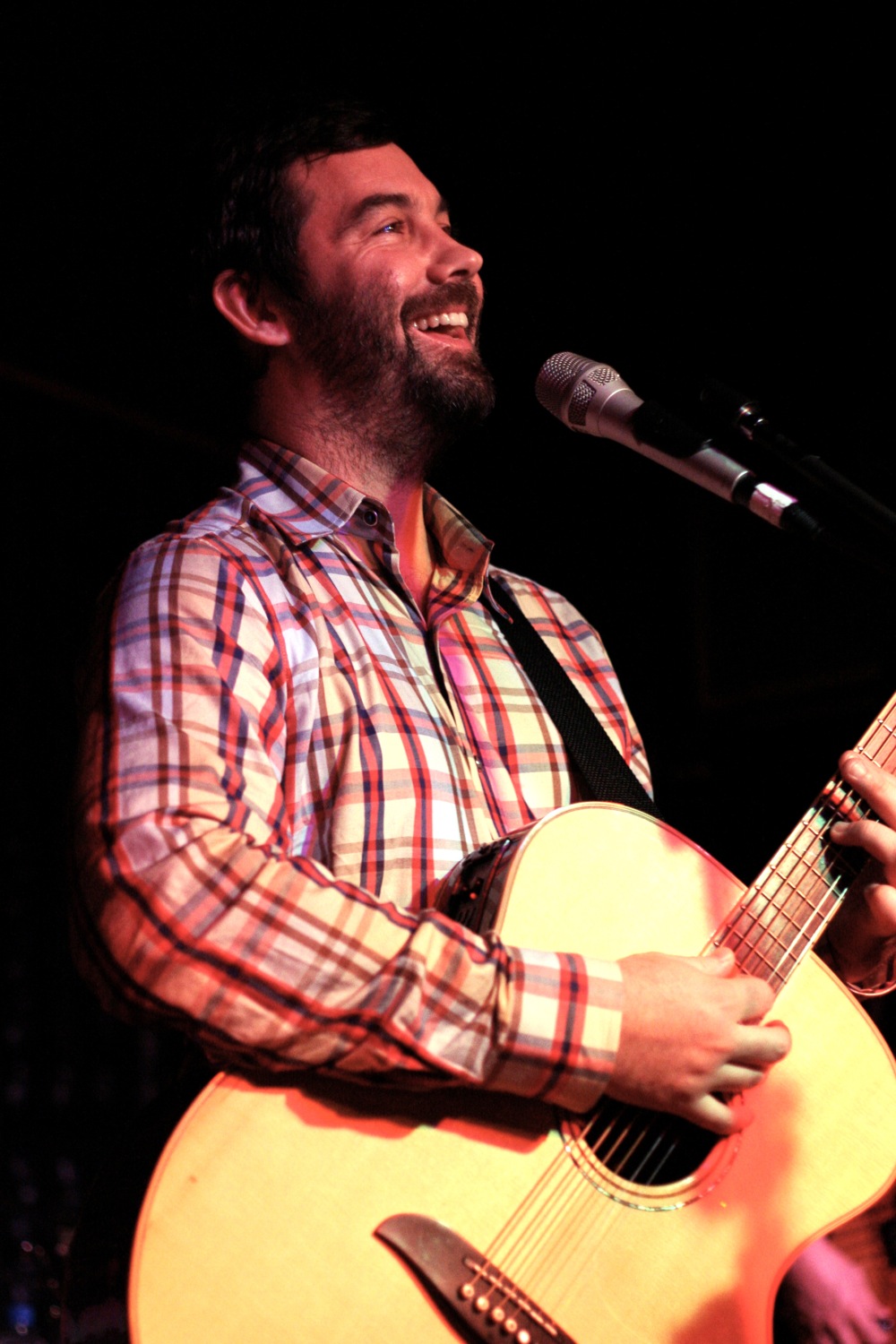
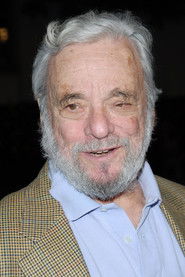
It opened on Broadway on December 10, 2006, at the Eugene O'Neill Theatre, the marquee in our photo, and ran 859 performances until January 18, 2009. It won eight Tony Awards, including Best Musical, and Sheik took home two of them: Best Original Score, shared with Sater, and Best Orchestrations. The cast album won the Grammy for best musical show album. A deaf and hearing revival by Deaf West Theatre in 2015, performed in American Sign Language and English at once, proved the score could survive being rebuilt from the ground up.
Where the kids went
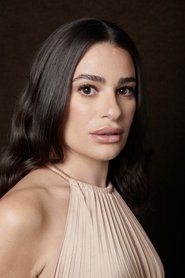
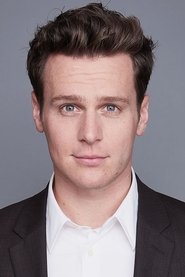
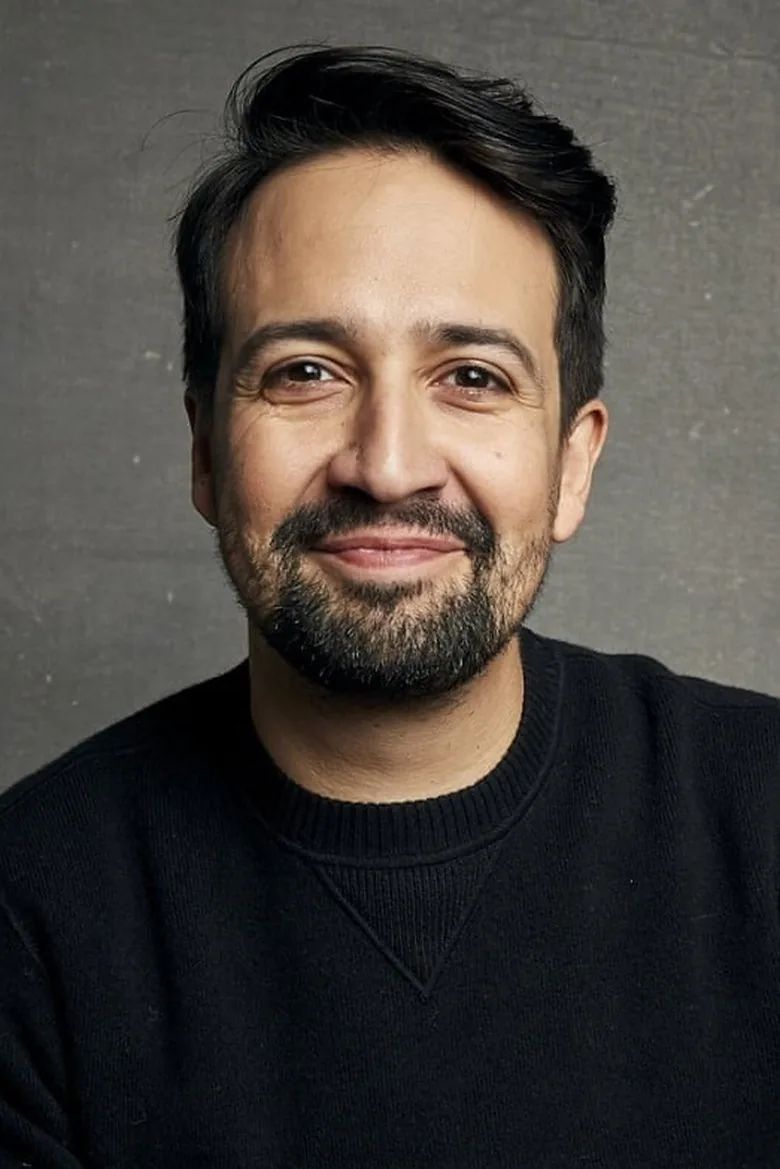
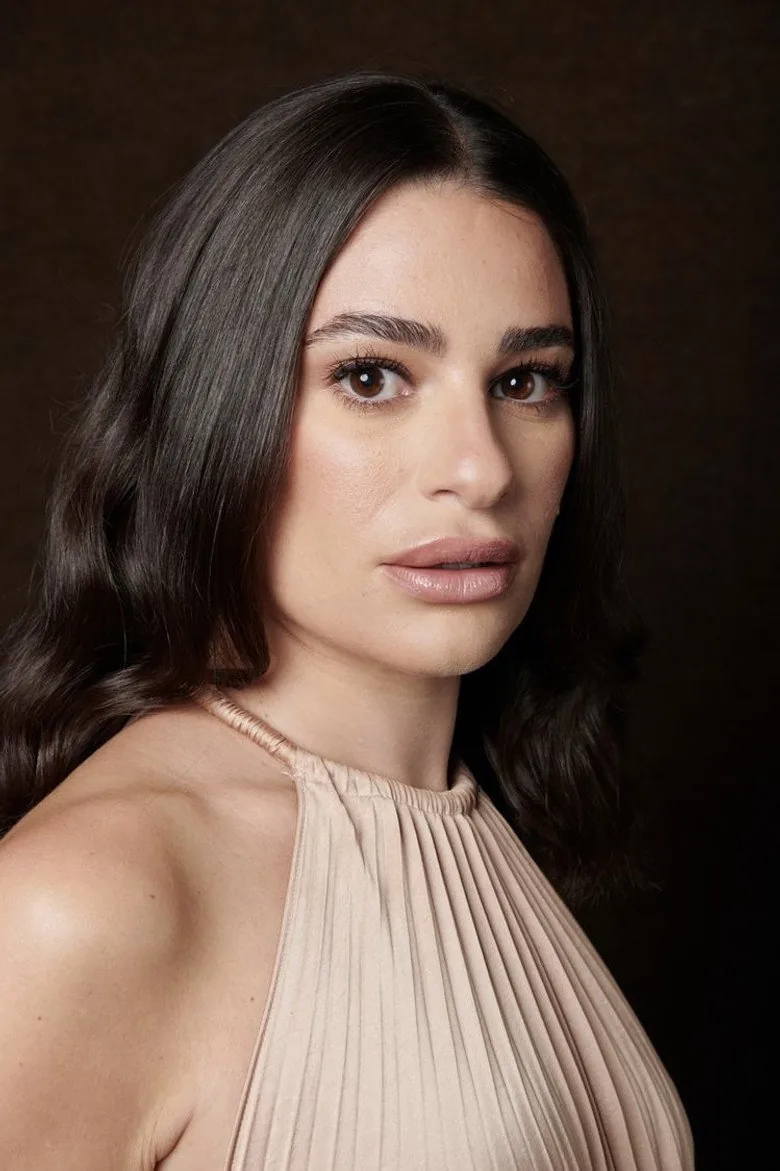
The show was a launchpad, and NBC News put it plainly: Lea Michele and Jonathan Groff got their first major Broadway jobs playing its leads.
- Jonathan Groff (Melchior) earned a Tony nomination for the role, then played King George III in Hamilton: An American Musical, FBI agent Holden Ford in MINDHUNTER, and won the 2024 Tony for Best Actor in a Musical as Franklin Shepard in the revival of Stephen Sondheim's Merrily We Roll Along, which you can watch as a filmed recording.
- Lea Michele (Wendla) became Rachel Berry on Glee from 2009 to 2015, where Groff had a recurring role as Jesse St. James.
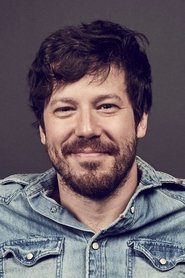
- John Gallagher Jr. (Moritz) won the Tony for Best Featured Actor in a Musical, then played Jim Harper on Aaron Sorkin's The Newsroom and Emmett DeWitt in 10 Cloverfield Lane.
Michele's tribute is the one that shows how early this started for her.
He was not done
The musicals kept coming after Spring Awakening: Alice by Heart (2012), American Psycho (2013), Because of Winn-Dixie (2013) and The Secret Life of Bees (2019). American Psycho is the one to seek out if you know the story from Bret Easton Ellis's novel American Psycho or Mary Harron's film American Psycho. Sheik told Billboard in 2016 that the job started with "understanding the world Patrick Bateman was living in and what that music might have sounded like," and that it became "very exciting and cool" to build a musical out of "the initial emergence of house music and early techno."
Where to start
Our order, for a first listen and a first read:
- The original Broadway cast recording of Spring Awakening. Play it front to back. "Mama Who Bore Me" is the door in, "Touch Me" is the moment it clicks.
- Duncan Sheik (1996). Now hear "Barely Breathing" as what it was: the pop songwriter who would later write for a stage full of teenagers.
- Phantom Moon (2001). The hidden bridge. Sater wrote the lyrics, five years before Spring Awakening opened, and the spare, Nick Drake-leaning songs are the partnership finding its voice.
- Humming (1998). The follow-up to the debut, and the best test of his complaint that the songs after the hit never got their chance.
- Wedekind's play. Read Spring Awakening and see how much Sater and Sheik kept, and how much they turned into song.
Then, if you are near New York: an off-Broadway revival of the musical is set to begin previews on Friday, November 27 and open Thursday, December 17. The score that woke Broadway up is going back on stage.