Michael Che Explains Why He Backed Out of a Roast
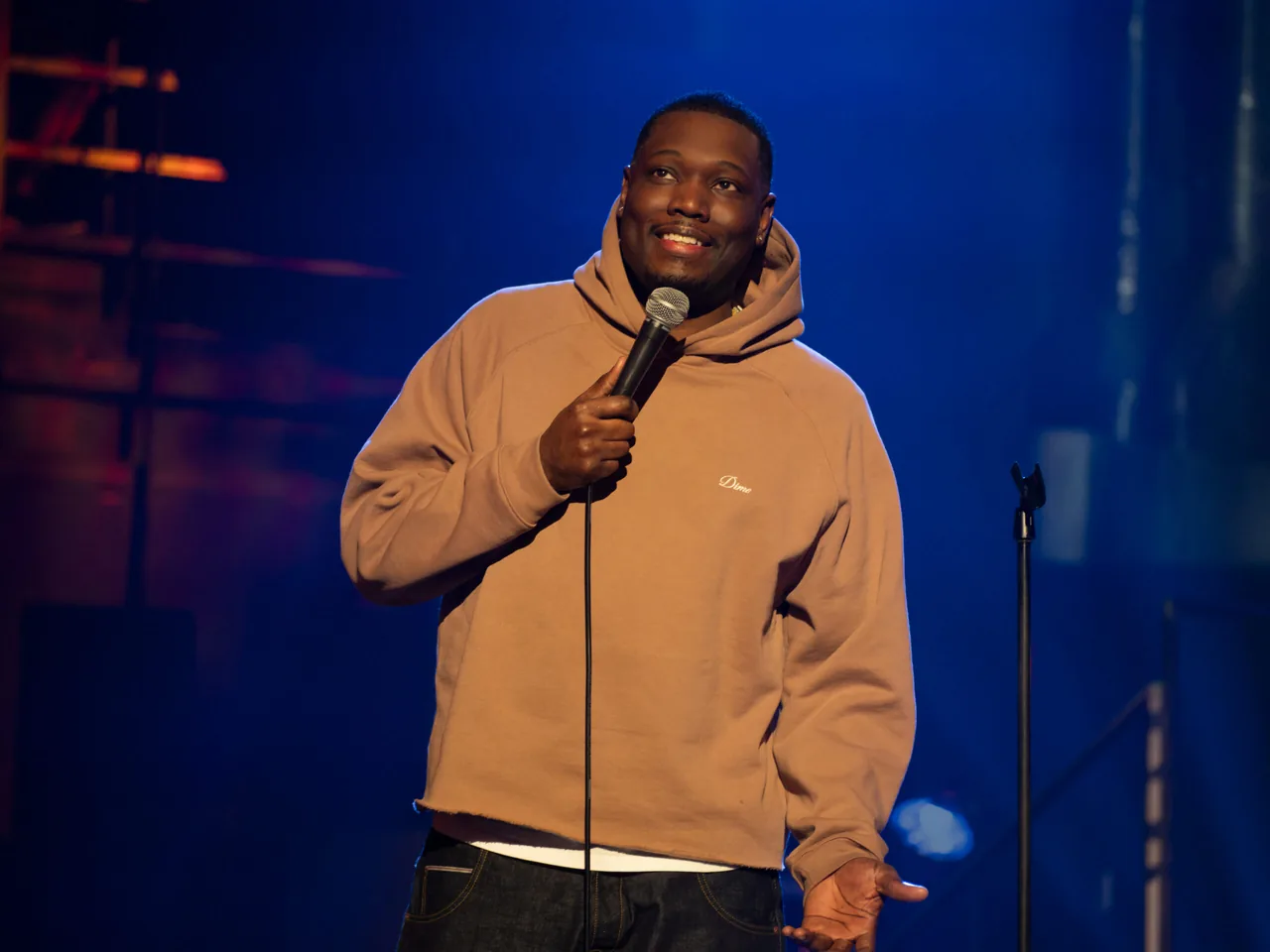
The roast sounded miserable to Michael Che. In an October 13 Ringer interview, he explained that the travel clashed with a Saturday Night Live workweek. He also disliked the prospect of trading personal attacks with friends.
Does an edge need a target?
Nobody owes a roast an appearance. There is something refreshing about a comic admitting that a room would make him unhappy, without turning the refusal into a manifesto. You can enjoy abrasive comedy and still decide you would hate a particular evening of it.
The distinction matters when we watch stand-up, too. A joke can hurt because it notices something accurately, or because it knows where the bruise is. Both may get a laugh. Only one necessarily tells us anything about the person holding the microphone.
But a personal boundary is an awkward defense for a comedian whose material makes other people uncomfortable. Being protective of friends does not settle what you owe strangers. The audience gets to ask why one target receives care and another does not. That is a more revealing conversation than demanding that a performer either say everything or say nothing.
Put the distinction to work
Start with Michael Che: Shot in Minnesota, released on Netflix last Tuesday, October 13. Netflix's synopsis names marriage among its subjects. This is hardly a promise of a gentle hour.
Watch for what happens after a joke gets its initial shock. Does the observation become funnier as you think about it, or was the forbidden subject doing all the work? That is the test we would use. Harshness alone is a thin reason to keep watching.
Then compare it with the sketches in That Damn Michael Che, or Weekend Update in Saturday Night Live. Different formats give a comic different escape routes. A desk joke can end before an argument develops; a stand-up set has room to stay with an uncomfortable idea. Choose the version that makes you laugh hardest, then ask what it took to get that laugh.