Taika Waititi Admits His First Klara Script Went Wrong
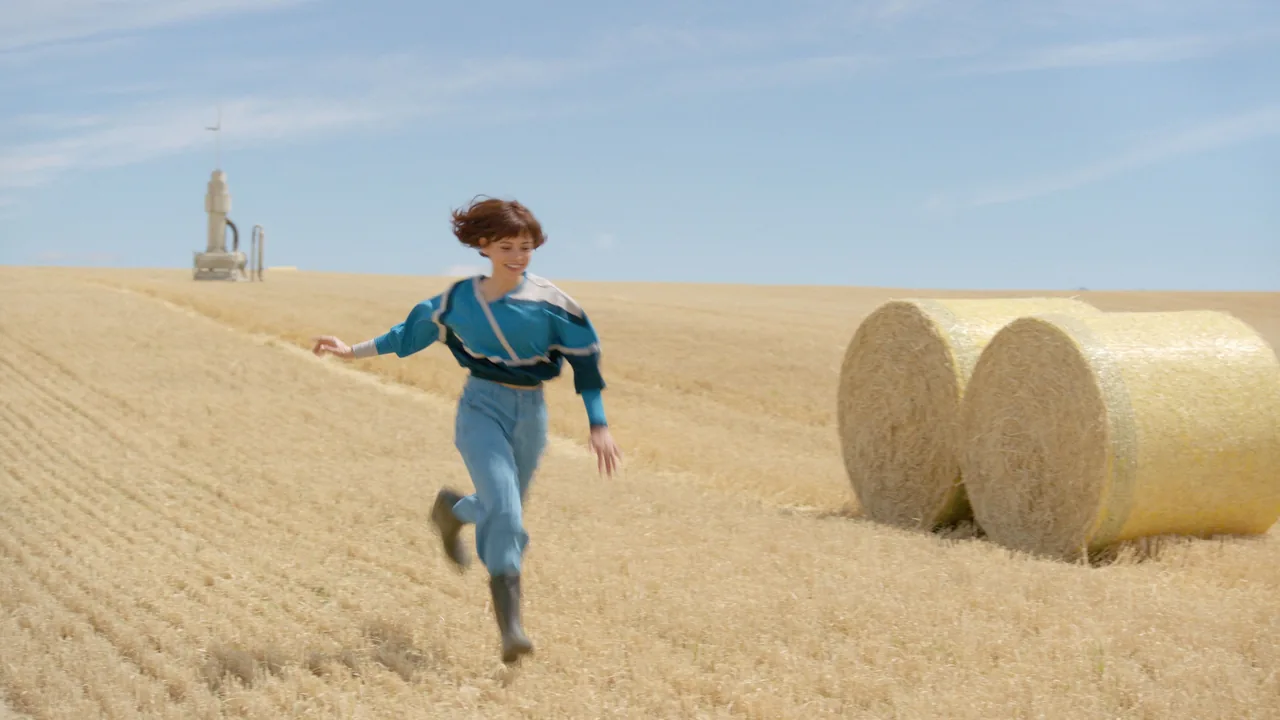
The first version of Klara and the Sun sounded a little too much like its director. Taika Waititi told Vanity Fair that he initially filled the writing with robot comedy, then realized the approach was pulling him away from Kazuo Ishiguro's novel. His own style had become the problem.
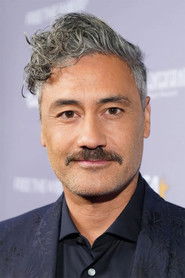


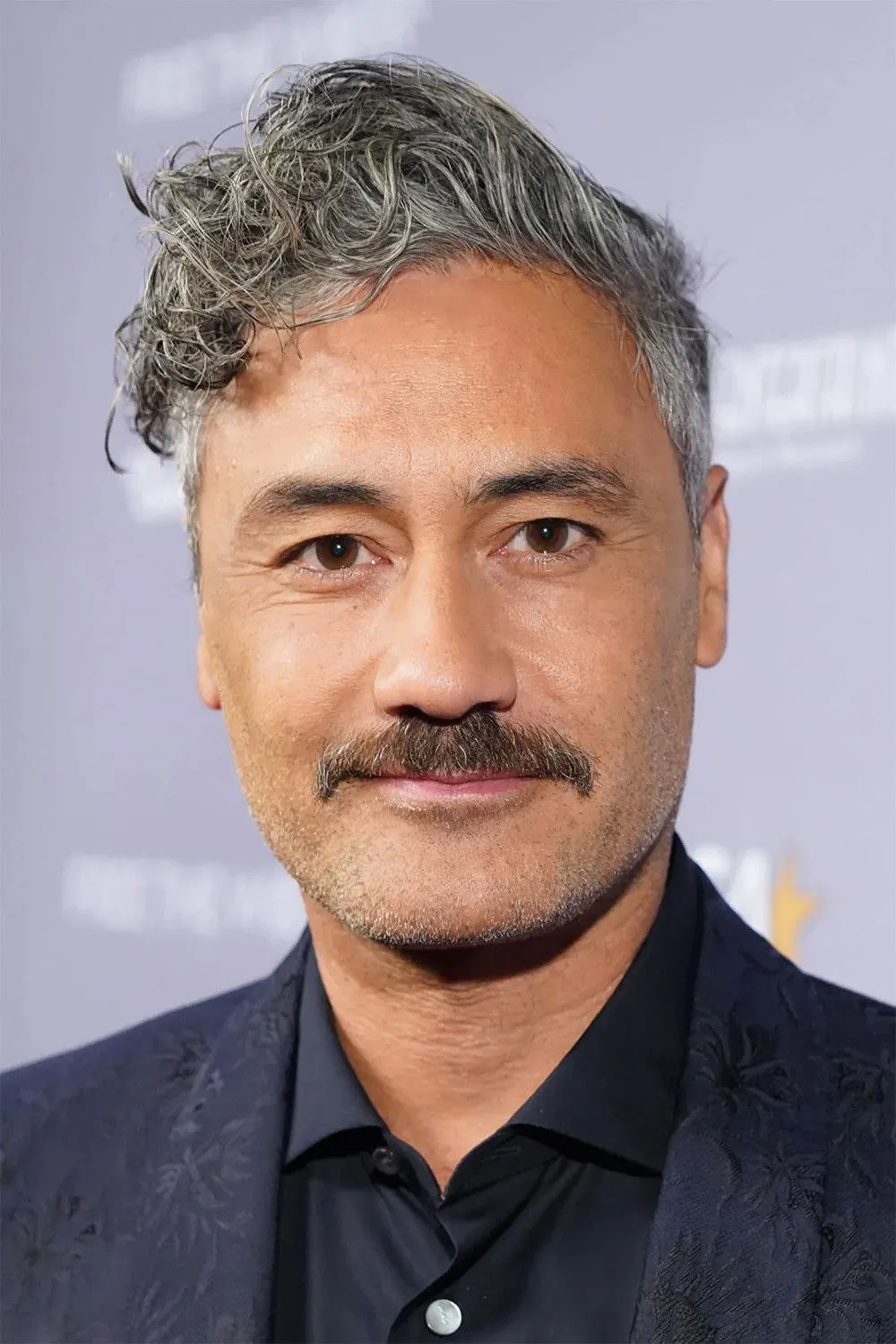
It is a useful confession from a director whose name makes you expect a certain kind of joke. Taking on a favorite book is an odd moment to stop trusting what drew you to it. Waititi's account sounds like a director catching himself doing exactly that.
His fans have a fair objection. You hire a distinctive director because you want something distinctive. A dutiful version of a beloved novel can be lifeless, especially if everyone is too nervous to disturb a solemn moment. Nobody buys a ticket hoping the filmmaker will become anonymous.
Even so, I am on Waititi's side here. A familiar style is more interesting when the material gives it some resistance. If every character is ready to make the same joke, it gets harder to hear the character. Recognizing that before filming deserves credit.
He hasn't given up on warmth
In an October 13 interview with Remix, Waititi defended films that make room for good things happening and spoke fondly of human imperfection. Cutting a joke needn't mean losing that affection.
Try Hunt for the Wilderpeople. Its runaway boy and reluctant foster uncle give the comedy a difficult relationship to work on. Jojo Rabbit takes a riskier approach: a lonely German boy's imaginary Hitler shares the story with a Jewish girl in hiding. There is more room for a joke to go badly wrong.
I'd start with Hunt for the Wilderpeople. Two stubborn people forced to depend on each other give the warmth something to overcome. It is a useful test of what you value in Waititi before seeing how much of it survives his change of approach.
Jenna Ortega plays Klara when the new film opens in US cinemas on October 23. Whether the rewrite works is a question for the finished film. For now, watch Hunt for the Wilderpeople, then take one question into Klara and the Sun: does the joke help you understand the character, or let the film avoid getting close?