Kurosawa Deserves Your Next Free Evening
Starting with a director's most famous film sounds sensible until the running time is 207 minutes. Akira Kurosawa made Seven Samurai worth every one of them. You can still choose a shorter invitation for someone who has never watched him.
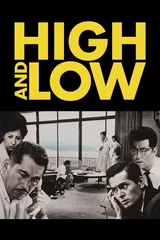
Put on High and Low. A kidnapping, a wealthy man and a demand that threatens everything he has built: the setup takes hold before you can worry about its place in film history. This is a viewing order for a curious friend, with the big epic waiting until that friend wants more.
Kurosawa can be funny, furious and impatient with human weakness. Give yourself a few evenings to meet those different moods. Reverence can wait.
Begin with the man in the room
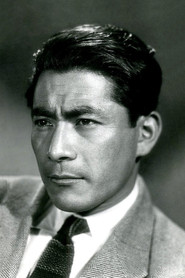
In High and Low, Toshirō Mifune plays industrialist Kingo Gondo. Kurosawa makes the domestic pressure and police investigation parts of one argument: what does security cost, and who can afford it? Released in 1963, it offers a wonderfully direct introduction to a filmmaker whose reputation can seem intimidating.
Watch how much information you get from where people stand. The thriller keeps you following the case while the arrangement of bodies tells you who has power and who has lost it. You don't need a history lesson to feel the pressure in that room.

Then let him change the mood
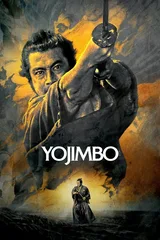
Follow it with Yojimbo, where Mifune's wandering samurai plays two corrupt factions against each other. Anyone expecting great old films to behave solemnly is in for a welcome surprise. Enjoy the hero's calculations, then wonder how far his appetite for trouble will take him.
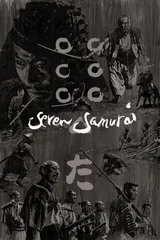
After those two, give Seven Samurai the uninterrupted evening it deserves. Farmers hire warriors to defend their village from bandits. Getting the defense together becomes part of the pleasure: these people have to decide whom to trust before they can depend on each other in a fight.
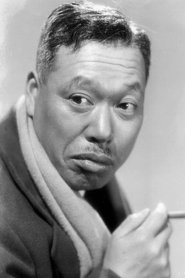
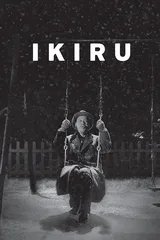
Then go somewhere quieter. In Ikiru, Takashi Shimura plays a bureaucrat confronting a terminal diagnosis. A man who has spent his life in an office has to work out what is left to do. For our money, this is the emotional center of the route.

Kazuo Ishiguro recalled seeing Ikiru as a child and carrying its encouragement into adulthood. Keep it in the sequence even if you arrived for sword fights. Its ordinary setting makes the urgency harder to keep at a comfortable distance.
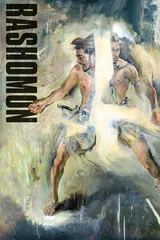
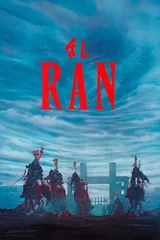
Finish by letting Kurosawa unsettle your certainty. Rashomon gives you conflicting accounts of one crime, then leaves you with the problem of whom to believe. Ran follows the disastrous division of an aging warlord's kingdom. The color epic makes a fitting last stop after the smaller spaces where we began.
If Yojimbo is the one calling to you, move it up. For one free evening and our clearest recommendation, choose High and Low. You'll know soon enough whether you want another.