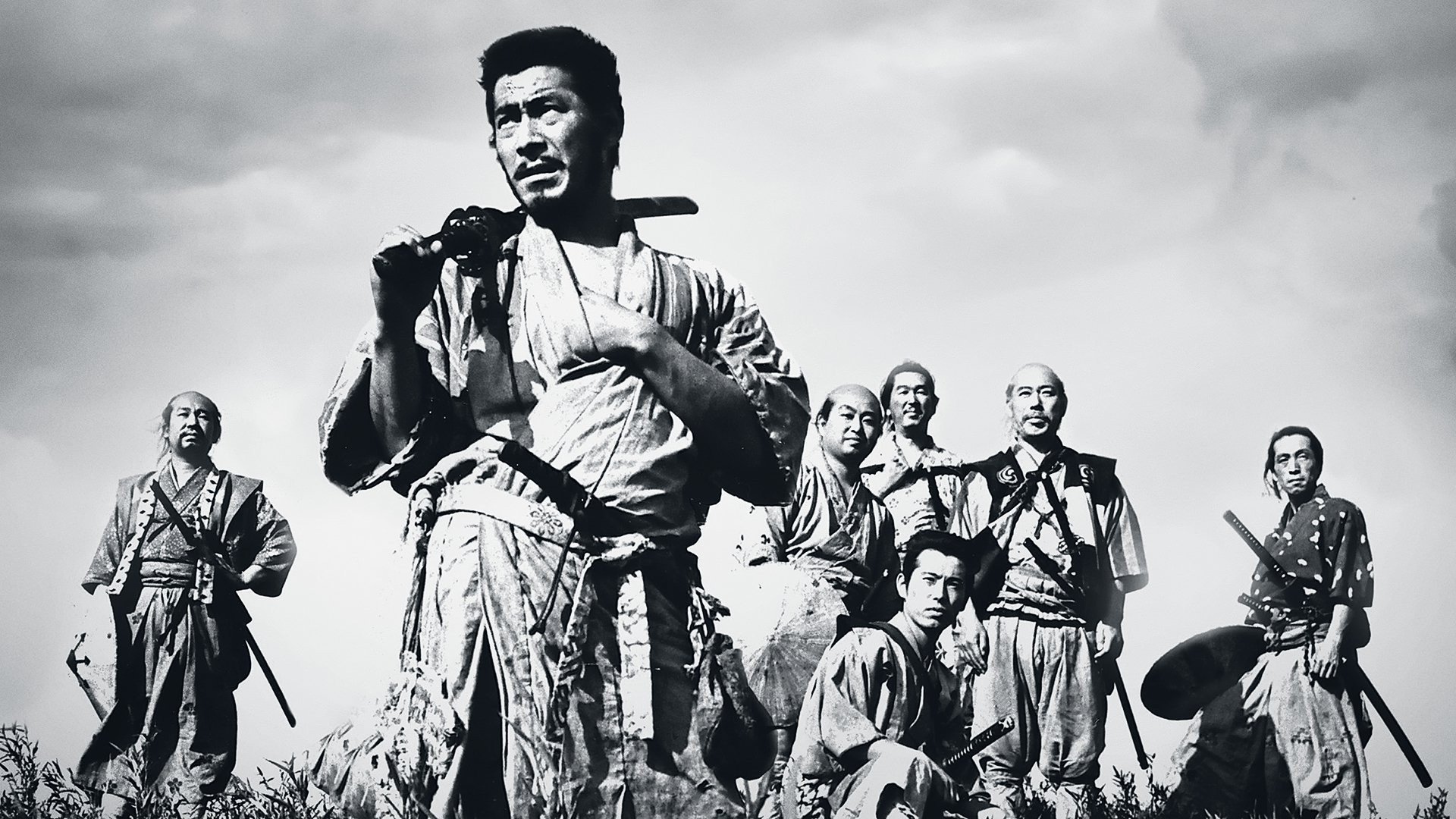

The Man Who Taught the World How to Film a Fight
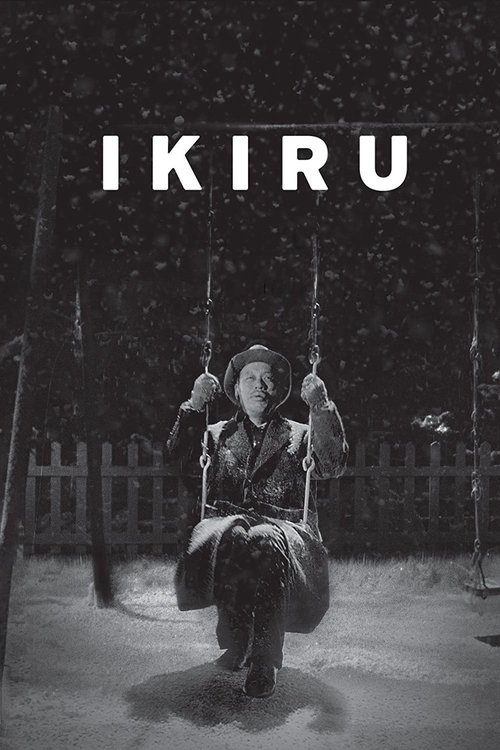
Akira Kurosawa made films from 1943 until 1993, and almost every frame of them feels like a lesson in how cinema can work. Reducing him to a technical master misses what actually hooks people: the relentless moral weight. His samurai epics are not really about sword fights. Seven Samurai is about the cost of protecting people who will never fully trust you. Ran is about a patriarch watching everything he built collapse under the logic of his own cruelty. Ikiru is about a colorless bureaucrat discovering, with only months to live, that he has never actually done anything.
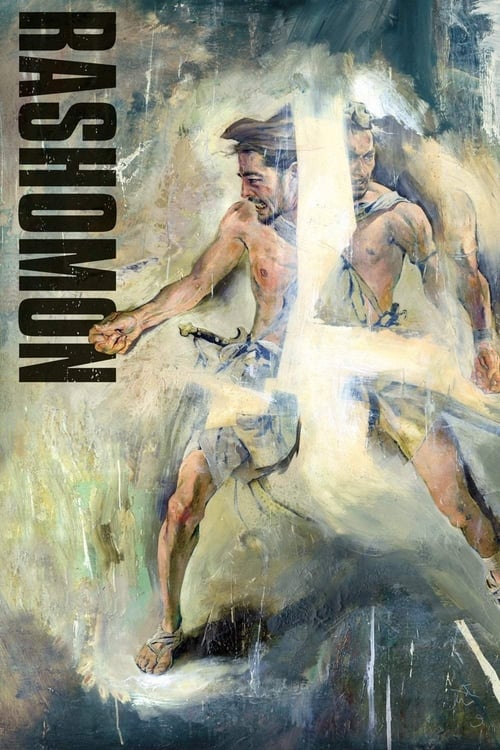
The texture Kurosawa fans come back for is a specific kind of beauty under pressure: long lenses compressing distance, weather used as character (the rain in Seven Samurai, the fog in Rashomon, the fire in Ran), ensemble casts where everyone carries equal weight. He loved Shakespeare and Dostoevsky and Hammett, and you can feel all three at once. His Japan is timeless and specific, brutal and deeply humane.
If you have watched the samurai films and want to know where to go next, the answer is almost certainly not more samurai films. It is darker thrillers, slower literary adaptations, war epics, and crime fiction that takes moral ambiguity seriously.
Essential Akira Kurosawa
The films, roughly in order of where to start

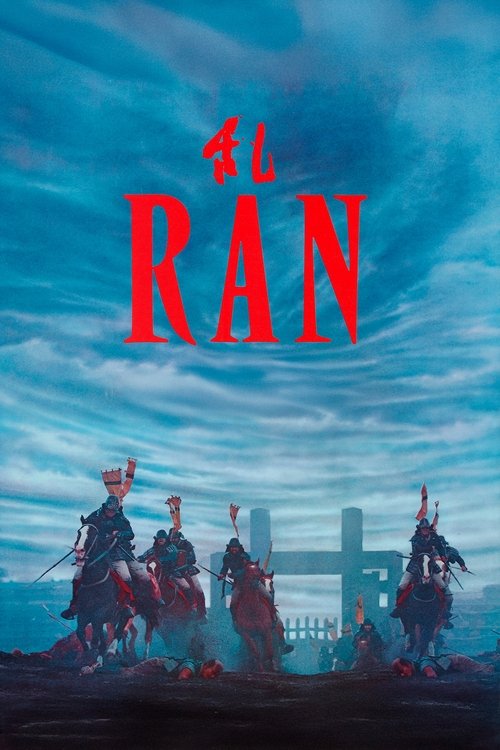
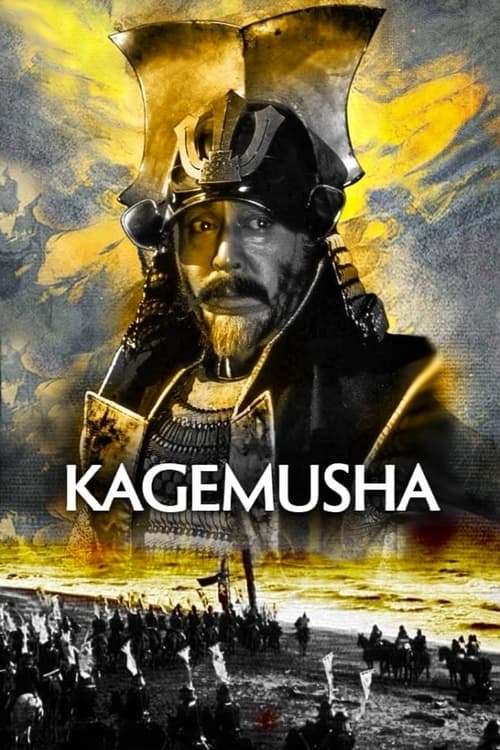
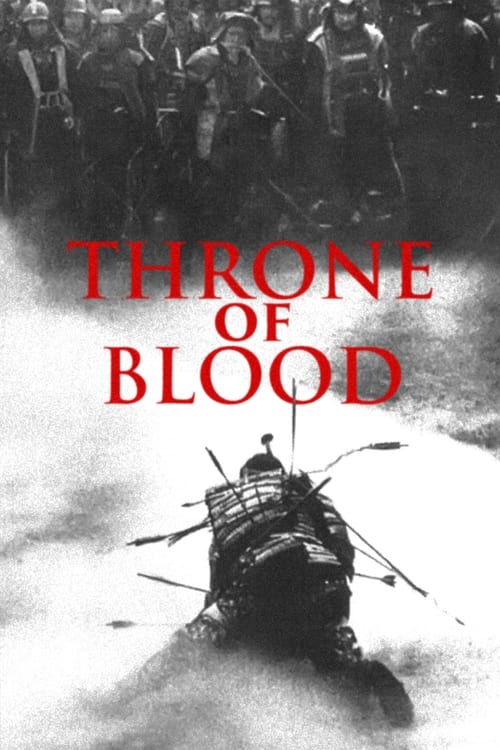
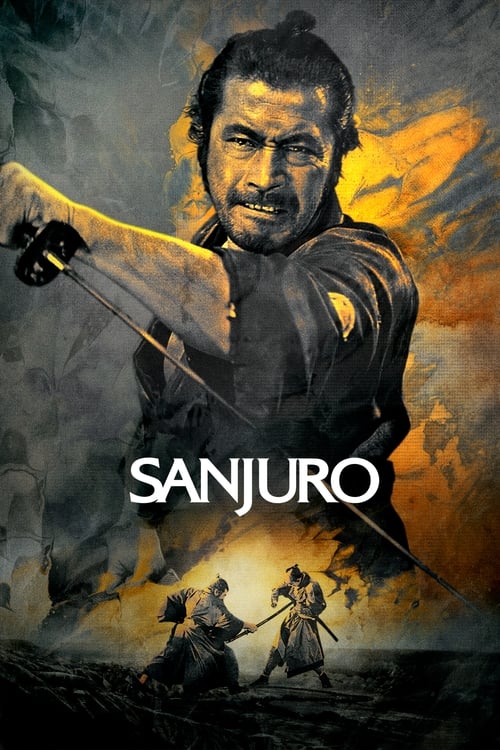
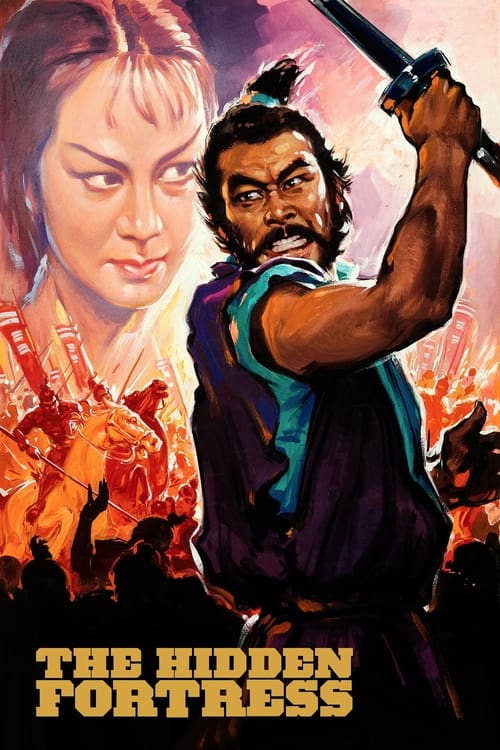
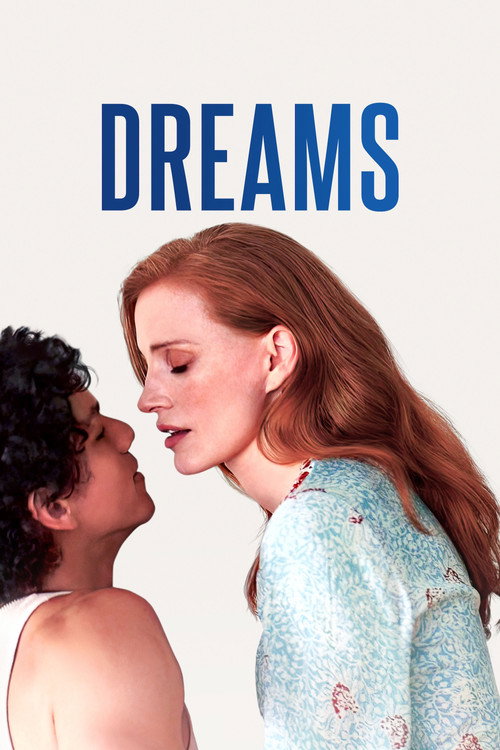
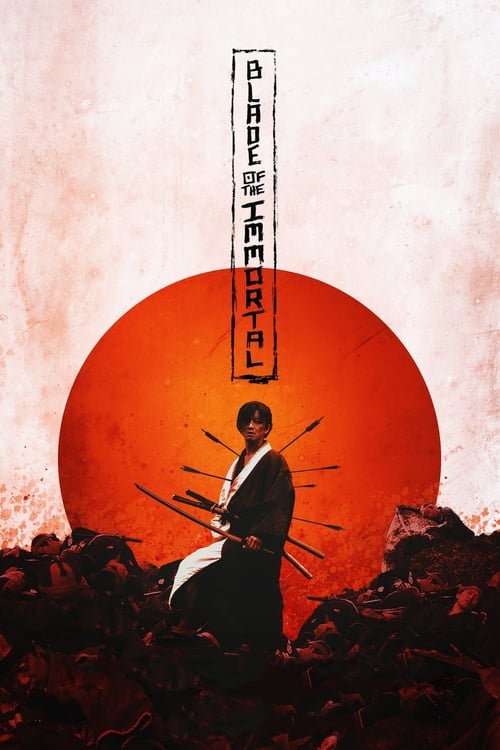
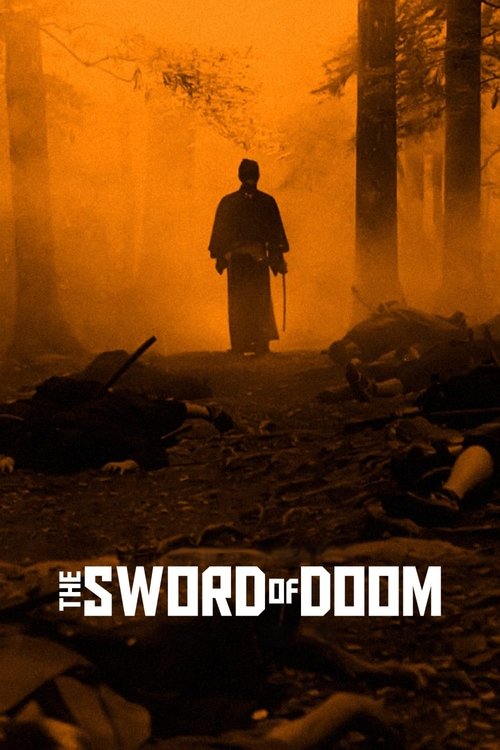
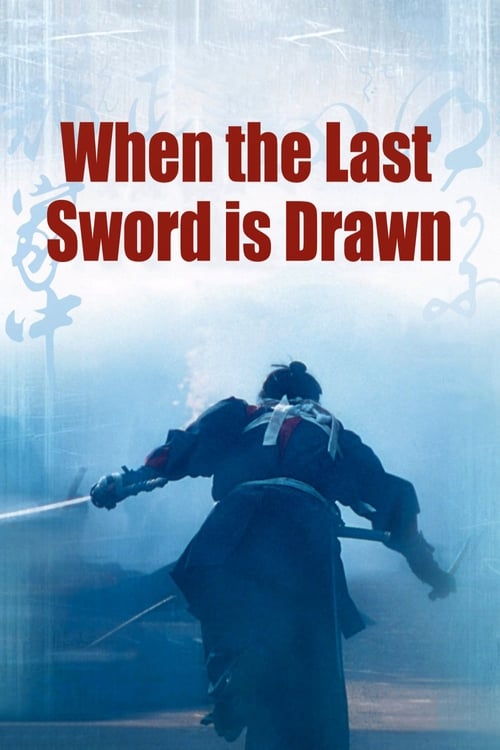
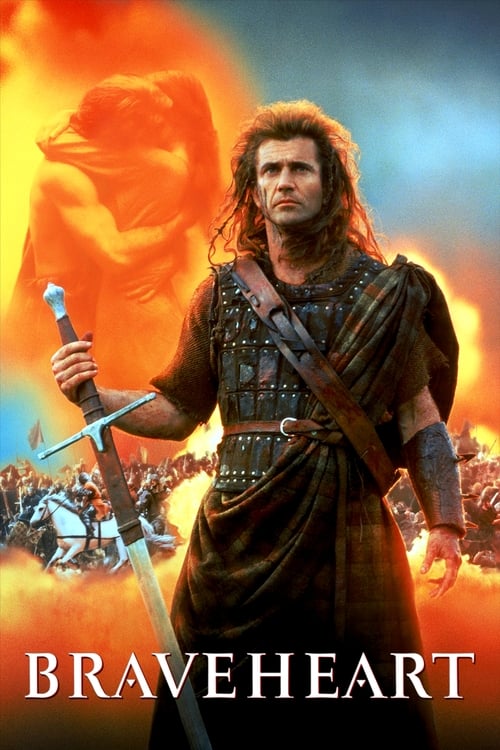
Feudal chaos and moral weight: samurai and war epics
Films with the same scale, physical intensity, and ethical seriousness

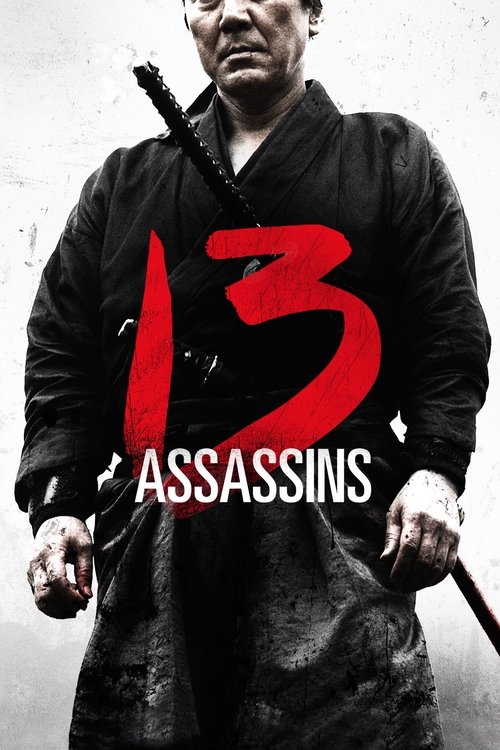
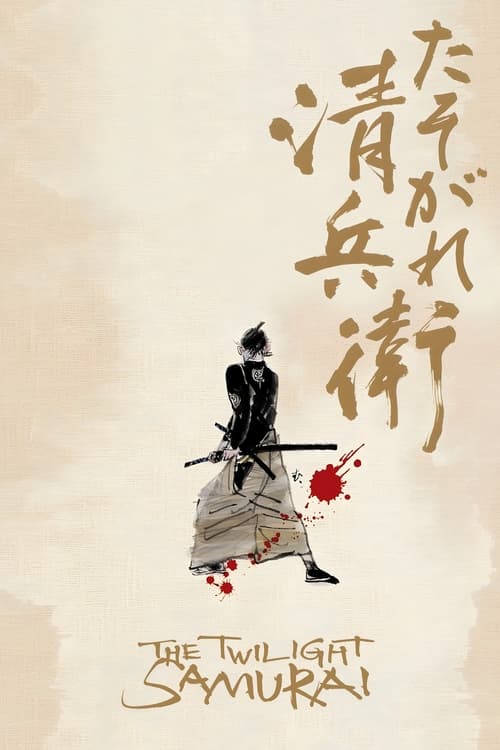
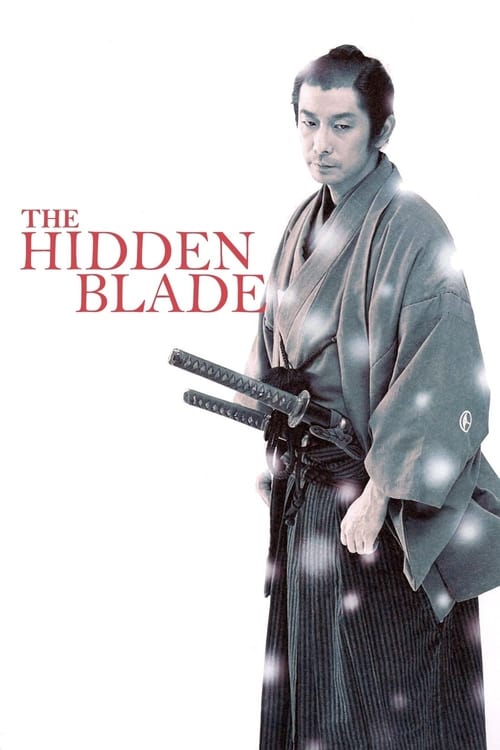
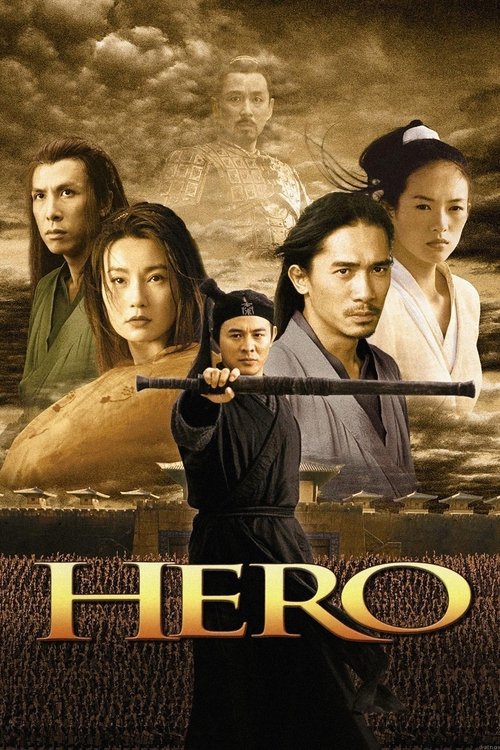
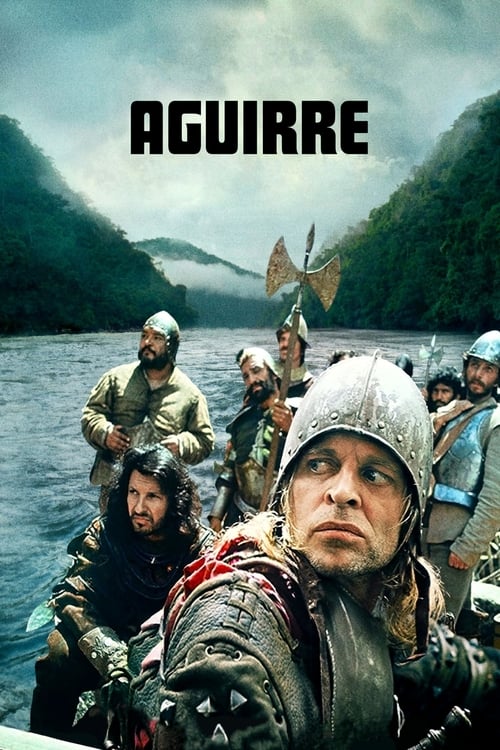
Truth is unreliable: stories told from fractured perspectives
Rashomon planted a seed that grew into a whole genre
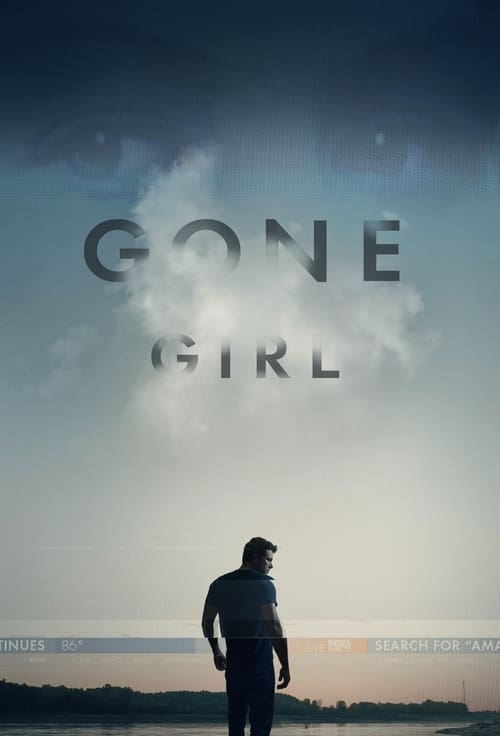
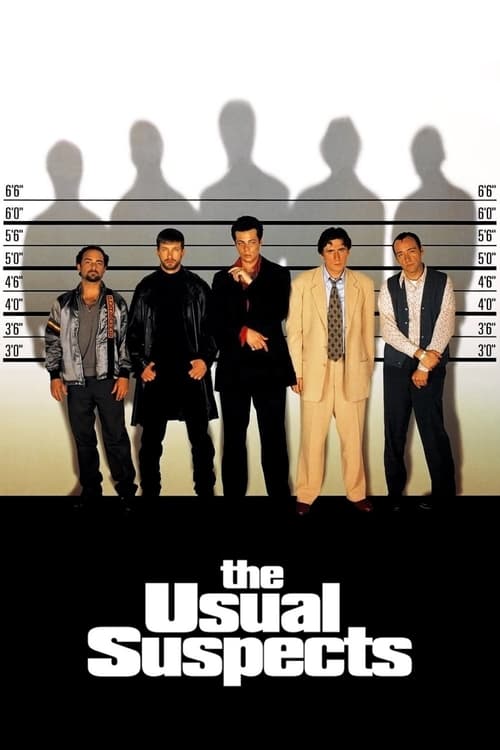
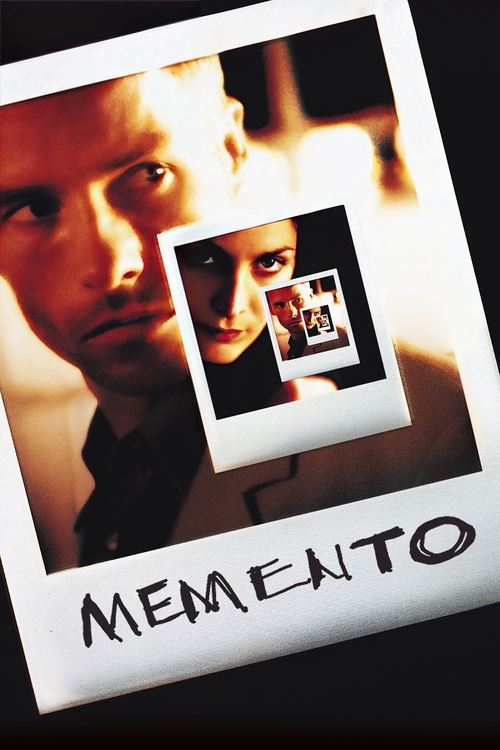

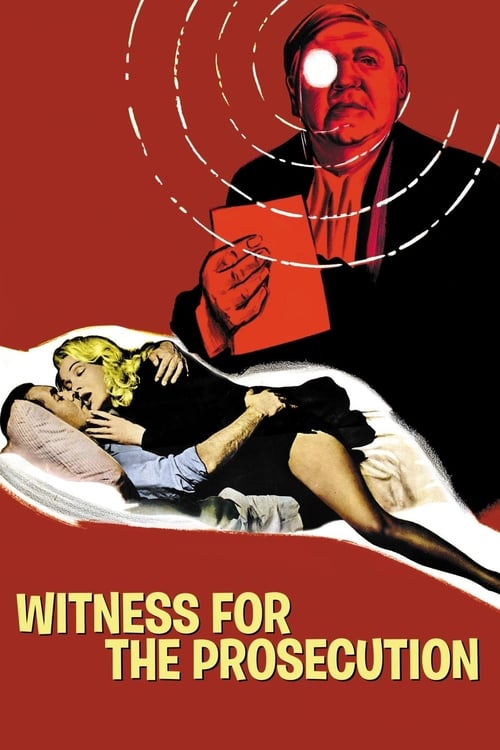
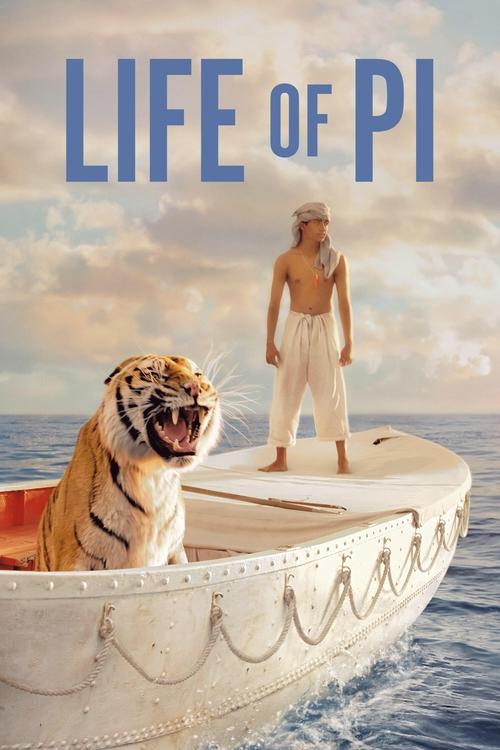
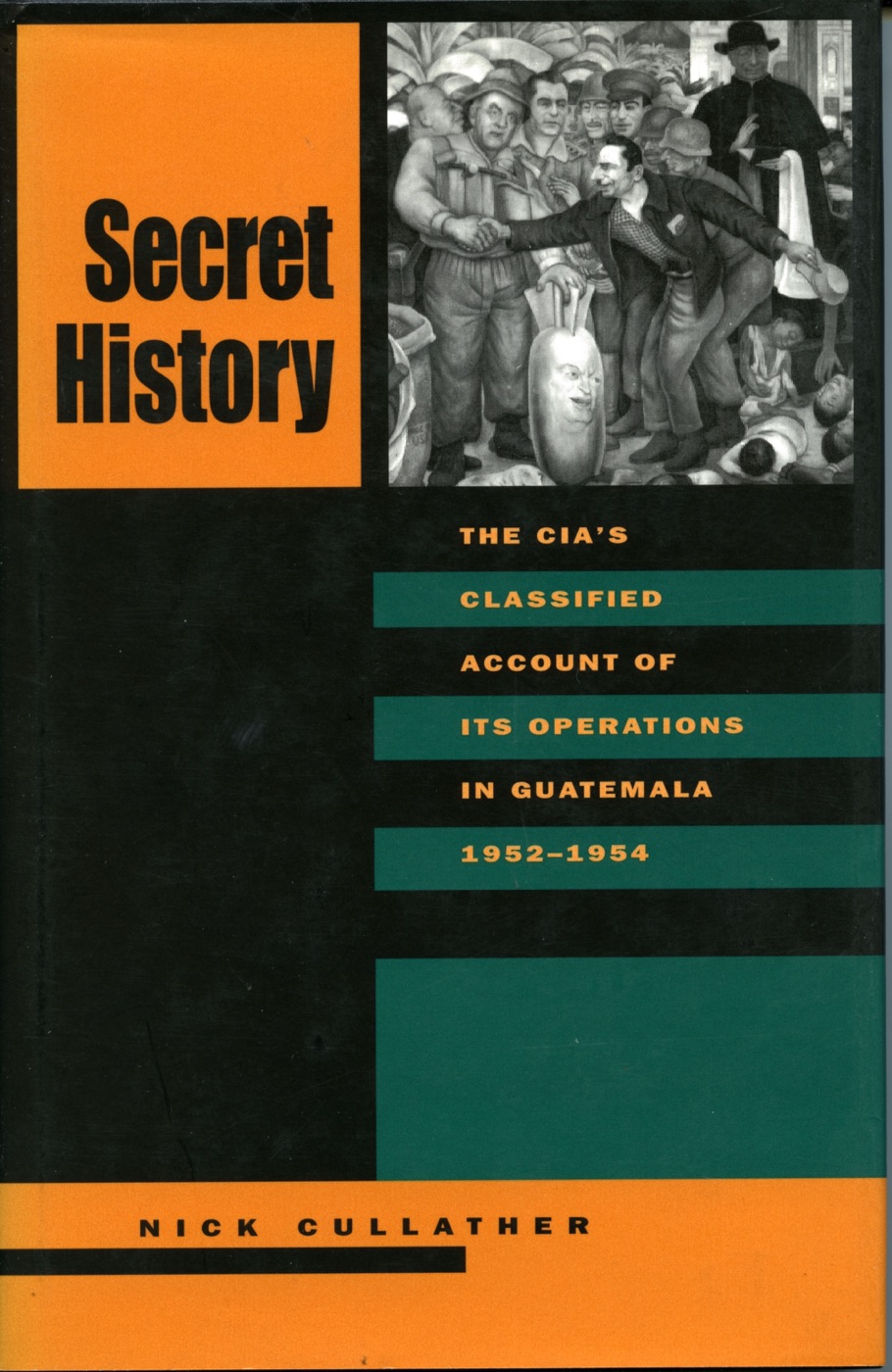
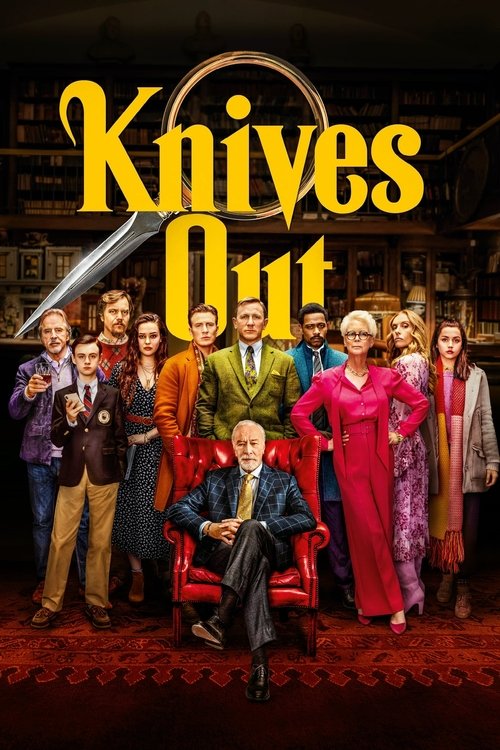
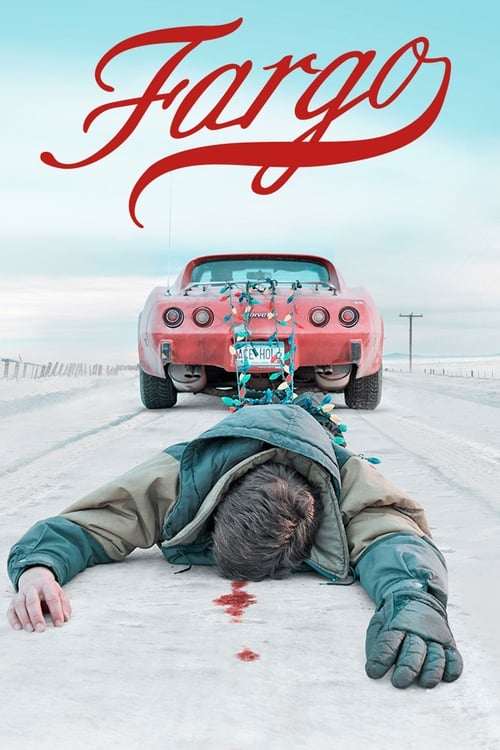
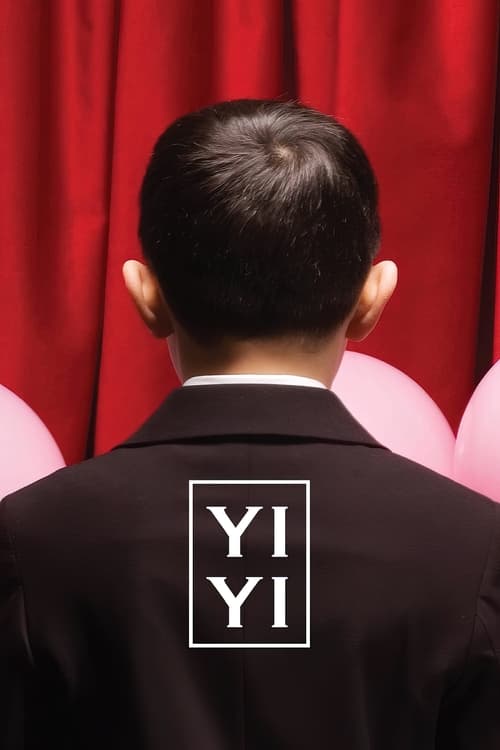
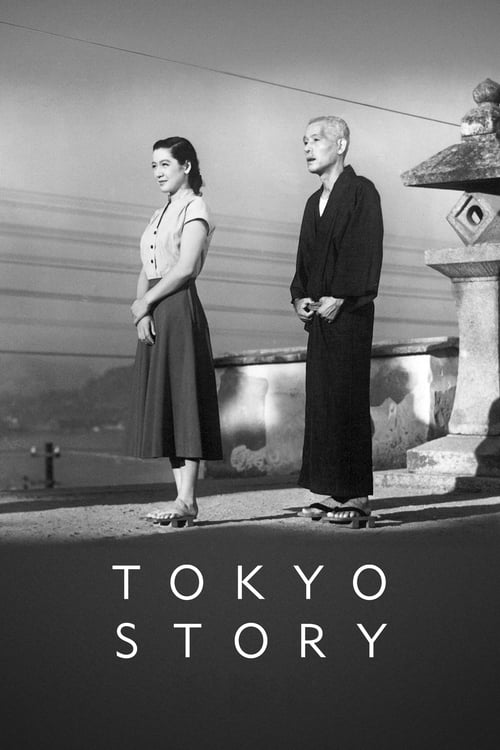
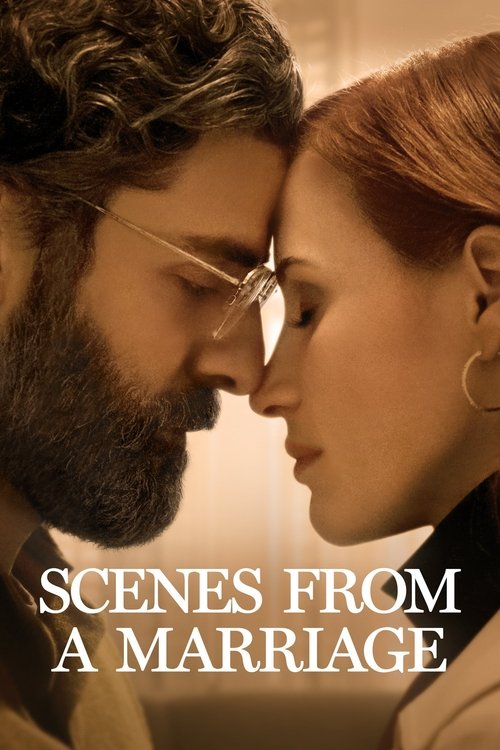
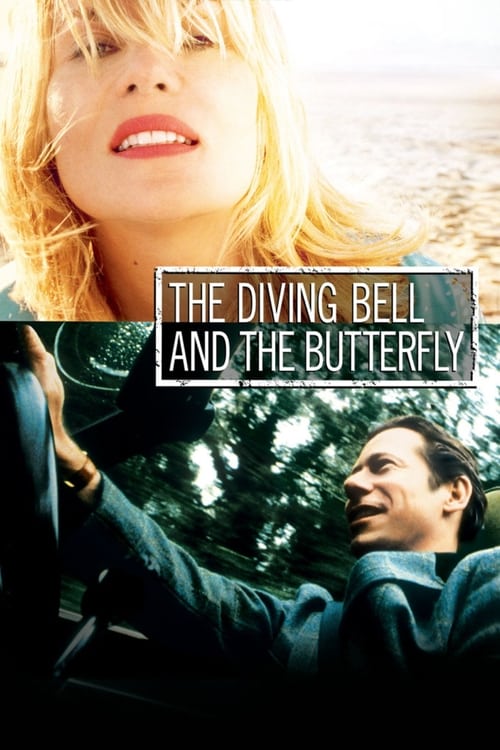
Humanist despair: small lives against enormous systems
The lineage of Ikiru, where the real enemy is inertia
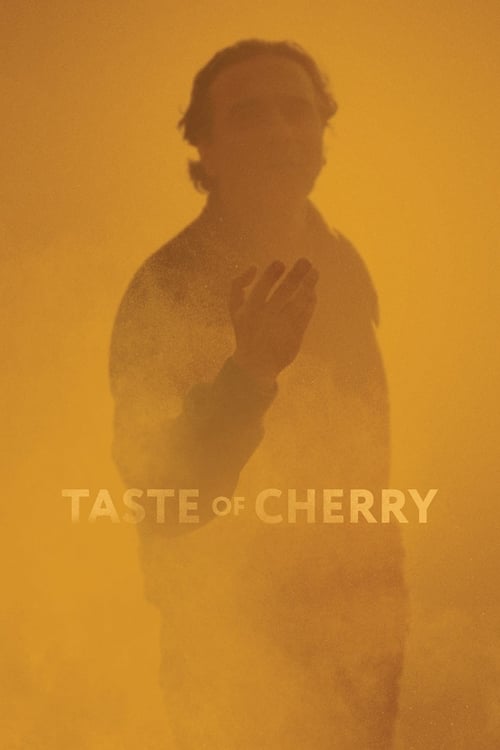
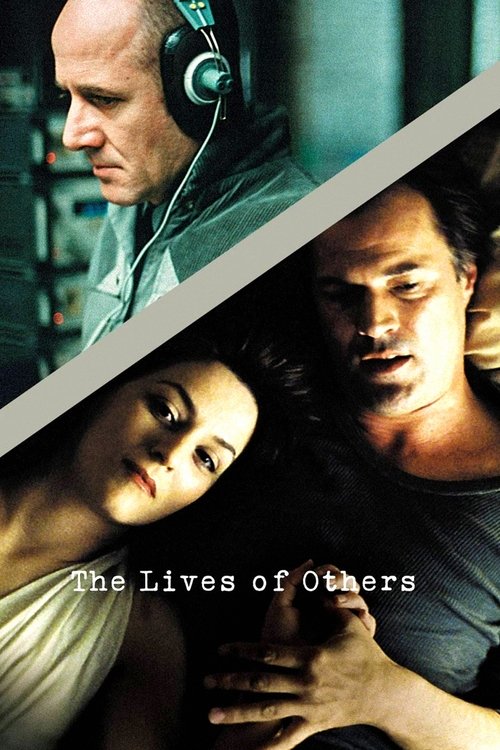
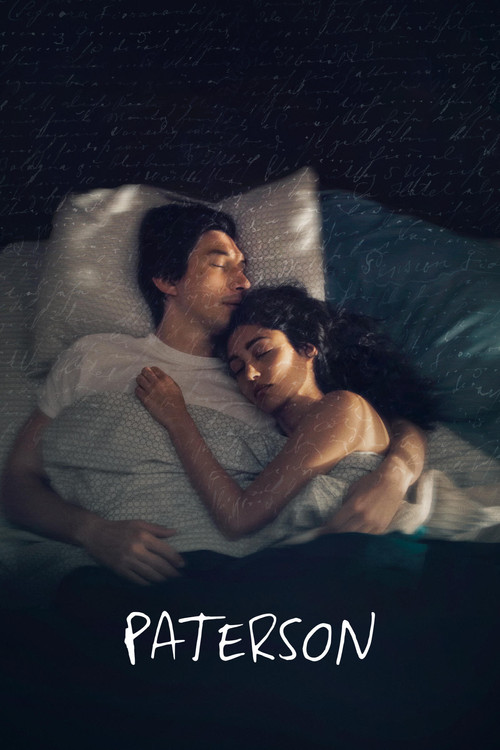
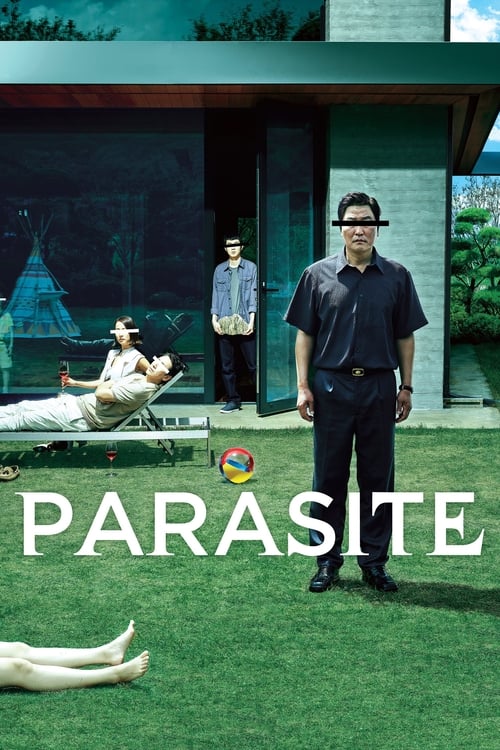
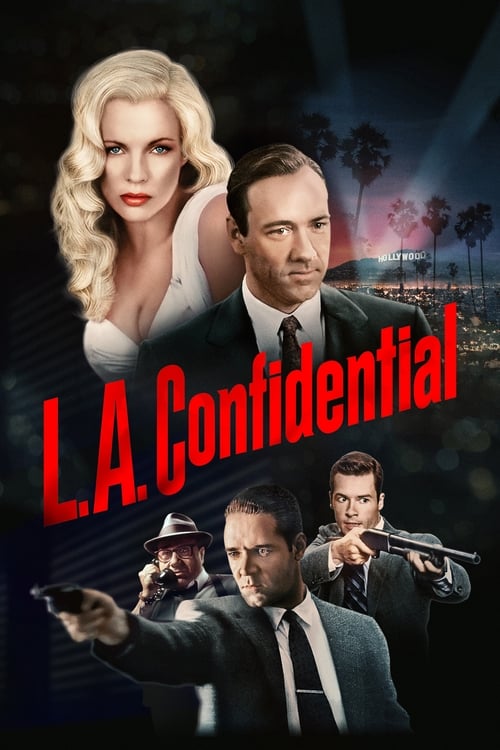
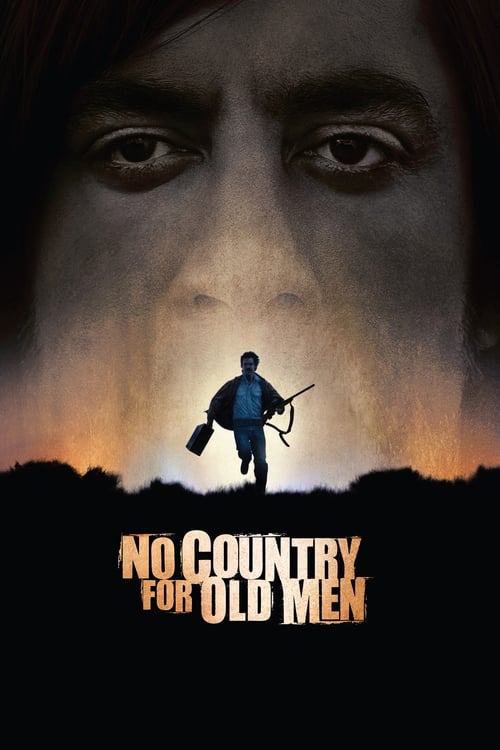
Crime, power, and the corrupt city
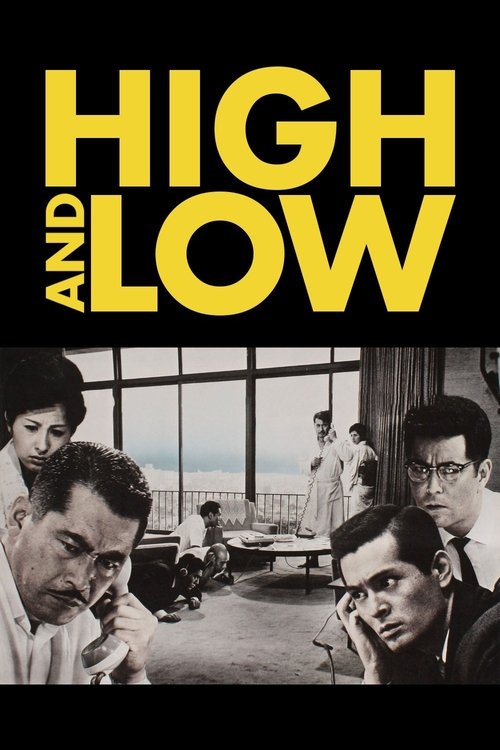
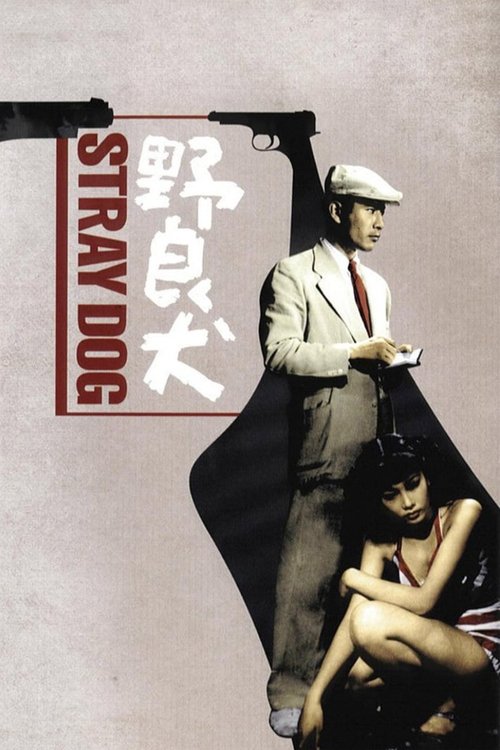
High and Low and Stray Dog opened a door to hard-boiled moral cinema
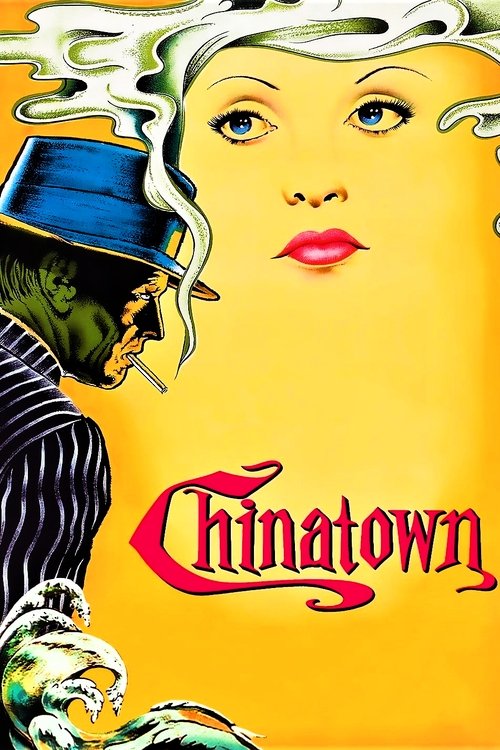
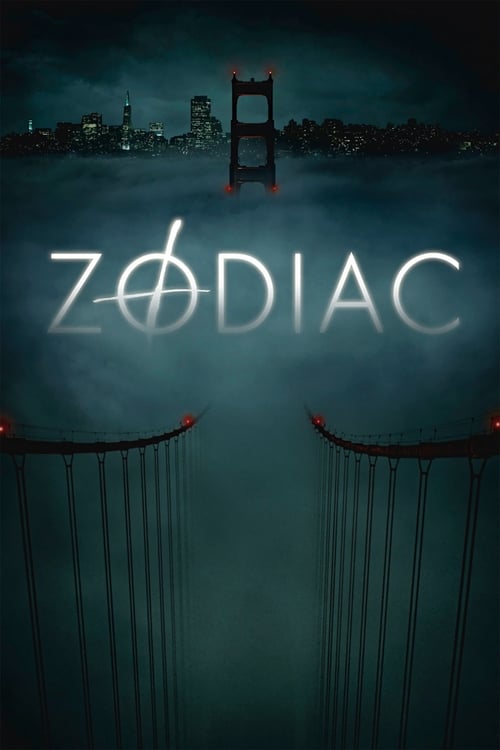
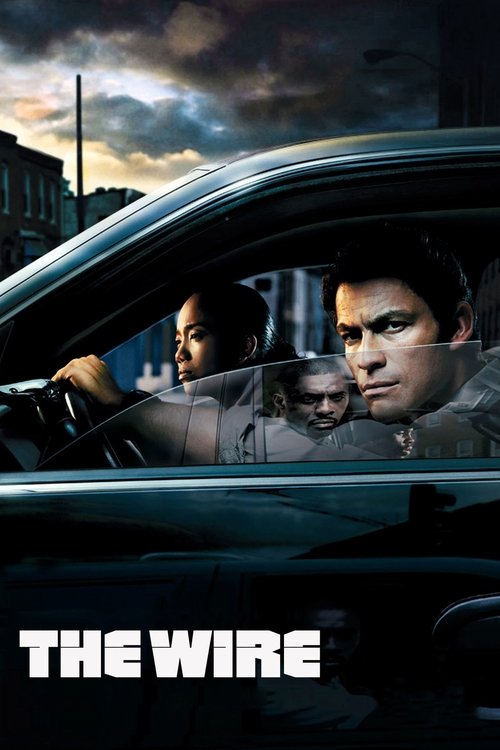

Start with Ikiru, not Seven Samurai
Everyone says start with Seven Samurai and it is a magnificent film, but it is also three and a half hours long and you spend the first act waiting for it to become itself. Ikiru costs nothing: 143 minutes, a dying man, a playground. It is the film that tells you exactly what Kurosawa cares about, and once you feel that care you will watch everything else with completely different eyes.
Ran is his masterpiece, and most people watch it too early
Ran is a King Lear adaptation about an aging warlord dividing his kingdom among three sons. On paper it sounds manageable. In practice it is two and a half hours of escalating catastrophe, filmed in a palette of reds and golds that makes every shot look like it was painted by hand. Watch it after you have seen at least three other Kurosawa films, so you understand what the restraint in those films was building toward. The battle sequence in the third act is one of the greatest single pieces of filmmaking ever committed to celluloid.
The literary Kurosawa is Dostoevsky
Kurosawa adapted Dostoevsky twice (The Idiot and elements of The Lower Depths) and the kinship goes deeper than source material. Both artists were obsessed with guilt that cannot be discharged, goodness that destroys the person carrying it, and systems of power that grind individuals to nothing while claiming to serve them. If you have exhausted the filmography and want the literary equivalent, start with Crime and Punishment and then The Idiot. The moral vertigo is identical.


In all his films, from the smallest to the grandest, the question is the same: what do you owe other people, and what does it cost you to pay it?CrossBinge
A career in landmarks
- 1943Debut: Sanshiro Sugata Sanshiro Sugata
- 1950Rashomon wins Venice Golden Lion Rashomon
- 1952Ikiru: the quiet masterpiece Ikiru
- 1954Seven Samurai redefines action cinema Seven Samurai
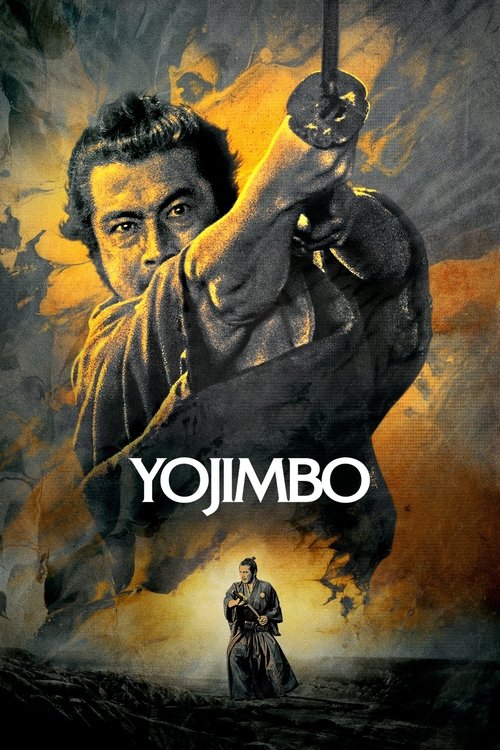
- 1961Yojimbo invents the anti-hero template Yojimbo
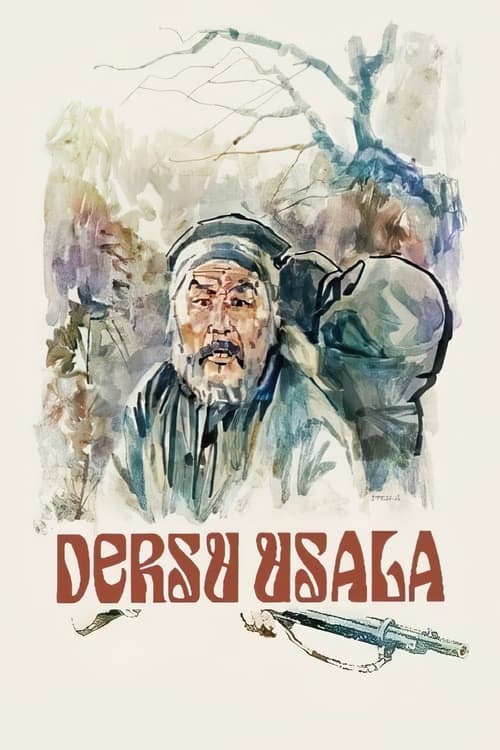
- 1975Dersu Uzala: Soviet coproduction, Academy Award Dersu Uzala
- 1980Kagemusha: Cannes Palme d'Or Kagemusha
- 1985Ran: his final epic statement Ran
- 1990Honorary Academy Award lifetime achievement
- 1993Madadayo: his last film Madadayo