
The screen goes dark. Then it goes darker.
Some stories leave you satisfied. The best ones leave you unsettled, turning the film over in your hands three days later like a puzzle box you cannot quite open. The works in this guide belong to a tradition that treats the audience as a co-conspirator rather than a passenger: reality is negotiable, time is elastic, and the protagonist's grip on their own identity is never quite secure.
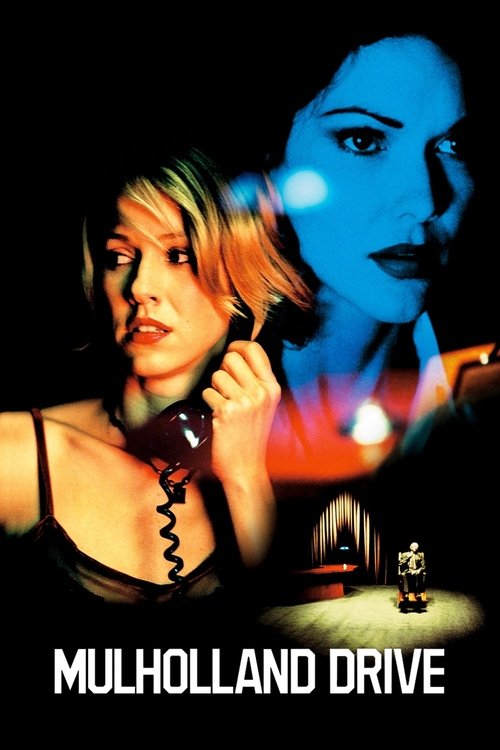
This is not a list of films that are merely confusing. Confusion is cheap. What these works share is a deeper ambition: to make the mechanics of perception, memory, and consciousness felt rather than merely discussed. You do not just watch Mulholland Drive; you dream it. You do not just play Disco Elysium; you excavate it. The genre spans nine decades and every medium, and its greatest entries reward patience, repeat visits, and the willingness to admit that you do not fully understand what just happened to you. That admission is not failure. It is the whole point.
The undisputed canon
Works every serious fan of the genre has already argued about



Primer is the only truly honest time-travel film
Most time-travel films quietly lie to you: they grant the audience an omniscience the characters do not have, so the confusion feels managed and safe. Shane Carruth refuses that deal. Primer withholds nothing and explains nothing; it assumes you are as smart as the engineers on screen and just as lost. That is not a flaw in the storytelling. It is the story. The film's $7,000 budget becomes a formal argument: the less it looks like a Hollywood production, the more honest it is about what time travel would actually feel like from the inside. Which is: terrifying, banal, and irreversible.
Broken reality on the small screen
Series that treat the episode format as a hall of mirrors



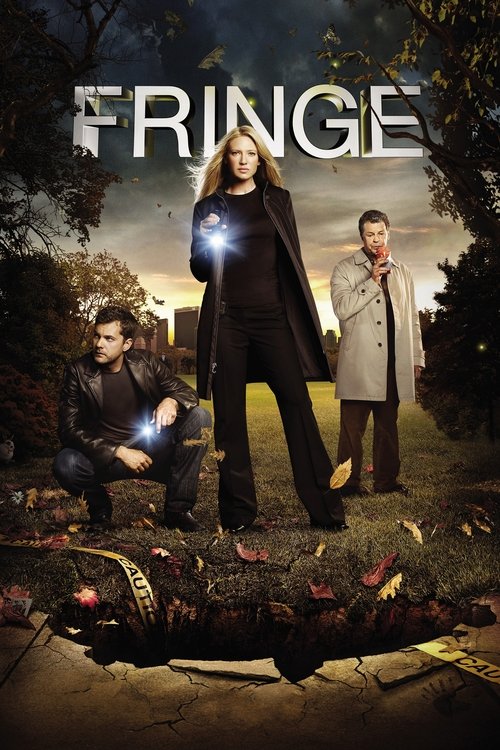
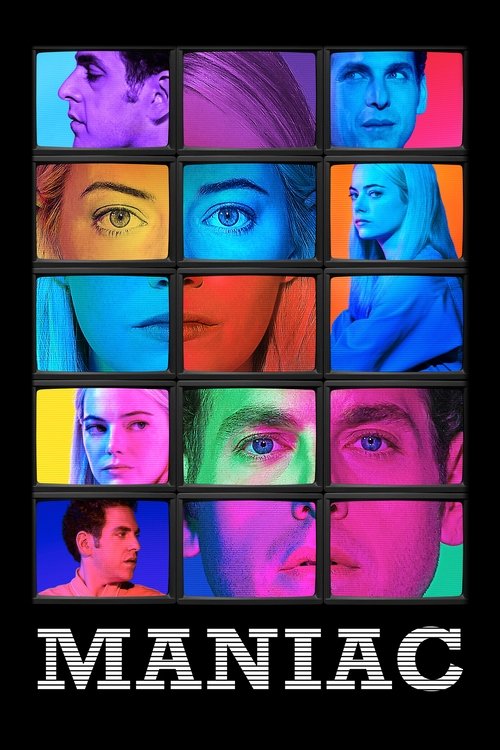
Severance does something Lost never could
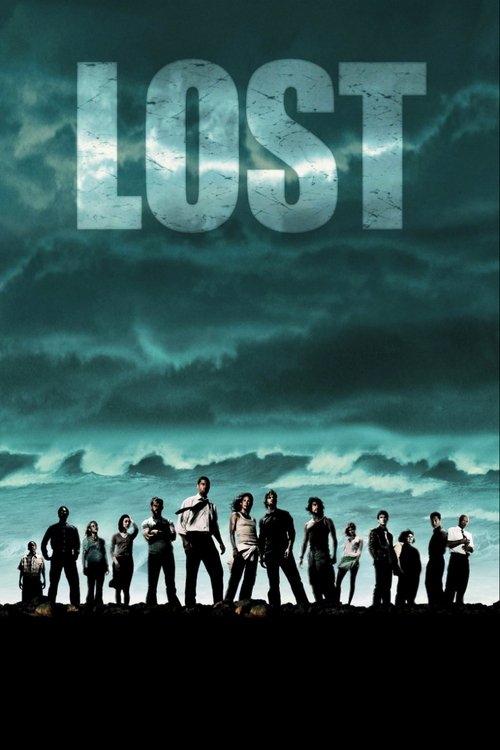
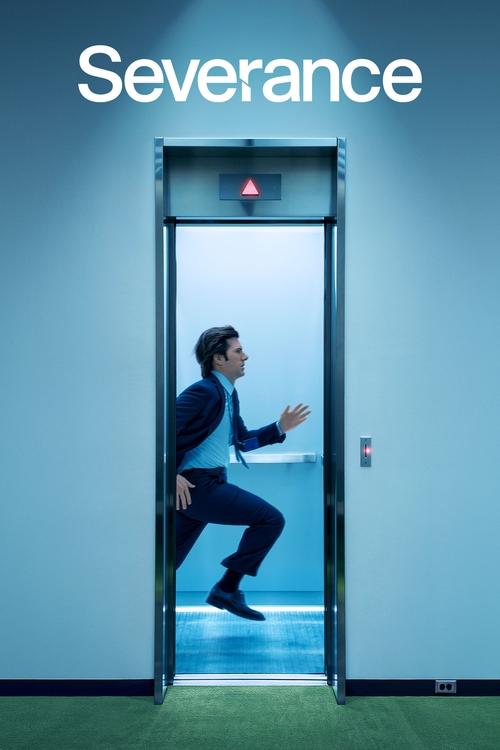
Lost built its mystery as a promise it could never keep: the longer it ran, the more the mythology accumulated debt against any possible payoff. Severance inverts the trap entirely. The central premise, that your work-self and home-self are surgically partitioned, is complete as a metaphor from the first episode. Even if the show never resolved a single plot thread, you would still understand exactly what it is about. That is the sign of real structural intelligence in a mystery narrative: the show is already saying its truest thing before the answers arrive.
A short history of reality coming apart on screen
- 1962Resnais fractures memory Last Year at Marienbad
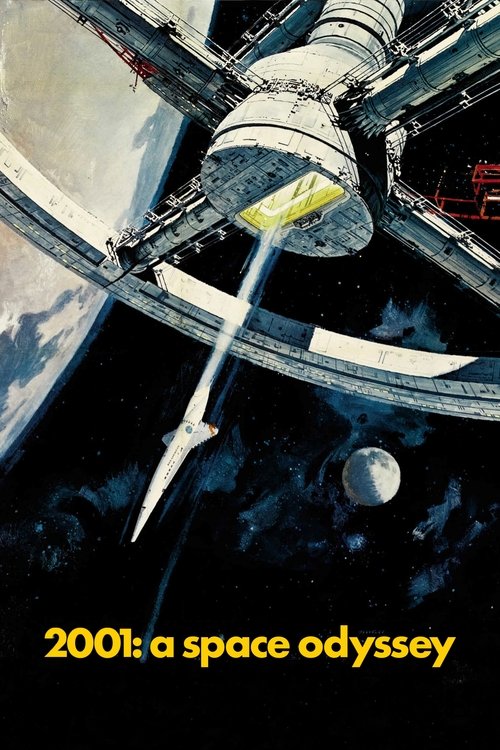
- 1968Stargate has never been explained 2001: A Space Odyssey
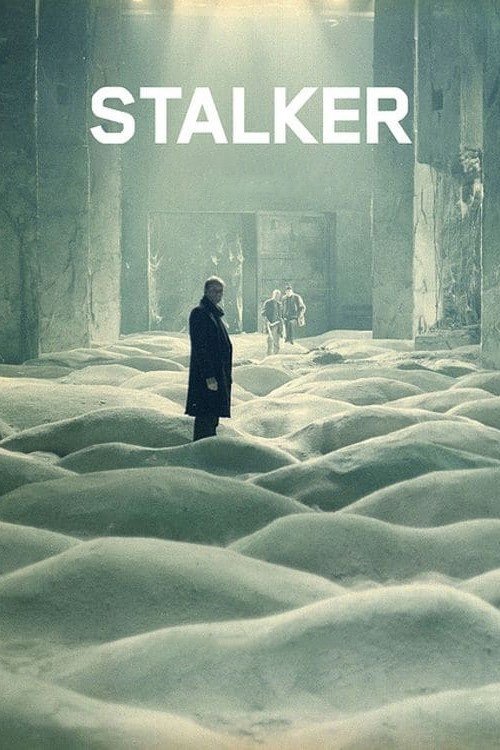
- 1979Tarkovsky turns a dead zone into a parable Stalker
- 1980The horror of an unreliable place The Shining
- 1985Kafka goes to the office Brazil
- 1990Cooper dreams of a different floor Twin Peaks
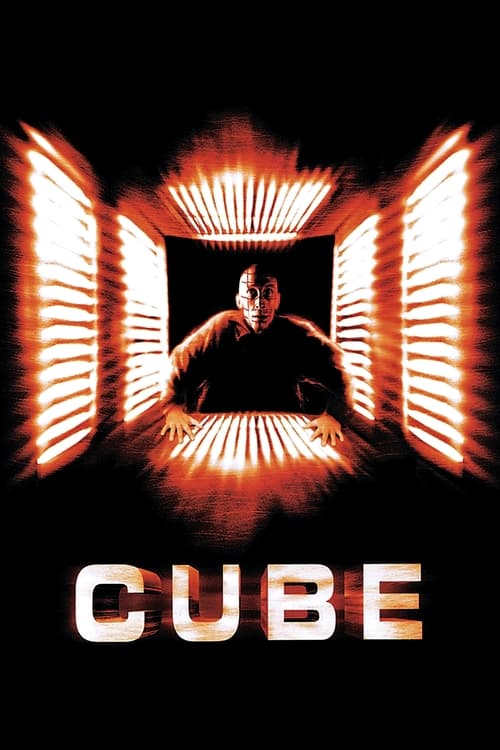
- 1997Consciousness becomes the enemy Cube
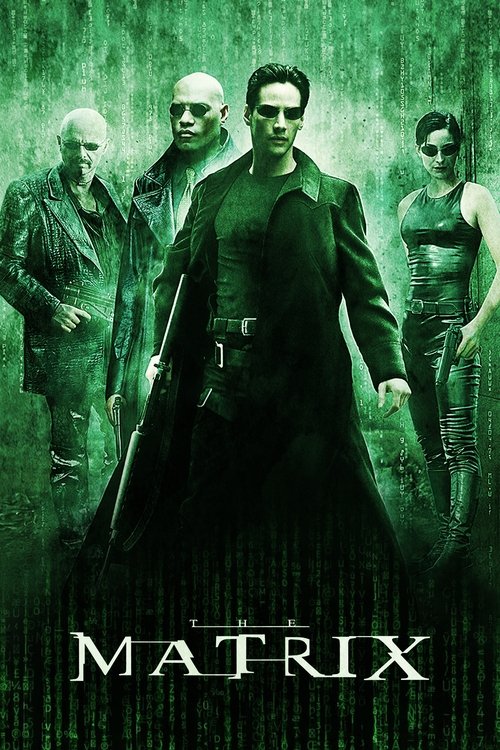
- 1999Four films reshape the possible The Matrix
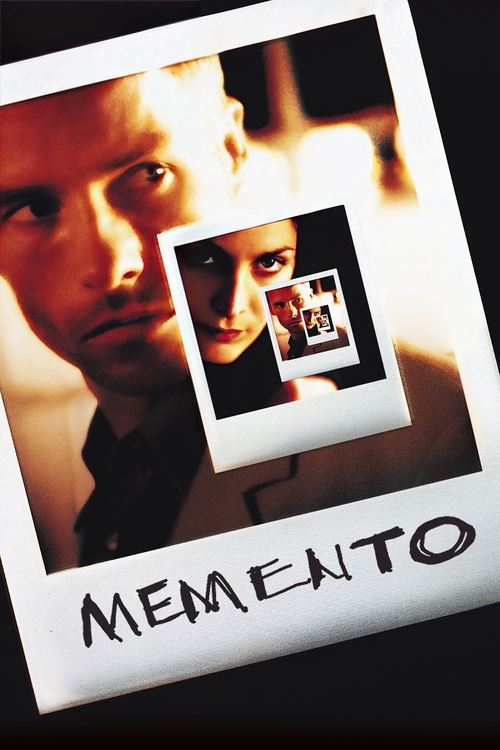
- 2000Backwards is forward Memento
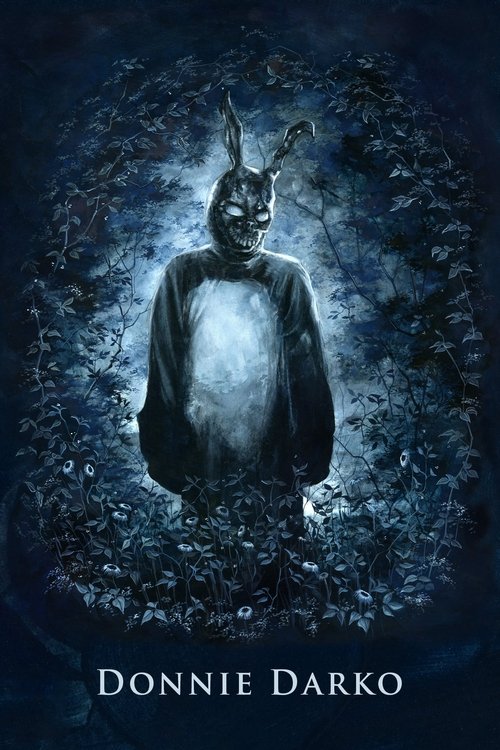
- 2001A suburban teenager receives instructions from a giant rabbit Donnie Darko
- 2004Flash-forward, flashback, sideways Lost
- 2006A magician explains nothing The Prestige
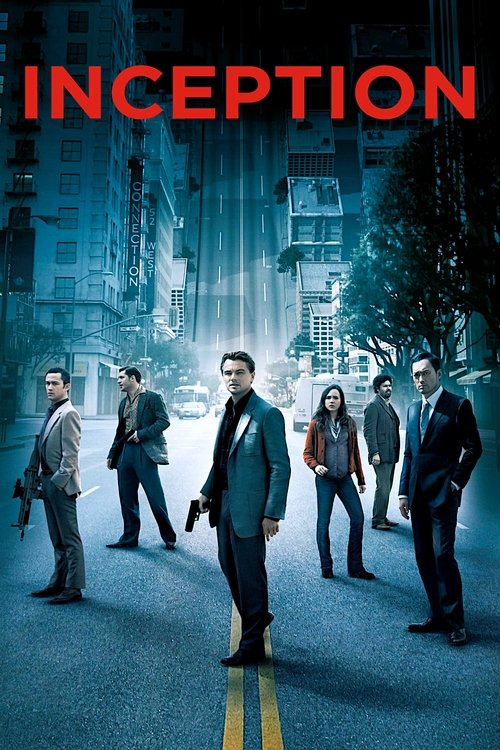
- 2010The dream machine goes mainstream Inception
- 2017German television grows up Dark
- 2017Lynch returns with eighteen hours of the inexplicable Twin Peaks
- 2022The office is the maze Severance
The films that earned their strangeness
Deeper cuts that reward patience and repeat viewings
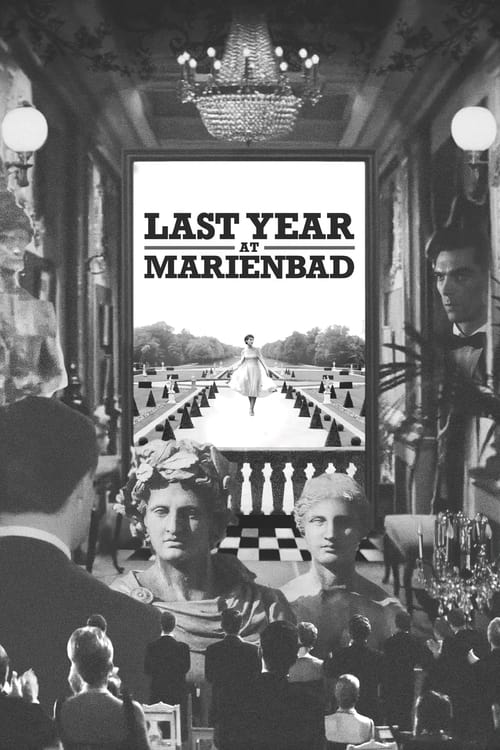
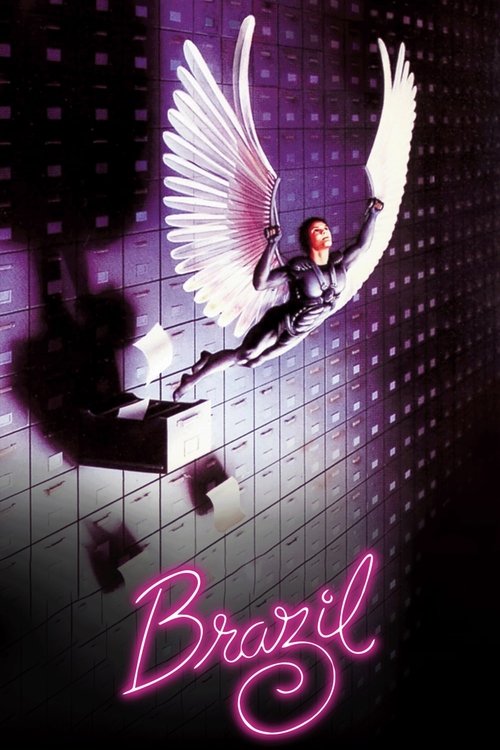

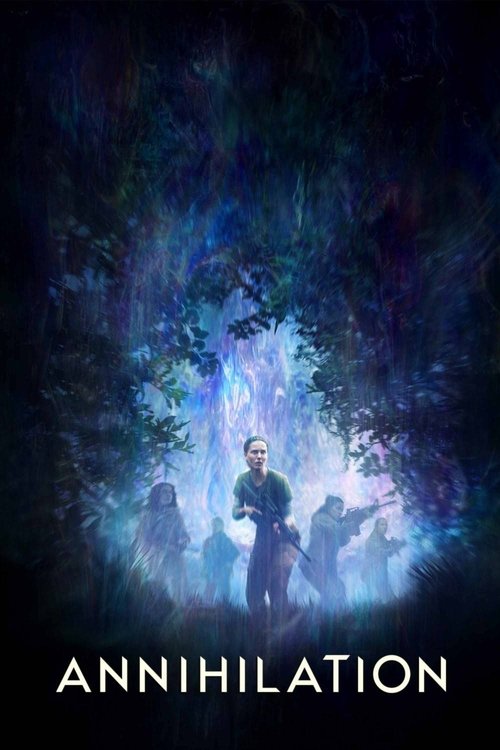


Annihilation is the best science fiction film of its decade
Annihilation commits to the one thing most ambitious science fiction films flinch from: not explaining the alien. The Shimmer does not operate on logic that can be reverse-engineered; it operates on metaphor, and the film trusts that the metaphor is enough. Alex Garland takes a novel widely considered unfilmable and proves the pessimists wrong not by domesticating its strangeness but by leaning into it. The bear scene is the most frightening two minutes in mainstream cinema of the last ten years. The ending is not ambiguous in the evasive sense. It is ambiguous in the way that the most serious questions about identity and transformation are ambiguous: genuinely open, honestly unresolved.

The best mind-bending stories are not puzzles with hidden solutions. They are experiences that make you question the instrument you are using to understand them: your own mind.CrossBinge Editorial
On the page: the literary canon
The books that built the vocabulary this genre borrows from


Games that dissolve the fourth wall
Interactive works where confusion about reality is a design choice, not an accident


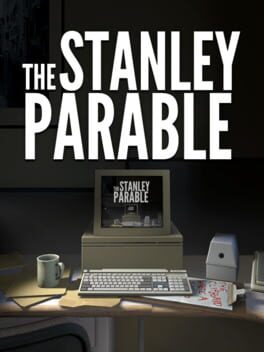

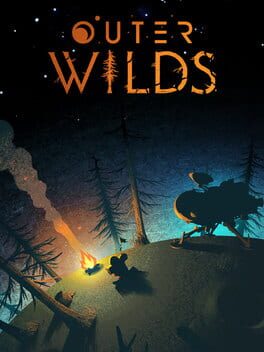
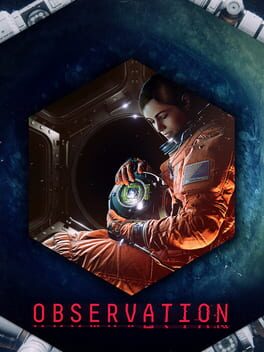
Outer Wilds is the only game that made its twist unpatentable
Most games with narrative twists become, on second playthrough, a hollow delivery mechanism for something you already know. Outer Wilds is the single exception in the medium's history: knowing the answer makes every prior moment more meaningful, not less. The mystery is not withheld from you; it is distributed across the solar system and you were always capable of assembling it. The melancholy at the center of the game is not a plot point. It is a philosophical position about time, loss, and what it means to understand something too late to change it. No other game in the genre comes close to what this achieves.
Where to go next
If the canon list reads like homework, start with Coherence. Shot in a single house over one night on a micro-budget, it is the most efficient introduction to the genre's core anxiety: the idea that the world you woke up in this morning might not be precisely the one you are living in tonight. From there, the path forks. Toward cinema's genuinely difficult end, Last Year at Marienbad remains the genre's founding provocation: eighty minutes that refuse to confirm whether any event in the film actually occurred. Toward television, Dark is the most structurally ambitious series the streaming era has produced; its three-season time-loop architecture rewards viewers who keep notes and punishes those who do not.
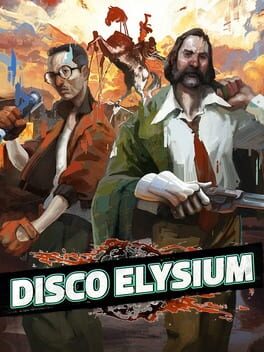
For games, if you have never played Disco Elysium, clear a weekend. It is not a mind-bending game in the puzzle sense; it is mind-bending in the way that genuinely good literary fiction is mind-bending: it makes you uncertain about your own assumptions and leaves you with questions you are still working through a year later. That is the highest praise this genre can offer any work.