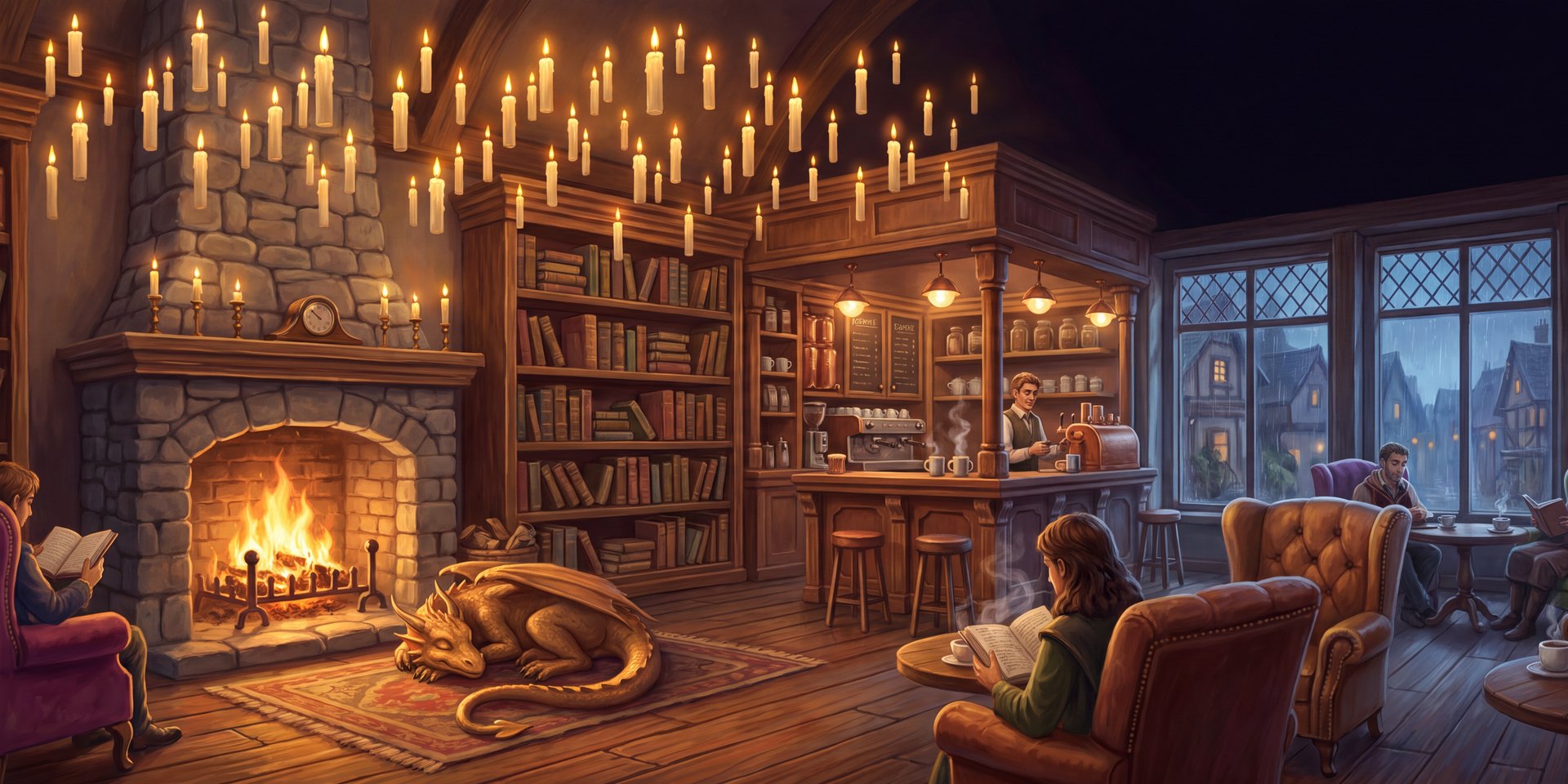

Cozy fantasy trades world-ending stakes for warmth, community and small everyday magic. The tension comes from relationships, craft and belonging rather than battles, and the promise is comfort: found family, safe spaces, hopeful endings. Think a retired adventurer opening a coffee shop rather than storming a dark lord's tower.
This guide runs from the coffee-shop-fantasy boom that Legends & Lattes touched off, back through the gentle-magic ancestors, Howl's Moving Castle, Redwall, the Moomins, Studio Ghibli, that loved this mode long before it had a name. Becky Chambers proved cozy and profound are the same thing, not opposites.
The essential cozy fantasy
If someone asks what the whole subgenre is, hand them these first.




The coffee-shop fantasy boom
Legends & Lattes lowered the stakes to a service counter, and a whole wave followed.



Gentle magic and found family
The heart of the genre: chosen families, small kindnesses, low villainy.



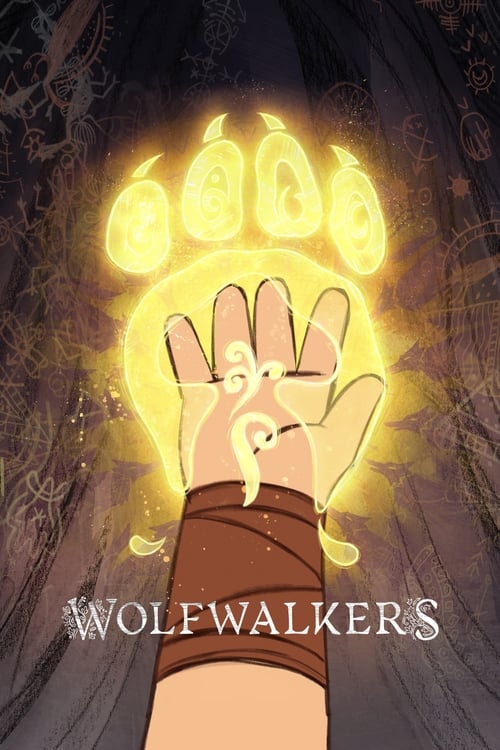
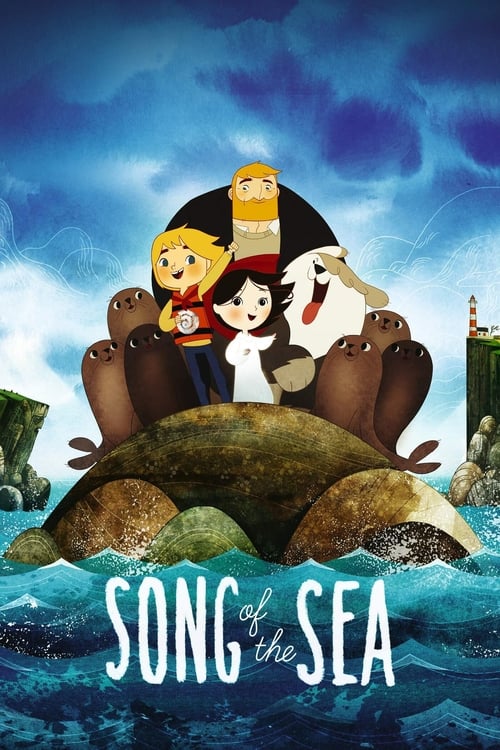
Cozy fantasy on screen
The films and shows that feel like a warm blanket.
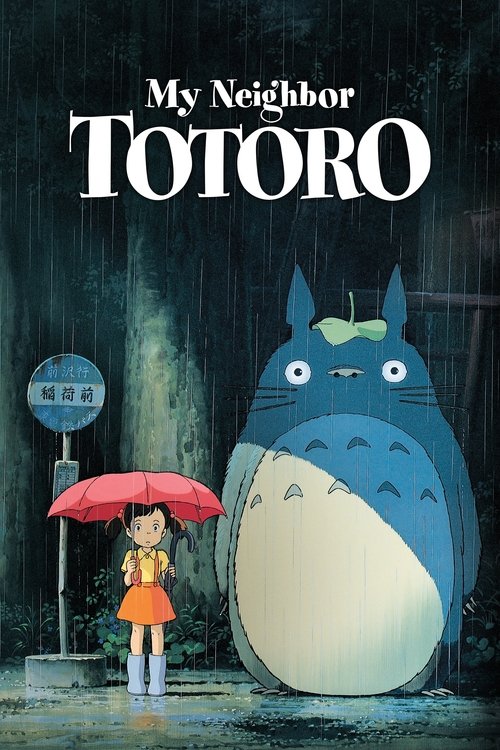
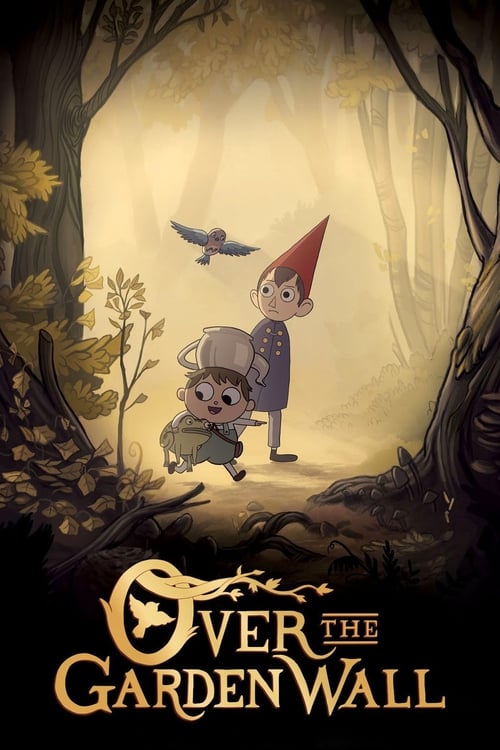


The comfort-classic ancestors
Gentle fantasy long before it had a marketing label.


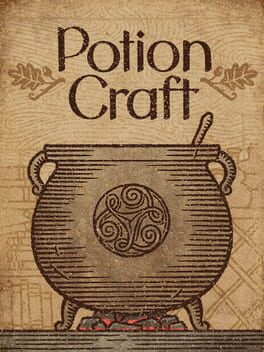
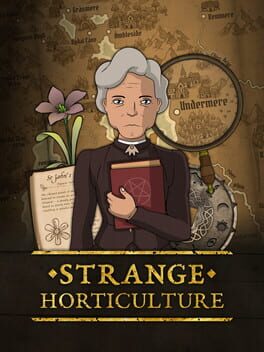
Tea, potions and small magics
Domestic craft as the whole point, not the interlude.



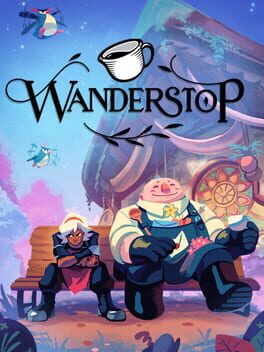
Cozy science fiction
Becky Chambers proved warmth scales past the atmosphere.


Cozy anime and manga
Japan has been making gentle fantasy this whole time.





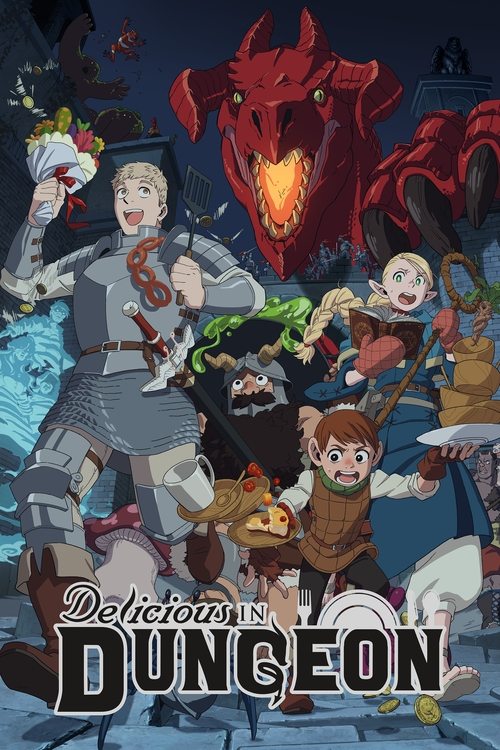
Whimsical rom-com fantasy
When the stakes are mostly whether these two idiots will kiss.


The timeline
- 1908The Wind in the Willows makes riverbank comfort and snug homes a whole aesthetic. The ur-text of coziness in fiction.
- 1937The Hobbit sets the template for comfort-adventure: a homebody hero, second breakfasts, there and back again.
- 1948Tove Jansson's Finn Family Moomintroll turns hygge and gentle valley life into enduring fantasy.
- 1968The Last Unicorn shows gentle fantasy can be lyrical and quietly devastating at once.
- 1986Two pillars land in one year: Diana Wynne Jones's Howl's Moving Castle and Brian Jacques's Redwall, warm domestic magic and abbey feasts.
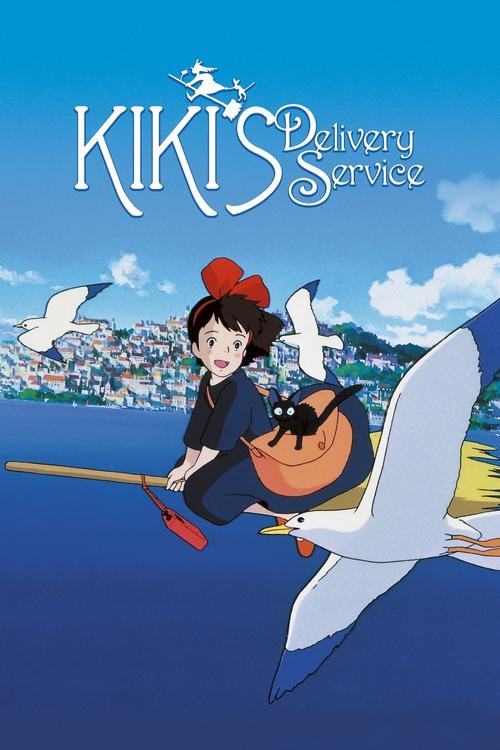
- 1989Studio Ghibli's Kiki's Delivery Service defines gentle-fantasy on screen: a young witch, a small business, no villain.
- 2014Katherine Addison's The Goblin Emperor and Becky Chambers's The Long Way to a Small Angry Planet quietly model kindness-first fantasy and cozy SF before the trend has a name.
- 2017Katie O'Neill's The Tea Dragon Society gives the comics shelf its cozy touchstone.
- 2020TJ Klune's The House in the Cerulean Sea becomes a runaway found-family hit, and Spiritfarer does the same for games.
- 2021Becky Chambers's A Psalm for the Wild-Built crystallizes the mood: a tea monk, a robot, and the question of what a person is for.
- 2022Travis Baldree self-publishes Legends & Lattes; it explodes, and 'cozy fantasy' becomes a bookseller category with its own shelf.
- 2023Heather Fawcett's Emily Wilde's Encyclopaedia of Faeries and Baldree's Bookshops & Bonedust show the wave has legs beyond one hit.
- 2024Sarah Beth Durst's The Spellshop lands as a bestseller and cottagecore-cozy is unmistakably mainstream publishing.
Bookish and library magic
For readers who fall for stories about falling for stories.



T. Kingfisher's warm shelf
Fairy-tale grit with an unfailingly kind heart.


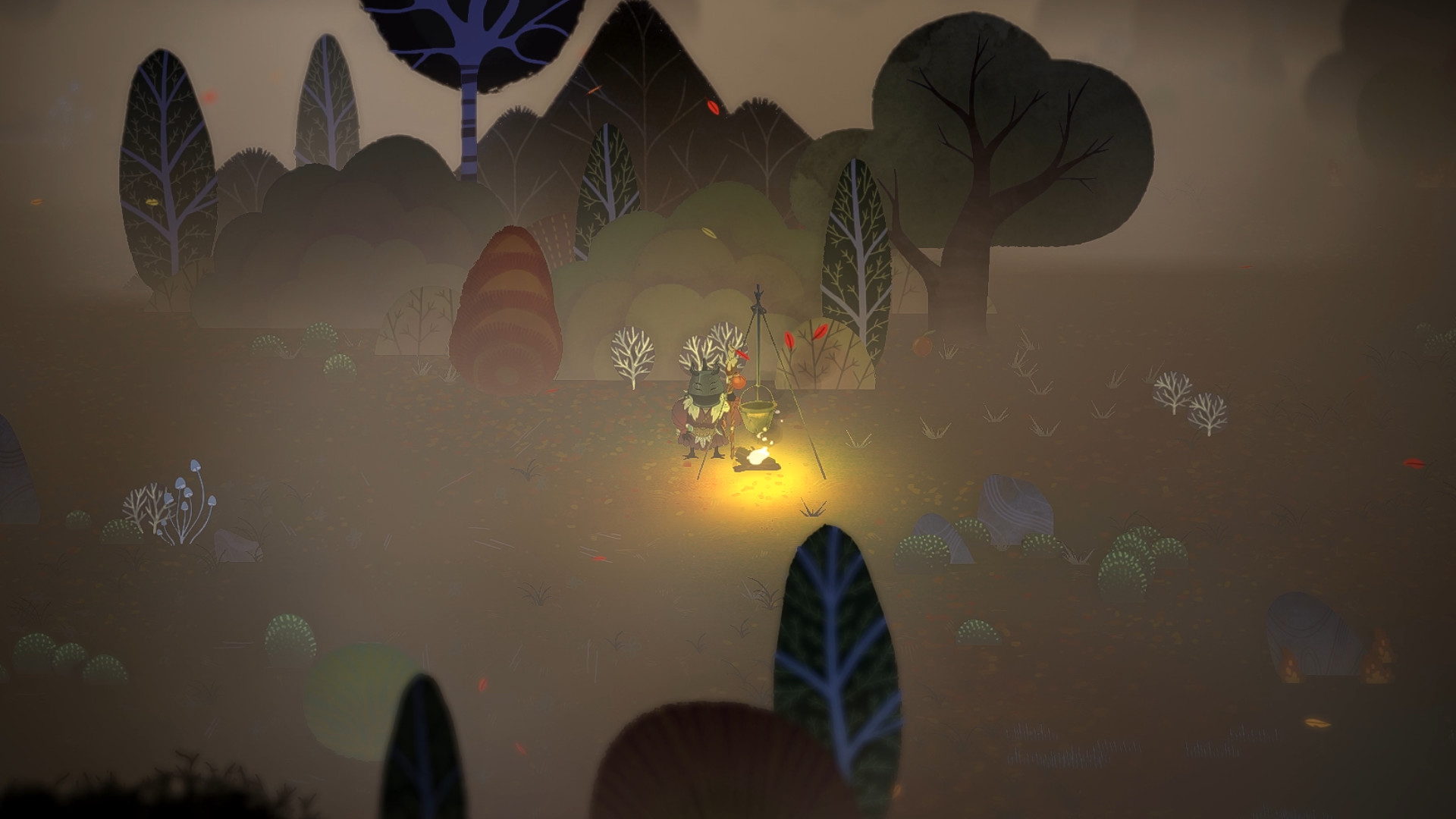
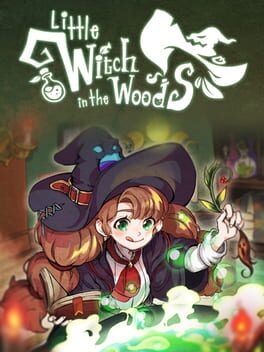
Cozy fantasy games (a taster)
Not a full canon, just the ones that scratch the same itch.


Gentle fairy-tale retellings
Old stories told softly, from an unexpected side.



The gentle-magic authors
Keep exploring
Cozy & Wholesome: The Complete Comfort Guide
Explore the Cozy & Wholesome: The Complete Comfort Guide guide →Frequently asked
What is cozy fantasy?
Cozy fantasy is fantasy that trades world-ending stakes for warmth, community and small everyday magic. The tension comes from relationships, craft and belonging rather than battles, and the emotional promise is comfort: found family, safe spaces, hopeful endings. Think a retired adventurer opening a coffee shop rather than storming a dark lord's tower.
Where should I start with cozy fantasy?
Legends & Lattes by Travis Baldree is the modern entry point and the book that named the wave. If you want something gentler and more literary, try Becky Chambers's A Psalm for the Wild-Built; for found-family warmth, The House in the Cerulean Sea by TJ Klune. All three are short, hopeful and self-contained.
Is cozy fantasy the same as low-stakes or gentle fantasy?
They overlap heavily. 'Gentle fantasy' is the older, broader tradition, from The Wind in the Willows to Studio Ghibli, of warm, low-peril magic. 'Cozy fantasy' is the specific 2020s publishing category that crystallized that mood into a marketing shelf, usually with coffee shops, cottagecore settings, queernorm romance and explicitly low stakes.
Does cozy fantasy include science fiction?
Yes. Becky Chambers's Wayfarers and Monk & Robot books are widely shelved as cozy science fiction: same warmth, found family and low-conflict character focus, just with spaceships or solar-powered robots instead of tea dragons. The mood is the genre, not the trappings.
What are the classic ancestors of the cozy fantasy wave?
Long before the label, gentle fantasy thrived: The Wind in the Willows (1908), The Hobbit (1937), the Moomin books, Redwall, Diana Wynne Jones's Howl's Moving Castle, and the Studio Ghibli films. The 2020s boom didn't invent the mode; it gave a name and a shelf to something readers had always loved.
Are there cozy fantasy games and anime, or just books?
The subgenre is book-dominant, but the mood is everywhere. Games like Spiritfarer, Coffee Talk, Wanderstop and Stardew Valley are cozy fantasy in interactive form, and anime like Frieren, Spice and Wolf, Restaurant to Another World and nearly the whole Ghibli catalog carry the same gentle warmth.