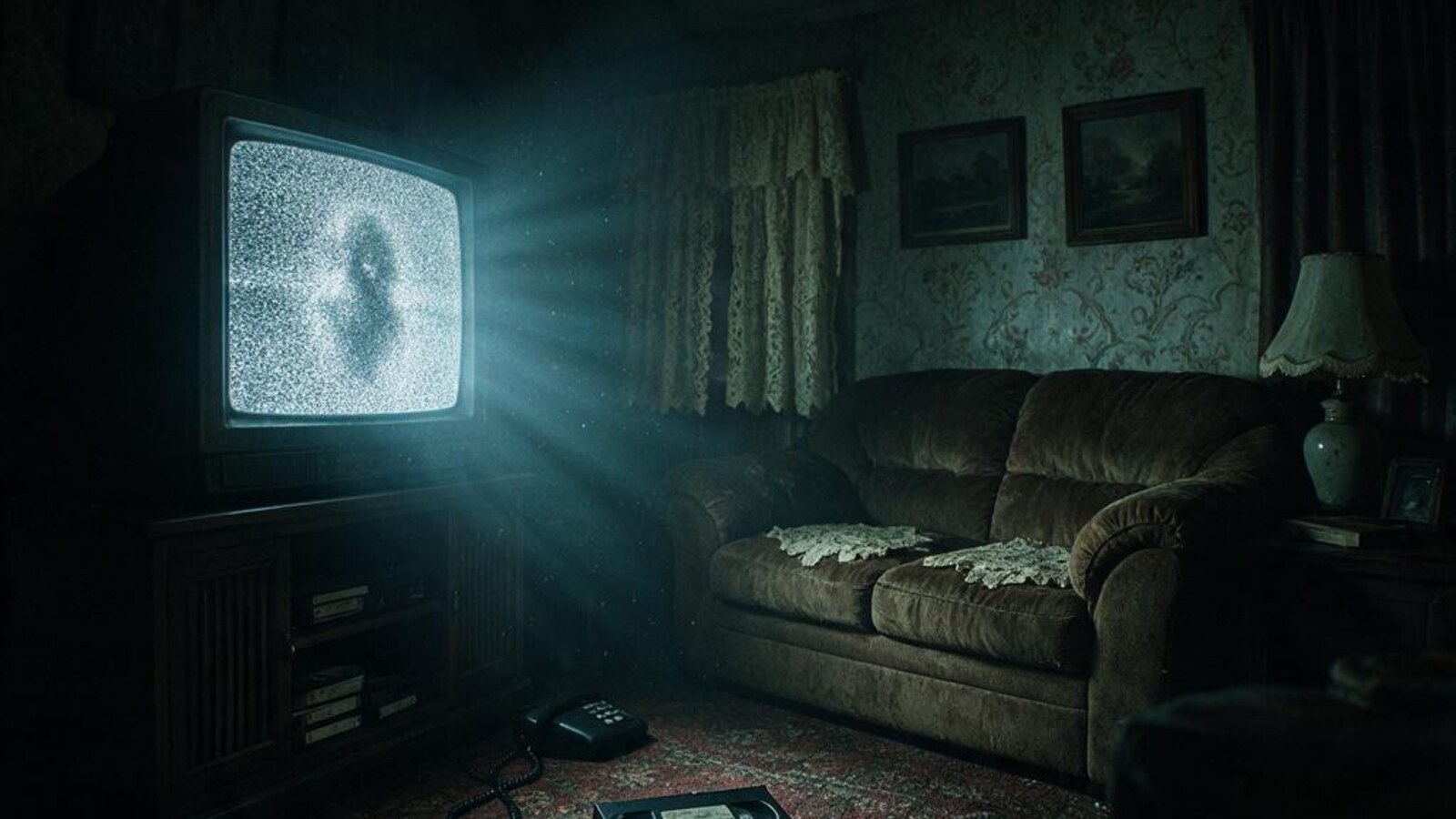

Cursed media horror finds its monster inside the machines we invite into our homes. A videotape, a phone call, a website, a home movie, a dead television channel: each becomes a vector for something that should not exist, spreading like a virus through the technology we trust. It is horror perfectly suited to the modern age, where the haunted thing is not a house but a signal, and the only way to survive is to pass the curse along.
The tradition runs from Cronenberg's prophetic Videodrome through the J-horror wave of Ringu and Pulse, into the screenlife dread of Cam and Host and the eerie analog-horror movement thriving on YouTube and in indie games. It is a genre obsessed with static, glitches, and the uncanny space behind the screen. Below is the whole broadcast: the essential films, the J-horror curse cycle, the screenlife era, the analog-horror games, and the novels that dialed in the dread.
Essential cursed media horror


The J-horror curse cycle
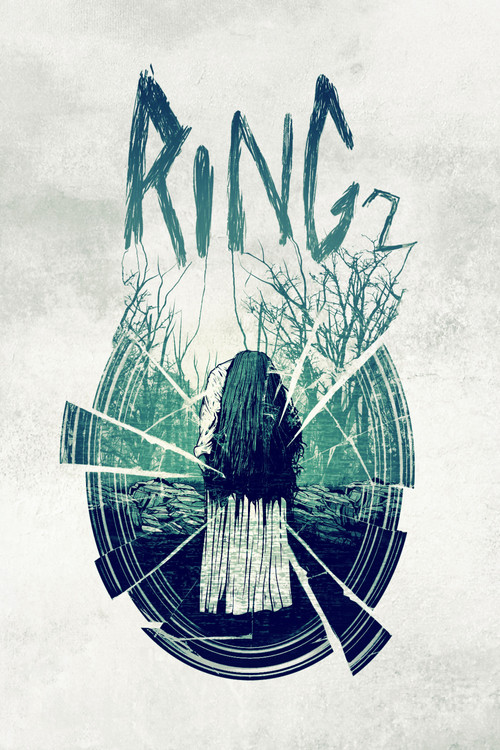
Ringu turned the television into a coffin
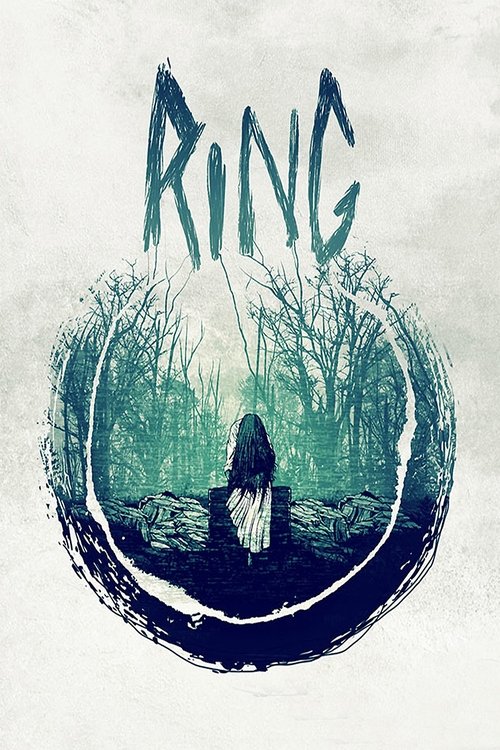
Hideo Nakata took an ordinary videotape and made it the deadliest object in horror: watch it, and in seven days a drowned girl crawls out of your own screen to claim you. Ringu understood that our devices are portals, and that the scariest place in the house is the grey static of a channel with no signal. It launched a global wave and it has never been topped.
The screenlife and found-signal era

Analog dread and the broadcast
Haunted screens in games




Videodrome saw the whole genre coming
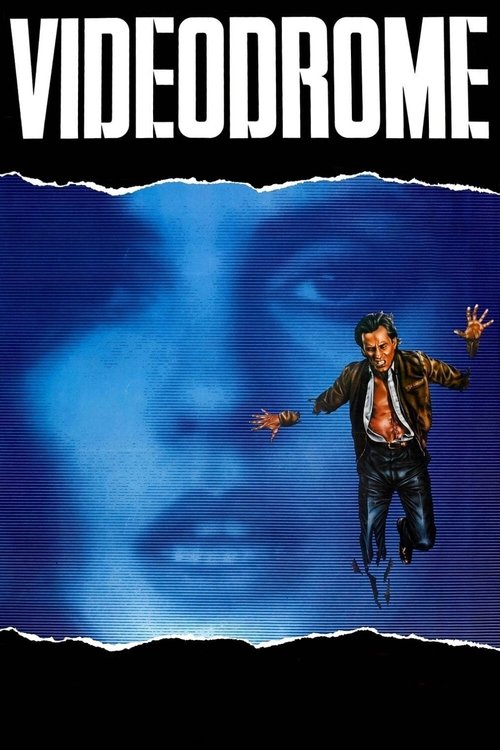
Decades before smartphones, David Cronenberg imagined a signal that rewrites the flesh of anyone who watches it, prophesying a world where media and body merge into something monstrous. Long live the new flesh. It is the philosophical bedrock of cursed media horror, a fever dream about screens consuming us that reads more true every year.
On the page: cursed media fiction


The timeline
- 1983Videodrome prophesies the horror of merging with media Videodrome
- 1998Ringu ignites the J-horror cursed-media wave Ring
- 2001Pulse turns the internet into a doorway for the dead Pulse
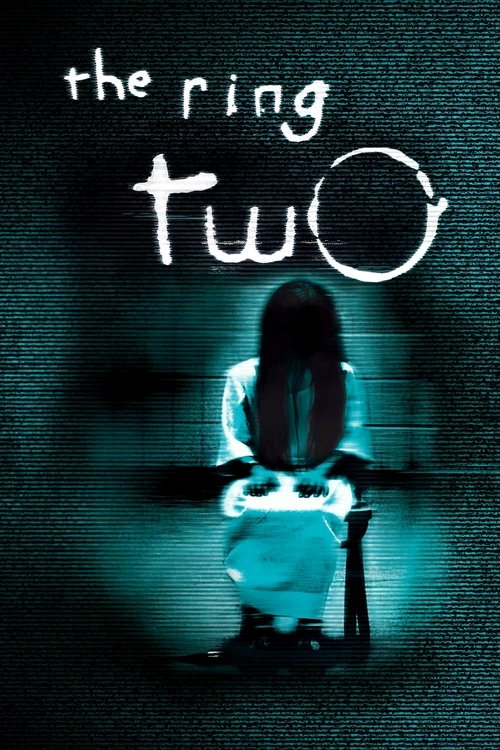
- 2002The Ring brings the cursed videotape to Hollywood The Ring
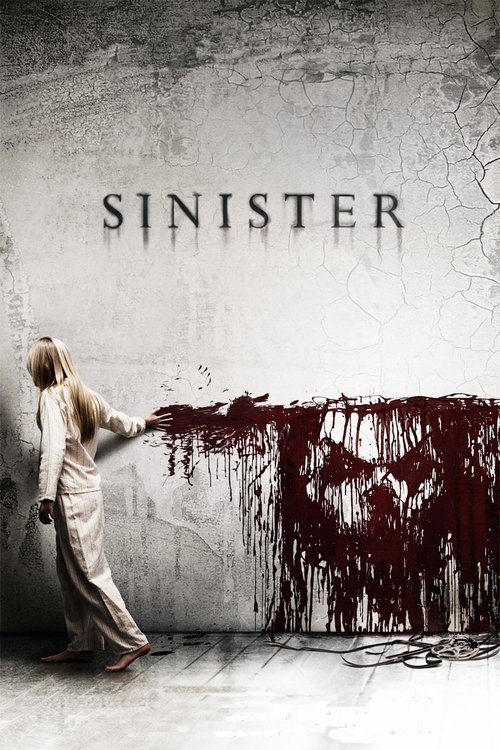
- 2012Sinister revives the haunted-home-movie Sinister
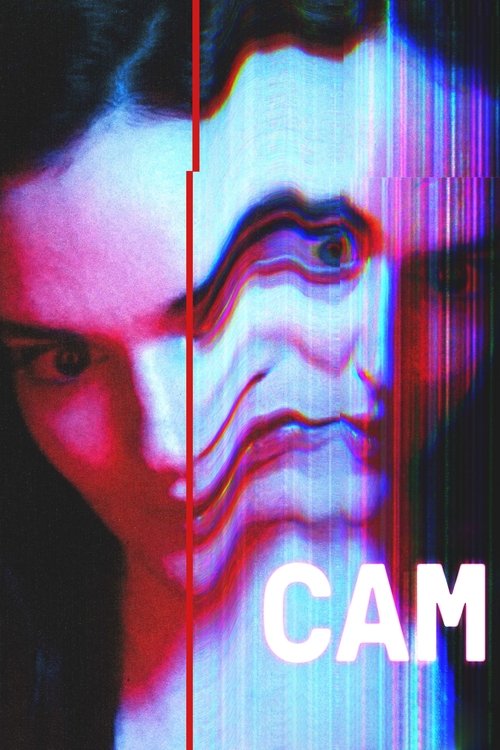
- 2018Cam takes cursed media into the streaming age Cam
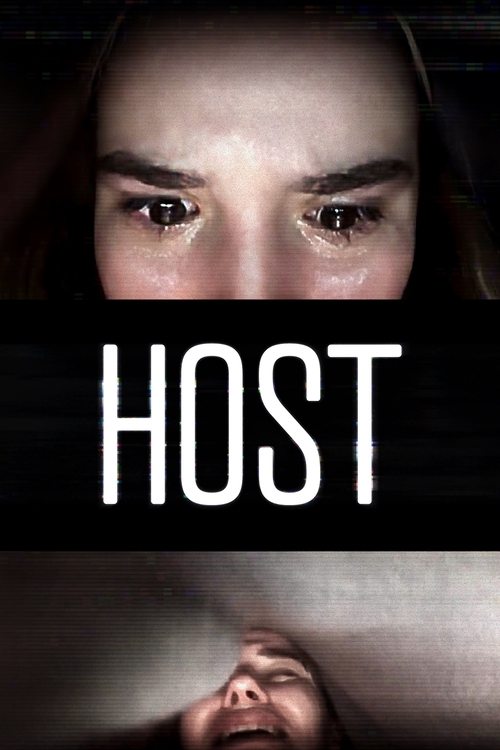
- 2020Host proves the curse can travel by video call Host
Analog horror made static terrifying again
The internet's homegrown analog-horror movement, all VHS glitches, emergency broadcasts, and corrupted transmissions, revived the genre for a generation raised on screens. Its aesthetic, seen in Sinister's snuff reels and countless YouTube series, understands that nothing is scarier than a familiar format gone wrong. The dead channel is the new haunted house.
Host proved the curse could livestream
Shot during lockdown over a video call, Host compresses the entire cursed-media tradition into a lean fifty-six minutes: a seance on a screen-sharing app that summons something into every participant's home at once. It is proof the genre renews itself with each new device, finding fresh dread in whatever screen we happen to be staring at.
Keep exploring
Found Footage Horror
Explore the Found Footage Horror guide →Frequently asked
What is cursed media horror?
Cursed media horror is a subgenre in which technology and media, such as videotapes, phone calls, television broadcasts, websites, or home movies, become the vehicle for supernatural or existential dread. The horror spreads through the devices we use every day, often like a contagion. Defining examples include Ringu and its cursed videotape, Pulse and its haunted internet, and Videodrome's flesh-rewriting broadcast.
What is analog horror?
Analog horror is a modern strain of cursed media horror that mimics the look of old analog technology, VHS tapes, emergency broadcasts, corrupted transmissions, and low-fi television, to create dread. It flourished as web series on YouTube and in indie games, and its aesthetic of glitching static and familiar formats gone wrong echoes films like Sinister and WNUF Halloween Special. The unsettling wrongness of a degraded signal is its core tool.
Where should I start with cursed media horror?
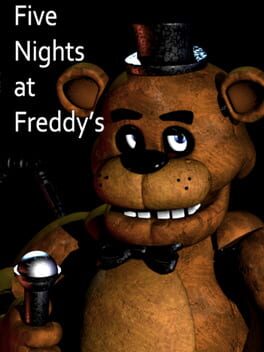
Start with Ringu (1998), the genre's most influential work, or its excellent Hollywood remake The Ring. For the philosophical roots, Cronenberg's Videodrome is essential. Kiyoshi Kurosawa's Pulse is the great haunted-internet film, and for the modern screenlife era, Host and Cam are the standouts. Analog-horror fans should also explore the FNAF games and Sinister's found-film dread.