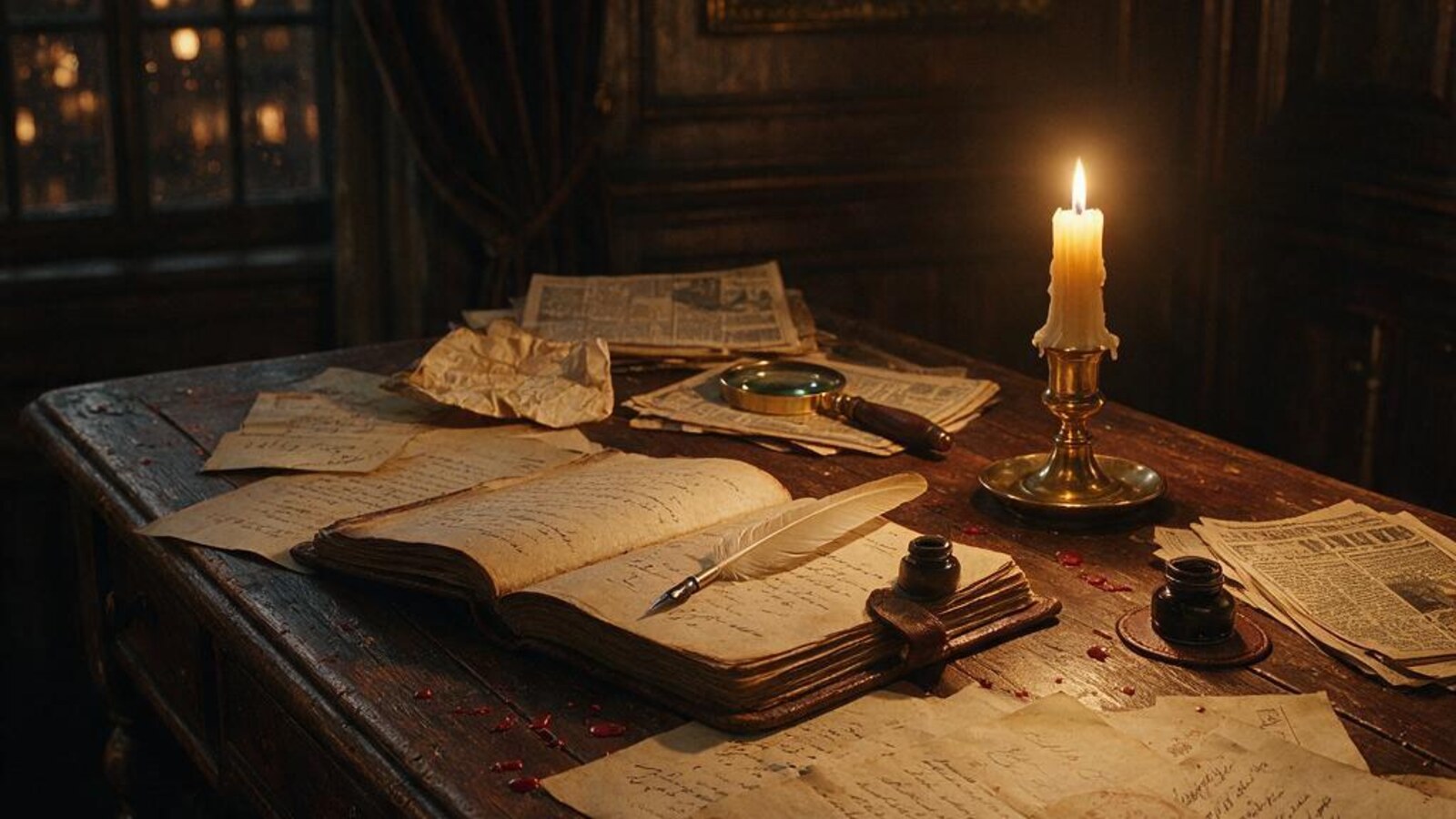

Epistolary fiction tells its story sideways, through the documents its characters leave behind: letters, diary entries, newspaper clippings, ship's logs, emails, chat transcripts, redacted files. Instead of a narrator telling you what happened, you assemble the truth yourself from fragments, and the gaps between documents become the most frightening or moving part. It is one of the oldest tricks in the novel, and one of the most durable.
The form gives us Dracula stitched from journals and telegrams, Frankenstein framed as letters home, the oral-history dread of World War Z, and the typographic labyrinth of House of Leaves. Its DNA runs into found-footage film and into games told through logs and voicemails. Below is the whole archive: the gothic origins, the modern masterpieces, the found-footage screen tradition, and the interactive stories that made you the reader-detective.
Essential epistolary novels


Gothic and classic origins


Dracula is the greatest epistolary novel ever written
Bram Stoker builds his vampire entirely out of documents: Jonathan Harker's journal, Mina's letters, Dr. Seward's phonograph diary, newspaper cuttings. The horror works because the characters are piecing the threat together in real time, just as you are. No single narrator could know the whole story, and that fractured knowledge is what makes it terrifying.
Modern epistolary masterpieces


Letters, diaries and dread


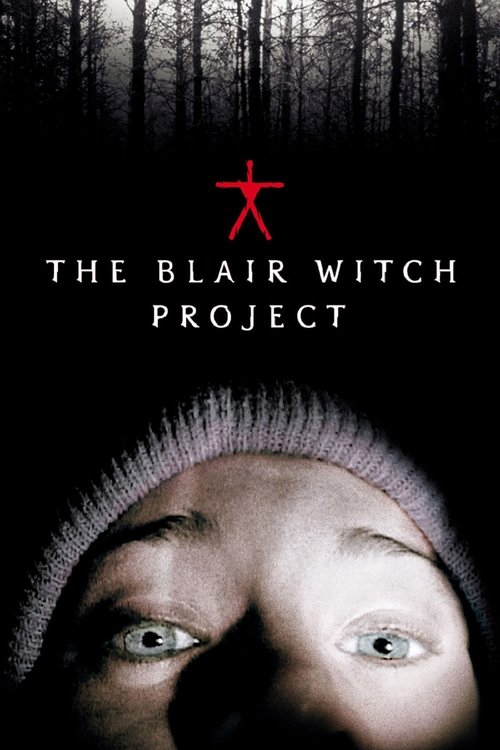
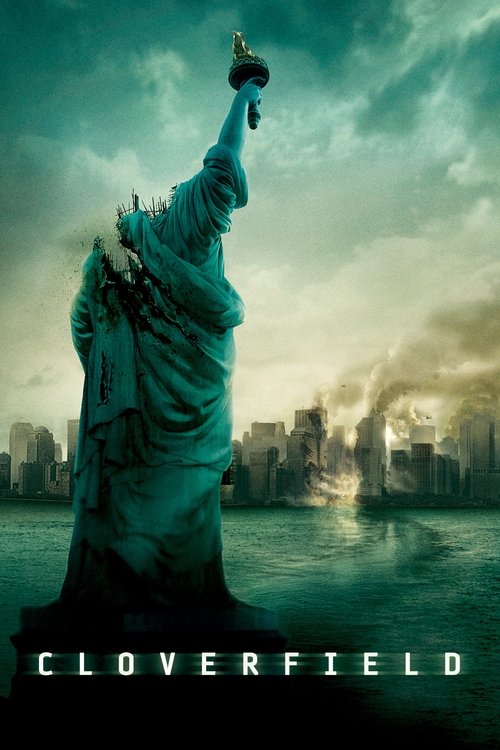
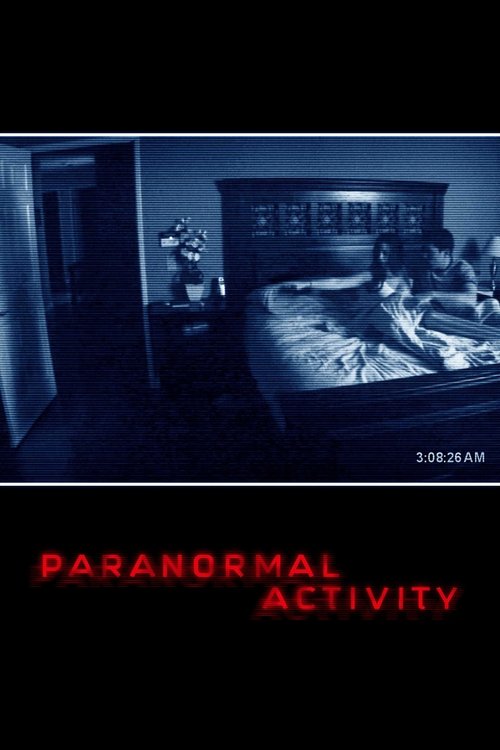
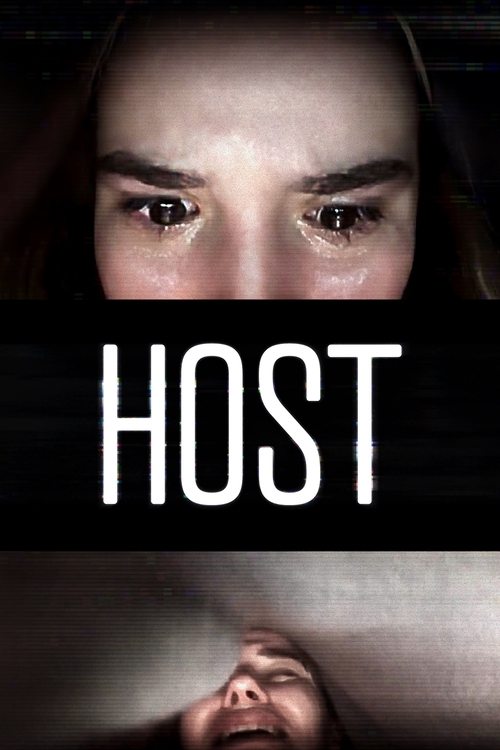
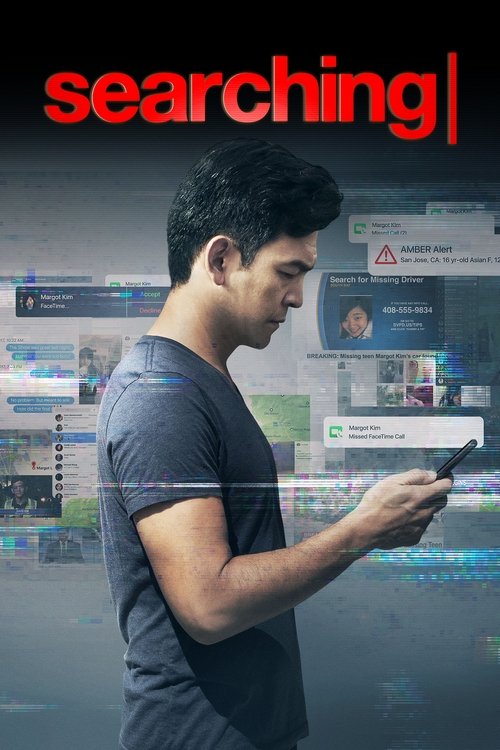
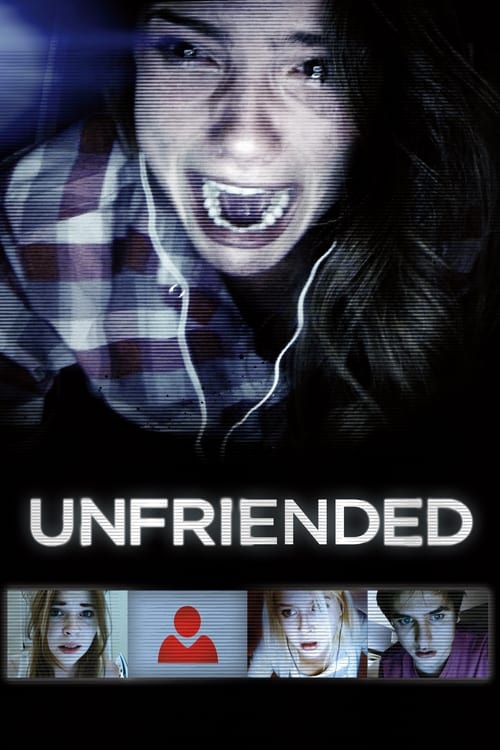
Found footage on screen
![[REC]](https://image.tmdb.org/t/p/w500/hgyJR4sgMsee6xMFM3xYiG6cDCh.jpg)
World War Z proved the oral history could be an epic
Max Brooks tells a global zombie apocalypse as a series of survivor interviews collected years later, and the fragmentary structure lets him span the whole planet in a way no single hero ever could. It is journalism as horror, and it is far stranger and sadder than the film that borrowed its name. The document is the monster's true measure.
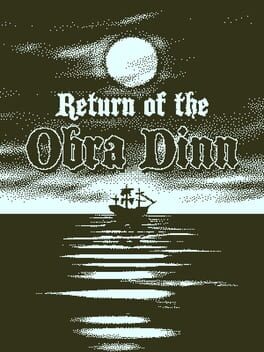
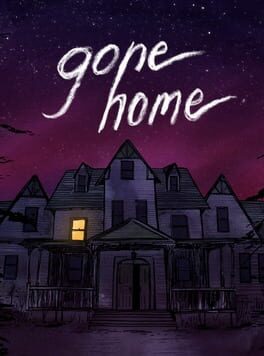
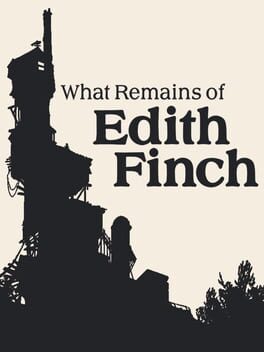
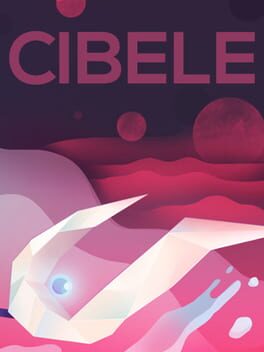
Stories told through documents: the games
The timeline
- 1740Richardson's Pamela popularizes the letter-novel Pamela
- 1818Frankenstein frames its horror as letters home Frankenstein
- 1897Dracula perfects the multi-document novel Dracula
- 1959Flowers for Algernon tells its tragedy through progress reports Flowers for Algernon
- 2000House of Leaves explodes the form typographically House of Leaves
- 2006World War Z reinvents epistolary as oral history World War Z
- 2015Her Story makes the found-document story interactive Her Story
House of Leaves turns the page itself into a labyrinth
Mark Z. Danielewski nests a documentary transcript inside a dead man's manuscript inside a tattoo artist's footnotes, then makes the typography physically enact the haunted house at its center. Text spirals, inverts, and runs off the page. It is epistolary fiction pushed to its absolute limit, a book you navigate rather than simply read.
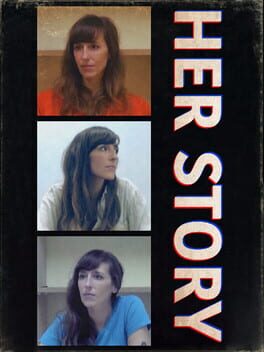
Her Story is the epistolary tradition made playable
Sam Barlow's game hands you a police database of video clips and lets you type search terms to assemble a murder mystery in whatever order you stumble into it. It is the found-document novel turned into pure interaction: you are the detective sifting the archive, and the story only exists once you piece it together.
Keep exploring
Cozy Mystery: The Complete Guide to Gentle Whodunits
Explore the Cozy Mystery: The Complete Guide to Gentle Whodunits guide →Frequently asked
What is epistolary fiction?
Epistolary fiction is a narrative told through documents rather than a conventional narrator: letters, diary entries, newspaper clippings, transcripts, emails, logs, and other in-world texts. The reader assembles the story from these fragments. It is one of the oldest novelistic forms, dating to the 18th century, and includes classics like Dracula and Frankenstein as well as modern works like World War Z and House of Leaves.
Why is epistolary fiction so effective for horror?
The form creates dread through incompleteness. Because the story is told through documents, each narrator only knows part of the truth, and the gaps between letters or entries let the reader's imagination supply the worst. It also lends a chilling authenticity, as in Dracula's journals or World War Z's interviews, making the fiction feel like recovered evidence rather than invented story.
Where should I start with epistolary fiction?
Dracula is the essential starting point and remains one of the greatest examples of the form. For modern readers, World War Z offers an accessible oral-history structure, and The Perks of Being a Wallflower is a gentle, moving entry told in letters. Readers who want a challenge should try House of Leaves, and gamers can experience the form interactively in Her Story.