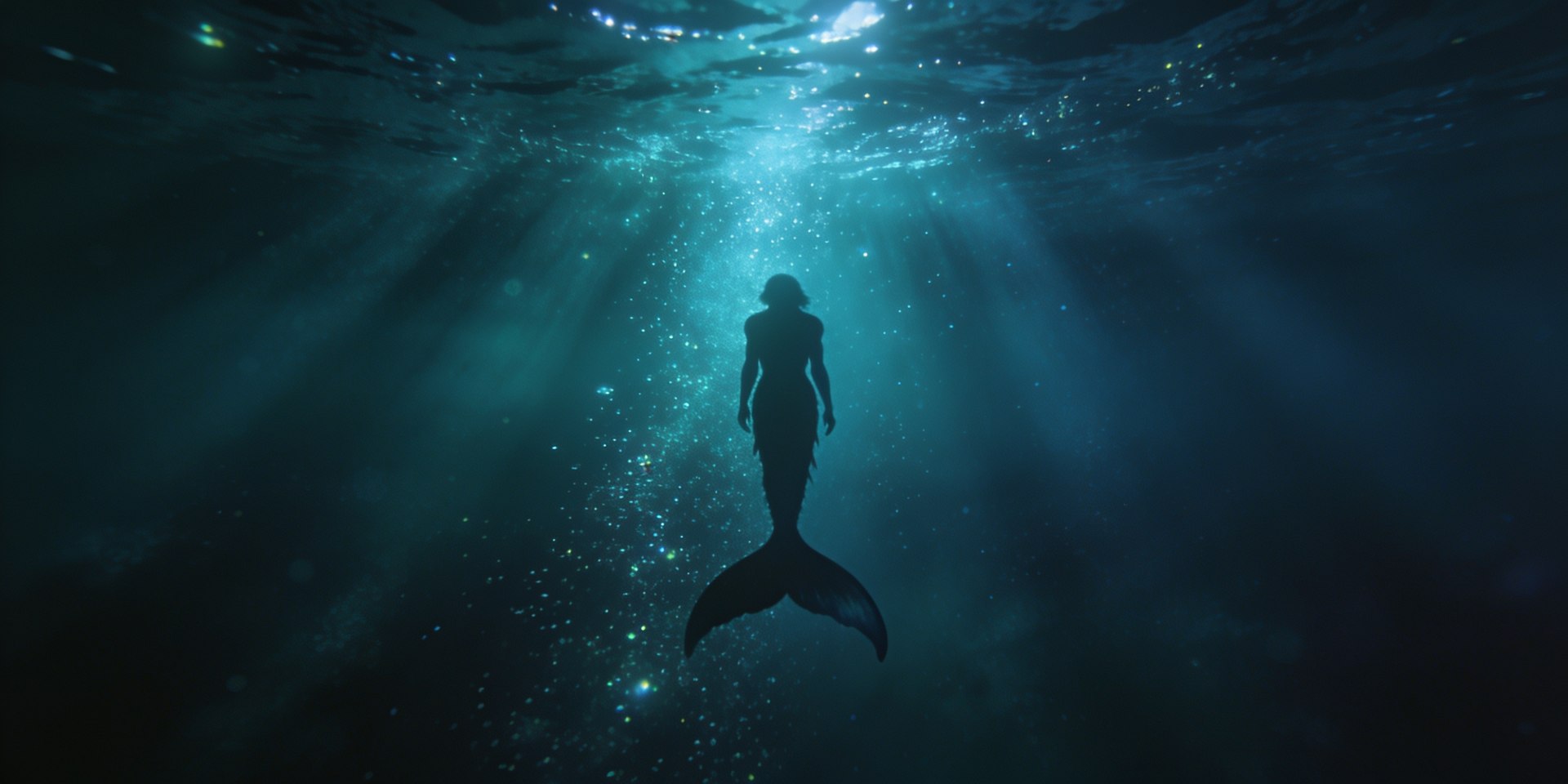

The sea has always needed a face. Long before oceanography, before sonar, before anyone had seen a deep-ocean trench, sailors filled the blank water with figures: women with tails who sang ships onto rocks, shapeshifters who shed a seal's skin and walked ashore, gods who shook the world from beneath. The mermaid is the oldest recurring character in popular culture. She predates the word "novel," predates cinema, predates printing. She is not fixed. Depending on the century and the culture, she is fatal, tender, lonely, terrifying, or comic. What holds her together across three thousand years of stories is desire running into impossibility: the yearning to cross a boundary between worlds that cannot be crossed without cost.
This guide covers the full range: the Andersen tale that became a Disney musical and a live-action blockbuster; the horror of the siren; the selkie lore of the Celtic Atlantic; the Atlantis myth; the games that put you under the water alongside her. Books and music are here too. The sea is cross-media by nature.
Essential sea myth
The canon, across every screen and page
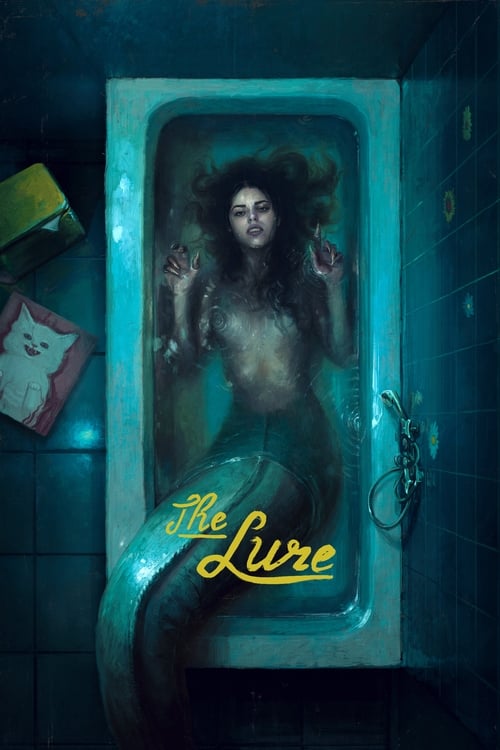
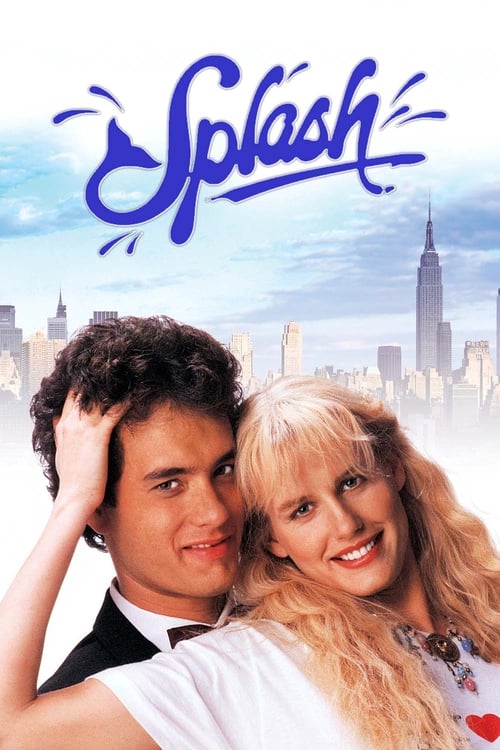
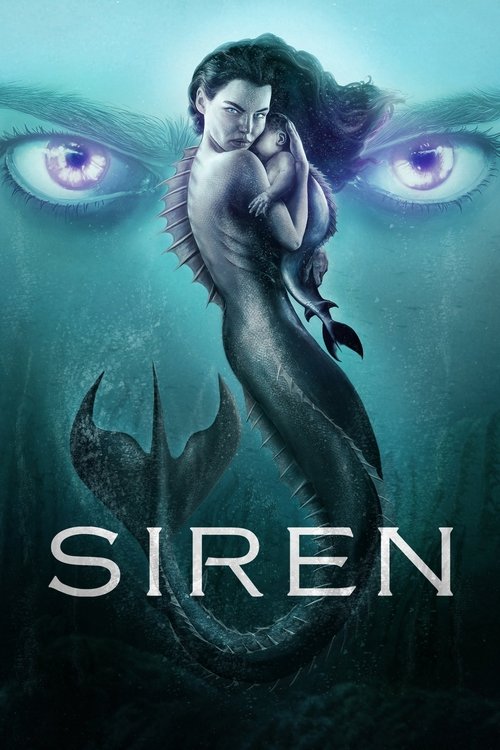

The tale that will not stay put
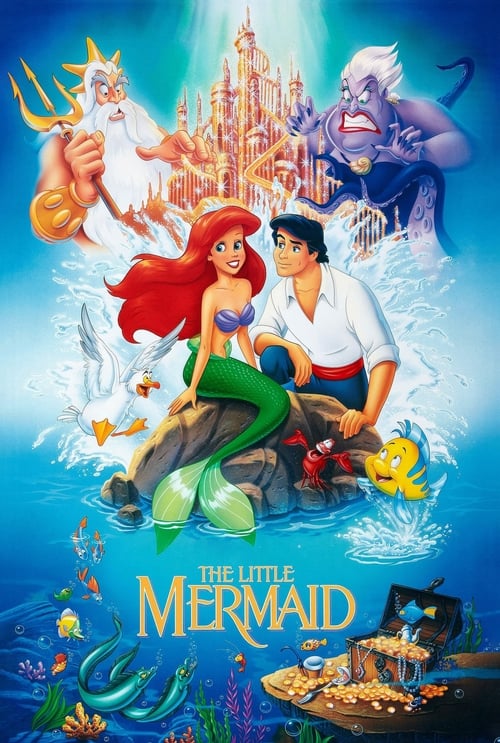
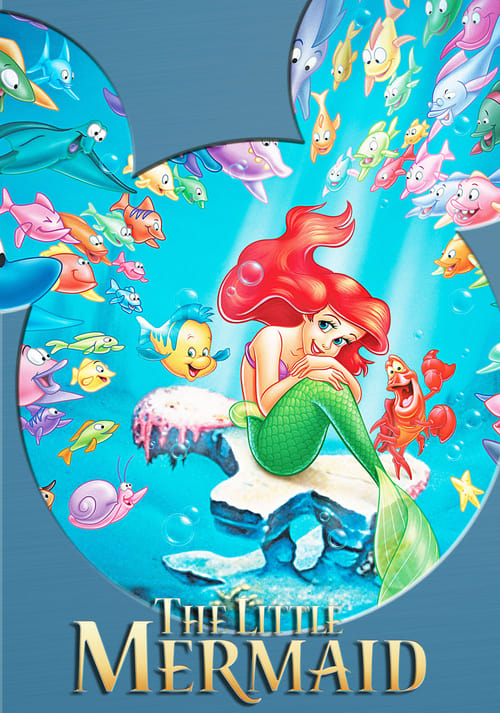
Hans Christian Andersen's 1837 story has been rewritten so many times that people routinely confuse the original with its most famous adaptation. The original is a tragedy: the mermaid does not get the prince, does not get her voice back, and dissolves into sea foam rather than kill him to save herself. Disney's 1989 version inverted almost every consequence: Ariel wins, the world above is a paradise, the lesson is that you should follow your dreams even when your family objects. Both versions have been argued about ever since. The 1989 film is one of the best animated features ever made; Andersen's tale is one of the strangest and most devastating short stories of the nineteenth century. You need to know both to understand why this story refuses to stop being told.
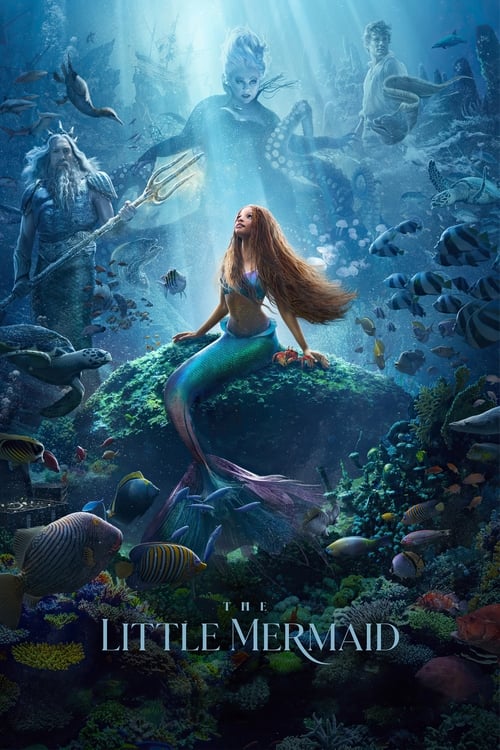
The mermaid on film
Romance, wonder and transformation

The selkie strand
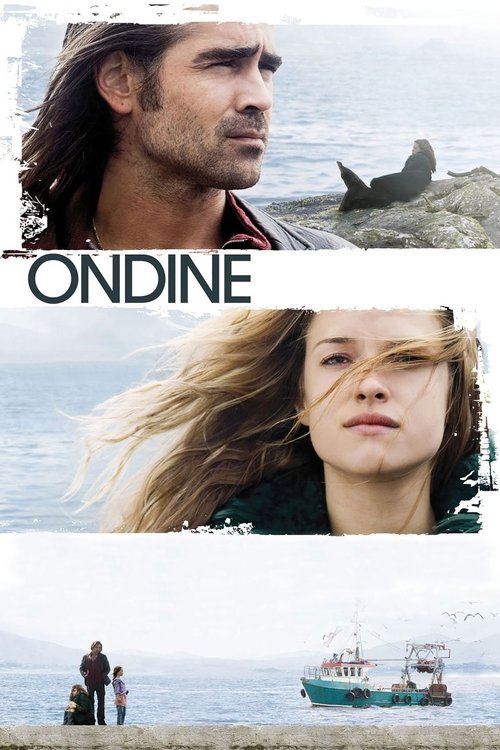
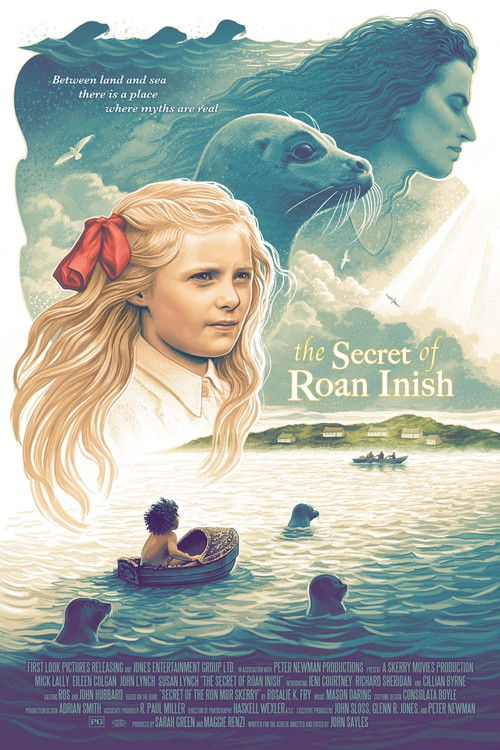
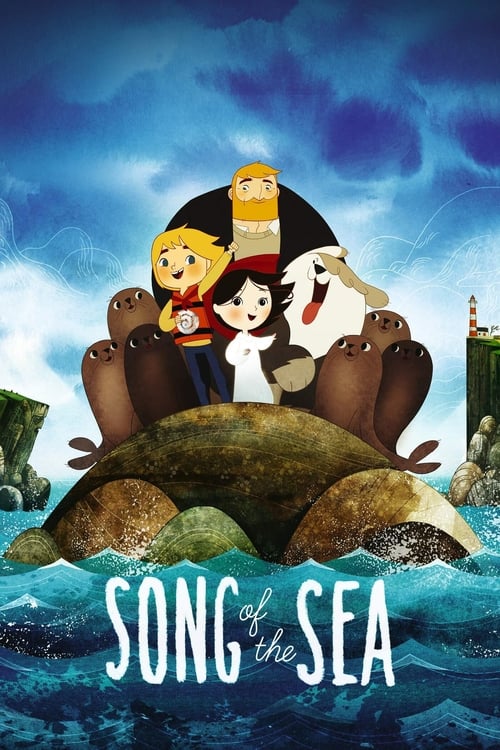
The selkie is distinct from the mermaid and older than the word. Seal-people of the Orcadian and Irish Atlantic, they are shapeshifters who come ashore by shedding their skin. Capture the skin and the selkie must stay. It is a myth about captivity, about longing, about what land-dwellers do to those who belong somewhere else. John Sayles's The Secret of Roan Inish (1994) and Tomm Moore's Song of the Sea (2014) are its two greatest screen versions: one realist and slow, one animated and heartbreaking. Neil Jordan's Ondine (2010) plants the myth in contemporary Ireland with enough ambiguity to keep the question open: is she really a selkie, or is the fisherman just falling in love? The honest answer is that it does not matter. The myth works either way.
Selkies and Celtic sea legend
Shapeshifters of the Atlantic coast
The Shape of Water rewrote the rules
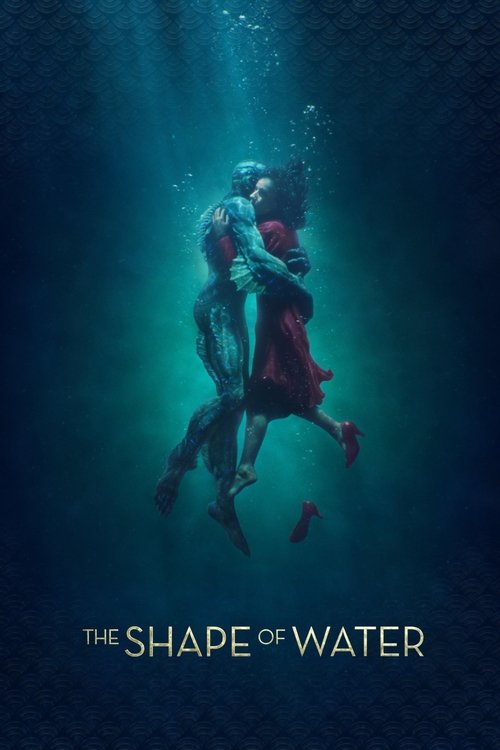
Guillermo del Toro's 2017 film did something the genre had not managed before: it made the creature himself the romantic lead, not a stand-in or a disguise or a monster to be tamed. The Asset is the sea incarnate, wordless and alien, and Elisa falls in love with exactly that. Del Toro refused to explain or soften the central relationship. The film won the Palme d'Or and the Academy Award for Best Picture, which meant a story about a mute woman in love with an amphibian god had mainstream awards validation. That is either a triumph or an absurdity, depending on your tolerance for del Toro's brand of earnest gothic. It is probably both. What it undeniably is: the most formally serious sea-myth film made since the 1990s, and the one that made studios briefly believe the adult fantasy film had a future.
The siren and the horror
When the sea calls and you should not answer
Sea myth on the small screen
From teen fantasy to Korean romance
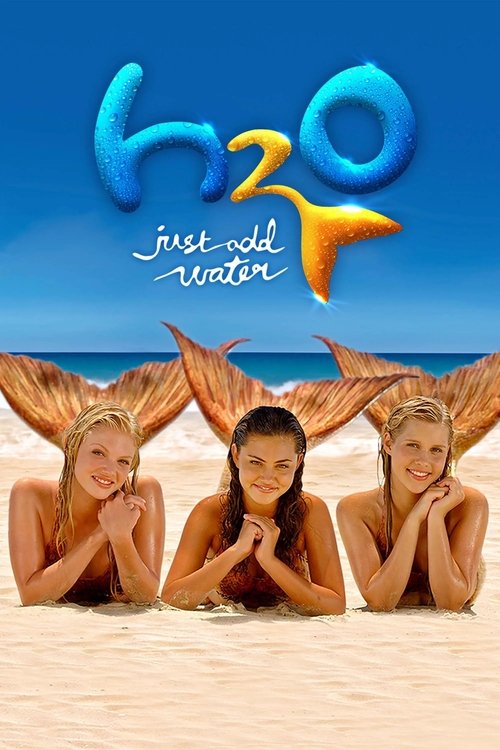

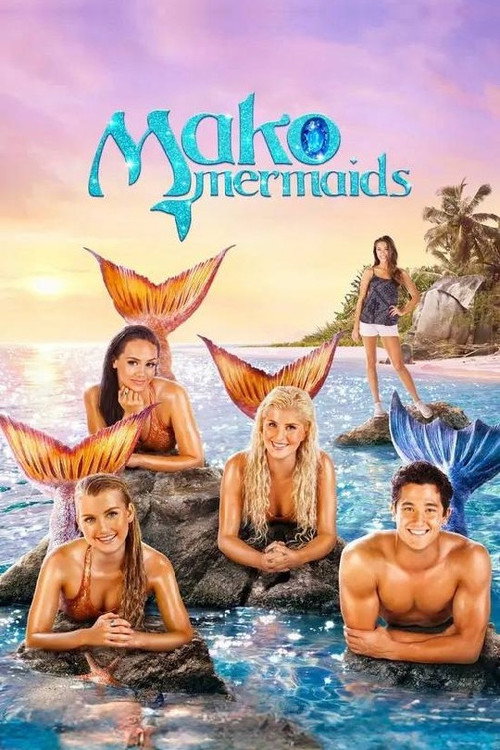
Games found their own underwater myth
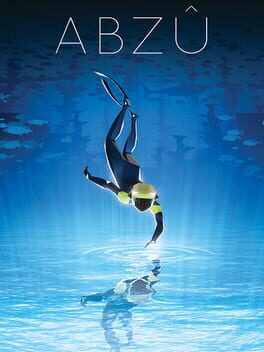
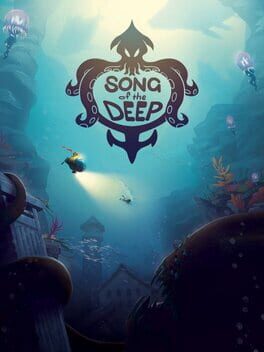
The sea is one of games' native environments, and the best underwater games have built their own myth independent of the mermaid canon. Abzu (2016) is closer to a wordless hymn than a game in the conventional sense: you swim through an ocean ecosystem rendered as if a Maxfield Parrish painting had learned to breathe. Song of the Deep literalizes the rescue-from-the-depths story with a girl who builds a submarine to find her lost father. Beyond Blue is a docugame made in collaboration with the BBC's Blue Planet II team, which sounds dry and produces something haunting. None of these games feature mermaids. All of them feel like mermaid stories: the water as another world with its own logic, its own beauty, and something vital at stake at the bottom.
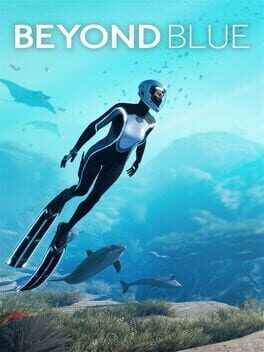
Into the water: sea myth in games
The ocean as another world
Sea myth on the page
The stories that fed and complicated the canon


She gave up her voice to reach a world that did not want her. Three thousand years later, we are still arguing about whether that was brave or foolish, and whether there is a difference.On the mermaid's bargain
The music of the deep
Soundtracks and scores that made the sea sing