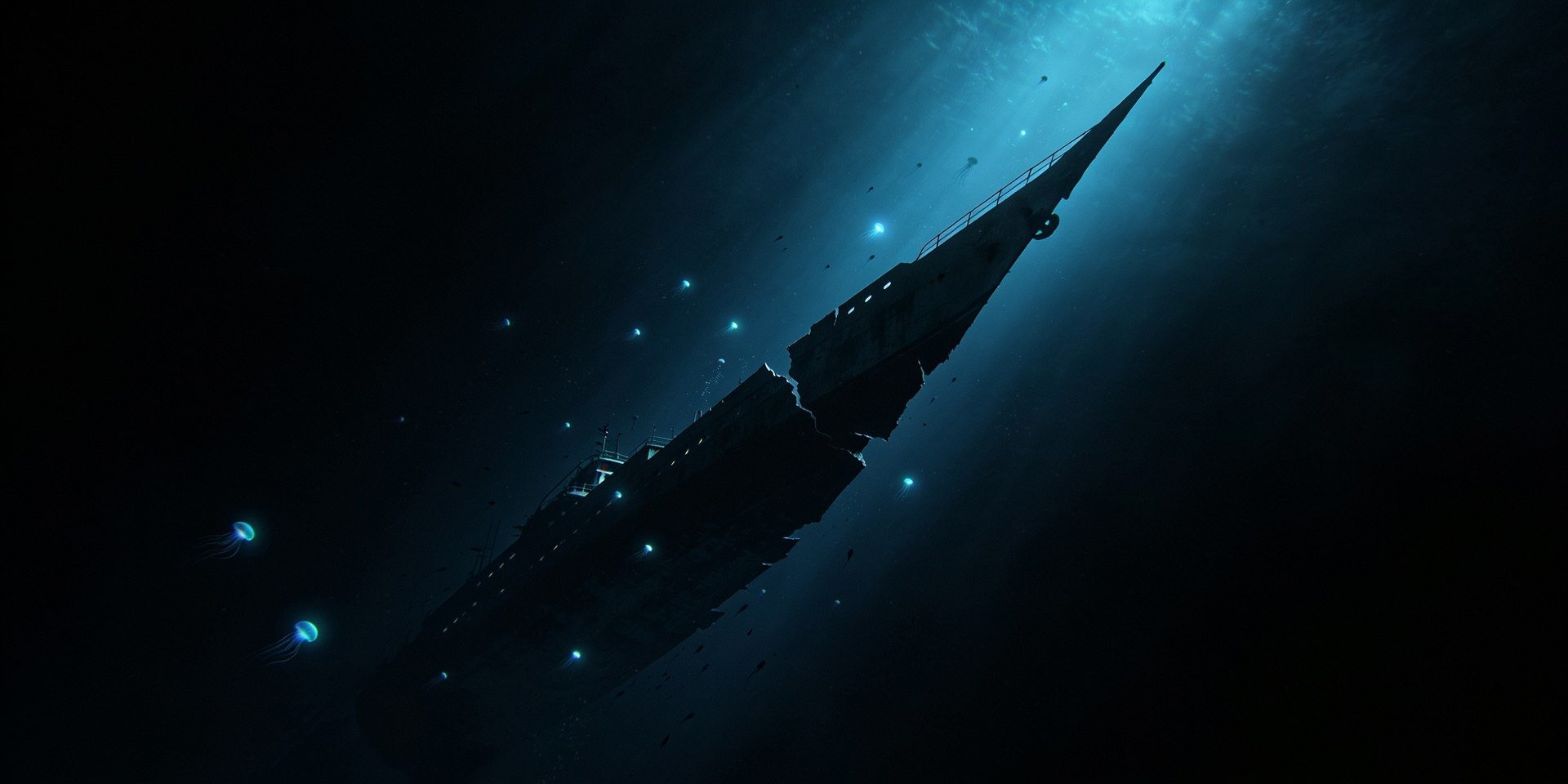

The ocean covers seventy percent of the planet's surface and we have mapped less of it than the far side of the moon. Below four thousand metres the water pressure would crush a submarine hull like a paper cup, bioluminescent creatures drift in permanent darkness, and things live down there that look like they were designed by a fever. The deep sea is the last genuinely unexplored frontier on Earth, and fiction has been drawn to it for as long as people could imagine going under.
What separates the deep-sea genre from its nearest neighbor, the submarine thriller, is the subject. Submarine stories are about command, crew and the machinery of war. Deep-sea stories are about the ocean itself: its scale, its indifference, its capacity to produce creatures that defy taxonomy. The terror here is not a torpedo or a mutiny. It is the weight of the water above you and the dark below.
Essential deep sea
The canon across every screen and page: where the genre begins and where it keeps returning.

The Abyss set a standard no one has beaten
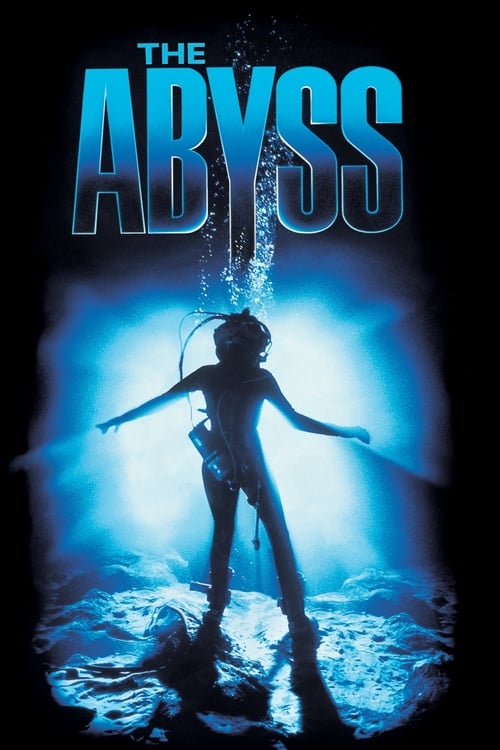
James Cameron made The Abyss in 1989 by actually putting his cast and crew at the bottom of an unfinished nuclear reactor filled with water. The conditions were brutal, the production nearly killed several people, and the result is still the best deep-sea film ever made. It has the alien encounter, the crushing pressure, the marriage falling apart in an airlock, and an ending that earns its wonder because the rest of the film earned the dread. Every deep-sea film made since operates in its shadow, and most of them know it.
When something comes up
Creature features, monster thrillers and the thing in the water.
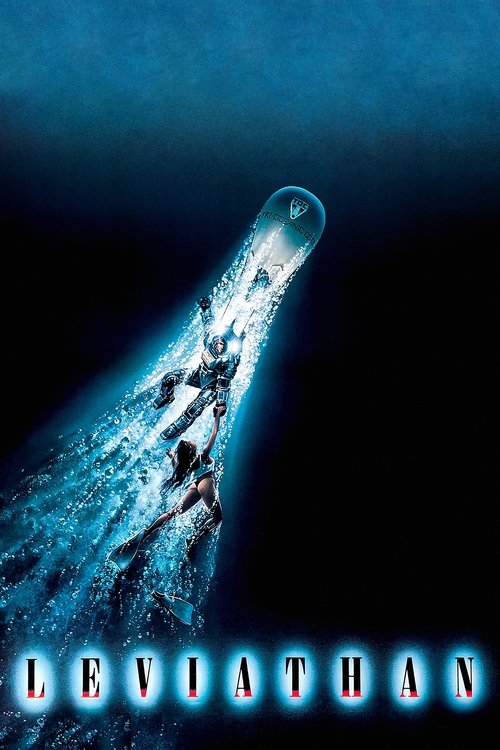
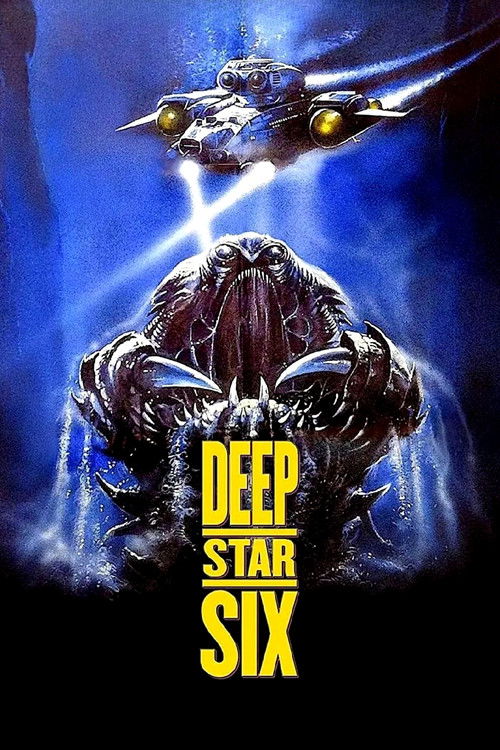
The year 1989 and the deep-sea rush
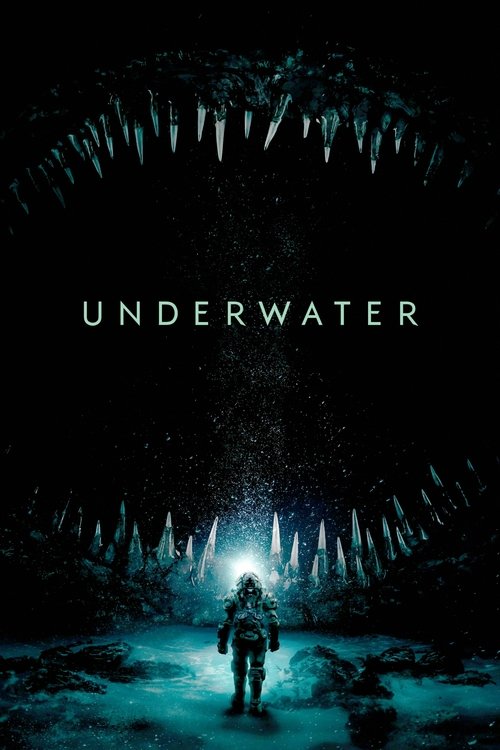
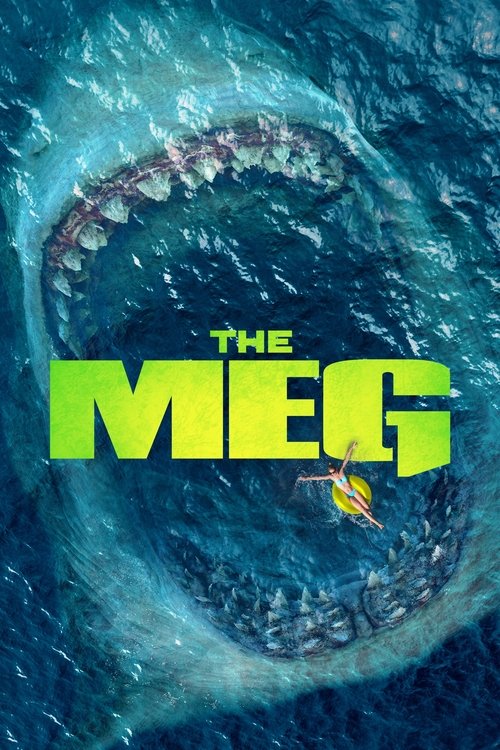
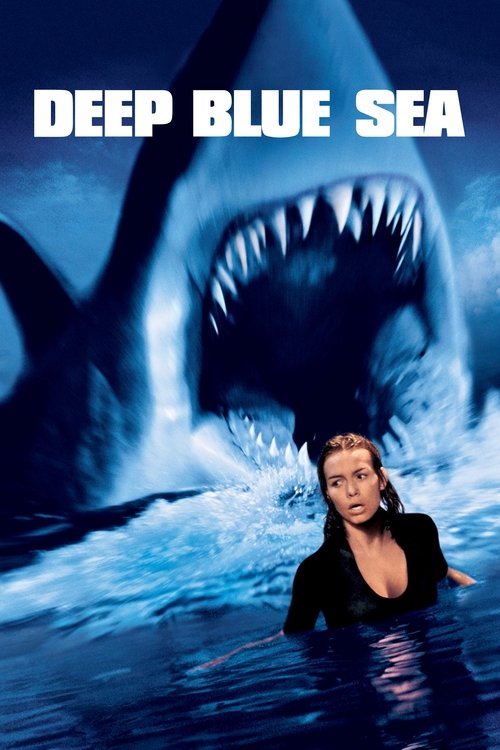
Three separate deep-sea creature films opened in 1989: Leviathan, DeepStar Six and The Abyss. All three went into production around the same time without knowing about each other, responding to something in the cultural water. Two of them played the genre as straightforward monster horror, pitting undersea stations against creatures from the trench. The third was Cameron's film, which arrived last and folded horror and wonder into the same story. The timing was accidental but the impulse was shared: the late 1980s were hungry for a new frontier, and the ocean floor was right there.
Wonder and the abyss
Films where the ocean is not a threat but a revelation.
Television got the science right
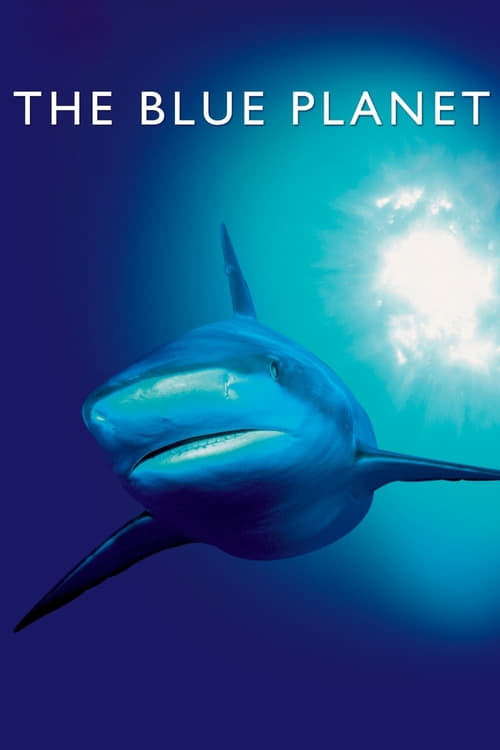
No feature film has come close to what The Blue Planet did for the deep sea. The BBC's 2001 series spent months capturing footage of mid-water creatures, hydrothermal vent communities and bathypelagic predators that no camera crew had ever followed before. It made the abyss legible: here is how the sperm whale hunts, here is how a bioluminescent lure works in total darkness, here is the twilight zone where fang-toothed fish spend their entire lives. Blue Planet II went deeper and found things the first series had missed. Nothing else on this page has done more to make the deep sea feel real.
The deep on the small screen
Documentaries and dramas that make the ocean the main character.



Subnautica is the deepest game ever made
Most survival games use the ocean as scenery. Subnautica uses it as architecture. The further you descend into the alien sea of Planet 4546B, the more the game strips away: first the sunlight, then reliable sonar, then the sense that the creatures around you are understandable at all. The blood kelp zone and the inactive lava zone deep below it are genuinely distressing to navigate not because the game tells you to feel that way but because it has spent twenty hours teaching you to read depth as threat. It is the best model of how the deep sea actually feels that any medium has produced.
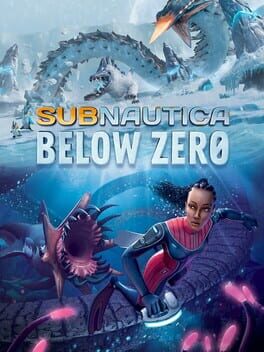
Into the pressure
Games that put you under the surface, from wonder to existential dread.



The ocean is a desert with its life underground and a perfect disguise above.America, 'A Horse With No Name' (1971)
The literature of the deep
The books that started it all and the novels that took the genre further.


Iron Lung is the most frightening deep-sea game
David Szymanski made Iron Lung alone in a few weeks and it contains more dread per square inch than any major studio production in the genre. You are inside a rusted submarine the size of a closet. You have no window to the outside. You navigate a sea of blood on an alien moon using a periscope camera that updates every time you move, showing you still frames of what the camera caught. Things appear in those still frames. You cannot outrun them. The game is twenty minutes long and it will stay with you.
Verne and the source
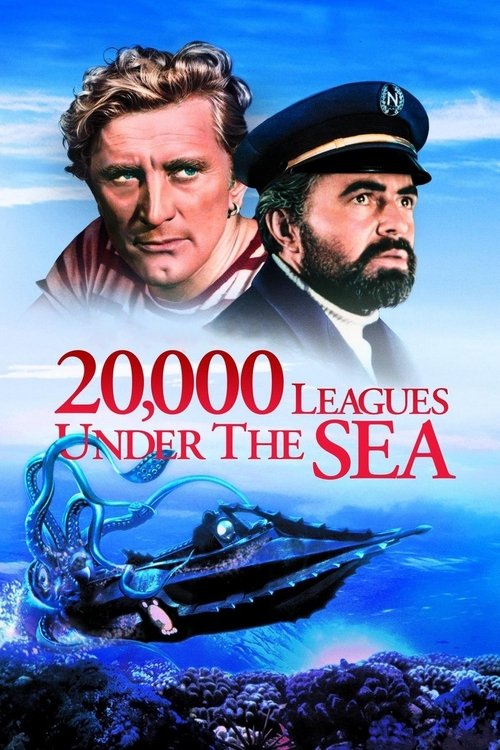
Jules Verne published 20,000 Leagues Under the Sea in 1870 and invented the genre. Captain Nemo's Nautilus was the first fully realized vision of underwater civilization: self-sufficient, technologically sophisticated, politically unaffiliated with any surface nation. Verne's ocean was not a void but a world, populated by giant squid, vast coral reefs and ruins of civilizations. The 1954 Disney film with James Mason as Nemo is the most faithful and the most loved adaptation, and it introduced the giant squid attack that every subsequent sea monster story has been responding to, consciously or not.
Further depths
More essential ocean cinema: the real expeditions, the cult creature films and the documentaries that changed how we see the sea.