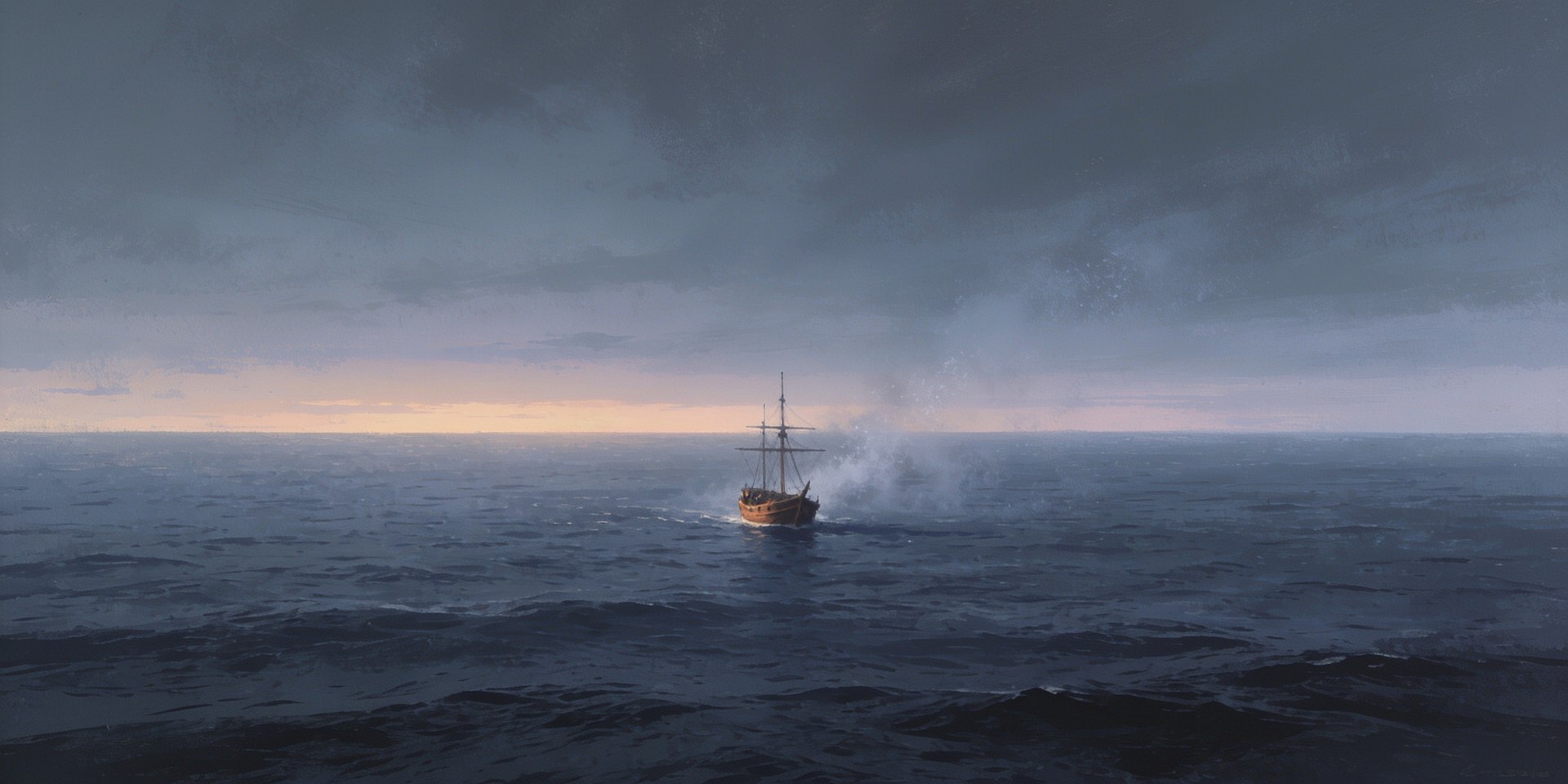

The sea is the oldest antagonist in storytelling, and the most honest one. It has no motive, no malice and no mercy. It does not care whether you are a whaling captain, a single-handed sailor on a sinking yacht or a crew of pirates chasing a rumor of gold. It simply is, vast and indifferent, and the only question the story ever really asks is whether the people on the boat are equal to it.
That is why the maritime adventure has never gone out of fashion. Strip away the rigging and the charts and what remains is the purest version of the survival drama: a small group of human beings, a fragile hull, and a horizon with nothing behind it. Whether the danger is a white whale, a hurricane off the Grand Banks, a leak below the waterline or simply the slow arithmetic of dwindling water, the genre keeps returning to the same fundamental truth. Out there, competence is the difference between living and drowning, and the ocean is the examiner.
This guide is about crossings and survival rather than fleet actions. If you want broadsides and naval warfare, our age-of-sail guide has those. Here the enemy is the water itself.
Essential sea voyages
The canon: whaling, survival and the long crossing across every medium


Moby-Dick is still the deepest water in the genre
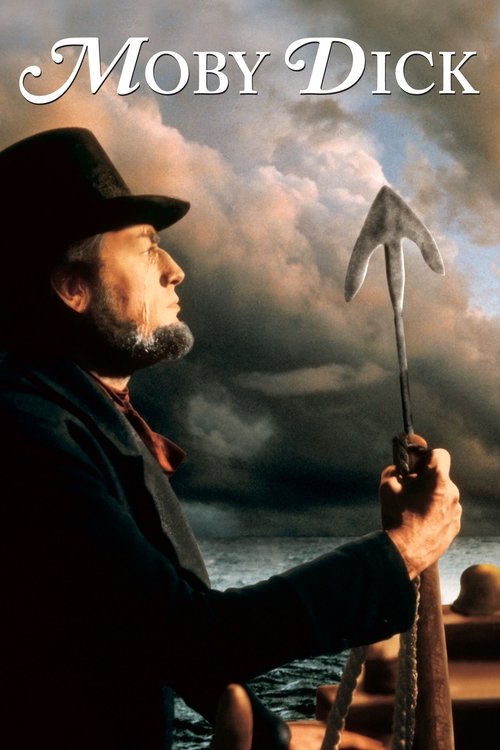
Every whaling story since 1851 is, knowingly or not, arguing with Herman Melville. The white whale is the rare symbol that refuses to settle into a single meaning: it is God, it is nature, it is the unknowable thing Ahab has bet his soul against, and it is also just a very large and very dangerous animal. John Huston's 1956 film, with a screenplay co-written by Ray Bradbury, gives you Gregory Peck as a granite, monomaniacal Ahab and stages the hunt with real respect for how small a longboat looks beside a sperm whale.
If you want the true story that sat underneath the novel, In the Heart of the Sea dramatizes the wreck of the whaleship Essex, rammed and sunk by a whale in 1820, and the months its survivors spent in open boats afterward. Melville read that account. The myth and the history belong on the same shelf.

Lost at sea on film
Storms, shipwrecks and the long fight to stay afloat
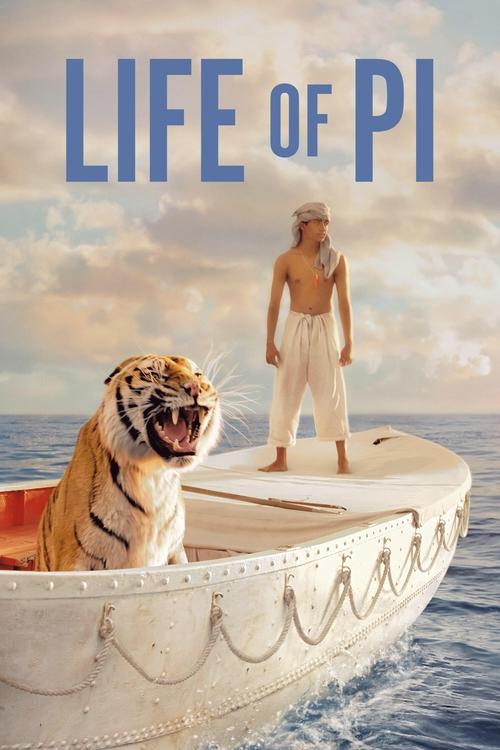

One man, one boat, one ocean
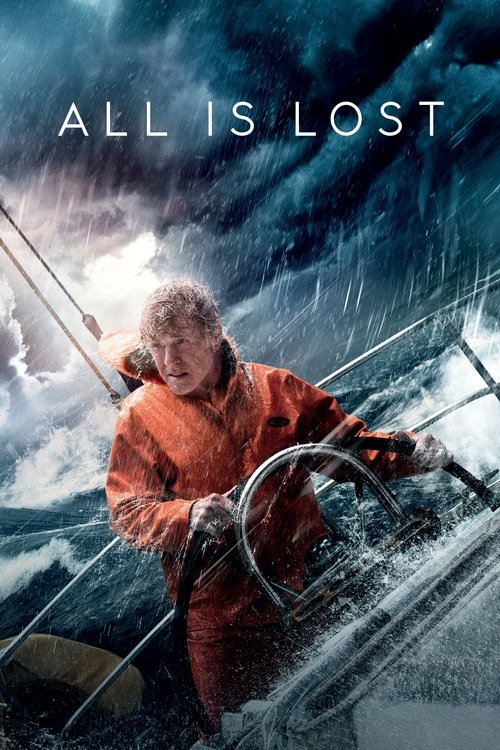
The loneliest stories in the genre give you nobody to talk to. All Is Lost hands Robert Redford almost no dialogue and a sinking yacht in the Indian Ocean, then watches him solve one impossible problem after another with the grim patience of a man who knows panic is fatal. It is a film about seamanship as a moral quality. Every knot tied correctly is a small argument for staying alive.
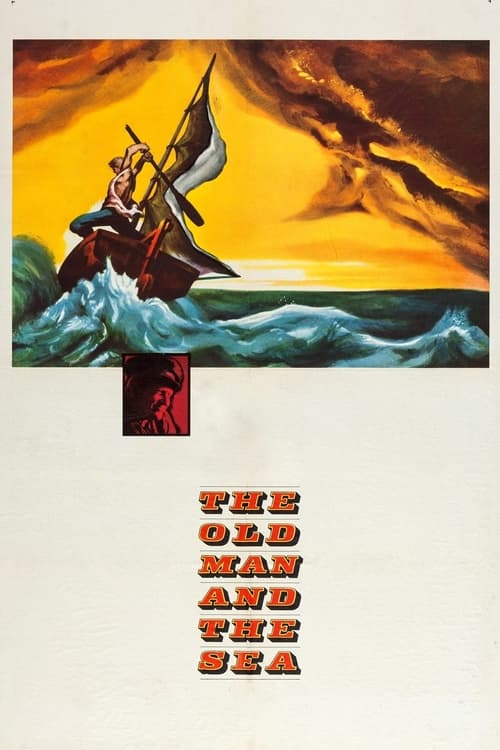
Ernest Hemingway compressed the same idea into a hundred pages. The Old Man and the Sea is Santiago, far out in the Gulf Stream, locked for three days to a marlin too big to land, and the book is less about the fish than about the dignity of the struggle itself. Both stories understand that the ocean does not provide an enemy to hate. It provides a test, and the only victory available is to meet it well.
Voyages on the page
Hemingway, Verne, London and the seafaring novel


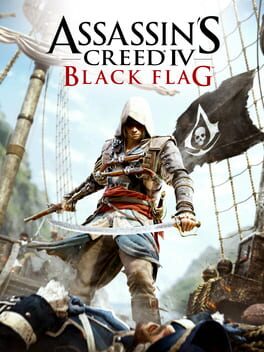
Black Flag turned the open ocean into a playground
Most games treat the sea as a loading screen between the parts that matter. Assassin's Creed IV: Black Flag made it the whole point. You captain the Jackdaw across a living Caribbean, and the genius is in the texture: the crew sings shanties as you sail between islands, squalls roll in and change the water from glass to chaos, and a distant sail on the horizon is an invitation, a threat or both. Naval combat is genuinely thrilling, but the quiet sailing is what people remember.
Sea of Thieves took that feeling and built an entire game out of it. A galleon needs a crew, and the comedy and terror of crewing one with strangers, raising sails together, bailing water during a storm, arguing over which way is north, is the most honest simulation of life at sea any game has managed. The ocean is the level. Everything else is improvisation.
Set sail at the controls
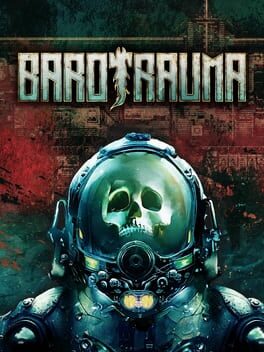
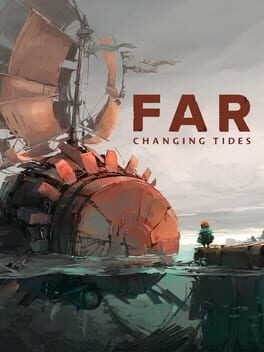
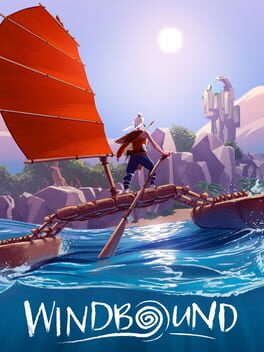
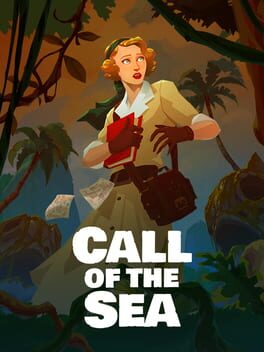
From a galleon's deck to the dark water beneath the keel
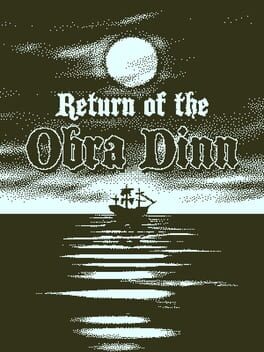
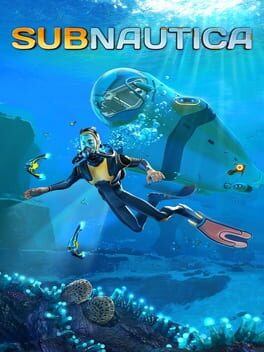
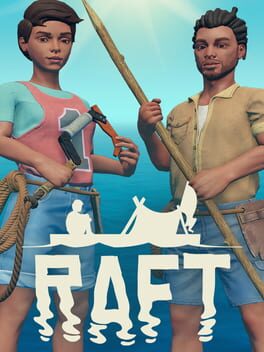
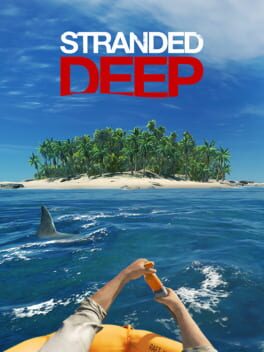

The sea finds out everything you did wrong.An old sailing maxim about the ocean as the final examiner of seamanship
The Terror is the best ship story television has made
AMC's The Terror takes the real disappearance of Sir John Franklin's 1845 expedition, two Royal Navy ships sent to find the Northwest Passage and never seen again, and turns it into a study of men slowly losing every margin of safety. The ships freeze fast in the ice. The food is poisoning them. The cold is patient. A creature out on the white may or may not be hunting them, and the genius of the show is that the supernatural threat is almost beside the point. The real horror is the crossing itself, the realization that the ocean has simply closed behind them and will not open again.
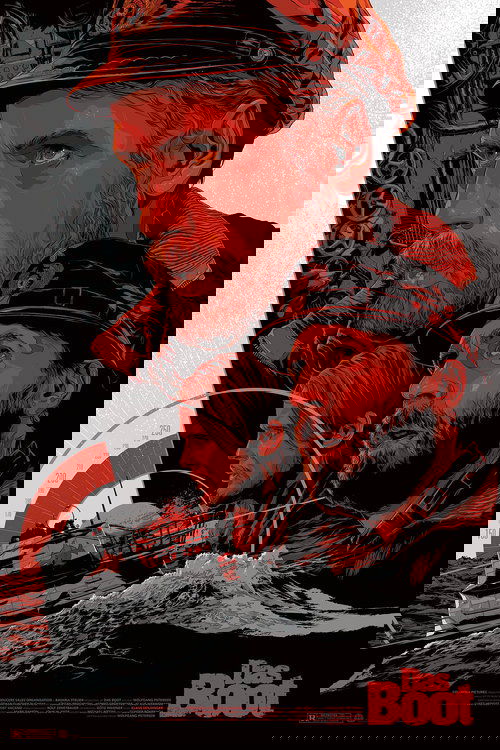
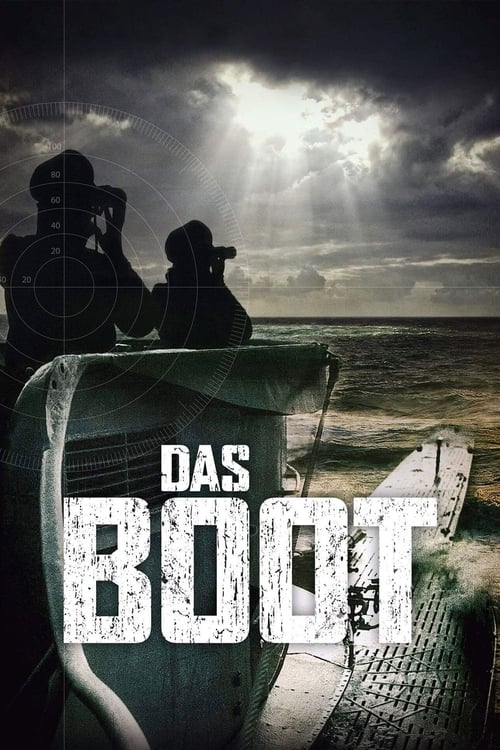
For the same claustrophobic dread without the ice, Das Boot puts you inside a submarine where the sea is a wall pressing in from every direction. Both understand that a ship is a tiny pocket of human order, and the water is always looking for the leak.
Maritime adventure on screen
Whalers, pirates, polar crews and crossings across the small screen
Real crossings, real risk
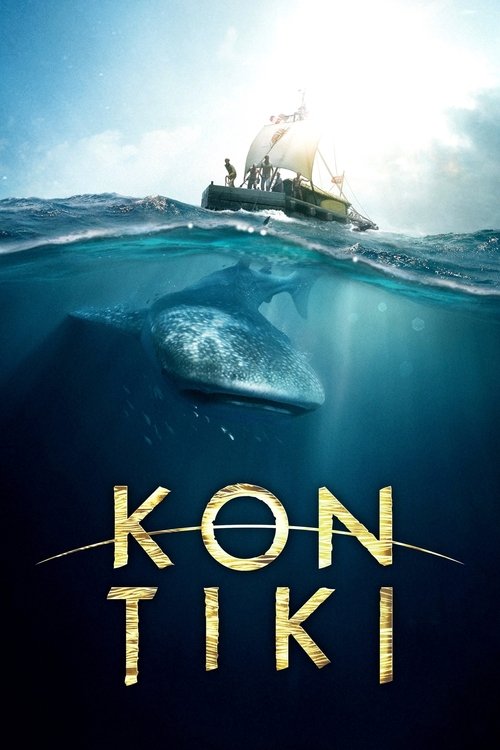
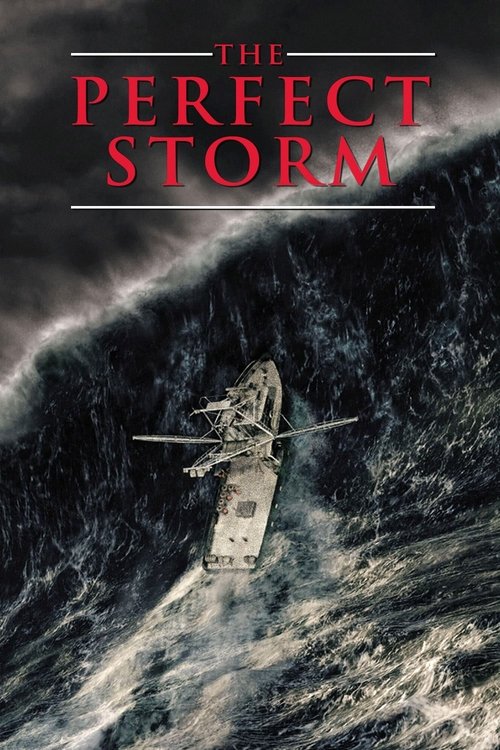
Some of the finest sea stories actually happened. Thor Heyerdahl built a balsa-wood raft and sailed it 4,300 miles across the Pacific in 1947 to prove a crossing was possible, and both his book Kon-Tiki and the 2012 film of the expedition capture the lunatic confidence it took to push off from the South American coast with no engine and no way back. The Perfect Storm reconstructs the loss of the swordfishing boat Andrea Gail in a 1991 nor'easter, a reminder that working the water for a living is still one of the deadliest jobs on earth.
The pirates earned their songs, too. Alestorm built a whole career out of the maritime ballad reimagined as heavy metal, all kraken, rum and revenge. It is ridiculous and it is glorious, and it belongs in any honest accounting of where the sea voyage lives in our imagination.
Songs of the sea
Pirate metal and the maritime ballad, turned up loud
More waters worth charting
Classics, castaways and crossings beyond the obvious