
The Tudor century is the most over-told story in English drama, and it earns the attention every time. A new dynasty with a thin claim to the throne, a king who broke from Rome because he wanted a different wife, two of those wives beheaded, a boy king who died young, a Catholic queen who burned heretics, and finally a Protestant spinster who ruled for forty-four years and outlasted everyone who ever underestimated her. You could not invent it. The Tudors did not invent it either. They lived it, in public, with the axe always within reach.
The same hundred years that gave England the scaffold gave Italy the ceiling of the Sistine Chapel. This guide treats those two as one subject, because they were one subject. Holbein painted at Henry's court because the Renaissance was a single current running from Florence to Greenwich. Power and beauty came from the same purse, commissioned by the same ruthless men. To spend time here, whether through Hilary Mantel's Thomas Cromwell or through Ezio Auditore climbing the towers of Florence, is to watch ambition and art share a table, and a knife.
Essential Tudors & Renaissance
The canon: court, conspiracy and the art that outlived it
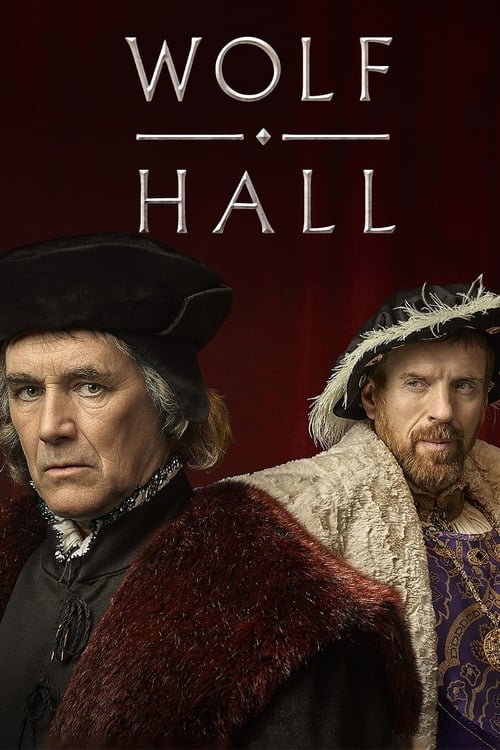

Wolf Hall is the best thing ever made about this period
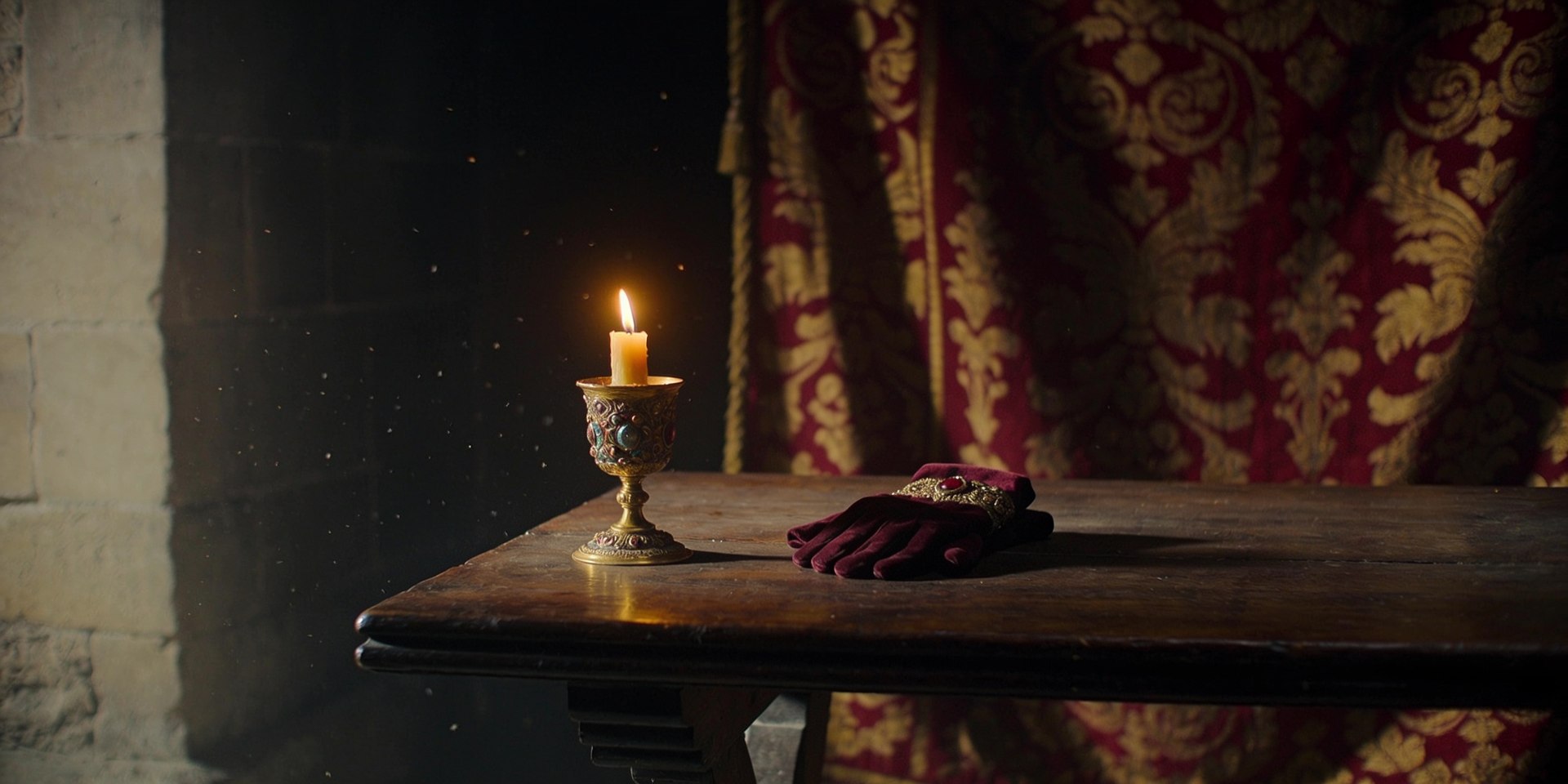
Most Tudor drama is told from the throne. Wolf Hall tells it from the desk. The 2015 BBC adaptation of Hilary Mantel's novels follows Thomas Cromwell, the blacksmith's son who became Henry VIII's fixer, and it is quieter and far more dangerous than anything with a crown in it. Mark Rylance plays Cromwell as a man who never raises his voice because he never needs to. He remembers everything, forgives nothing, and waits. The camera works almost entirely in candlelight, which was a real decision about cost and a truer one about the period: most of these conversations happened in rooms where you could not see who else was listening.
What the series understands is that the Reformation was not theology, it was paperwork and property and fear. Anne Boleyn does not fall because of love or doctrine. She falls because the men around her decide it is safer if she does. Cromwell builds the case. That is the real engine of Tudor power, and no other production has rendered it this well.
The Tudor court on film
Henry, his wives, his daughters and the men who served them


Six wives, one obsession
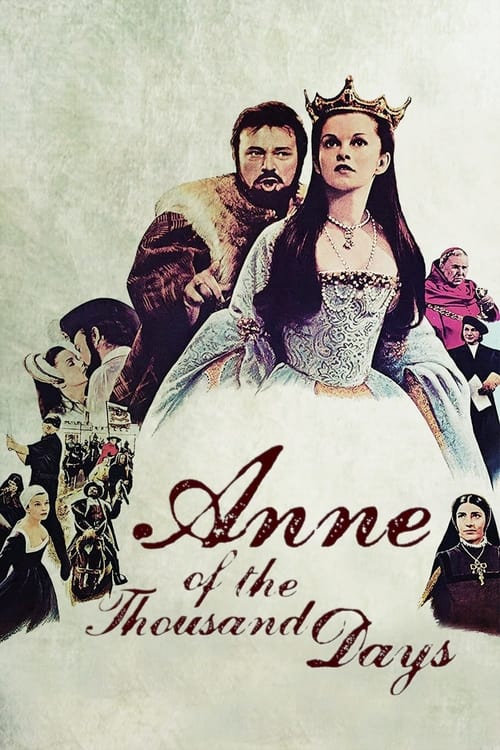
Henry VIII married six times and the culture has never stopped counting. Divorced, beheaded, died, divorced, beheaded, survived: the schoolyard rhyme is a tragedy compressed to six words. What makes the wives endlessly adaptable is that each one is a different kind of story. Catherine of Aragon is the loyal queen discarded after twenty-four years. Anne Boleyn is the ambitious gambler who reached too far. Jane Seymour is the one who gave him a son and the grief that came with her death. Catherine Howard is barely more than a child sent to the block. Katherine Parr is the survivor who outlived him.
Rick Wakeman built an entire instrumental album around them in 1973, one keyboard suite per wife, and it remains one of the few pieces of music that treats the six as distinct people rather than a list. Philippa Gregory turned the court into a publishing industry. The fascination is permanent because the stakes were total: marry the king, and a wrong word could cost you your head.
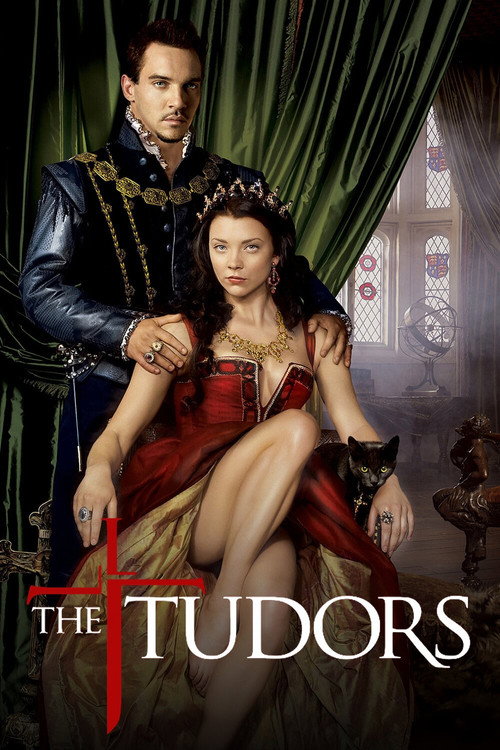
The Tudor saga on television
Dynasty, Reformation and the long reign of Gloriana

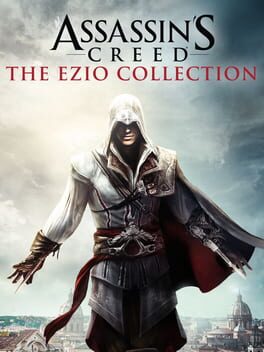
Assassin's Creed II built the Renaissance you can walk through
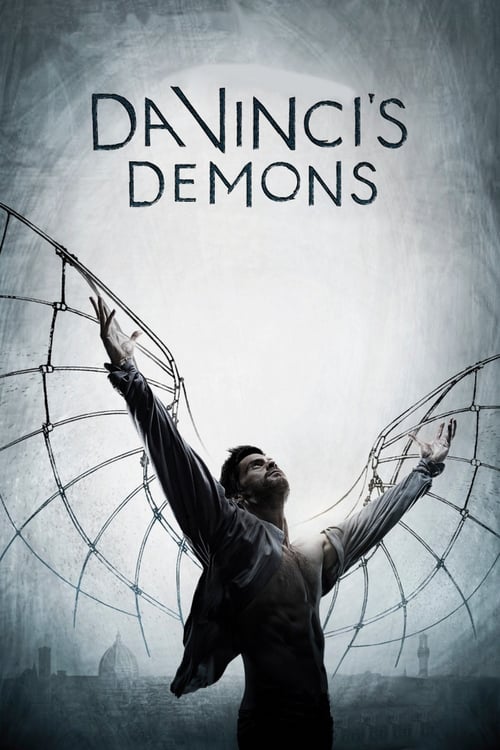
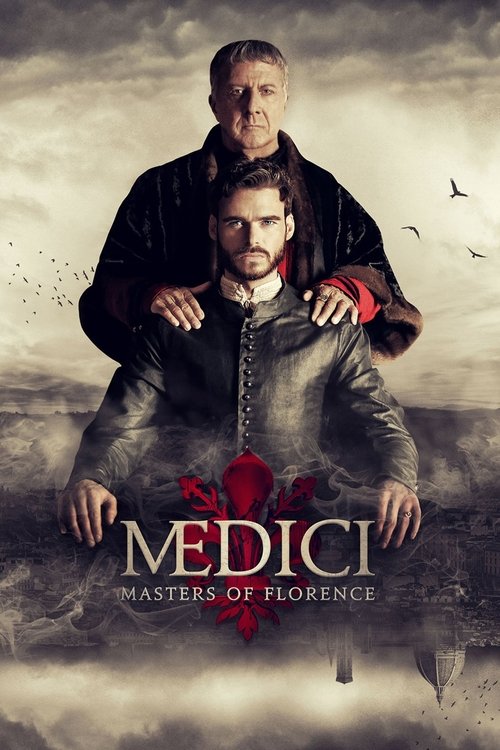
No film has put you inside Renaissance Italy the way Ubisoft did. Assassin's Creed II drops you into the Florence of 1476 as Ezio Auditore, a young nobleman whose family is destroyed by a conspiracy reaching to the Pope. You climb the Duomo while Brunelleschi's dome is still the marvel of Europe. You run errands for Leonardo da Vinci, who upgrades your blades and, in one famous sequence, hands you a flying machine. The Pazzi conspiracy, the Medici, the rivalry between city-states: it is real history rebuilt as architecture you can scale.
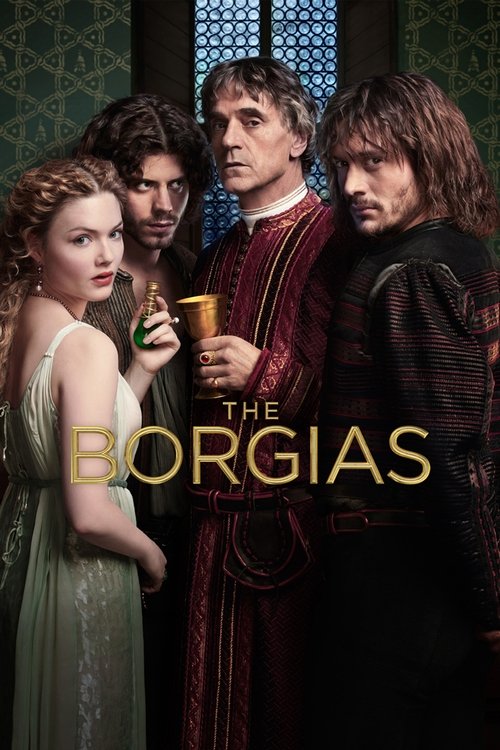
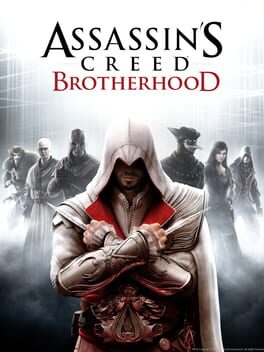
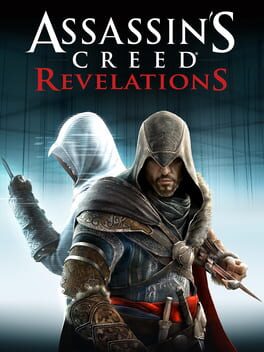
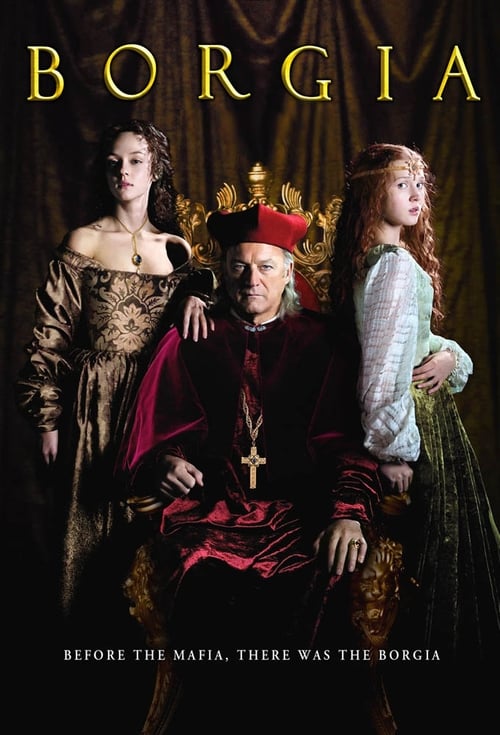
Brotherhood moves Ezio to Rome and lets you tear down Borgia influence tower by tower. Revelations takes him to Constantinople as an old man closing the circle. Together, collected in The Ezio Collection, they are the most complete Renaissance ever rendered in a game, and the rare historical fiction that gets the buildings right because it had to build them.
The Renaissance to play
Florence, Rome and the trade empires of early modern Europe
I have the body of a weak and feeble woman, but I have the heart and stomach of a king.Elizabeth I, to her troops at Tilbury, 1588, as the Armada approached
Two Elizabeths, and why the films keep winning
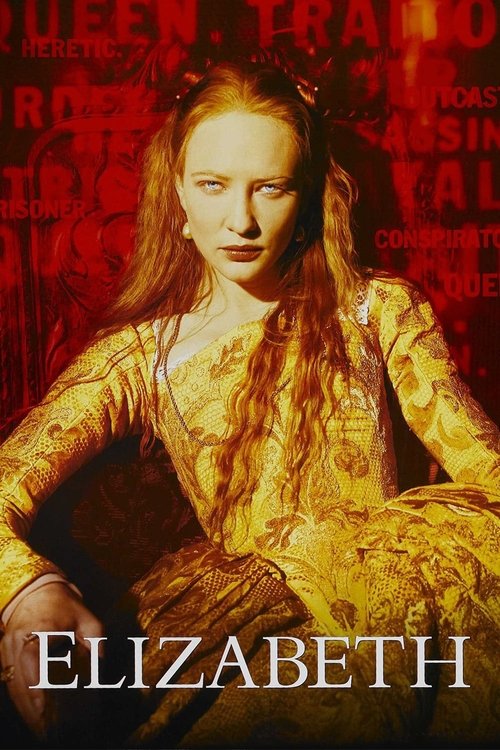
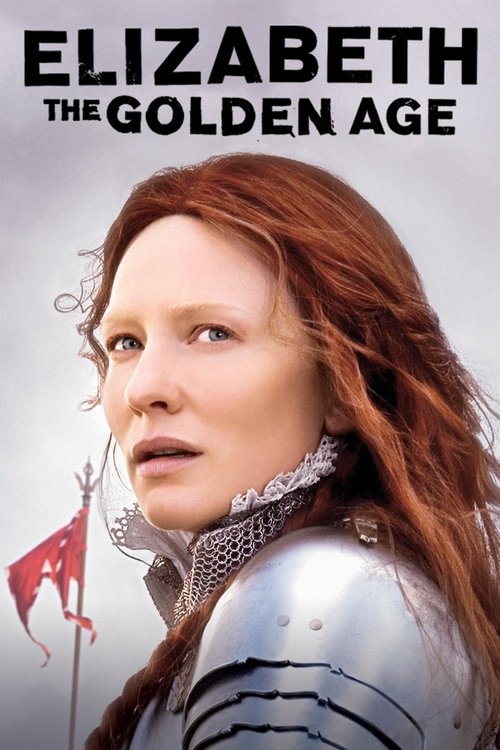
Cate Blanchett's Elizabeth (1998) is the rare costume drama that plays like a thriller. It takes the young queen at her most vulnerable, surrounded by plots, and shows her deciding to become a symbol rather than a woman. The final scene, where she paints her face white and declares herself married to England, is the moment a person chooses to disappear into an icon. Elizabeth: The Golden Age is gaudier and less disciplined, but it gives you the Armada and a queen who has fully hardened into Gloriana.
What the films get that the long-form series sometimes miss is compression. Elizabeth's reign was forty-four years of patience and calculated indecision. A two-hour film has to find the three or four nights that defined her, and Blanchett's does, repeatedly. She never looks like she is acting a queen. She looks like a woman doing arithmetic with her own survival.
The novels that built the court
Hilary Mantel reset the bar. The Mirror and the Light, the final volume of her Cromwell trilogy, follows him from the height of his power to the same block he sent so many others to. The prose is present-tense and claustrophobic, putting you inside the head of a man who can see his own fall coming and keeps working anyway. Nothing else in the genre comes close to its weight.
Beneath Mantel sits an entire shelf. Philippa Gregory made the Tudor novel a phenomenon: The Constant Princess tells Catherine of Aragon's long road to the throne, The Boleyn Inheritance braids together the voices of three women caught in Henry's bed, and The Kingmaker's Daughter and The Taming of the Queen extend the court in every direction. C.J. Sansom's Revelation sends his hunchbacked lawyer Matthew Shardlake into the paranoid London of Henry's last years, a murder mystery that doubles as the best portrait of how the Reformation felt at street level. Alison Weir's Innocent Traitor gives the doomed Lady Jane Grey her own first-person account, and S.J. Parris's Heresy drops the heretic philosopher Giordano Bruno into Elizabethan Oxford.
The Tudor court on the page
Mantel, Gregory, Sansom and the novelists of the reign


The painters were as dangerous as the kings
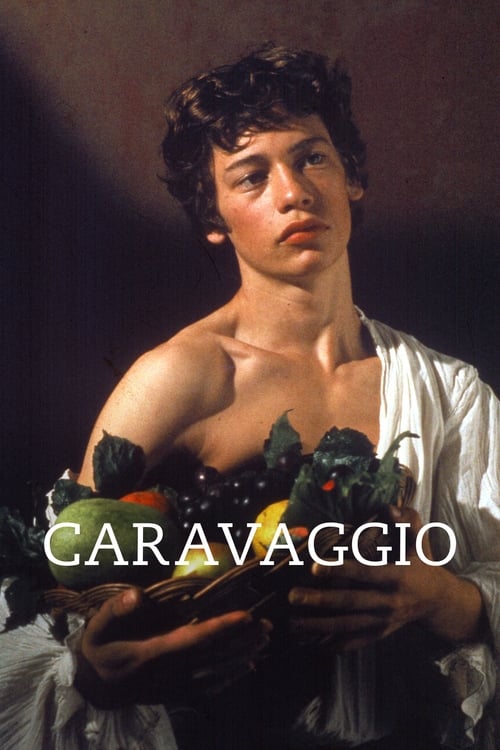
We remember the Renaissance for its beauty and forget that it was made by violent, desperate men. Derek Jarman's Caravaggio (1986) understands this better than any tidy biopic. It paints the artist as a brawler and a lover who used the people around him as models for saints, then watched his own life curdle into the crime he kept depicting. It is not a comfortable film. It is the right one.
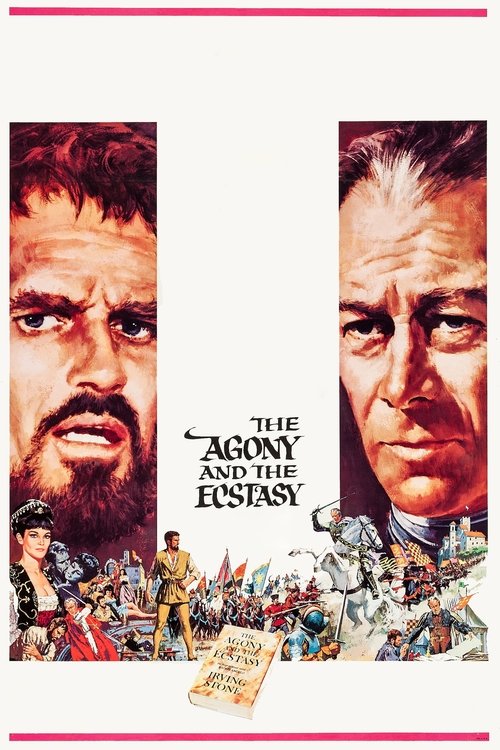
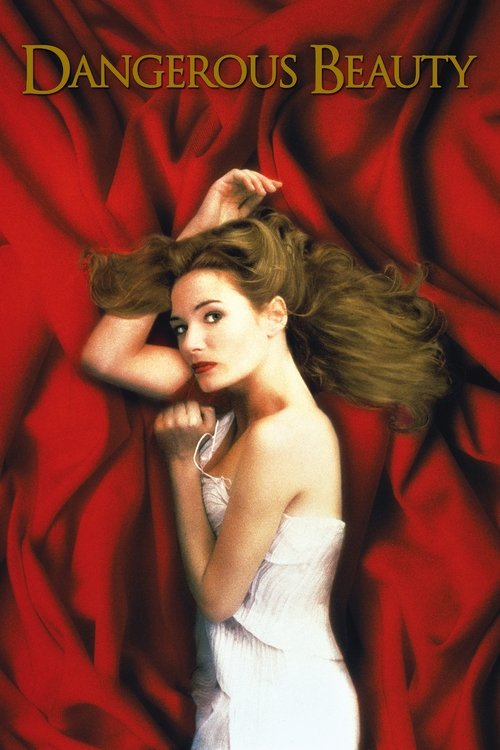
The Agony and the Ecstasy takes the opposite tack, casting Charlton Heston as Michelangelo locked in a battle of wills with the Pope over the Sistine ceiling, and finds the drama in pure stubbornness: two enormous egos arguing about God for four years. Set these beside Dangerous Beauty, the story of a Venetian courtesan who used wit and verse as her only weapons, and you have the other half of this guide, the one where the knives are aesthetic and the stakes are reputation, faith and the favour of princes.
Renaissance Italy: art, faith and the Borgia knife
Popes, painters and the conspiracies of the Italian courts
The wider stage: Shakespeare, scandal and the late Tudor world
Theatre, courtesans and the stories that grew up alongside the throne