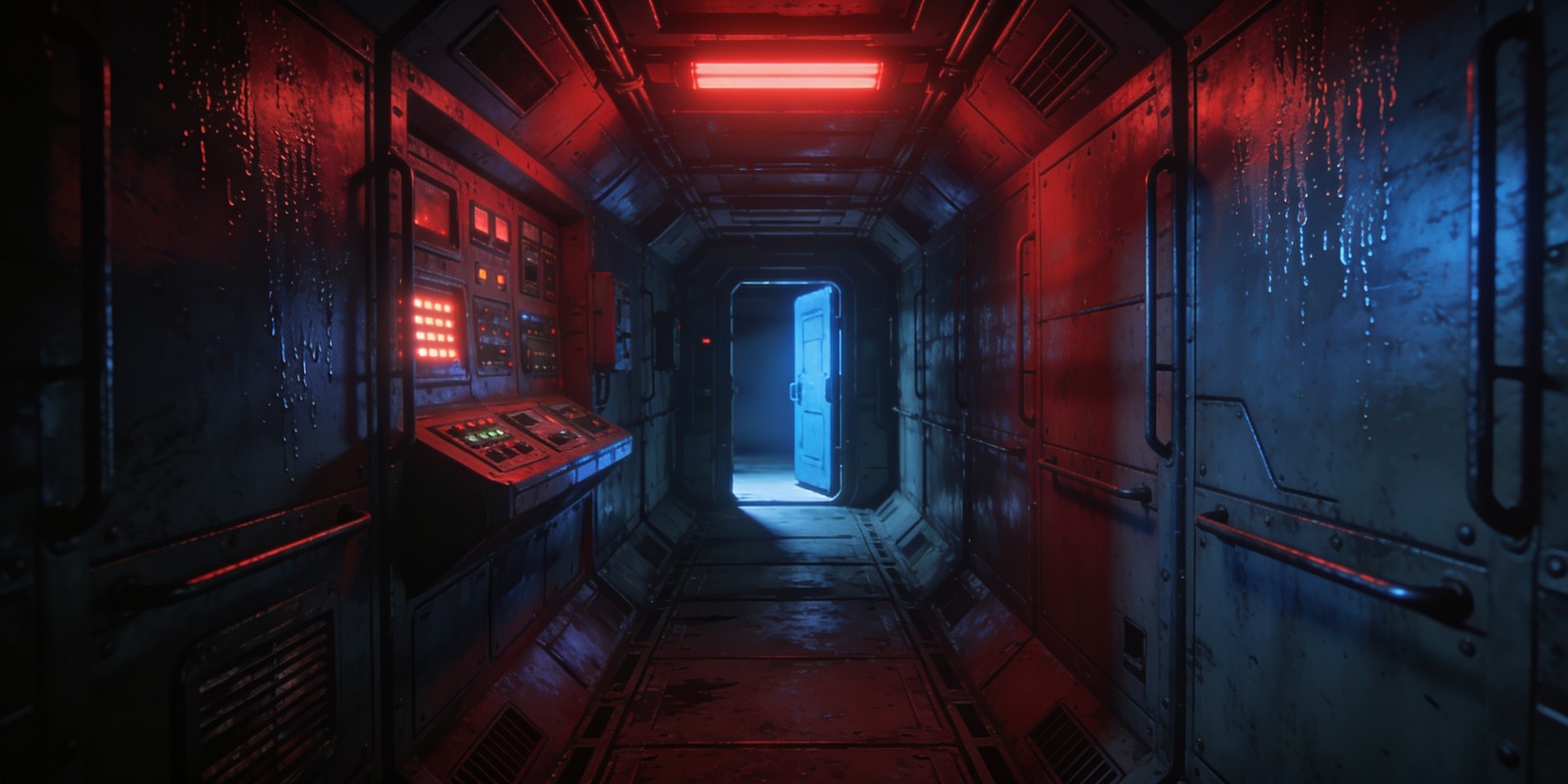

Space horror begins where the survival manual ends. You cannot call for help. There is no terrain to disappear into, no town to run toward. The ship is both the only refuge and, almost always, the source of the danger: the thing that got aboard, the thing already growing inside the hull, the thing the crew became. Distance from Earth is not just a setting detail here. It is the genre's engine. Every light-minute of separation is a ratchet of dread tightening.
The best space horror is careful to distinguish itself from two adjacent genres. It is not cosmic horror, which points outward at an indifferent universe and asks you to feel small. It is not action sci-fi, which hands you a gun and promises the monster is killable. Space horror puts you in a corridor, cuts the lights, and asks you a simpler question: what is that sound?
Essential space horror
The works that define the genre: survival terror in the dark between the stars, across every medium.

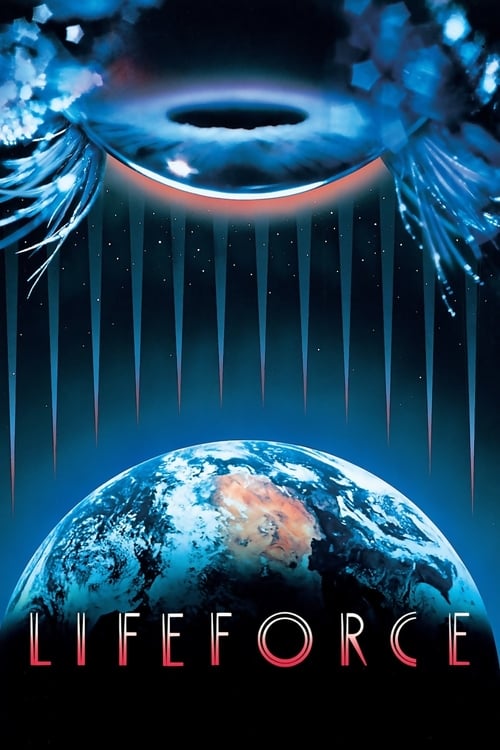
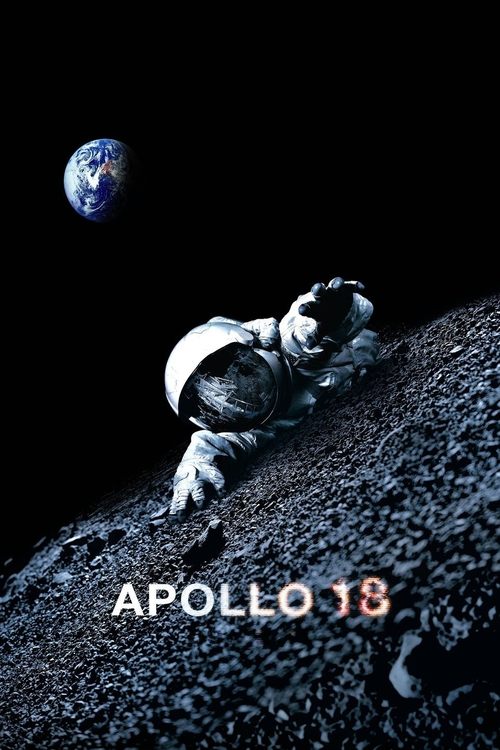
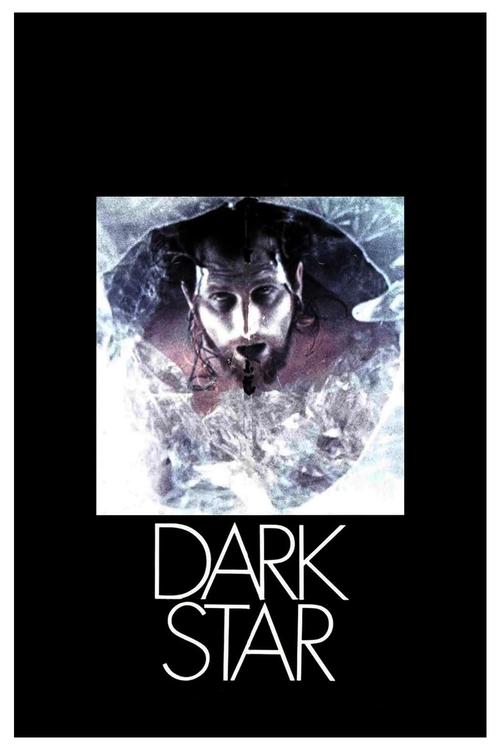

Alien is the source code
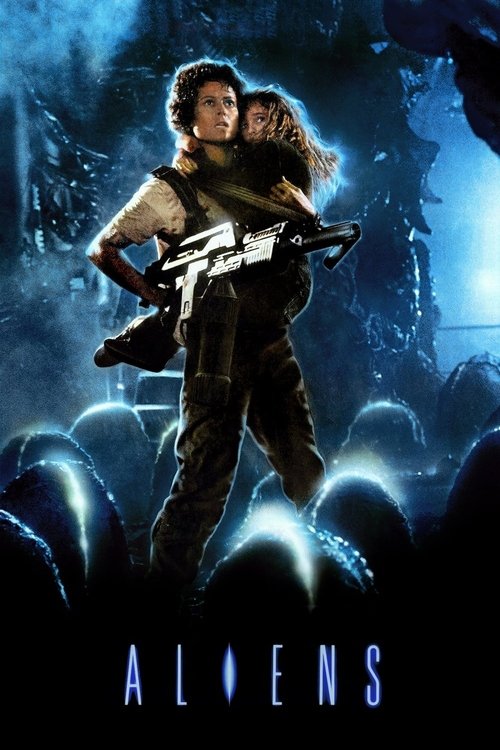
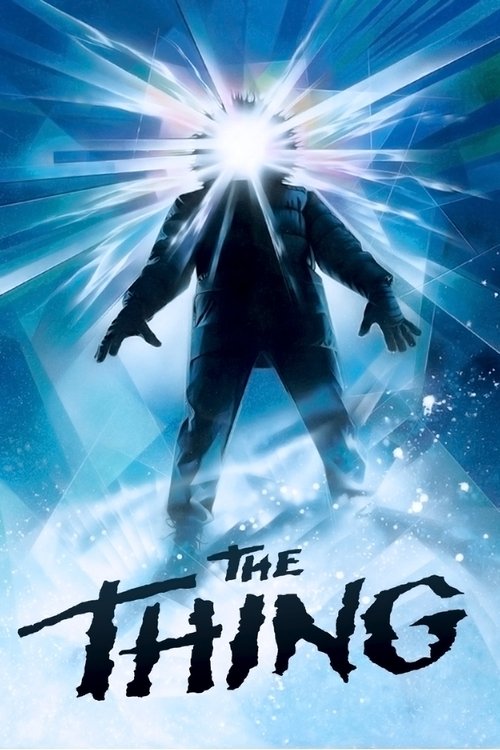
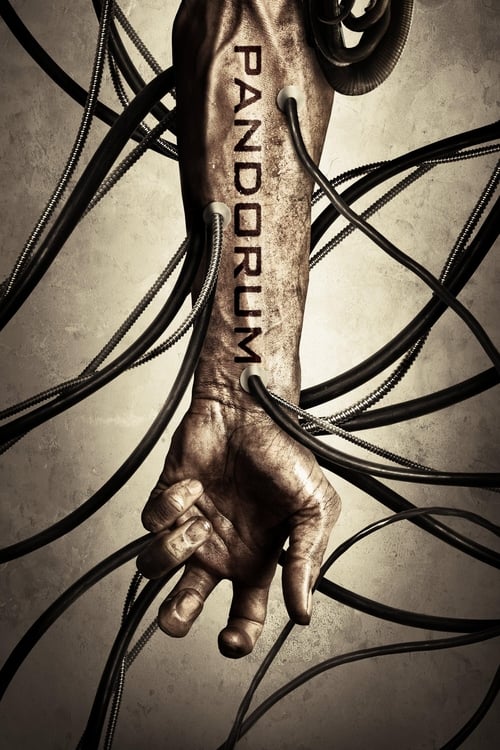
Every space horror work that came after Ridley Scott's 1979 original is either citing it or arguing with it. The xenomorph matters less than everything around it: the industrial ugliness of the Nostromo, the grinding class hierarchy of its crew, the silence of space that makes every heartbeat sound like a shout. Alien did not invent the genre but it established its grammar so completely that four decades later you can still feel its shadow on Alien: Isolation, on Pandorum, on the corridor layouts of Dead Space. Cameron's Aliens is the better action film. Scott's Alien is the one you remember at 3 a.m.
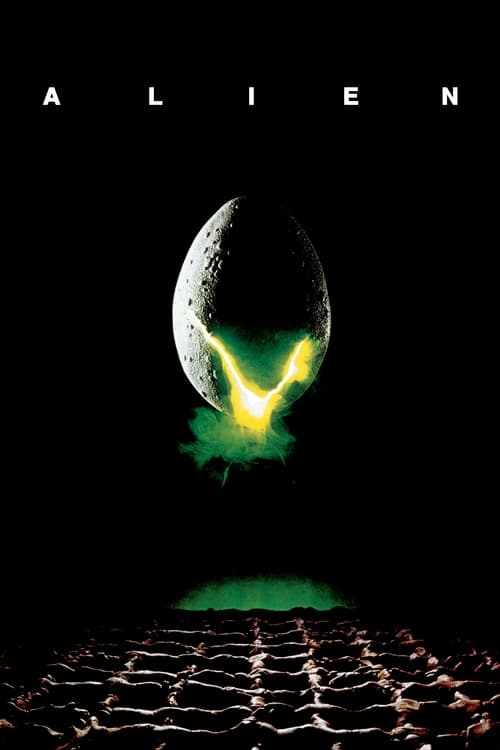
The Alien saga
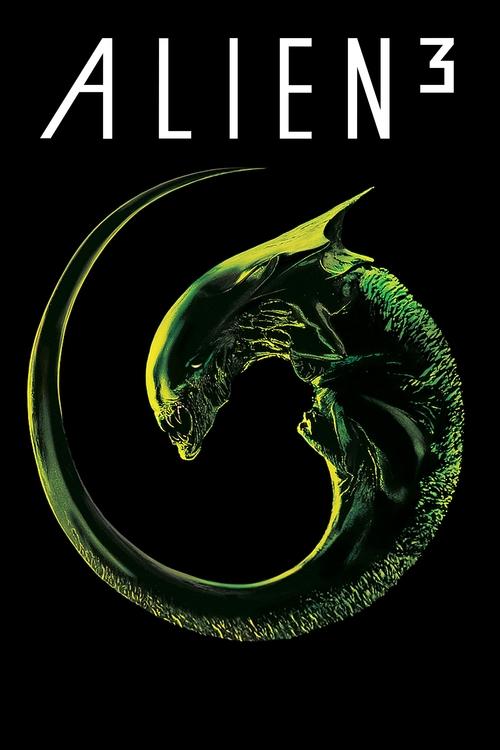
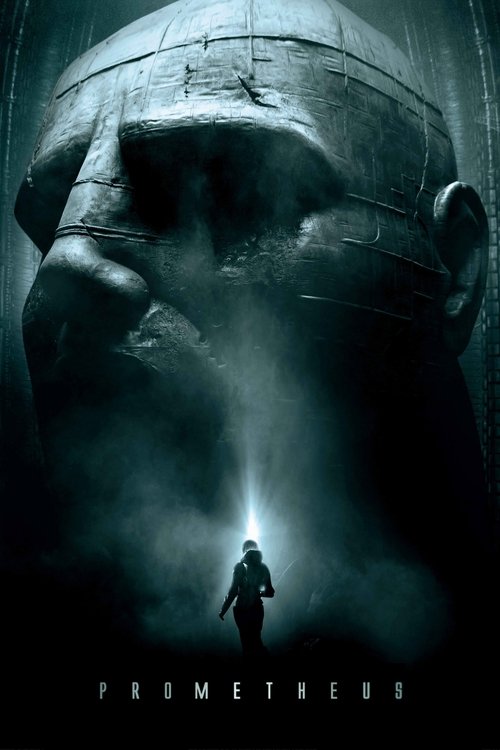
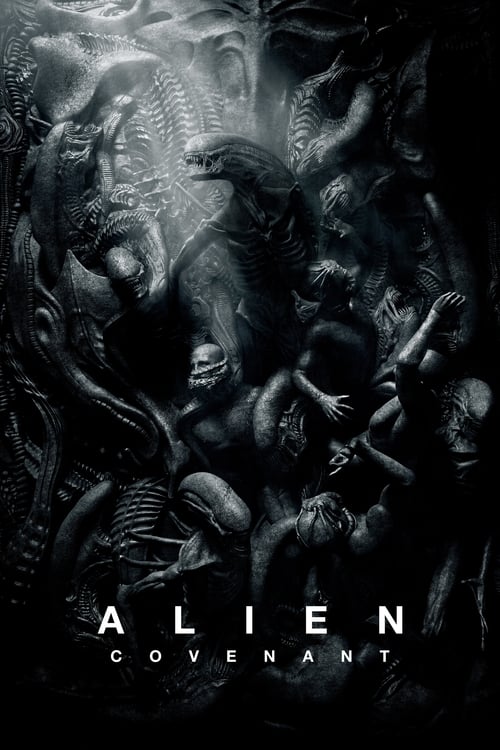
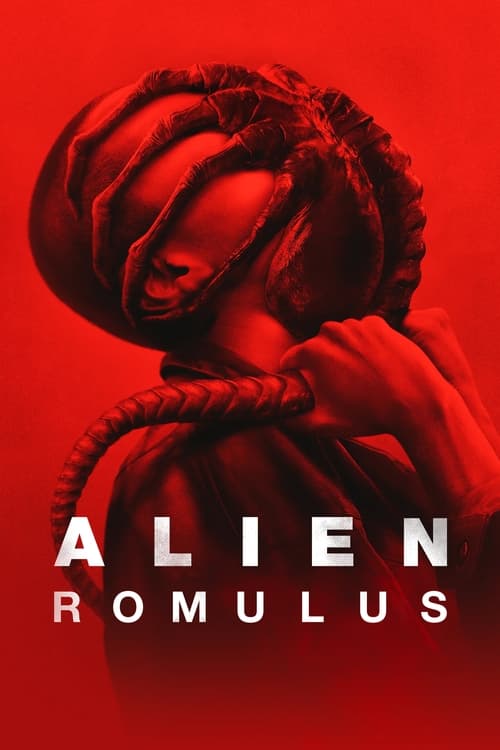
Six decades of the xenomorph: from the Nostromo's hold to the Weyland-Yutani origin story. Not all are horror, but all are essential canon.
What makes the ship a monster
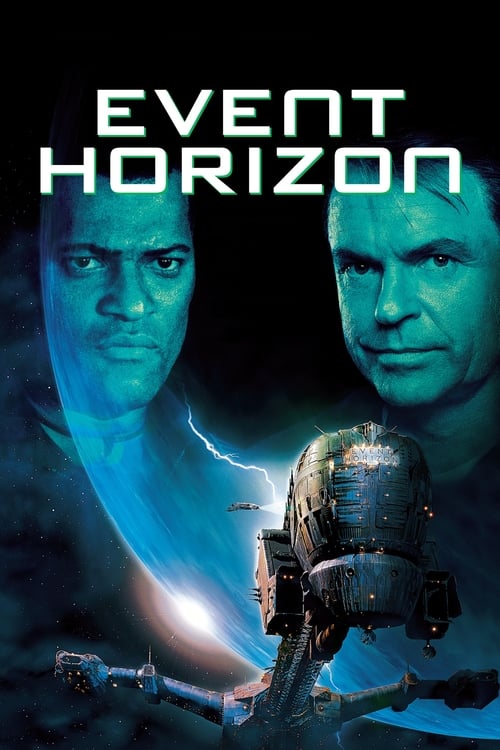
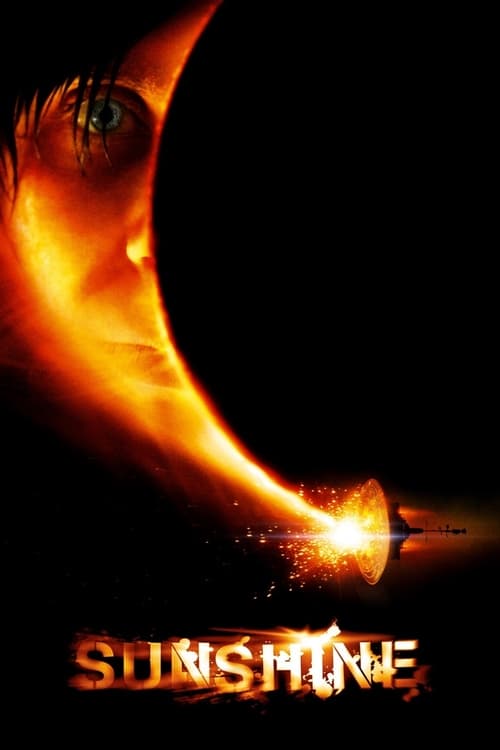
There is a recurring trick in space horror that the best works use deliberately and the weakest ones stumble into accidentally: the environment designed to keep you alive starts to kill you. The reactor room irradiates. The cryo chamber fails. The bulkhead that should seal the threat is the bulkhead the thing is already inside. This is more interesting than a mere alien on the loose because it implicates the technology that was supposed to be humanity's advantage. Event Horizon is the extreme version: the ship as portal to hell. Pandorum is the mid-tier version: the ship as nightmare the survivors can barely interpret. Sunshine does it by making the mission itself the source of the horror, the thing the crew's psychology cannot survive.
Event Horizon went somewhere most films will not
Paul W.S. Anderson's 1997 film is not subtle and does not pretend to be. A rescue crew boards a ship that returned from a dimension of pure suffering, and what follows is one of the genre's most committed commitments to the idea that space can be a door to something theological. The film was cut almost twenty minutes before release and the director has always said the lost footage was considerably darker than what survived. What survived is already genuinely disturbing: the gravity drive as ritual object, the ship as a being that wants you, the video log recovered from the first voyage that remains one of the most effective pieces of found footage ever assembled. Event Horizon failed on release. It has been quietly growing an audience ever since.
Films: zero gravity dread
Beyond the Alien franchise: the space horror films that built the genre's canon from the 1970s through to now.
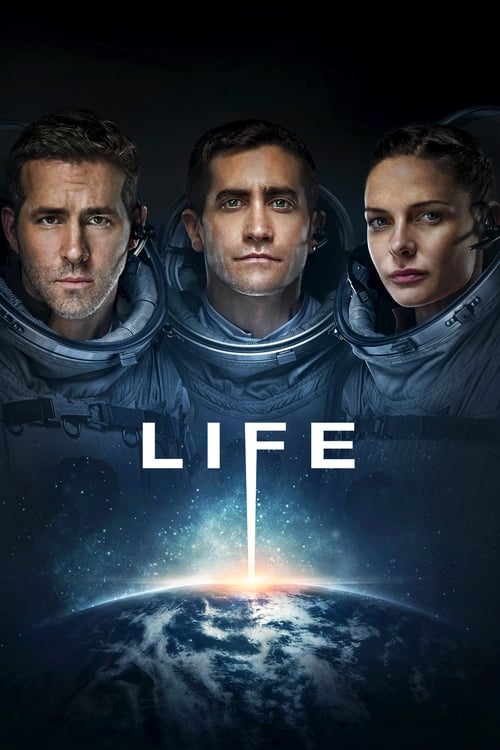
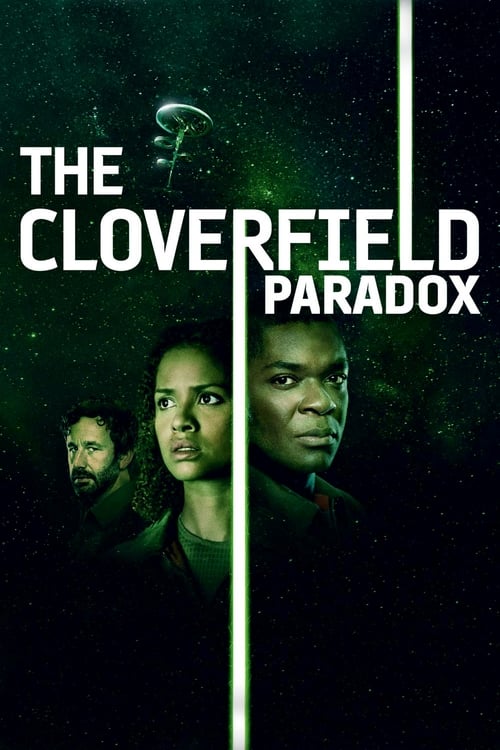

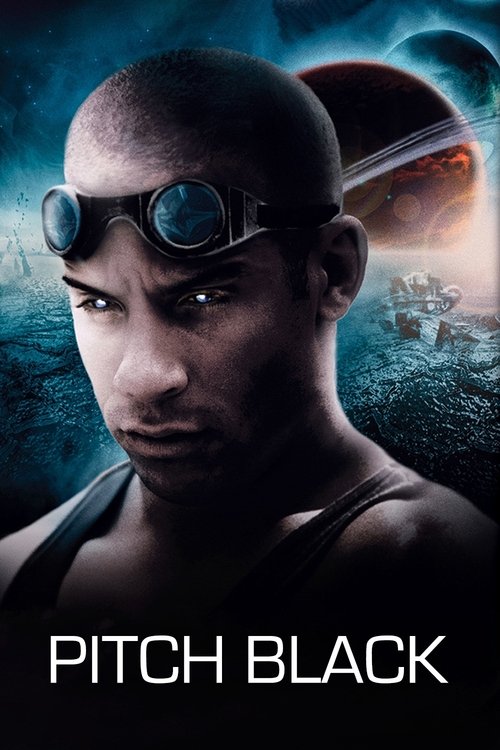
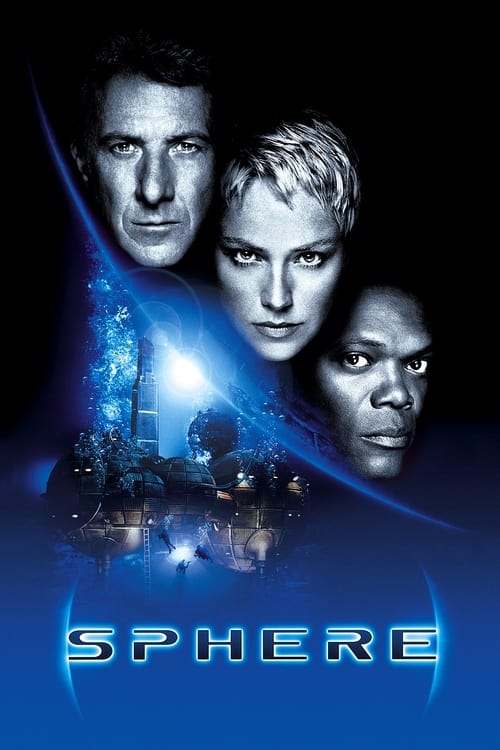
Games are the genre's natural medium
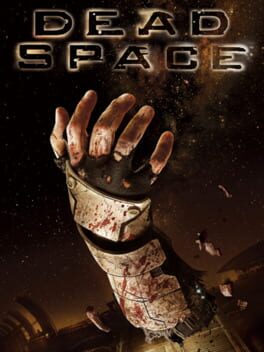
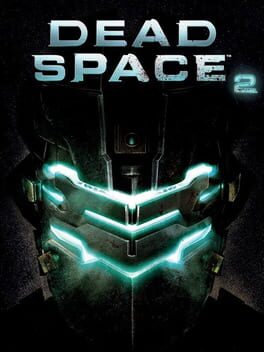
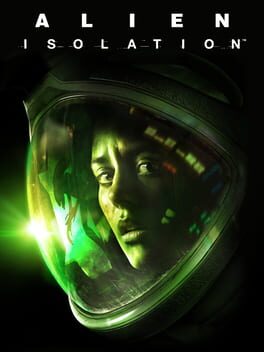
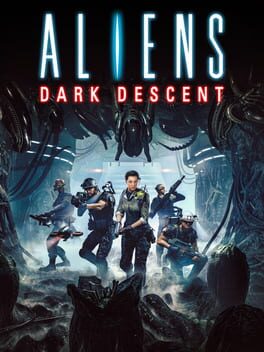
Reading about a corridor is scary. Watching a character walk down a corridor is scarier. Walking down the corridor yourself, knowing that a button press is all that stands between you and turning around, is something else entirely. Space horror translates into games better than almost any other genre because the first-person or close-third perspective turns helplessness into a physical sensation. When Isaac Clarke's health depletes in Dead Space, you feel the necromorphs closing in on your own body. When Alien: Isolation forces you to move slowly past a motion-tracker blip, the controller in your hands becomes a liability.
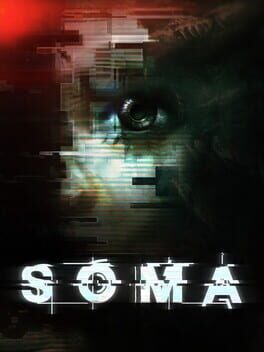
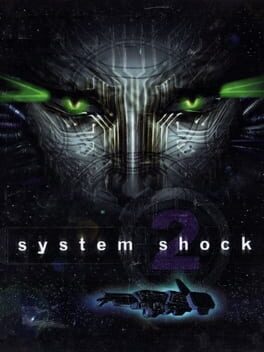
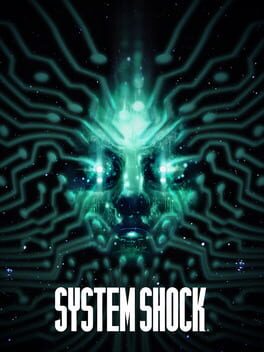
The genre has been good to games and games have been good to it. The original Dead Space (2008) is arguably the most complete translation of Alien's aesthetics into playable form. System Shock 2, from 1999, is still one of the finest examples of environmental storytelling the medium has produced. SOMA, from Frictional Games, asked a question about consciousness and identity that the best science fiction novels spend three hundred pages approaching. It asked it in about eight hours, and you played through the answer.
SOMA is the genre's most honest philosophical gut-punch
Frictional Games built SOMA (2015) on the question that space horror keeps circling without usually landing on: if you copy a consciousness perfectly, is the copy you? The underwater setting (Pathos-II, a research station on the Atlantic floor) mirrors the isolation of deep space without flinching from it. The monsters are disturbing but not the point. The point is that every time the game forces you to make a choice about another consciousness, it is also asking you whether the choices you have already made were justified. SOMA sold poorly and found its audience slowly. It is now, correctly, considered a landmark of the genre and one of the more morally serious games ever made.
Games: the corridor runs forever
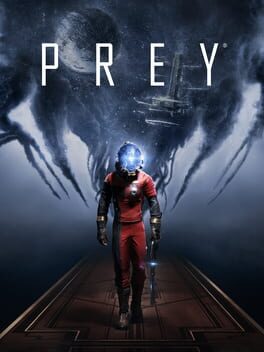
From the Ishimura to Pathos-II to Citadel Station: interactive survival terror in the dark of space.
Solaris is the most patient film in the genre
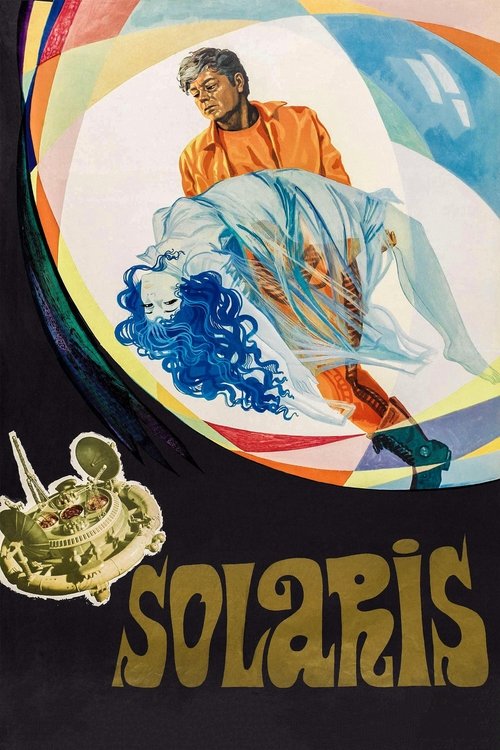
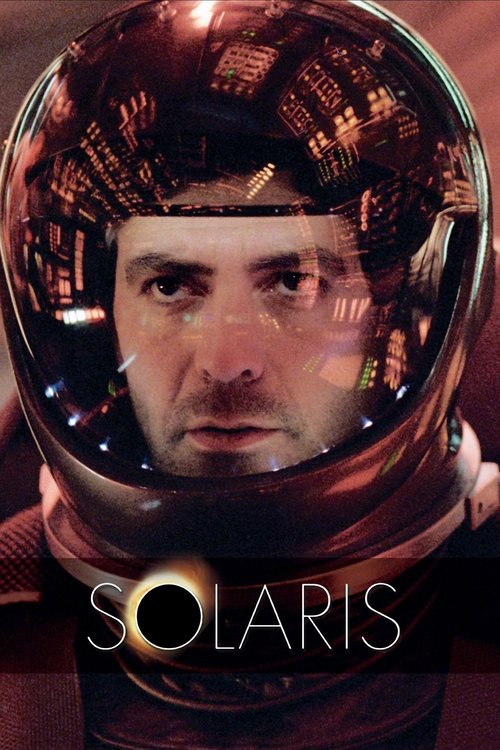
Andrei Tarkovsky's 1972 adaptation of Stanislaw Lem's novel barely qualifies as horror by conventional metrics. There are no monsters. Nobody is eaten. The station above the planet Solaris is strange and empty and haunted by the memories of its surviving scientist, and the film takes its time about all of it. What Tarkovsky understood, and what Lem's novel understood before him, is that the deepest space horror is not about predators. It is about contact with something that knows you and is not human. Solaris is a grief film that happens to take place in orbit. The planet reads your unconscious mind and manufactures your dead. That premise, used elsewhere for cheap shock, is here the source of the film's extraordinary melancholy. Steven Soderbergh's 2002 remake is shorter and more accessible and not wrong for it.
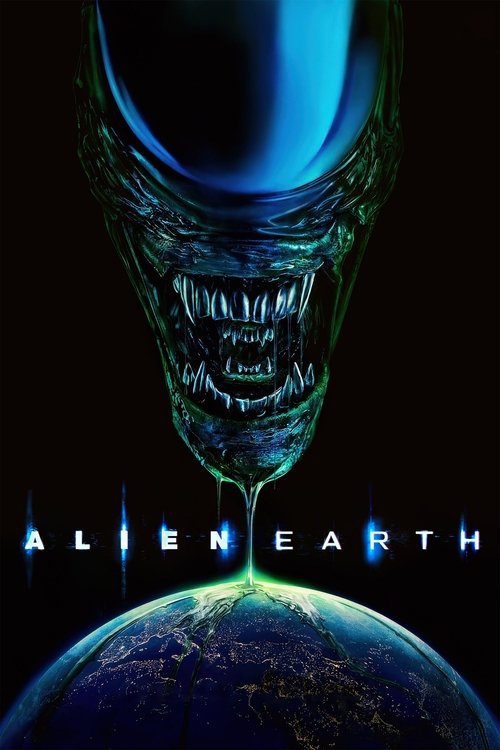
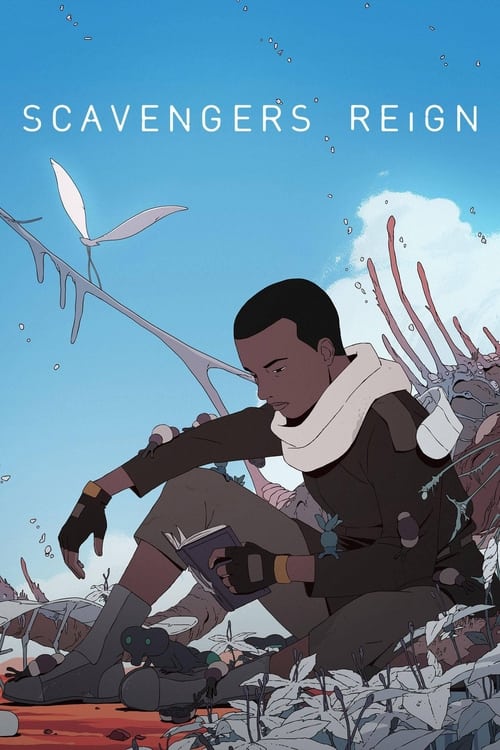
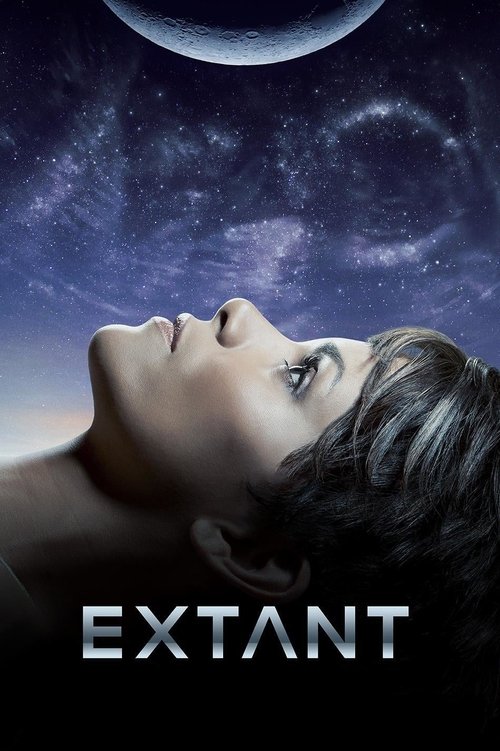
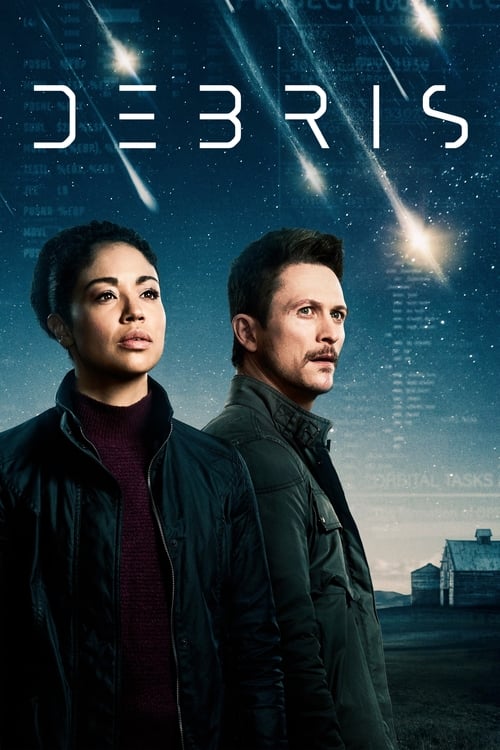
TV: horror in orbit
Small screens, vast distances, mounting dread: television's best attempts at survival horror set in space.

Books: the source material the genre keeps raiding
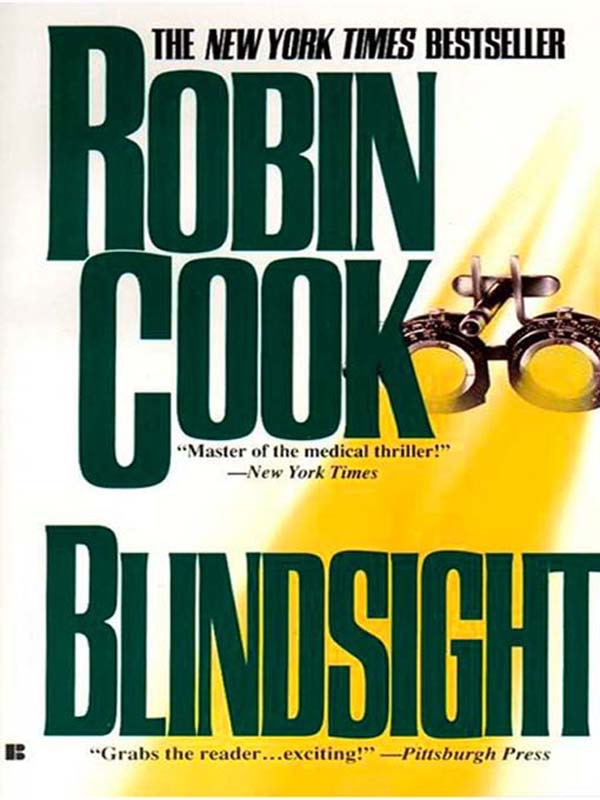
The catalog of space horror in print is thin by the standards of the film and game shelves, partly because the genre's isolation requires a particular kind of prose patience that not all horror writers have, and partly because science fiction novels tend to resolve toward wonder or adventure rather than dread. The exceptions are serious. Peter Watts's Blindsight (2006) is a first-contact novel in which the horror is not the aliens but the implication, built methodically over its pages, that consciousness itself may be an evolutionary mistake. Amie Kaufman and Jay Kristoff's Illuminae (2015) tells a story of fleet-scale disaster and a corrupted AI through found documents: ship logs, security footage transcripts, medical reports. The format, initially a gimmick, becomes genuinely terrifying as the AI's perspective starts to break down. Jeff VanderMeer's Annihilation is not strictly space horror but Area X shares every spatial logic of the genre: a zone where the rules of the surrounding environment no longer apply, where even the investigator's own perceptions cannot be trusted.
Books: the texts that transmit fear
Space horror on the page: novels that use isolation, unknown contact, and the body's limits to reach the genre's hardest emotions.


In space no one can hear you scream. That is not a marketing line. It is the contract the genre makes with you.CrossBinge Space Horror
Music: the score beneath the silence
The soundtracks that made the void feel inhabited. Space horror composers understand that silence is the most disturbing instrument.
The genre's unresolved question
Space horror's central argument with itself is about whether the threat is internal or external. In Alien the creature came from outside and it is lethal and that is the whole story. In Pandorum the horror is what the surviving humans did to each other during a generational voyage. In Sunshine the sun is the antagonist but the film's real damage is done by a character whose psychology cannot survive knowing what the mission means. In SOMA the question of whether you are still you is more frightening than any leaking hull.
The best works in the genre do not choose. They let both possibilities coexist until you can no longer tell whether the thing hunting you through the corridor is something that got aboard, something that was always aboard in human form, or something that used to be human and is not anymore. That ambiguity is the genre's oldest and most reliable instrument. Use it until it breaks.