
Before the sweaters and the subtitles, there were paperbacks. Scandinavian crime fiction is one of the great sustained projects in popular literature: sixty years of novels that use the murder plot as a scalpel, opening up the world's most orderly societies to see what actually moves underneath. It began as a ten-book political argument by a Swedish couple writing alternate chapters, and it grew into the planet's dominant crime-writing tradition, translated everywhere, imitated constantly, never quite equalled.
This is the reading guide: every major series in its right order, the authors who matter, where their books meet the screen, and where to start if the shelf looks intimidating. Pour the coffee. It gets dark early here.
Start here: the Martin Beck novels
Sjowall and Wahloo's 1965 to 1975 decalogue, the genre's year zero


Wallander and the Swedish conscience
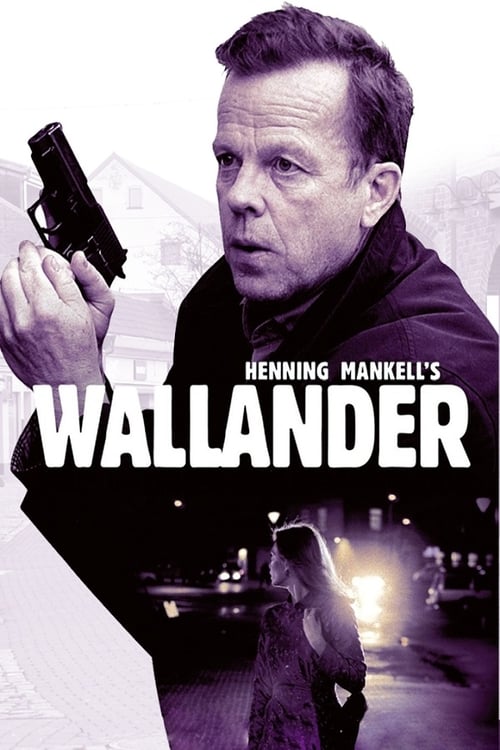
Henning Mankell inherited the Beck project openly. His Kurt Wallander is a diabetic, divorced, opera-loving detective in the small southern town of Ystad, and each of his cases is really about something arriving in Sweden: racism, the fall of the Soviet bloc, cyber-sabotage, the past. The series made the detective's exhaustion the point. When Wallander finally walks into the fog of the last book, the genre lost its conscience and knew it.
Wallander's Sweden
Mankell's melancholy inspector, first case to elegiac finale


The Millennium phenomenon
Larsson's trilogy and the continuations that kept Salander alive


The Nesbo engine
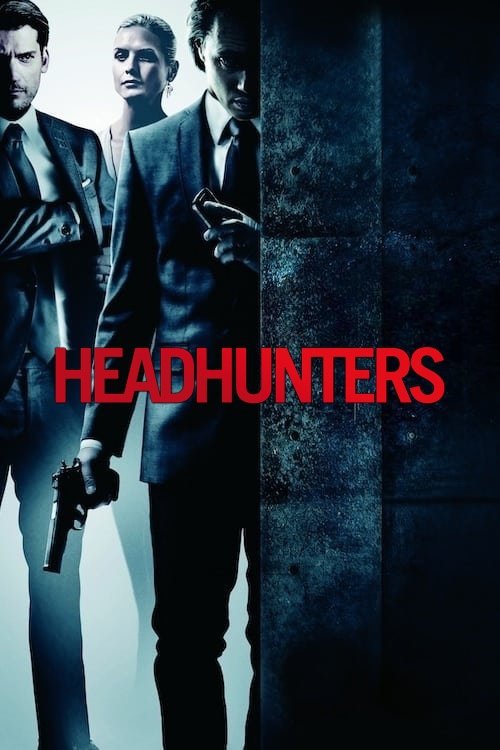
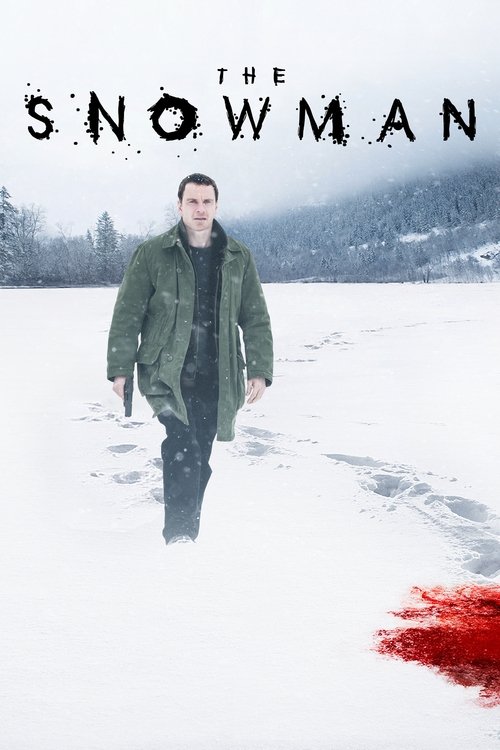
Jo Nesbo was a financial analyst and the frontman of a Norwegian rock band when he began The Bat on a long-haul flight to Australia. Thirteen books later, Harry Hole is the genre's definitive damaged detective: alcoholic, unkillable, employed only when Oslo's murders get strange enough to need him. The mid-series run from The Redbreast to The Snowman is modern crime writing's high-water mark for pure momentum, and the standalones (Headhunters above all) show what Nesbo can do when he lets himself be funny.
Harry Hole's Oslo
Nesbo's damaged detective in reading order, plus the standalones


Department Q's cold cases
Adler-Olsen's basement unit, from Mercy to Locked In


The queens of Swedish crime
The wave's commercial engine room is female. Camilla Lackberg built Fjallbacka, a postcard fishing village with a body count, into Sweden's biggest crime brand. Liza Marklund's tabloid reporter Annika Bengtzon put journalism at the genre's center a decade before it was fashionable. Asa Larsson sent her lawyer north into midnight-sun country, Camilla Grebe won the Glass Key twice with switchblade plotting, and the husband-and-wife machine writing as Lars Kepler turned the Swedish thriller industrial. Anyone still calling this a boys' club has not read a bestseller list since 2003.
The queens of Swedish crime
Lackberg, Marklund, Larsson, Grebe: the bestseller engine room


The engine room: Swedish procedural masters
Nesser, Persson, Kepler, Theorin and the craftsmen behind the headline names


Norway beyond Nesbo, and the quiet school
Norway's shelf is deeper than its export charts suggest. Gunnar Staalesen's Varg Veum was working Bergen's social-worker cases in 1977, decades before the boom. Karin Fossum writes the genre's quietest and most unnerving books, village tragedies where the crime is almost beside the point. Anne Holt, a former justice minister, writes the system from the inside, and Jorn Lier Horst, a former senior detective, writes investigation with a realism nobody else can fake. Samuel Bjork supplies the serial-killer voltage. Together they are the genre's full dynamic range.
Norway beyond Nesbo
Staalesen's private eye, Fossum's quiet tragedies, Horst's real-cop realism


Iceland's dark shelf
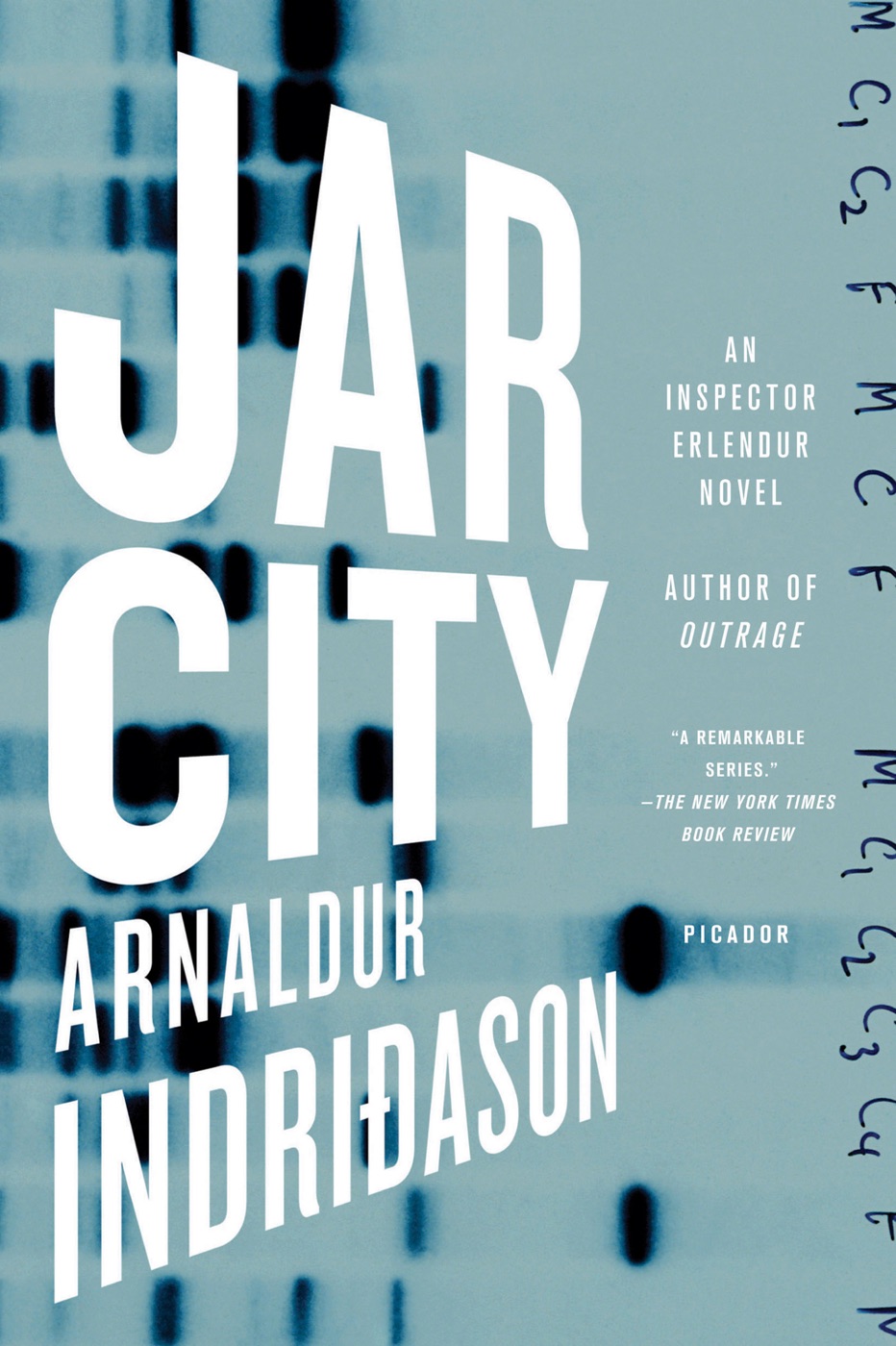
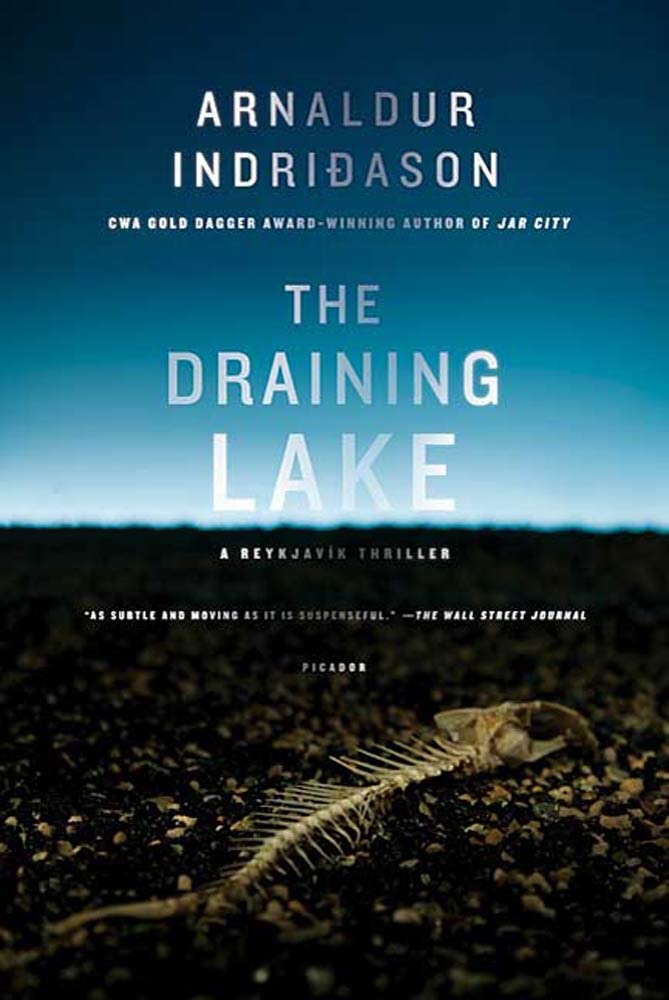
From Erlendur's Reykjavik to the snowed-in towns of Dark Iceland



Danish darkness and the Finnish streak
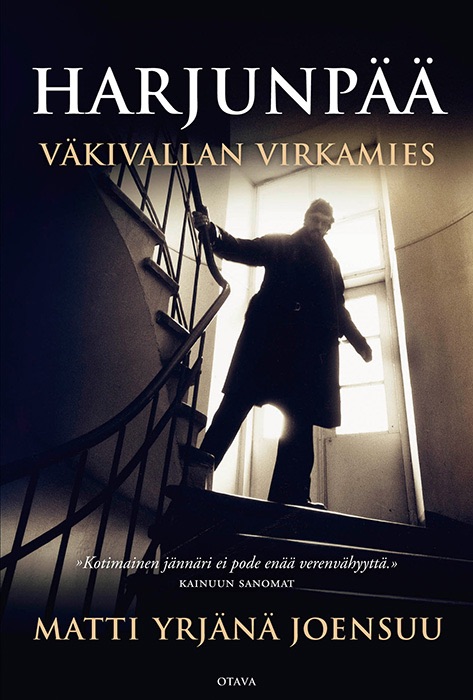
Copenhagen to Helsinki: the shelf's two underrated wings



Write a chapter each, every evening, for ten books, and make the whole thing one long argument about your country. That was the plan, and it worked.
The bookshelf, decade by decade
- 1965Roseanna begins the Martin Beck decalogue and the modern Scandinavian crime novel Roseanna
- 1971The Laughing Policeman wins the Edgar, a first for a translated Swedish novel The Laughing Policeman
- 1977Gunnar Staalesen's Varg Veum starts working Bergen, decades ahead of the boom Yours until death
- 1991Faceless Killers introduces Kurt Wallander and goes on to win the first Glass Key award Faceless Killers
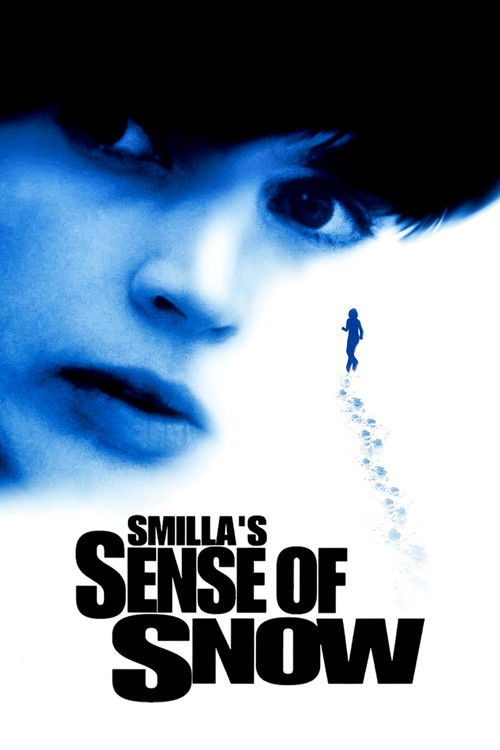
- 1992Peter Hoeg's Smilla becomes a global literary bestseller and previews the wave Smilla's Sense of Snow
- 1997Jo Nesbo debuts with The Bat, begun on a flight to Sydney The Bat
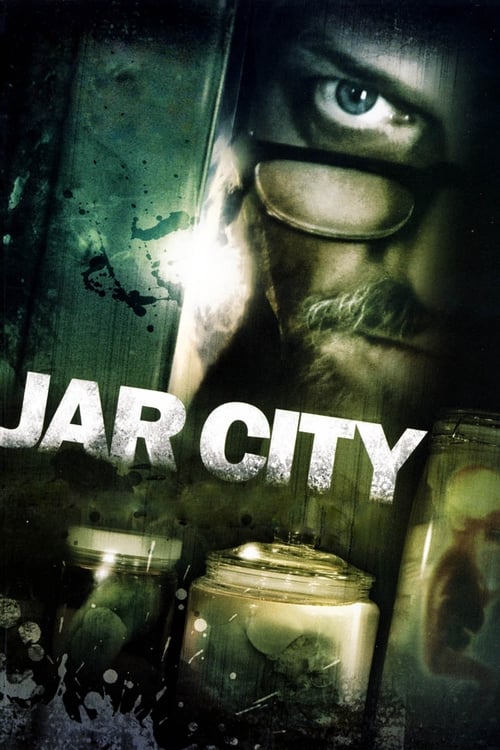
- 2000Jar City brings Iceland into the canon Jar city
- 2005The Girl with the Dragon Tattoo appears, a year after Stieg Larsson's death The Girl with the Dragon Tattoo
- 2007The Snowman and The Keeper of Lost Causes land in the same year The Snowman
- 2010Ragnar Jonasson seals off Siglufjordur; the new Icelandic wave begins Snowblind
- 2015Lagercrantz continues Millennium; the brand outlives its author The Girl in the Spider's Web
- 2018The Killing's creator Soren Sveistrup turns novelist The Chestnut Man
- 2025Dept. Q hits Netflix and sends the backlist up the charts again Dept. Q
From page to screen
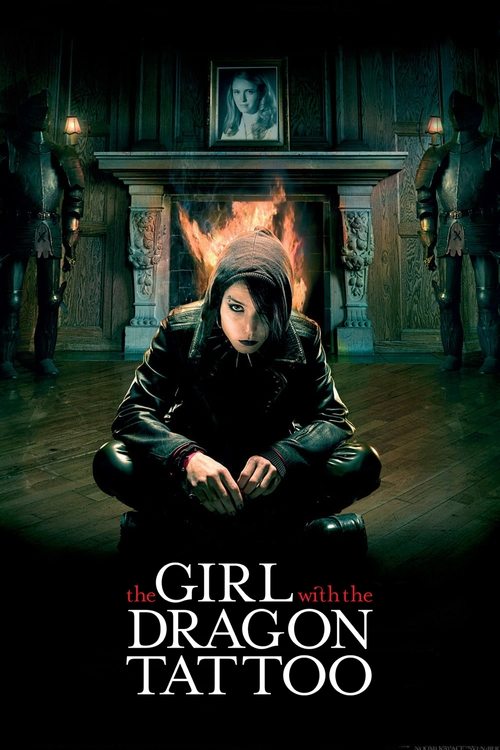
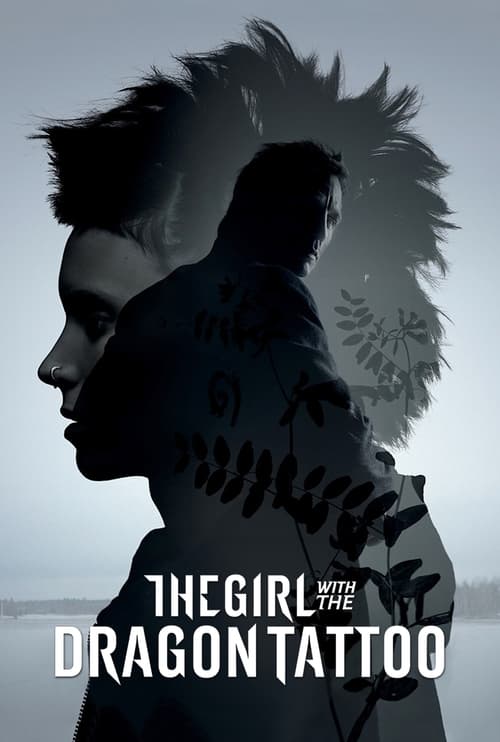
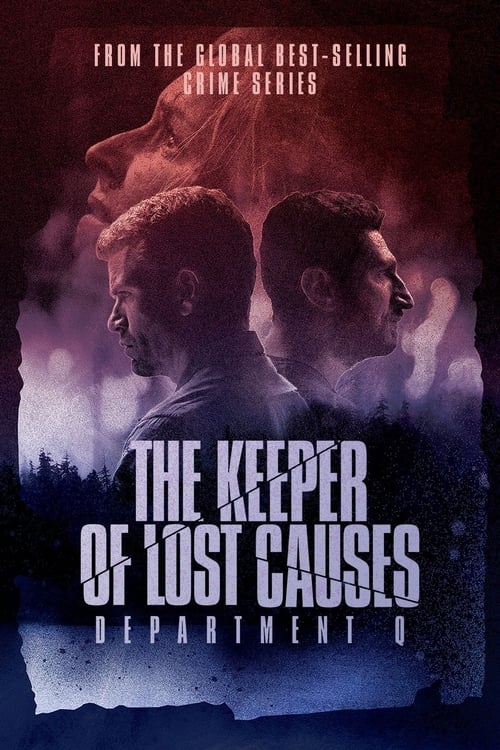
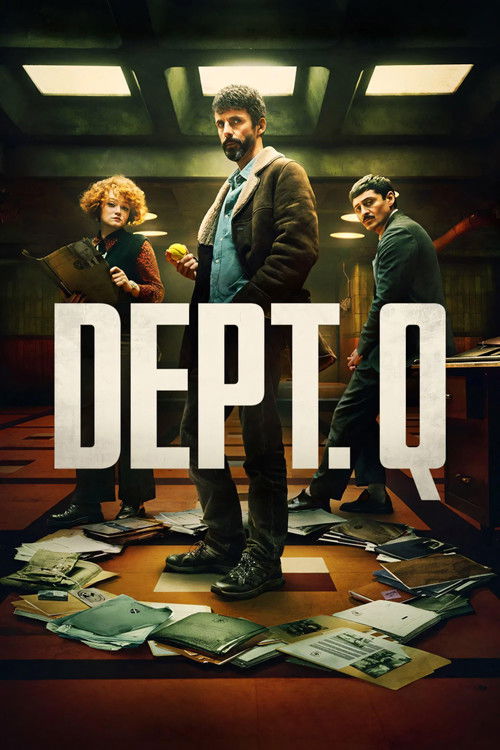
No crime literature has been filmed more aggressively. The scorecard is instructive: the adaptations made close to home, on modest budgets, by people who trust the source (the Danish Department Q films, Headhunters, Jar City) are excellent. The ones made far away with stars and a blank check mostly are not. The books remain the special sauce, which is why the same titles keep being adapted again every decade.
From page to screen
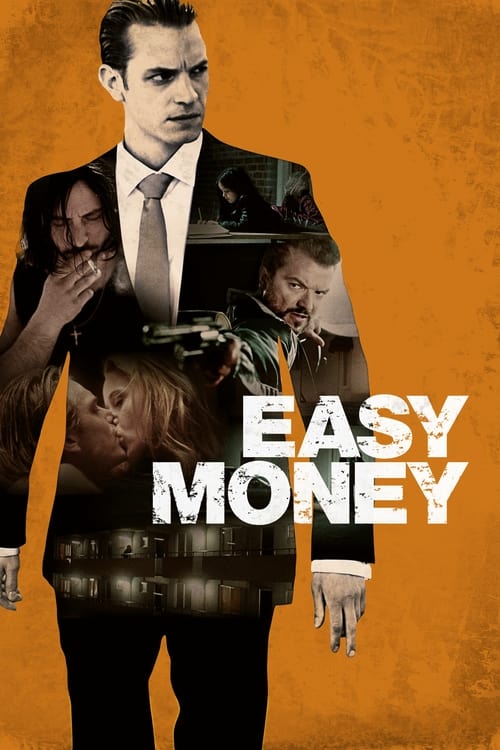
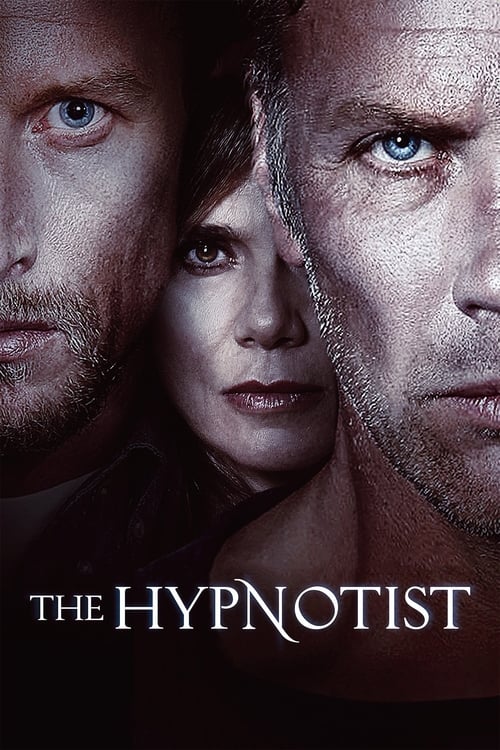
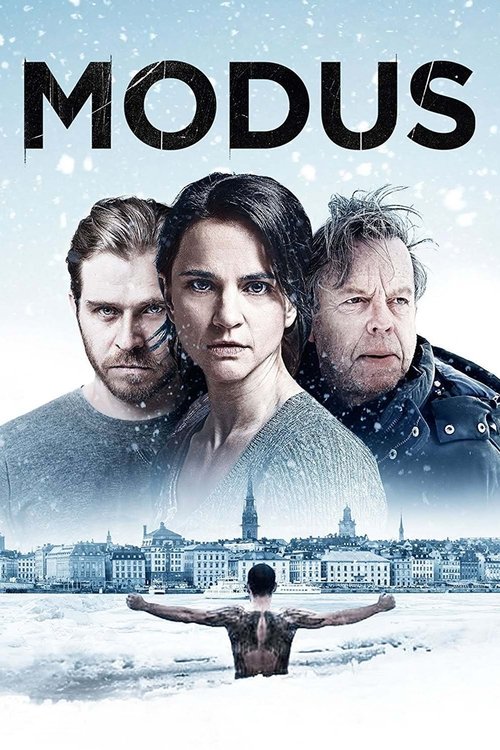
The adaptations that carried these books to the world


The authors
Follow the writers who built the shelf
The founders' heirJo NesbøView profile →Now watch it: the screen guides
Nordic Noir: The Ultimate Guide to Scandinavian Crime
Explore the Nordic Noir: The Ultimate Guide to Scandinavian Crime guide →Frequently asked
Where should I start with Scandinavian crime fiction?
For the foundation, Roseanna or The Laughing Policeman by Sjowall and Wahloo: short, sharp and startlingly modern. For a gateway thriller, Nesbo's The Snowman or Larsson's The Girl with the Dragon Tattoo. For something quieter, Mankell's Faceless Killers or Fossum's Don't Look Back.
Do I need to read the Harry Hole books in order?
Mostly yes, but not from book one. The common advice is to start at The Redbreast (book three), since The Bat and Cockroaches are outliers set abroad, then read in publication order. Go back to The Bat later as a curiosity.
Why do some of these books have two different English titles?
UK and US publishers often retitled the same translation. Adler-Olsen is the worst case: The Keeper of Lost Causes is Mercy in the UK, The Absent One is Disgrace, A Conspiracy of Faith is Redemption. Jar City also circulates as Tainted Blood.
What is the difference between Nordic noir and Scandinavian crime fiction?
Scandinavian crime fiction is the literature; Nordic noir began as a label for the moody screen aesthetic (The Killing, the Wallander adaptations) and now covers the whole style. All of these books qualify; the label arrived decades after Sjowall and Wahloo perfected the substance.
Are the Department Q films or the Netflix series closer to the books?
The four Danish films with Nikolaj Lie Kaas and Fares Fares are far closer in setting and tone, adapting the first four novels directly. Netflix's 2025 Dept. Q keeps the premise and the central dynamic but moves everything to Edinburgh, treating the books as a blueprint rather than a script.
Which authors were actually police officers or insiders?
Jorn Lier Horst was a senior Norwegian investigating officer, Anne Holt served briefly as Norway's justice minister, and Leif G.W. Persson spent decades as Sweden's leading criminologist. Their books are the shelf's reality anchor.