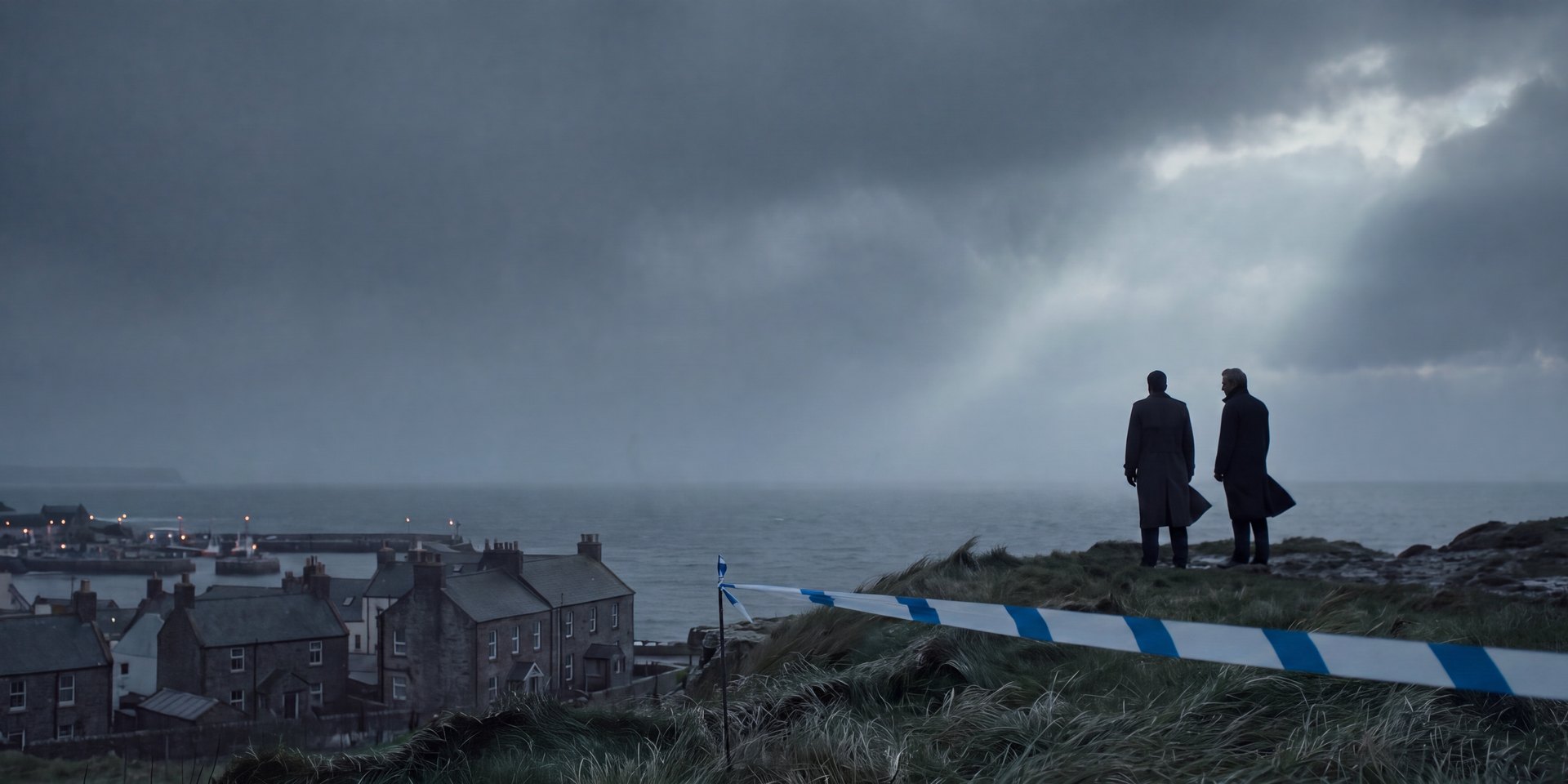

No country has made the police story as thoroughly its own as Britain. The reasons are structural: single writers scripting whole runs instead of writers' rooms, seasons of six episodes instead of twenty-two, and a national talent for finding the sinister in the ordinary, the body on the beach at low tide, the neighbour who keeps himself to himself. The result is a sixty-year tradition that runs from Z-Cars' shift-work realism to Adolescence's single-take gut punch, with the world's best detective institutions in between.
This guide covers the whole territory: the golden-age wave that began with Broadchurch and Happy Valley, the institutions from Morse to Vera, the gangster films, Belfast and Dublin, tartan noir, the novels behind the badges, and the true-crime dramatizations Britain does with unmatched restraint.
The essentials
Twelve doors into the tradition
The institutions
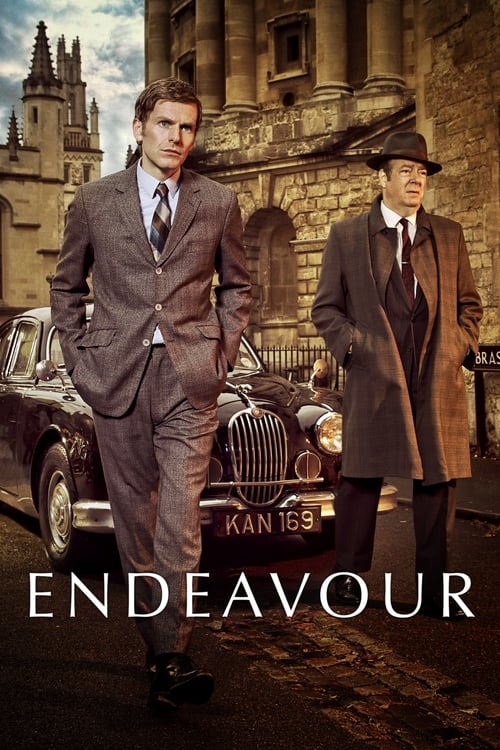
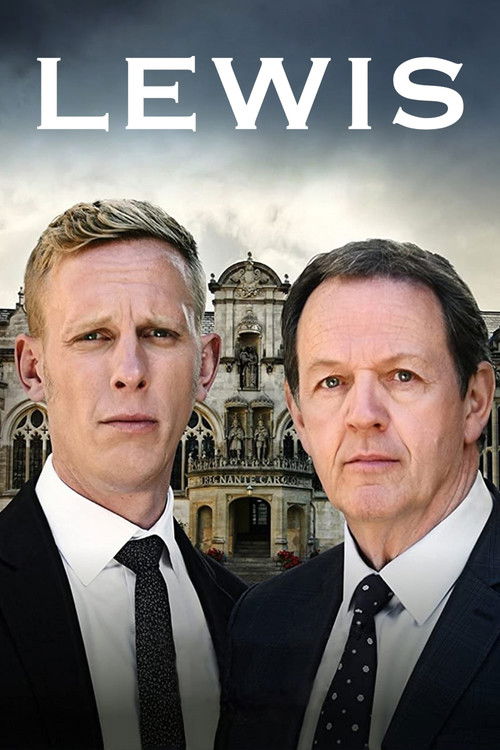
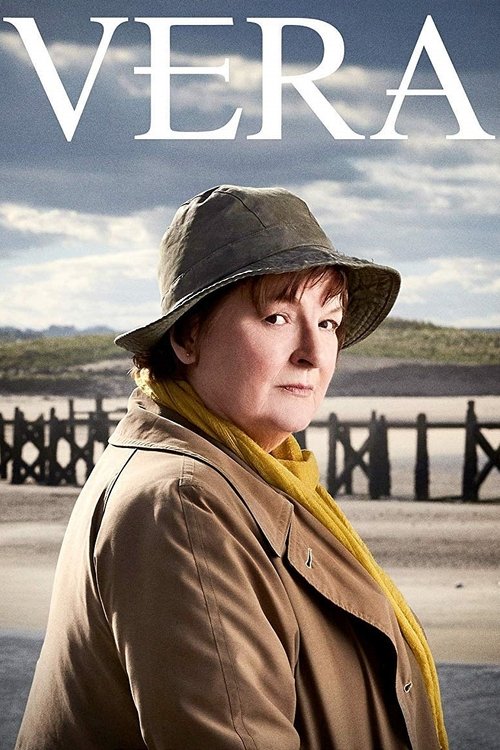
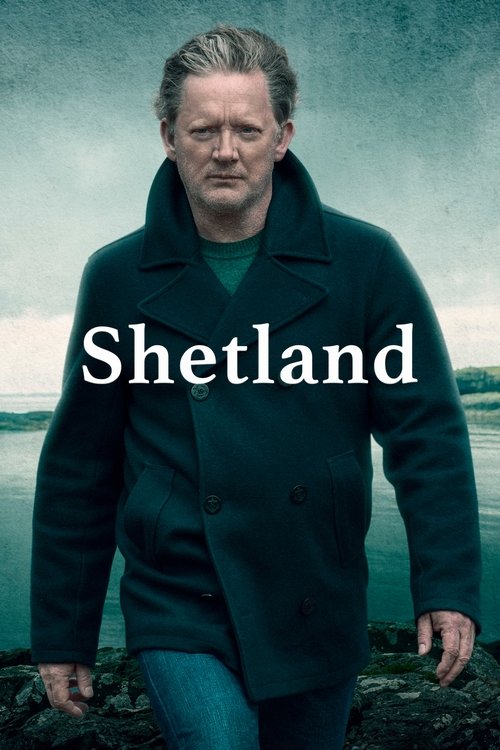
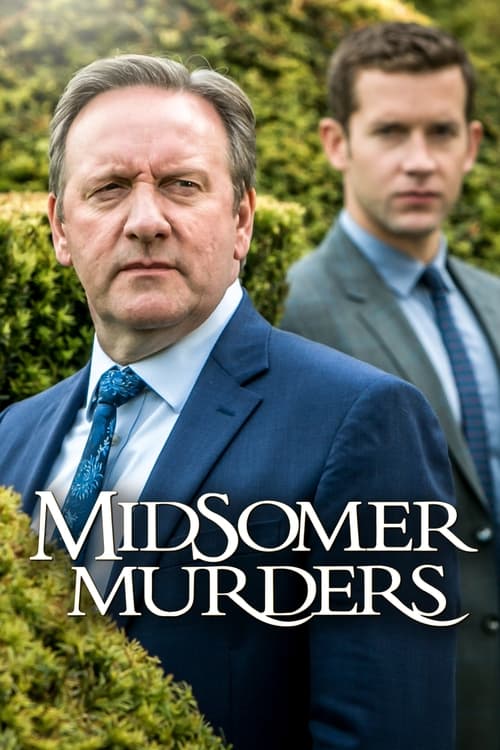
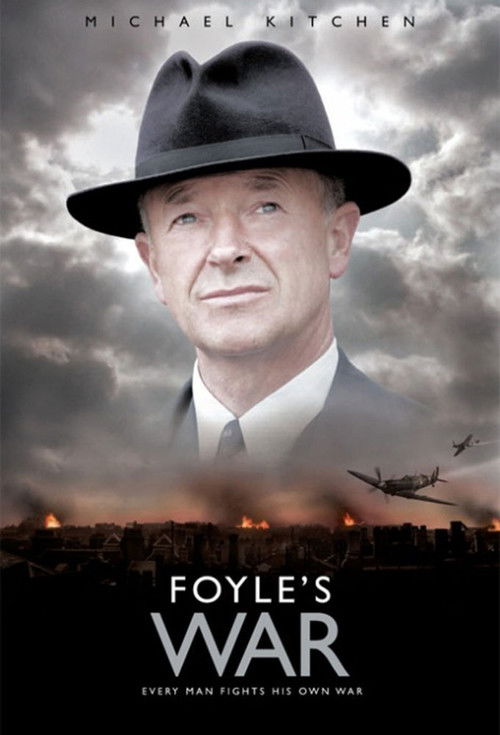
Every Sunday night for four decades, somewhere in Britain, a rumpled detective has been walking into a crime scene with a long-suffering sergeant in tow. Inspector Morse set the gold standard in 1987, all Oxford melancholy and crossword logic, and its universe alone spans thirty-six years of television through Lewis and the prequel Endeavour. Around it stand the long-running pillars: Vera's shambling brilliance on the Northumberland coast, Shetland's landscape-as-lead-character, Foyle's wartime rectitude, and Midsomer's cheerfully absurd village body count.
The detective institutions: Morse to Vera
The Sunday-night pillars


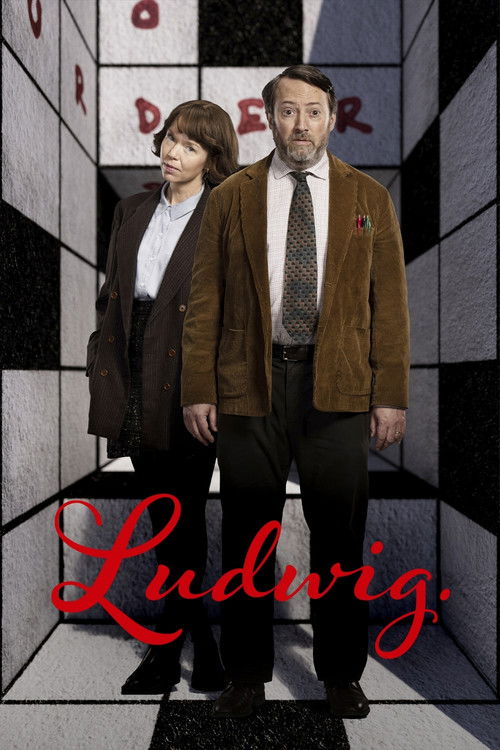
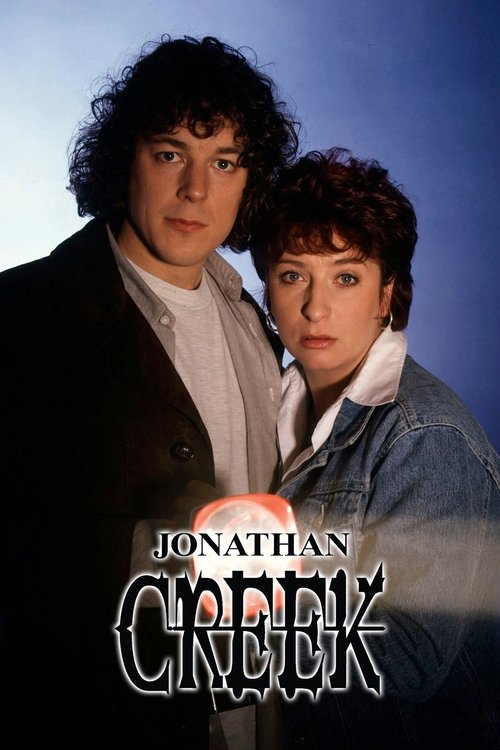
The dark 2010s wave
After Broadchurch, the water got deeper
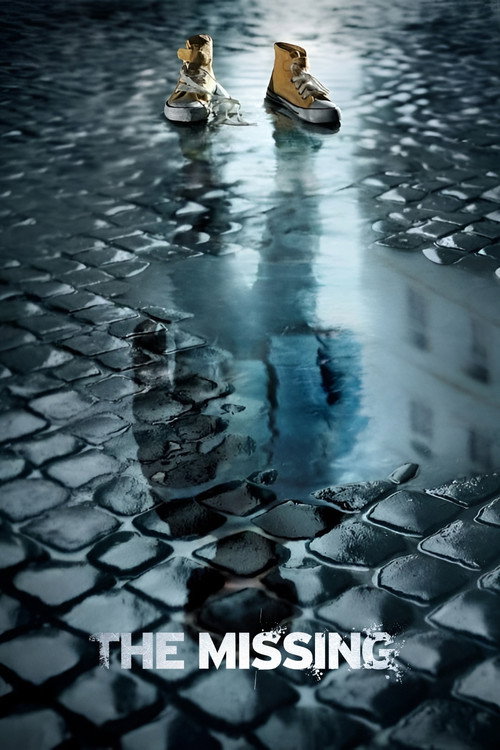
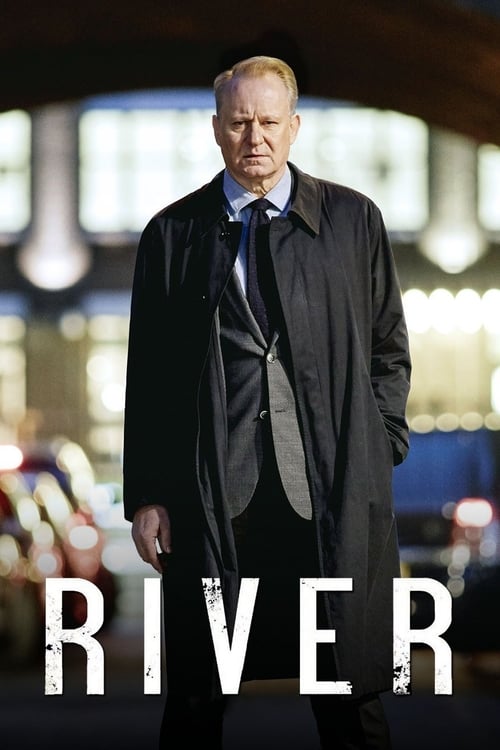

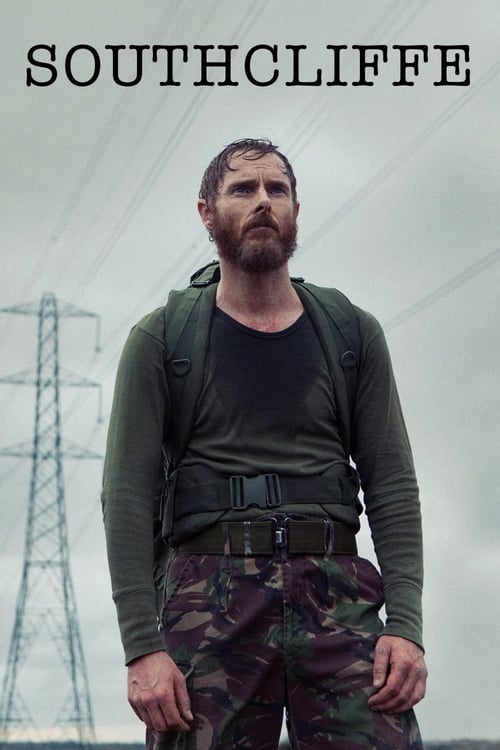

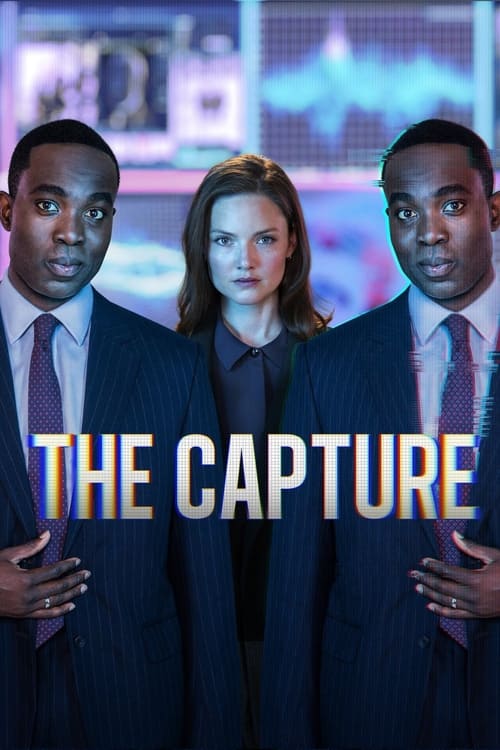
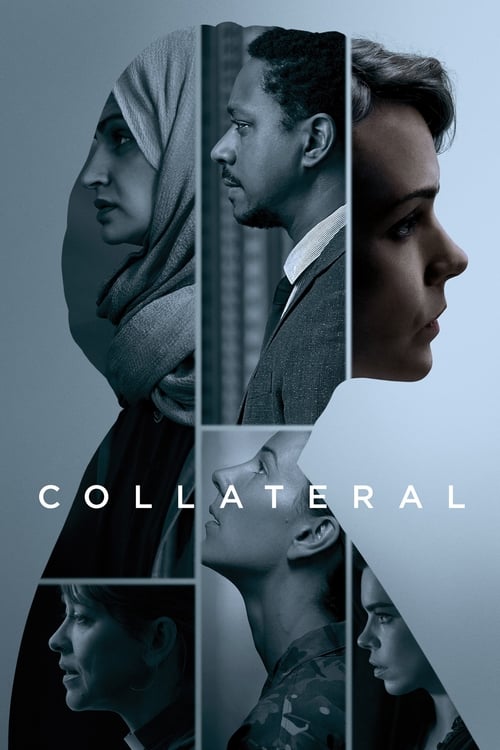

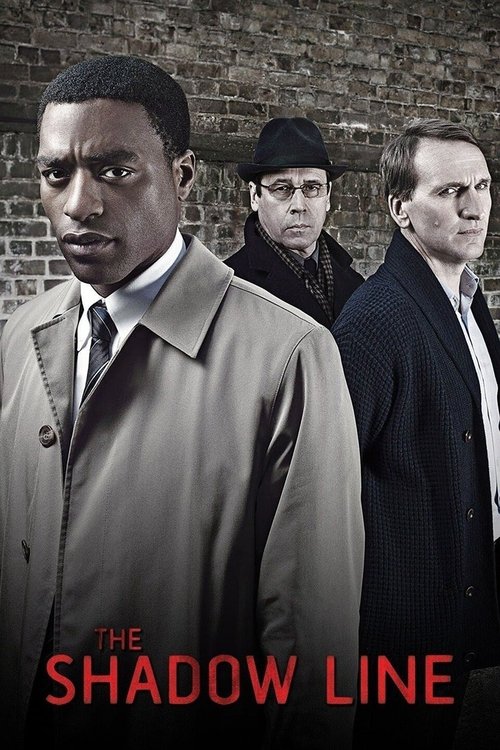
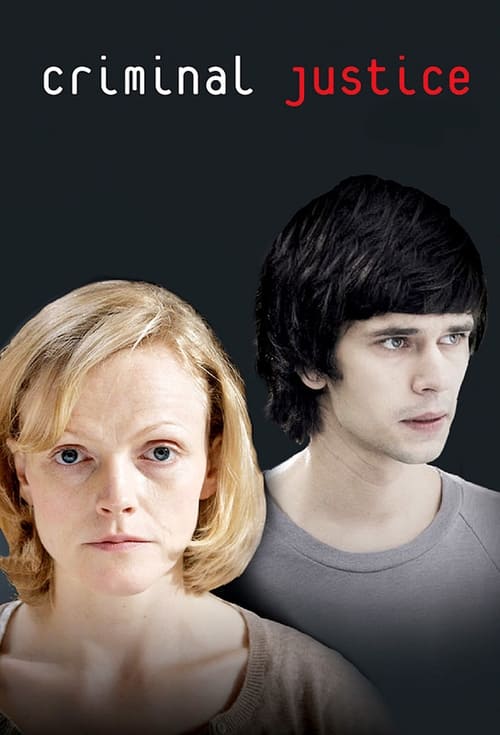
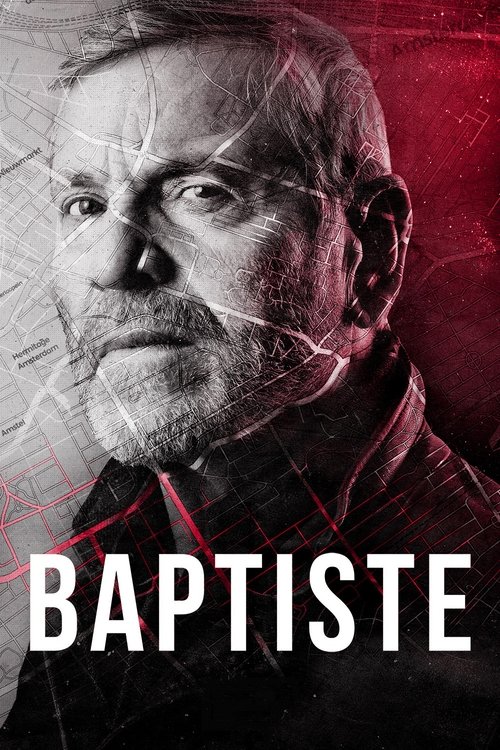
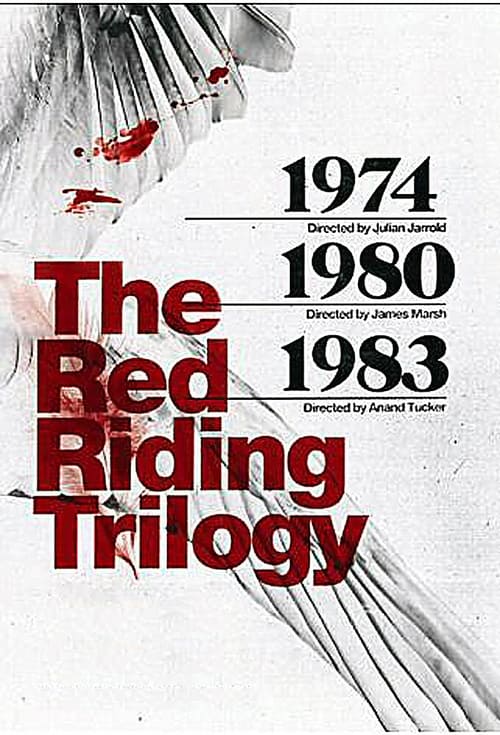
Cops policing cops
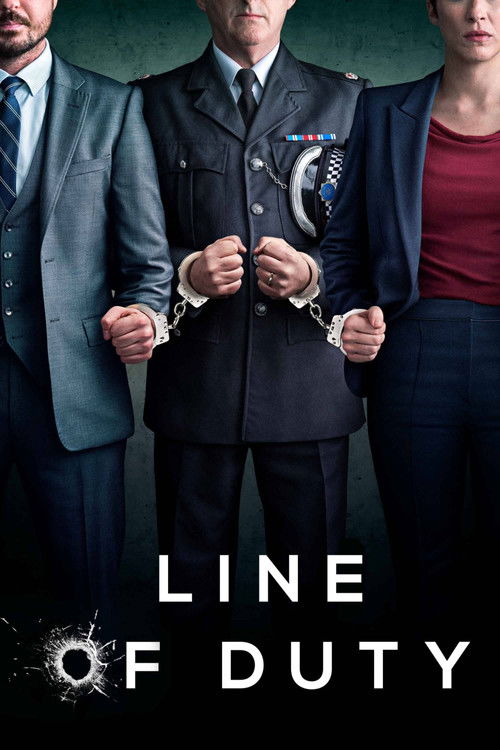
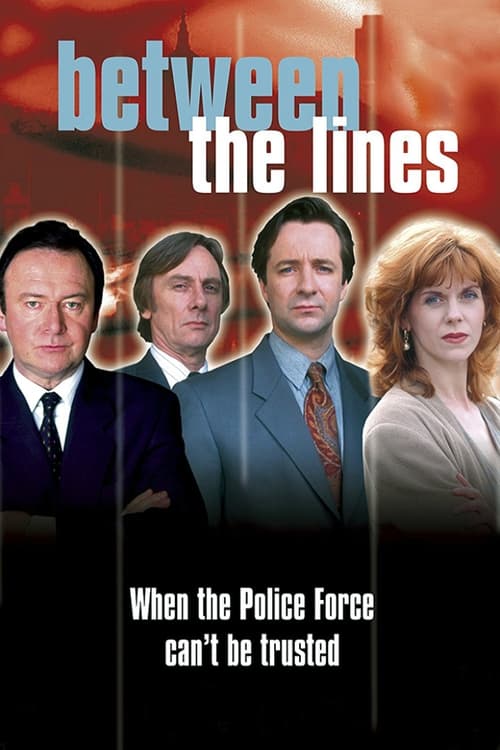
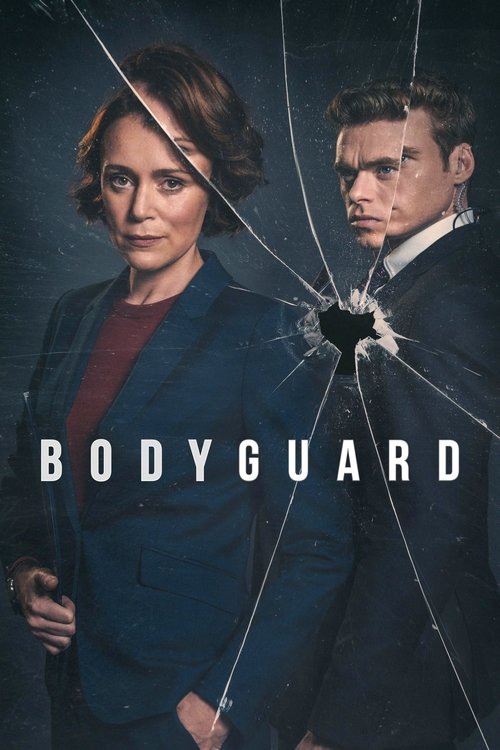
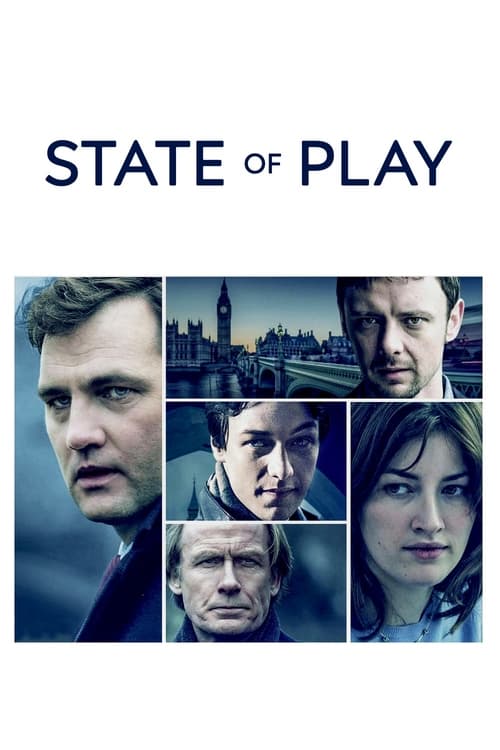
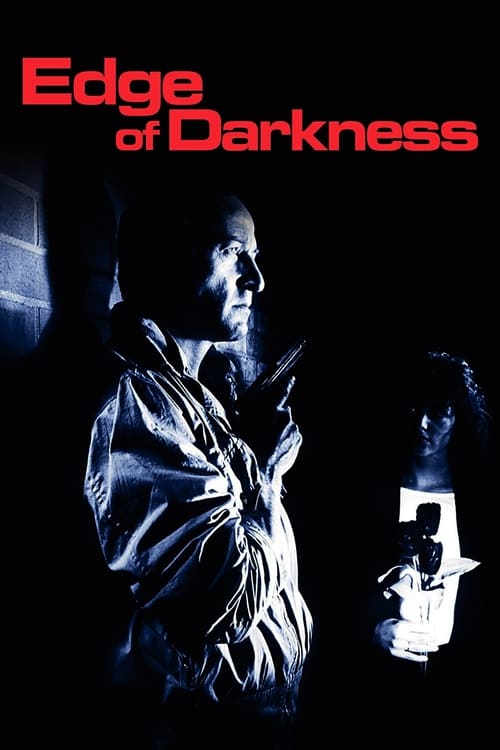
Britain's great structural contribution to the genre is the internal-affairs thriller. Between the Lines got there in 1992, but Line of Duty industrialized it: Ted Hastings' AC-12, the letter H, and the long interview scenes, twenty unbroken minutes of paperwork and lies, that became appointment television for millions. Jed Mercurio's other machine, Bodyguard, compressed the same institutional paranoia into six hours and broke BBC ratings records. The lineage runs back through State of Play and Edge of Darkness, the two conspiracy thrillers every showrunner still copies.
Cops under internal affairs: Line of Duty and its ancestors
Institutional rot, six episodes at a time

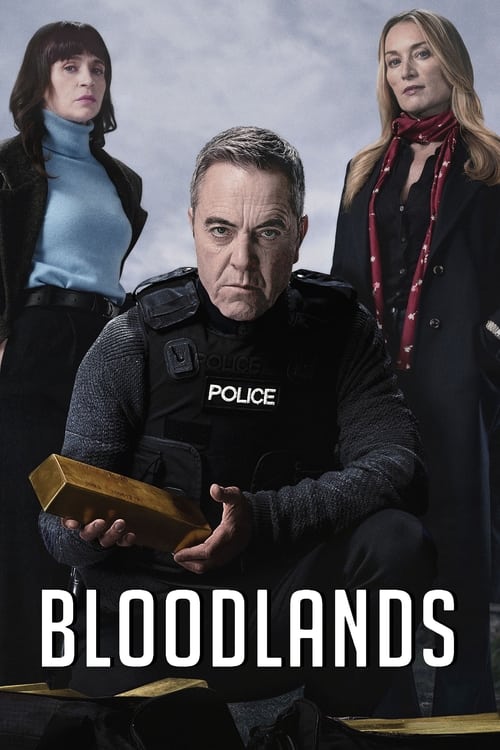
The gangster films
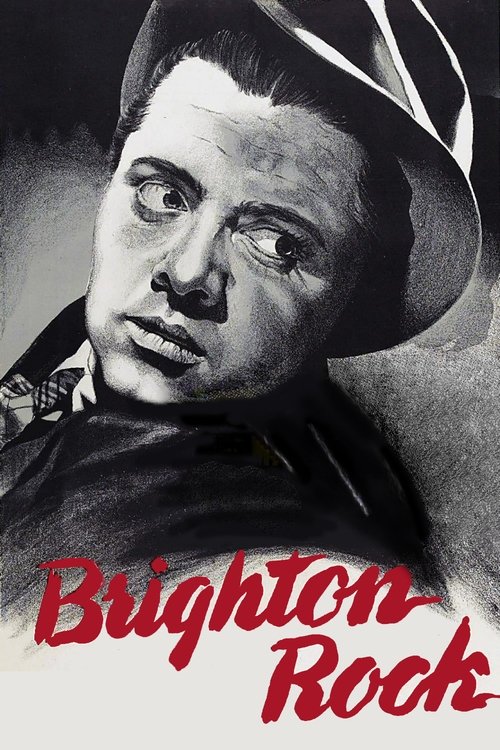
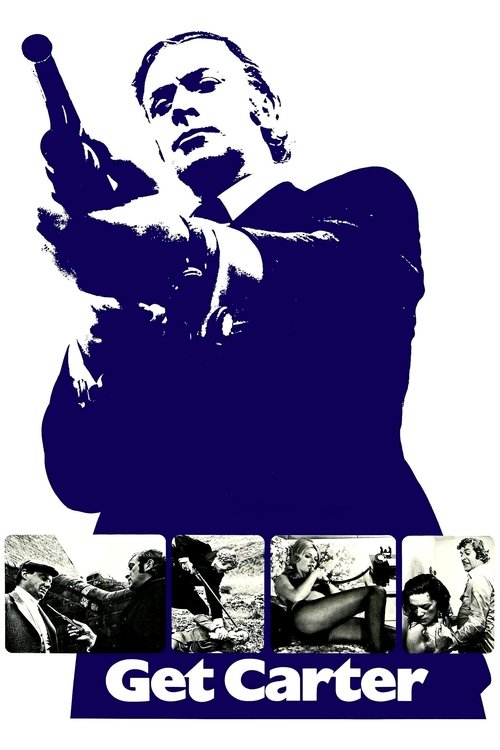
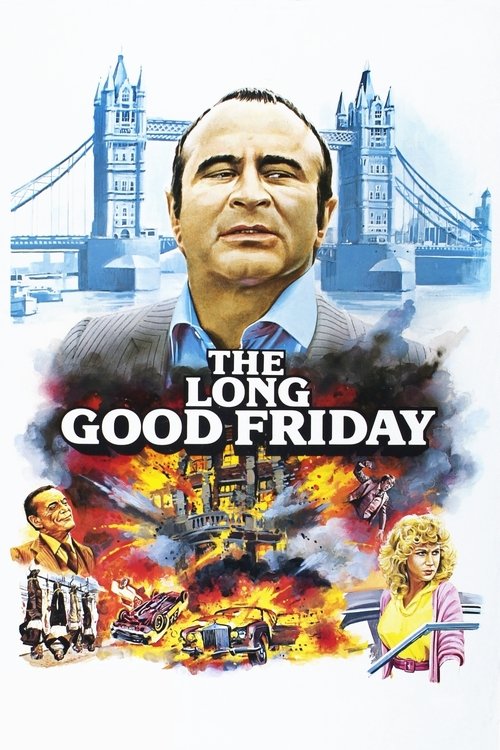
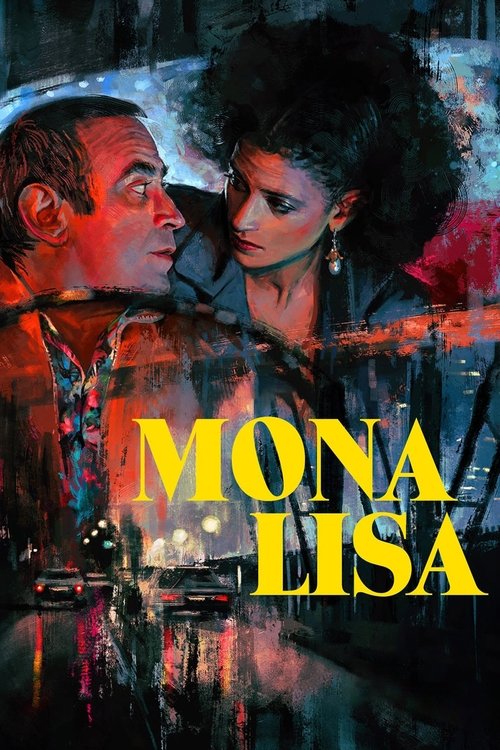
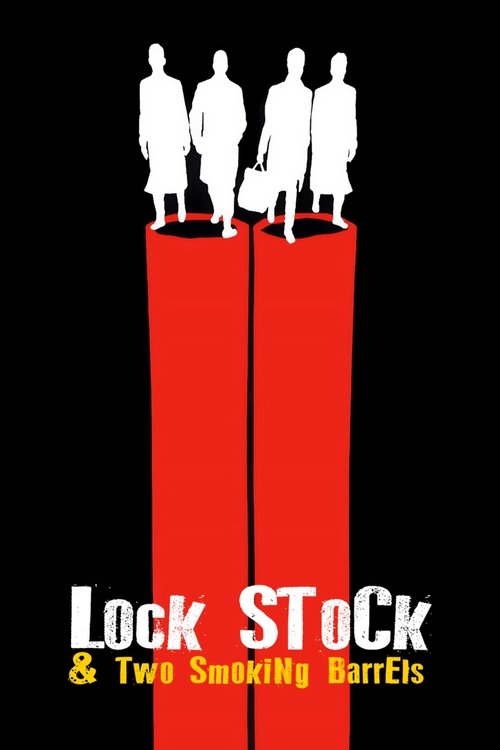
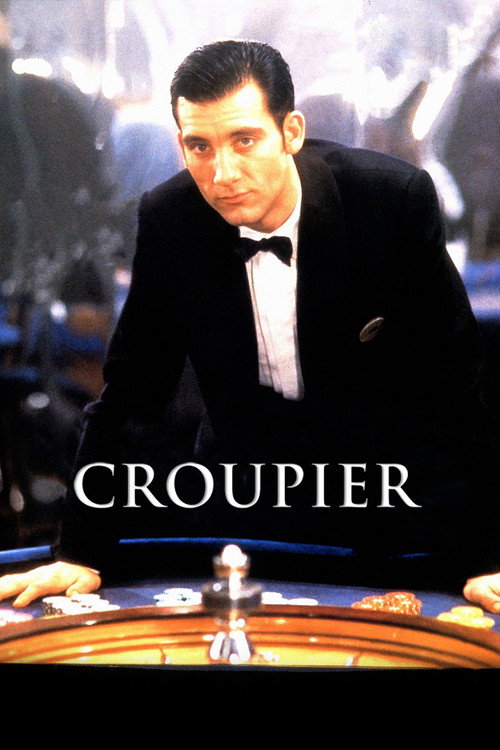
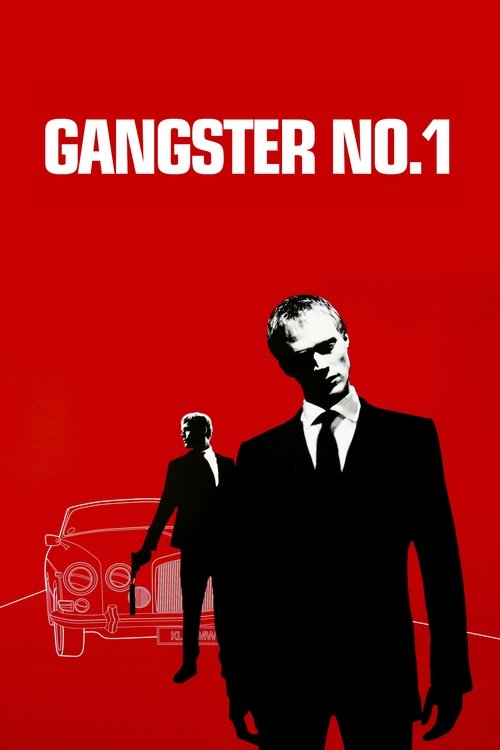
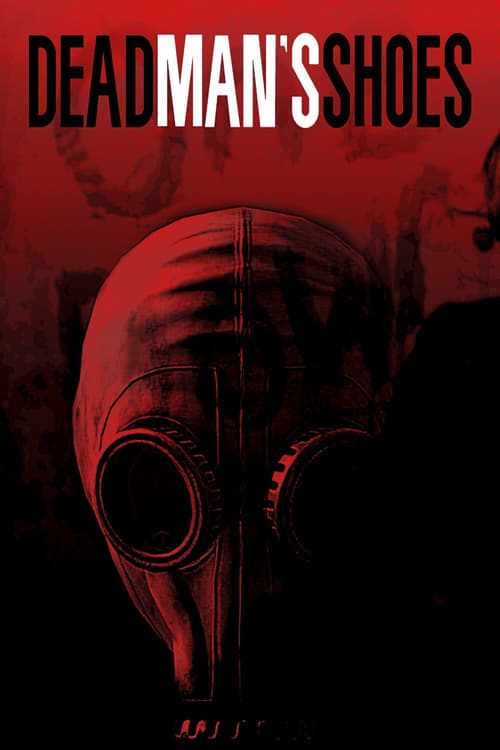
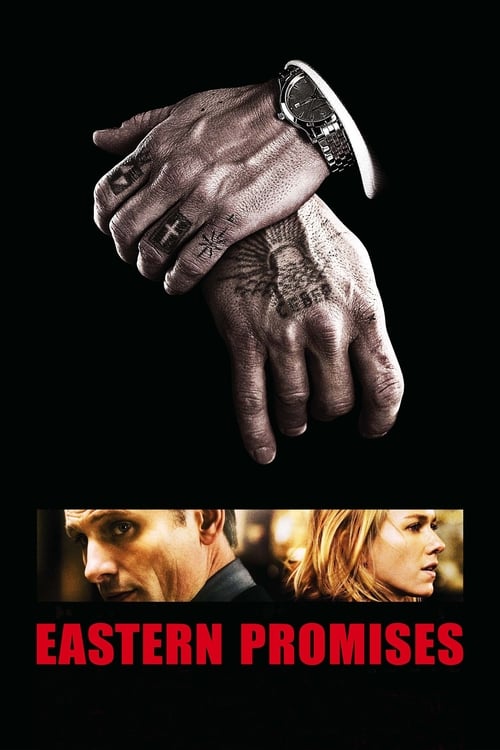
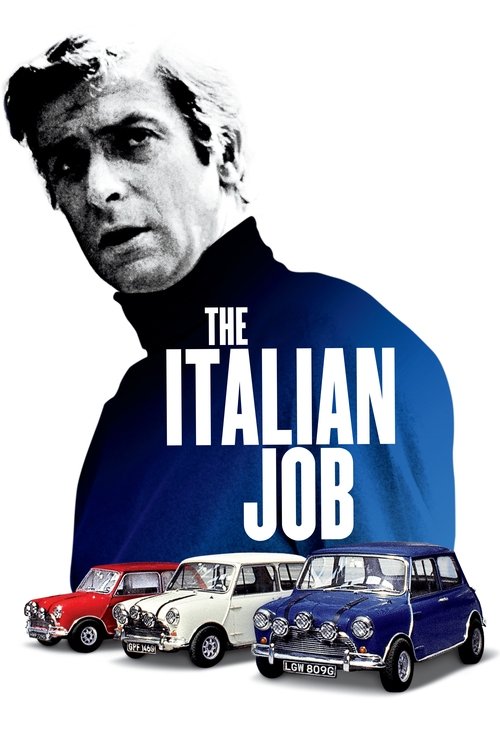
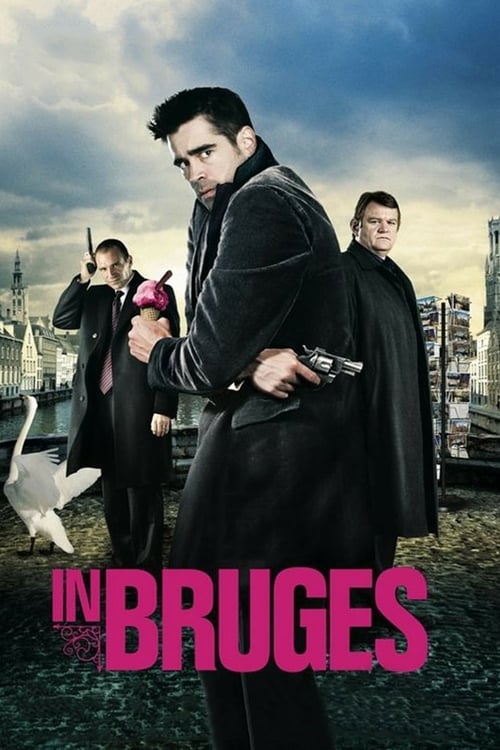
British crime cinema's spine is the gangster picture, and it runs cold. Brighton Rock gave it a razor-carrying teenage psychopath in 1948; Get Carter perfected the register in 1971, Michael Caine moving through Newcastle like weather; The Long Good Friday mapped gangland onto Thatcherism in one collapsing day. Then 1998's Lock, Stock made the geezer caper a national industry, Sexy Beast contributed the most terrifying houseguest in cinema, and Dead Man's Shoes took the revenge film somewhere genuinely upsetting.
The gangster films
From Brighton Rock to the Ritchie machine





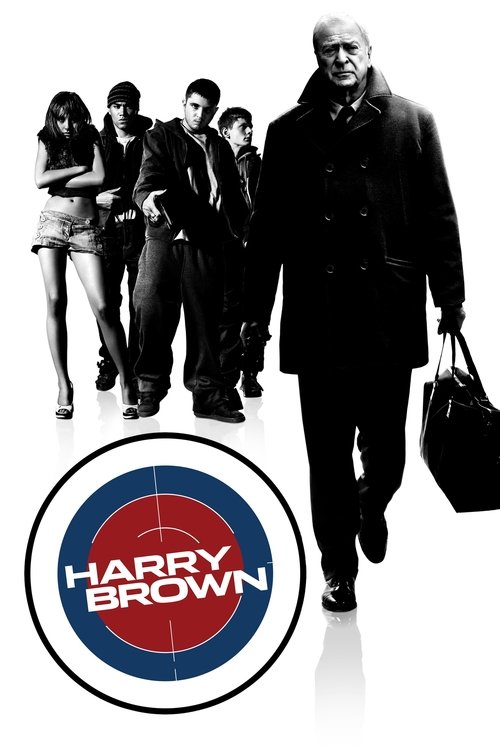
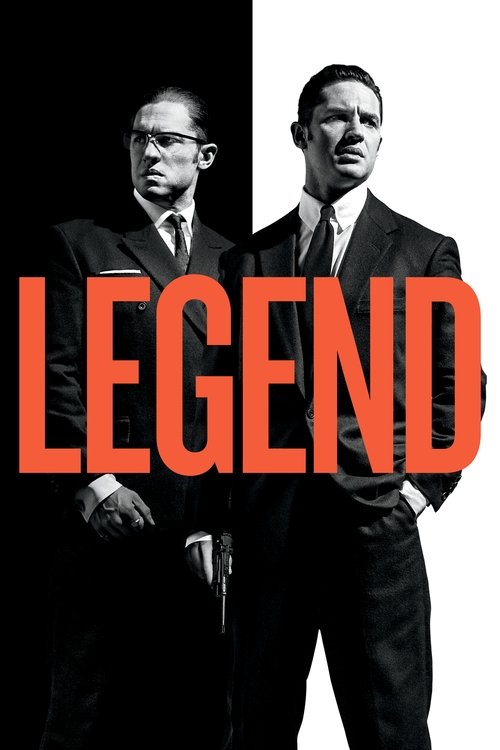
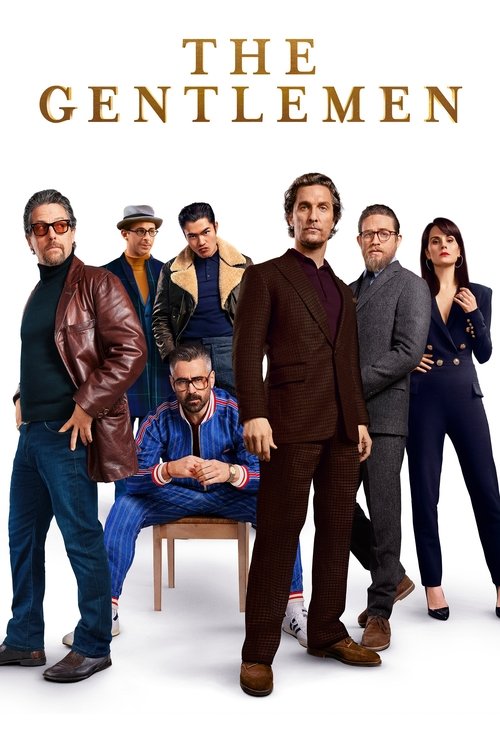
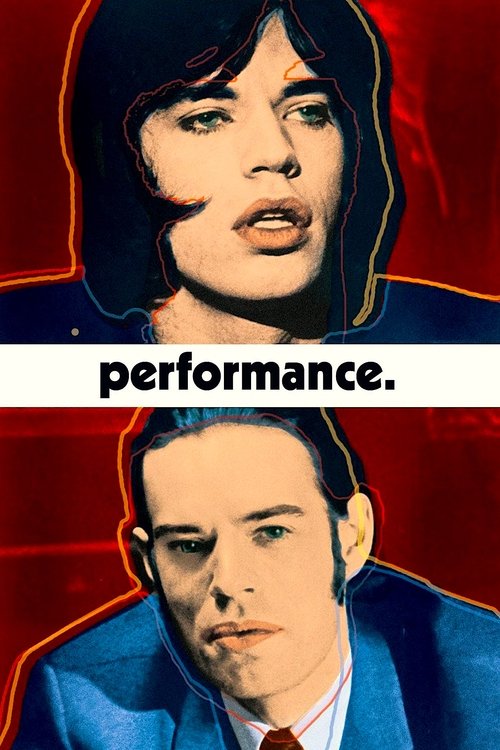
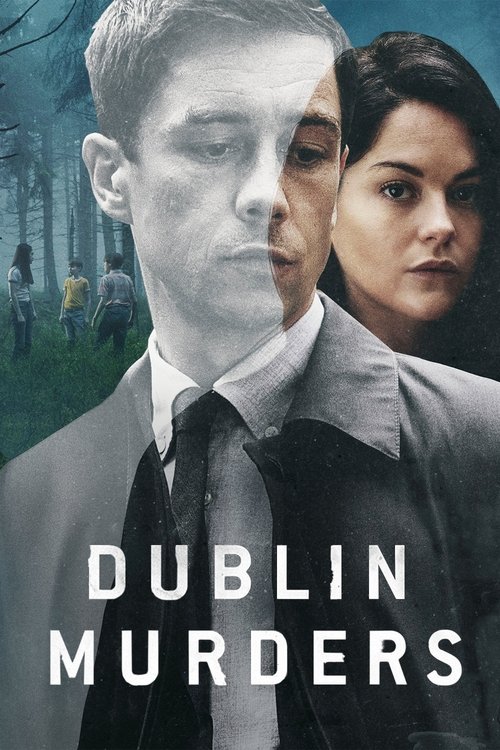
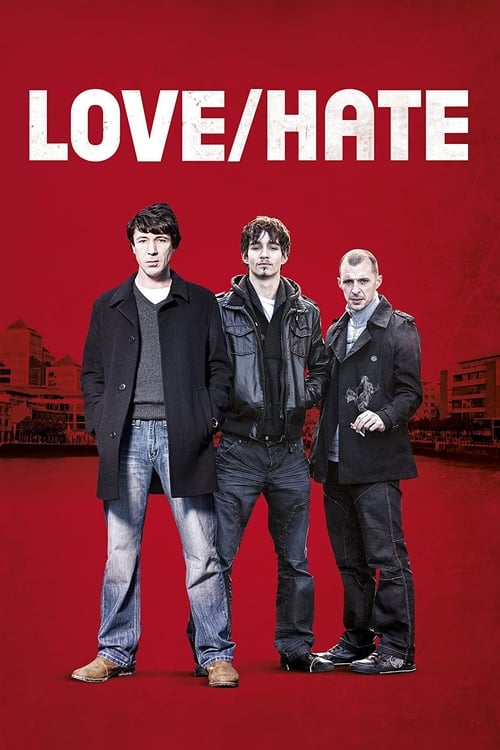
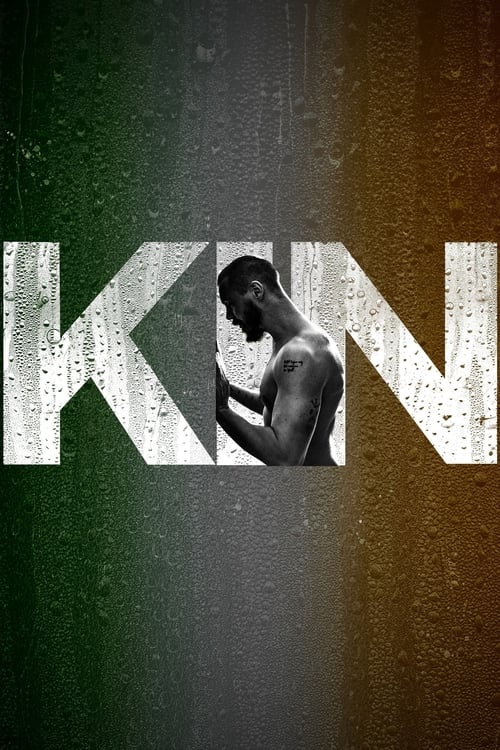
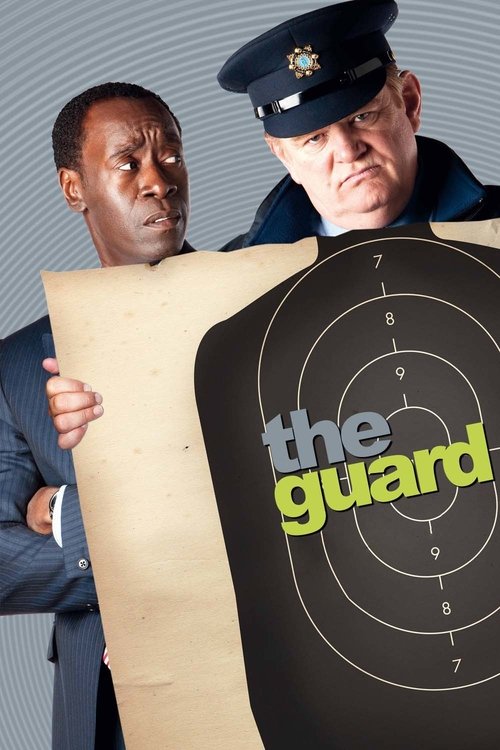
Belfast and Dublin
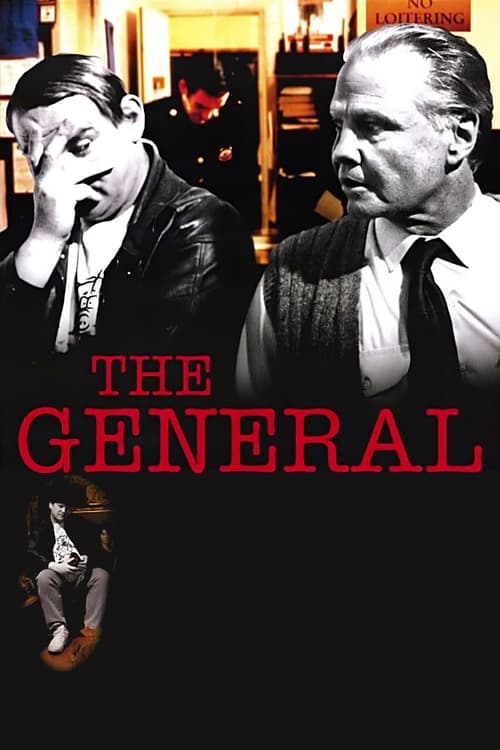
The islands' other crime capital(s)

Scotland: tartan noir
Granite cities, damaged detectives



The bookshelf
The novels came first, and mostly still come first. The golden thread runs from Conan Doyle and Christie through Rendell and P.D. James, who brought psychology and literature into the police story, to the modern regional schools: Rankin's Edinburgh, Cleeves' Northumberland and Shetland, Peter May's Hebrides, Mina's Glasgow, and Tana French's Dublin Murder Squad, the most literary crime series of the century. British TV's detective institutions are, almost without exception, adaptations wearing raincoats.
The bookshelf: novels behind the badges
Where the institutions came from
 A Study in Scarlet
 The Murder of Roger Ackroyd
 And Then There Were None
 From Doon with Death
 A Judgement in Stone
 Last Bus to Woodstock
 The Crow Trap
 Raven Black
 In the Woods
 The Likeness
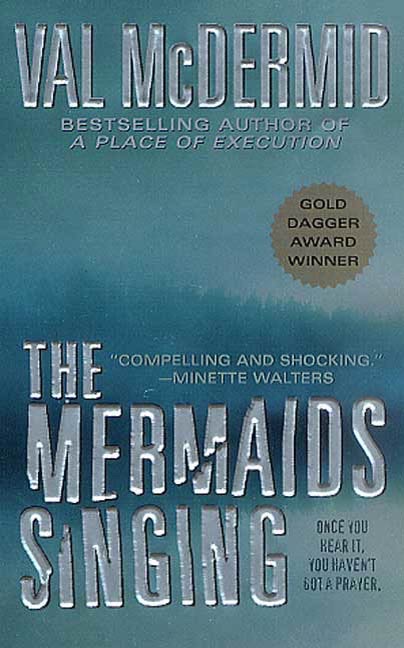 The Mermaids Singing
 The Cuckoo's Calling
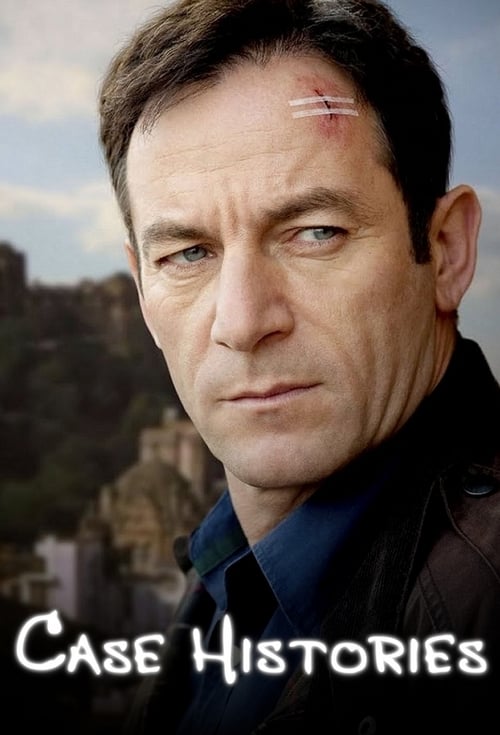
 Case Histories
 Dead Simple
 Gallows View
 The Guards
 Nineteen Seventy-Four
 Jack's Return Home
 Brighton rock
 Magpie Murders
 The Thursday Murder Club
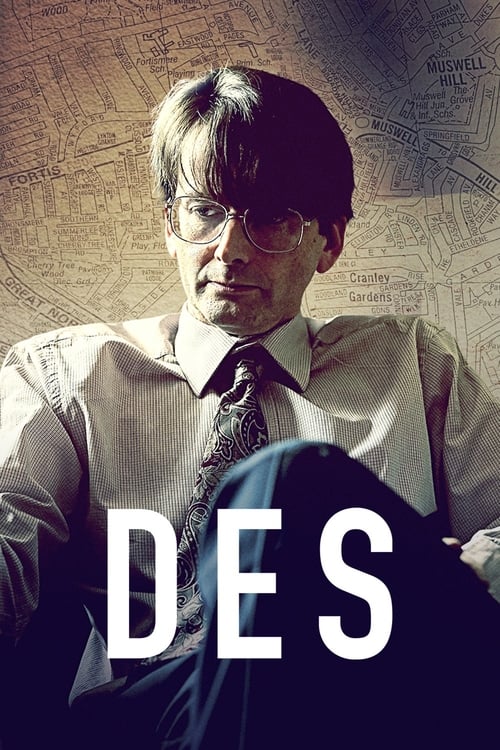
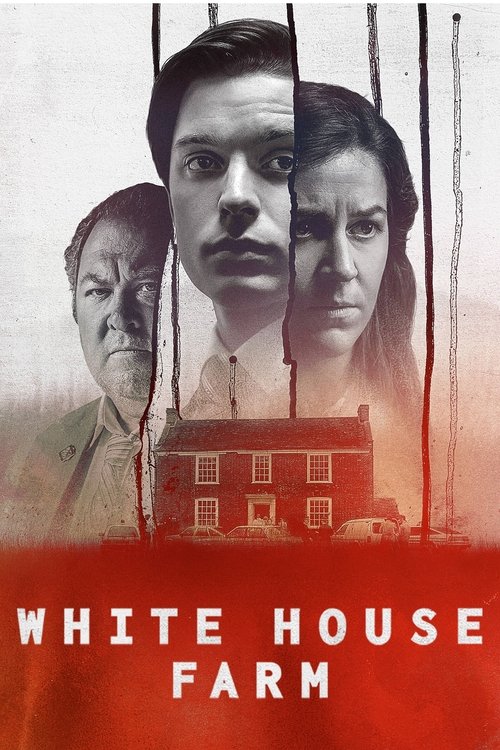
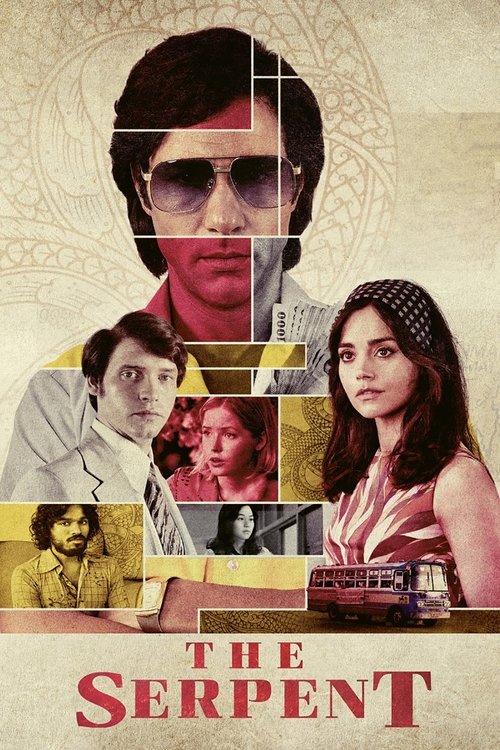
True crime, dramatized
Britain's unmatched restraint with real cases
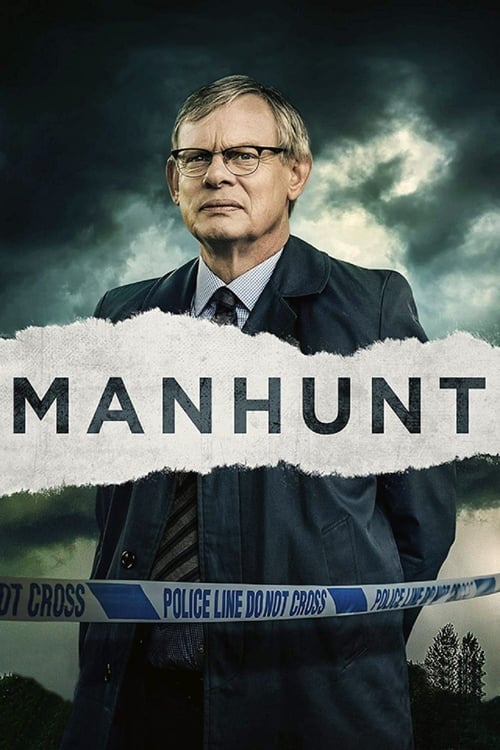
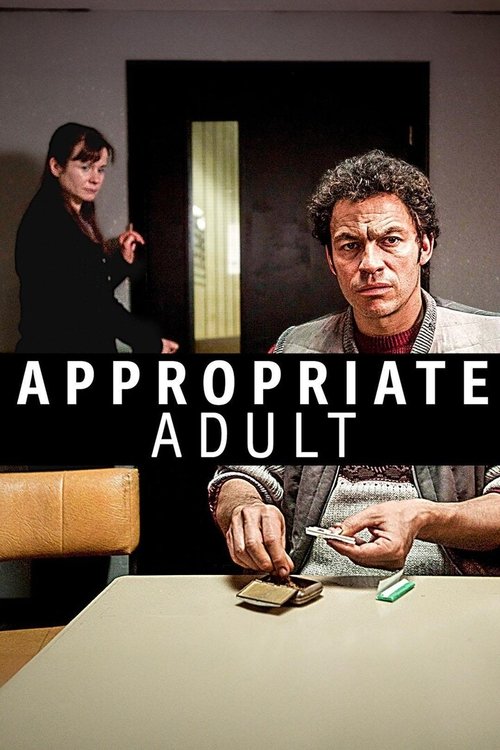
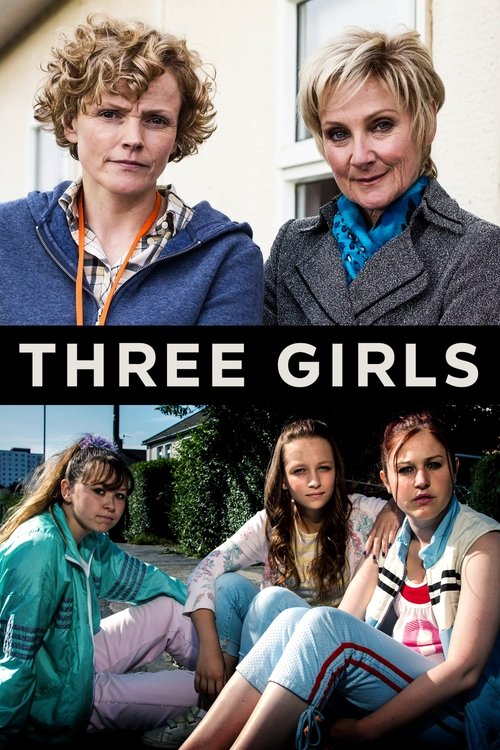
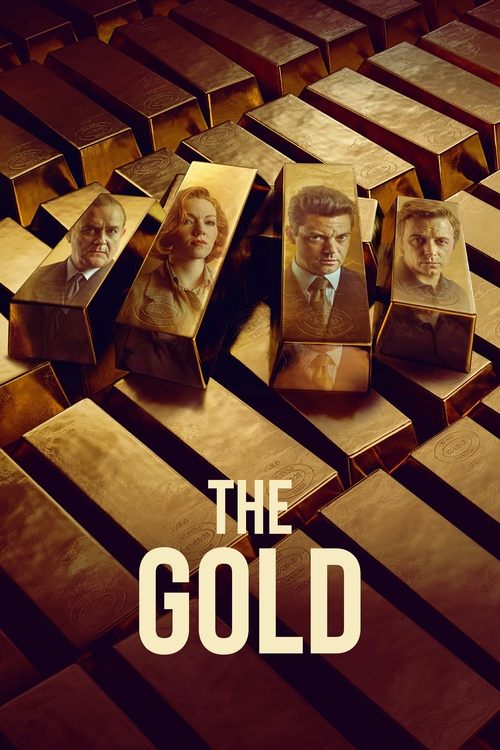
Sixty years on the beat
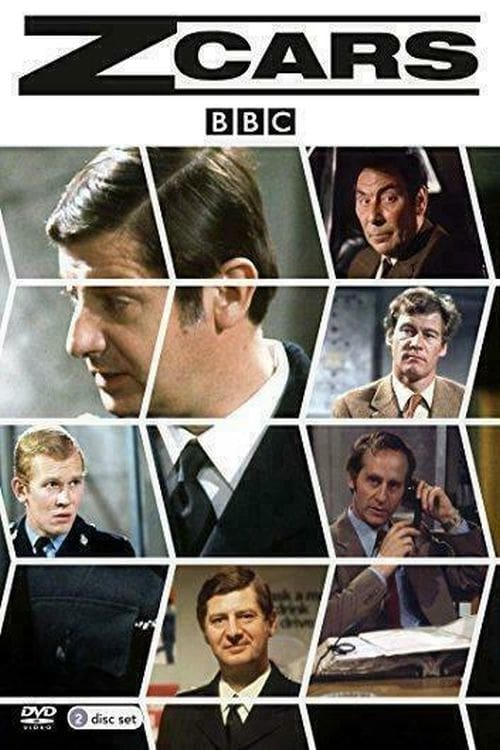
- 1962Z-Cars brings shift-work realism to TV policing and retires the friendly bobby Z-Cars
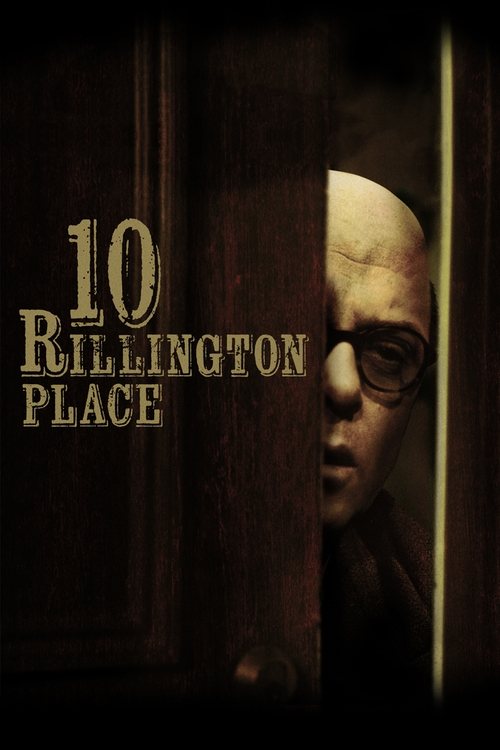
- 1971Get Carter and 10 Rillington Place land in one year; British crime turns pitiless Get Carter
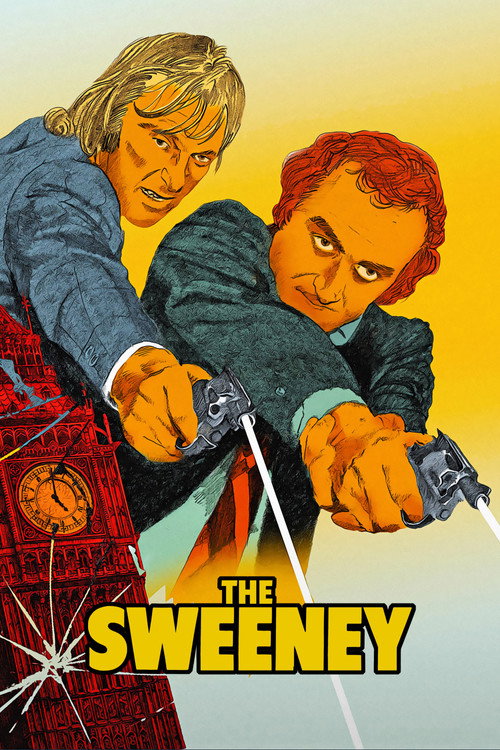
- 1975The Sweeney kicks the door down: car chases, corruption, Flying Squad swagger The Sweeney
- 1977McIlvanney's Laidlaw founds tartan noir Laidlaw
- 1980The Long Good Friday maps gangland onto Thatcher-era ambition The Long Good Friday
- 1987Inspector Morse debuts while Rankin publishes Knots and Crosses: the literary detective era Inspector Morse
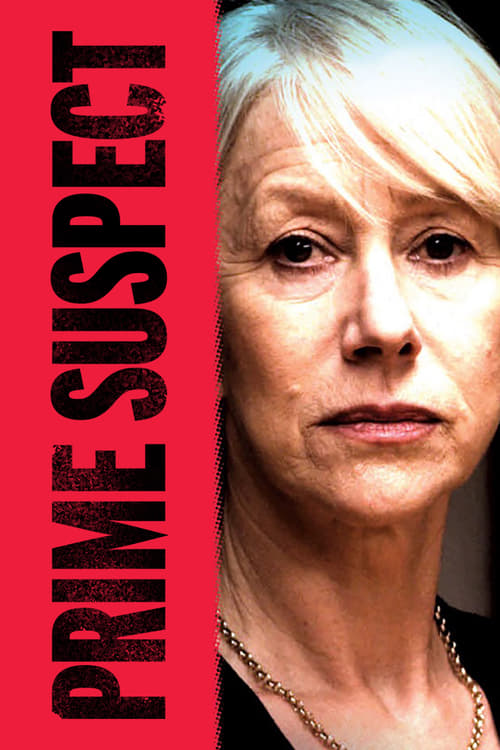
- 1991Prime Suspect puts Jane Tennison against the case and the canteen alike Prime Suspect
- 1998Lock, Stock ignites the geezer-gangster wave Lock, Stock and Two Smoking Barrels
- 2003State of Play writes the modern conspiracy-thriller playbook in six hours State of Play
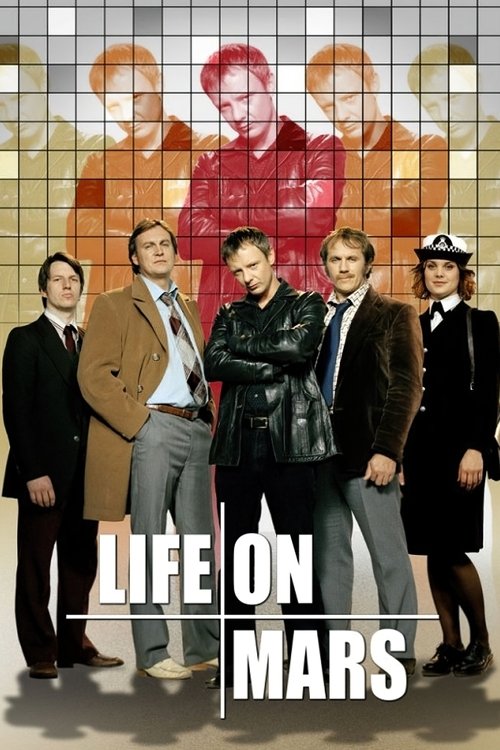
- 2006Life on Mars sends the genre back to 1973 to interrogate its own myths Life on Mars
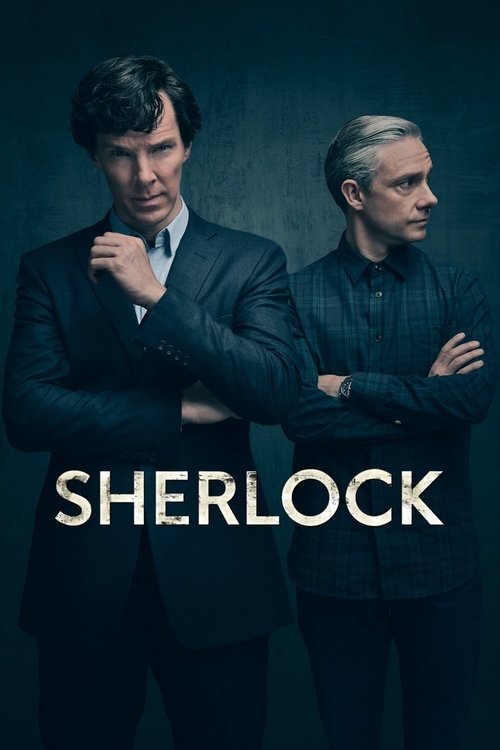
- 2010Luther and Sherlock premiere within months; the superstar detective returns Sherlock
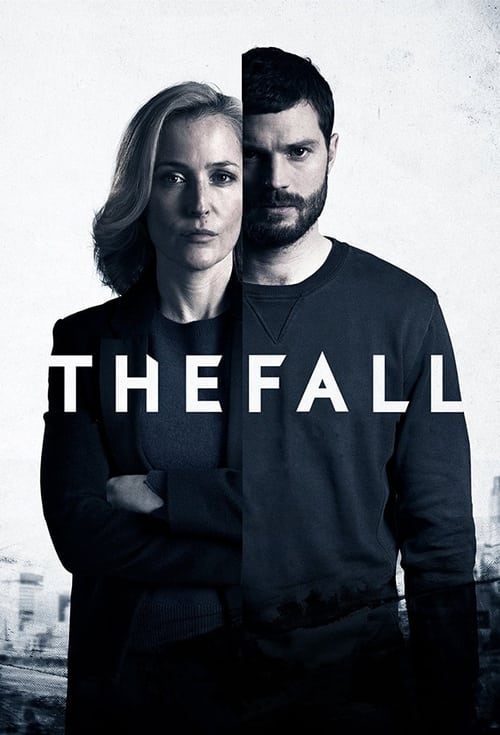
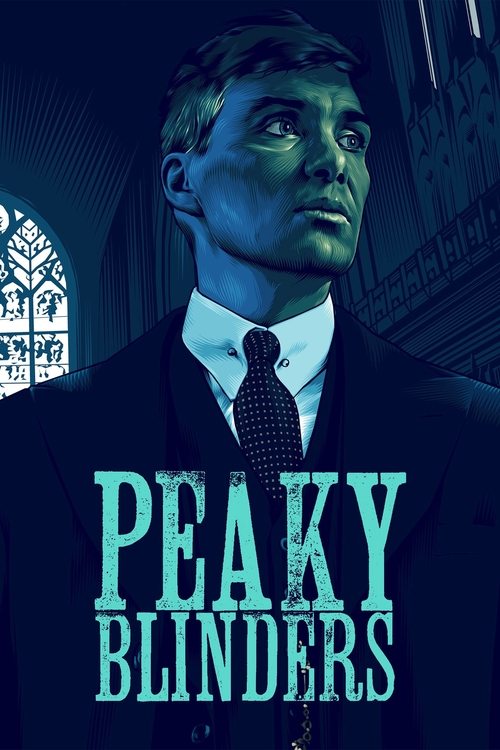
- 2013Broadchurch, The Fall and Peaky Blinders detonate the golden age Broadchurch
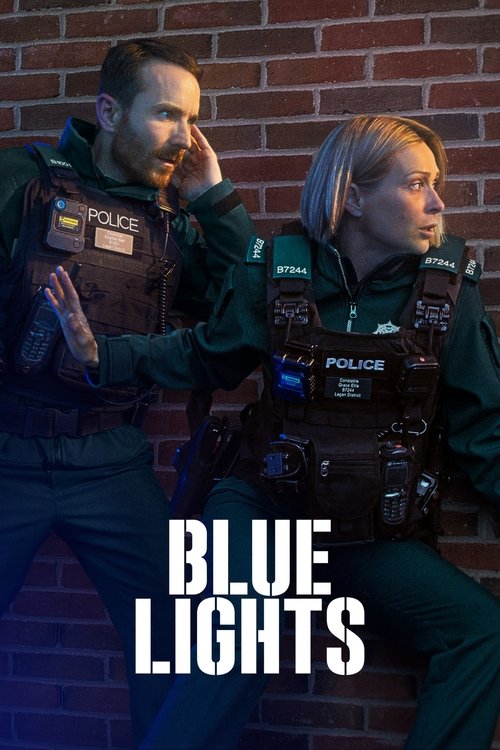
- 2023Blue Lights makes Belfast the most vital address in British crime TV Blue Lights
- 2025Adolescence's one-shot episodes become a global phenomenon Adolescence
Before the golden age
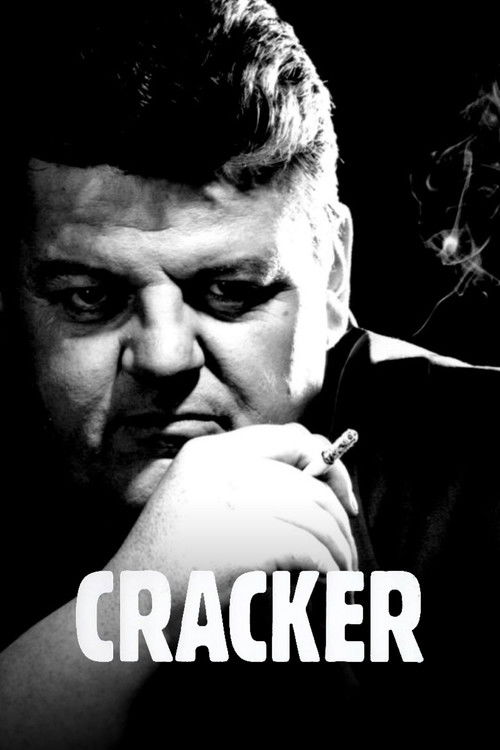
The bedrock: from Z-Cars to Cracker
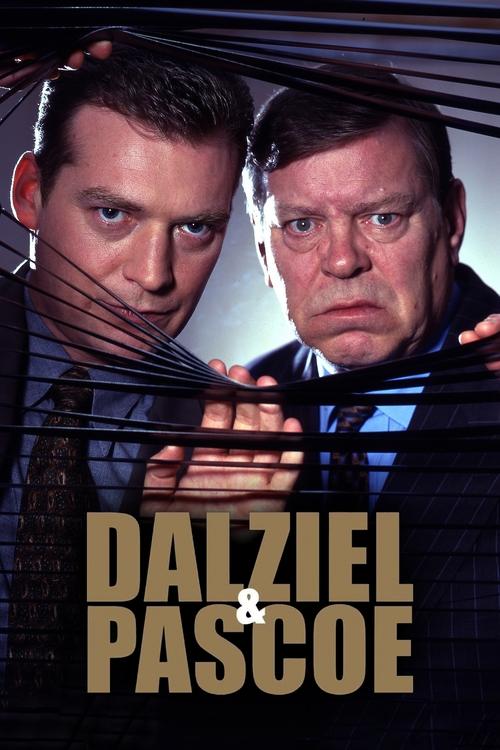

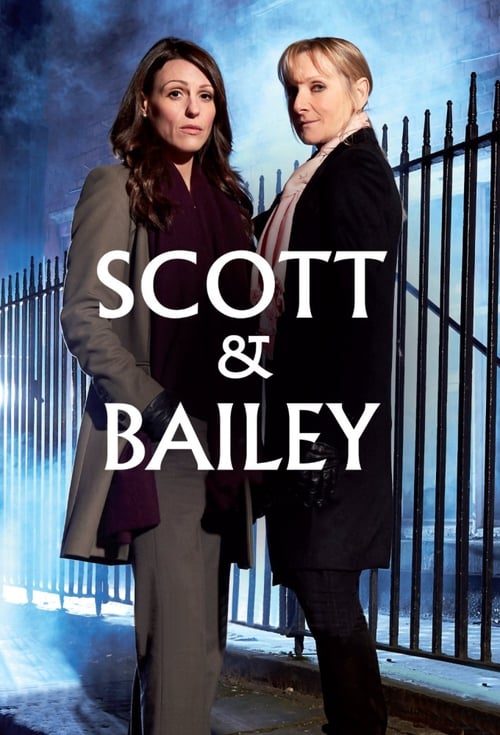
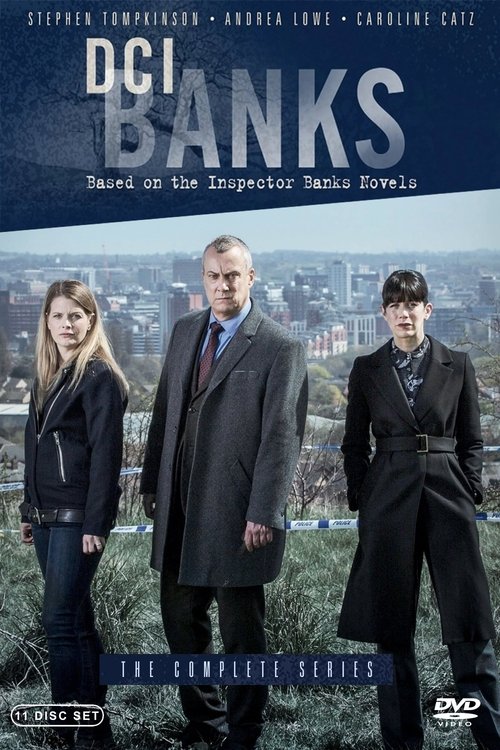
Sherlock and the great detectives
The deduction lineage
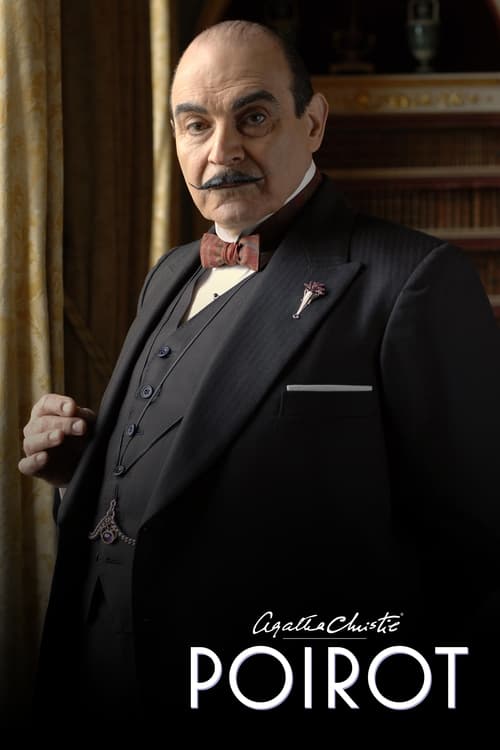
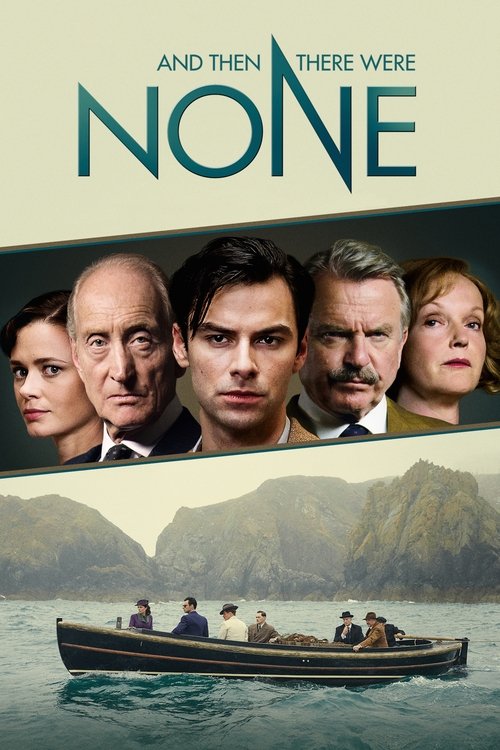
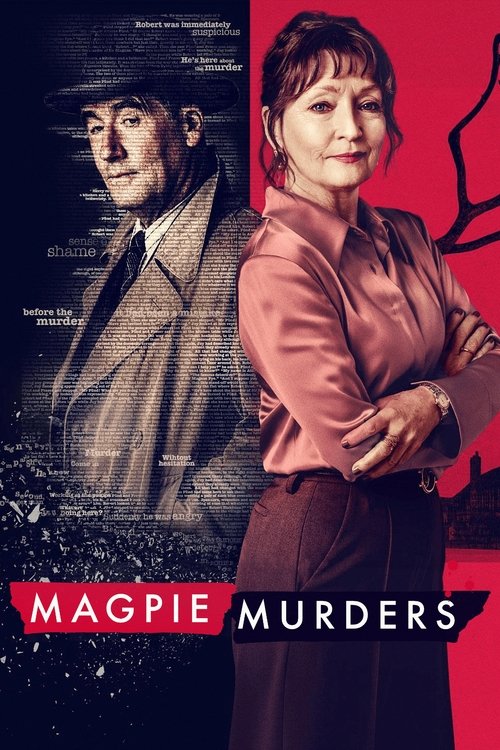
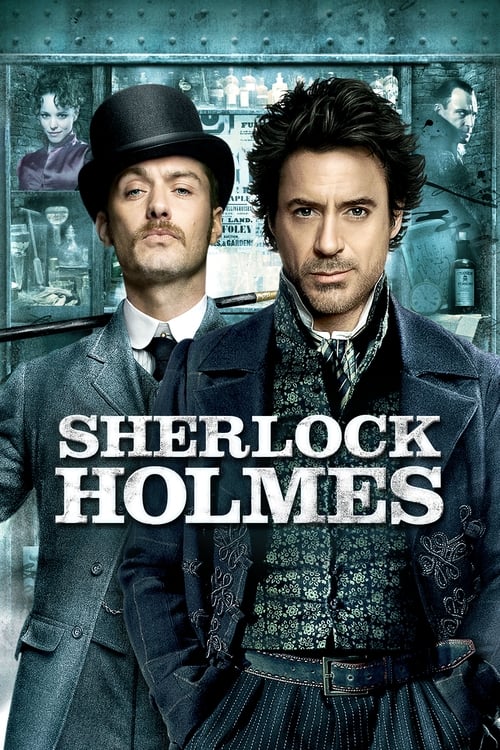

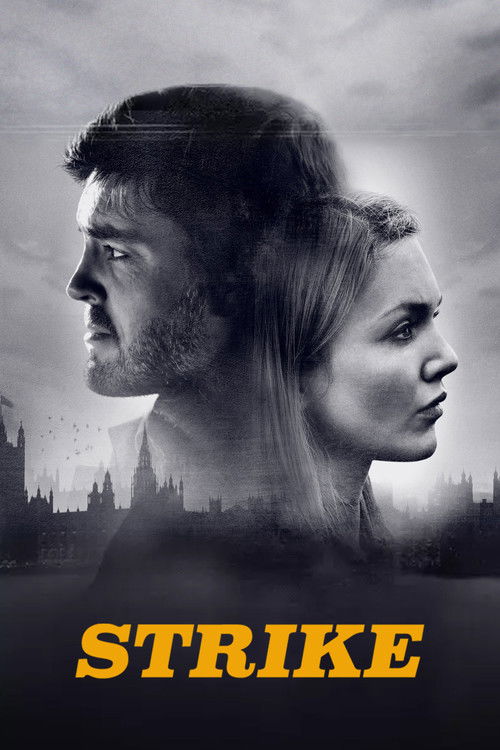
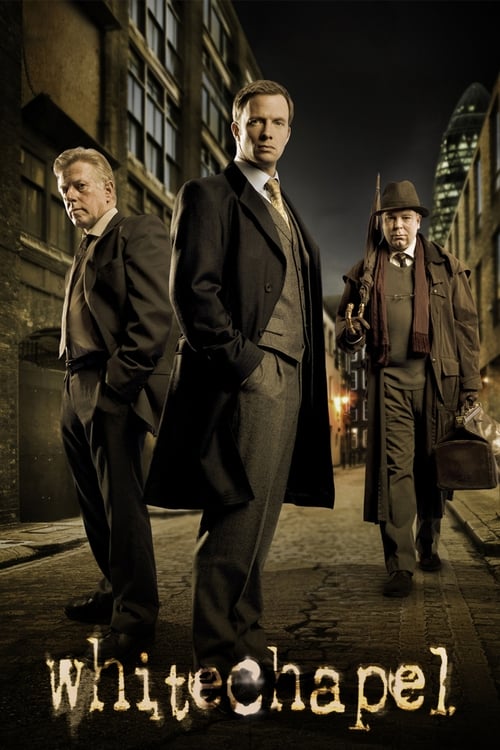
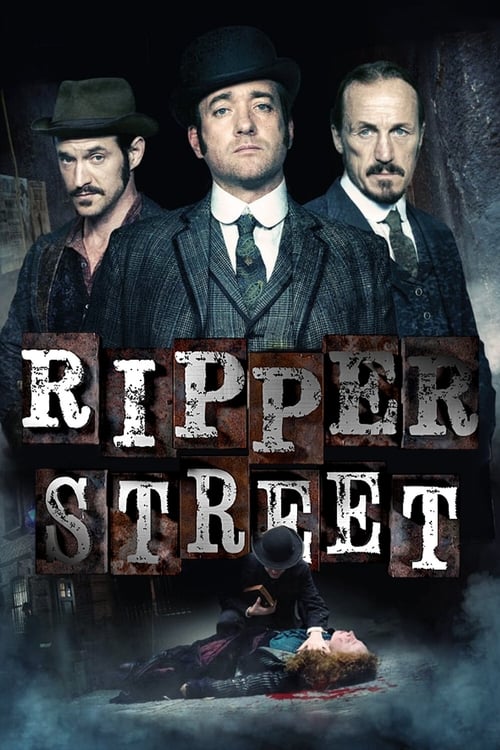
Six episodes, one writer, no filler. That is the whole trick, and nobody else can seem to manage it.
The new guard: the 2020s
Where the tradition is going


The governors
The writers and faces who run British crime
Cross the water
Nordic Noir: The Ultimate Guide to Scandinavian Crime
Explore the Nordic Noir: The Ultimate Guide to Scandinavian Crime guide →Frequently asked
Where should I start with British crime drama?
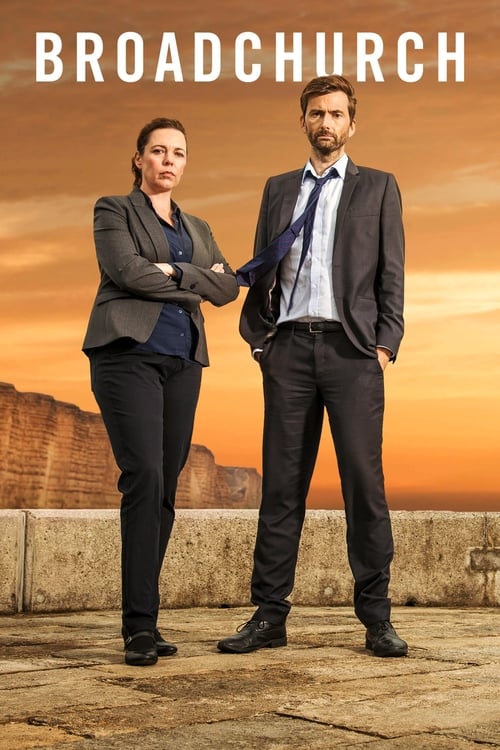
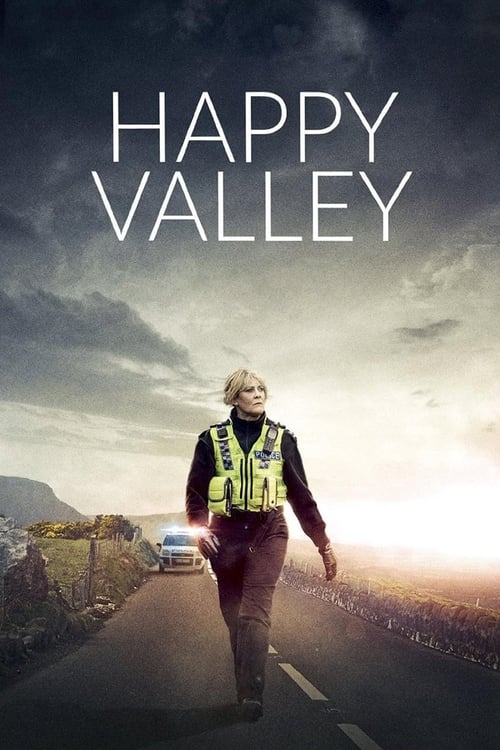
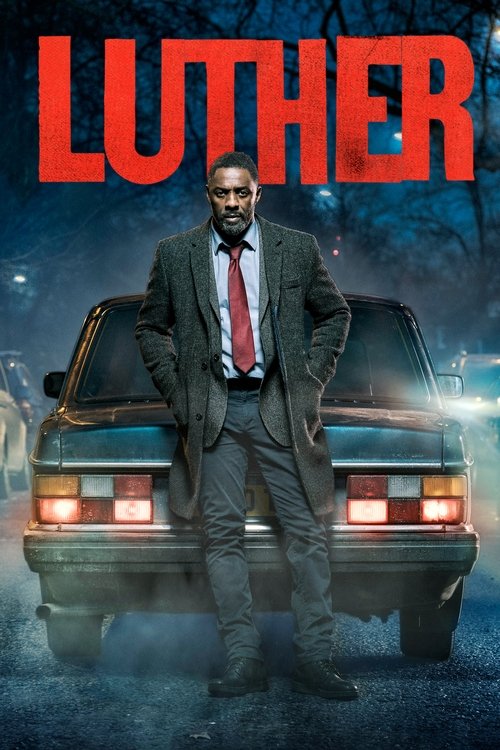
Broadchurch if you want a mystery, Happy Valley if you want the masterpiece, Line of Duty if you want propulsion. From there branch by taste: Shetland or Vera for landscape and comfort, The Fall or Luther for darkness, Get Carter for the film canon.
What order should I watch the Morse universe in?
Broadcast order works best: Inspector Morse (1987), then Lewis (2006), then the prequel Endeavour (2012). Endeavour rewards you most once you know the older Morse it is quietly building toward, so save it for last even though it is set first.
What is tartan noir?
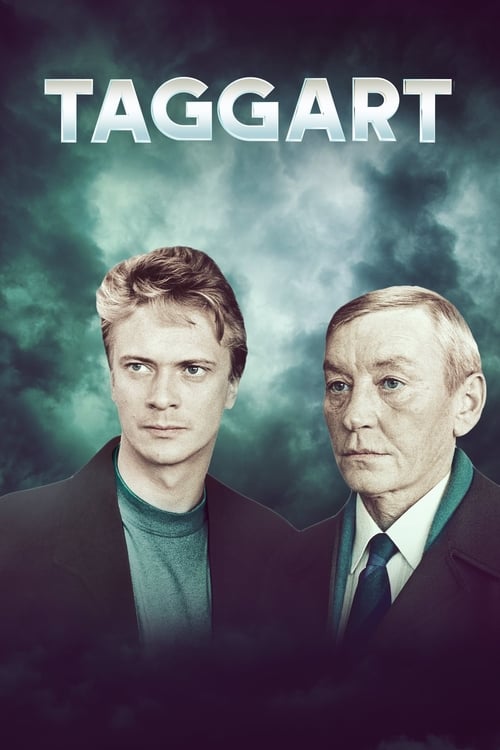
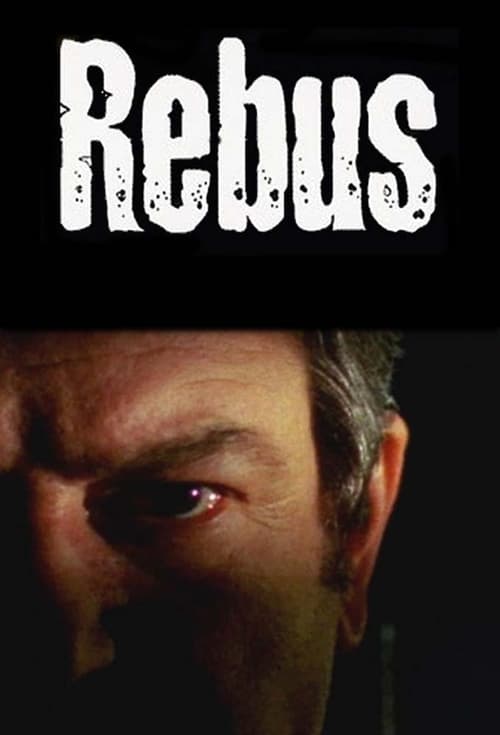
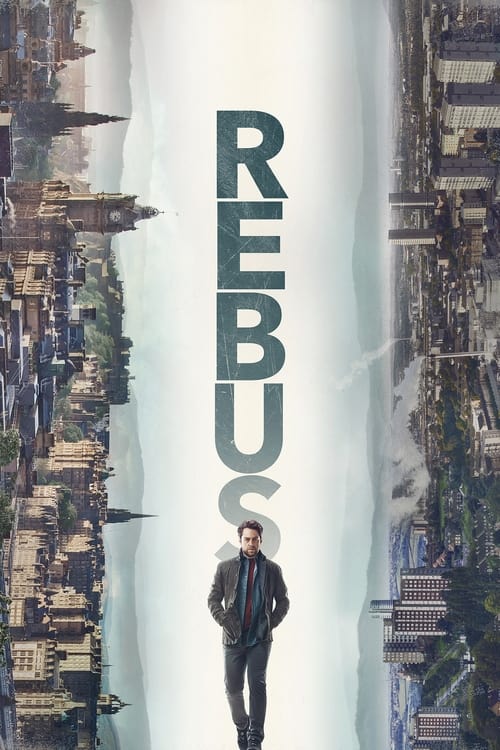
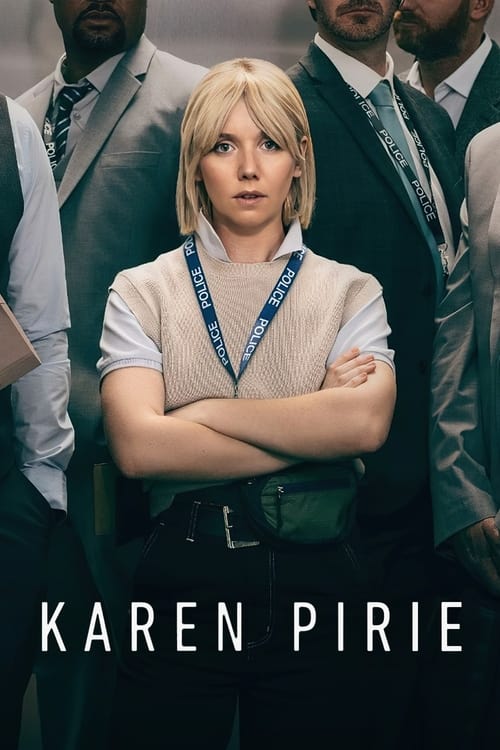
Scottish crime fiction's dark strain: morally battered detectives, post-industrial cities and social anger. William McIlvanney's Laidlaw (1977) founded it, Ian Rankin's Rebus novels made it famous, and writers like Val McDermid, Denise Mina and Stuart MacBride carried it on. On screen it runs from Taggart through Shetland to Karen Pirie.
Are the books worth reading if I have seen the shows?
Almost always, because the adaptations diverge sharply. Vera and Shetland compress and reorder Ann Cleeves' plots, the Rebus series only skims Rankin's twenty-plus novels, and Tana French's In the Woods has an ending Dublin Murders softened. The books are usually darker and stranger.
Why are British crime seasons so short?
Most run three to eight episodes because a single writer typically scripts the whole run, unlike American writers' rooms built for longer orders. The result is less filler and tighter arcs, which is a big part of why the form travels so well.
Is Line of Duty still worth watching after the finale backlash?
Yes. The series six reveal disappointed a nation, but the first three series remain the most gripping procedural television Britain has produced, and the long interrogation scenes are unmatched. Go in for the interviews, not the mythology, and it holds up.