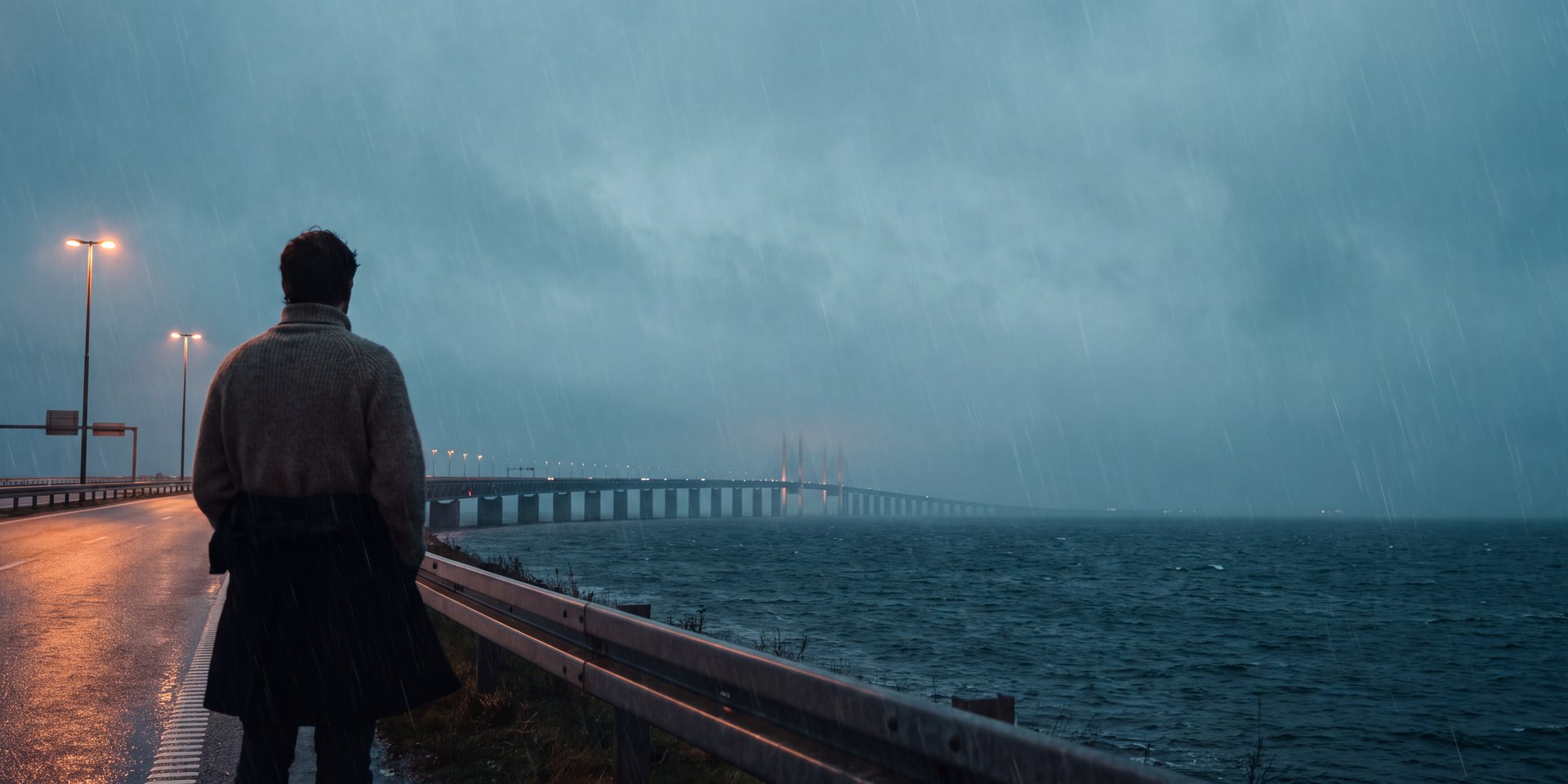

Nordic noir is the rare genre named for a mood rather than a plot. The mood is specific: low grey light, procedural patience, a detective whose private life is quietly on fire, and underneath the murder a second investigation, the one into the society that allowed it. Denmark, Sweden, Norway, Iceland and Finland built the modern crime drama out of those parts, and the world has been remaking, importing and imitating it ever since.
This guide is the full map. The Danish golden age and the Swedish procedural tradition that started it all. Norway's exports and Iceland's blizzard-sealed mysteries. The remakes, side by side with their originals. The novels underneath everything (they get a whole companion guide of their own), and the international shows that learned the grammar. If it is cold, slow, morally serious and very good, it is in here.
The remake wave: originals and their echoes
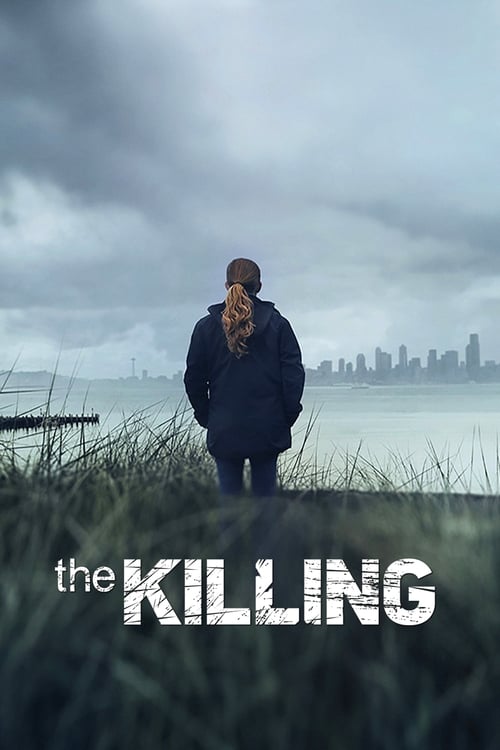
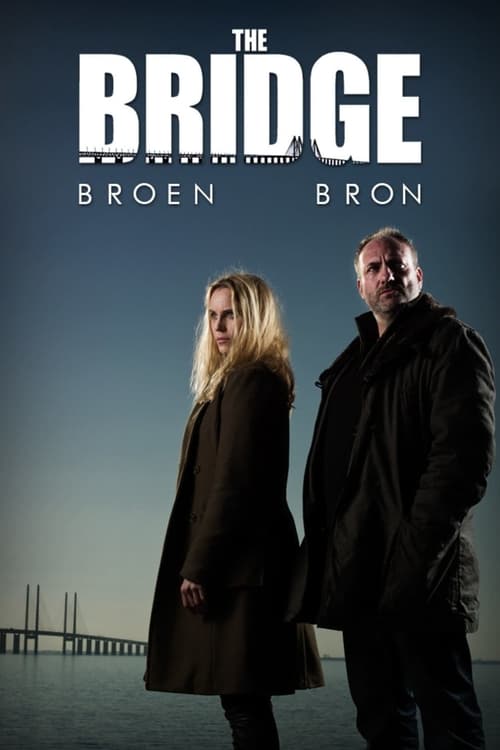
Every great Nordic case got retold. Watch them side by side.

Denmark: the golden age
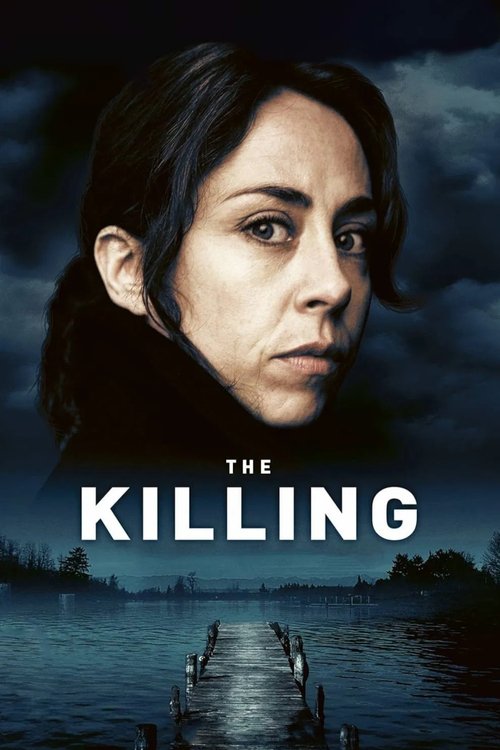
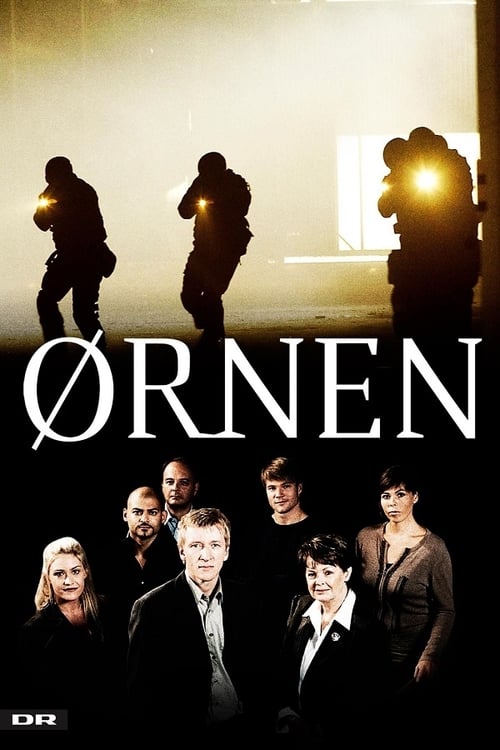
DR, the Danish public broadcaster, spent the 2000s quietly assembling the best crime-drama machine in the world. Unit One and The Eagle won International Emmys, but The Killing was the detonation: one murder, twenty nights, a mayoral election and a grieving family given as much screen time as the police work. Its writers and alumni went on to power a decade of Danish television, from Borgen to The Chestnut Man, and its DNA is in every one-case-per-season drama made since.
The Danish golden age
One case, twenty nights, a city in the rain
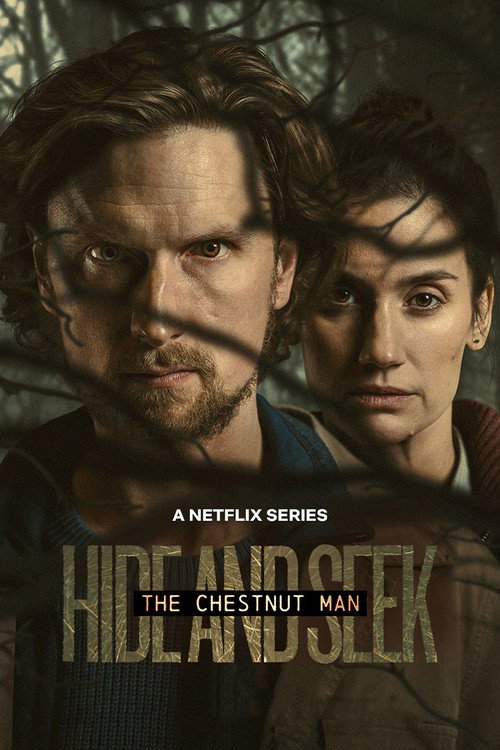
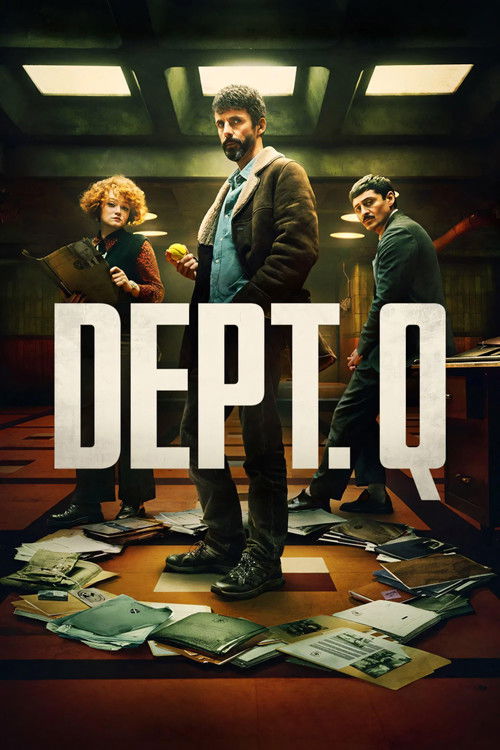
Department Q: the cold-case basement
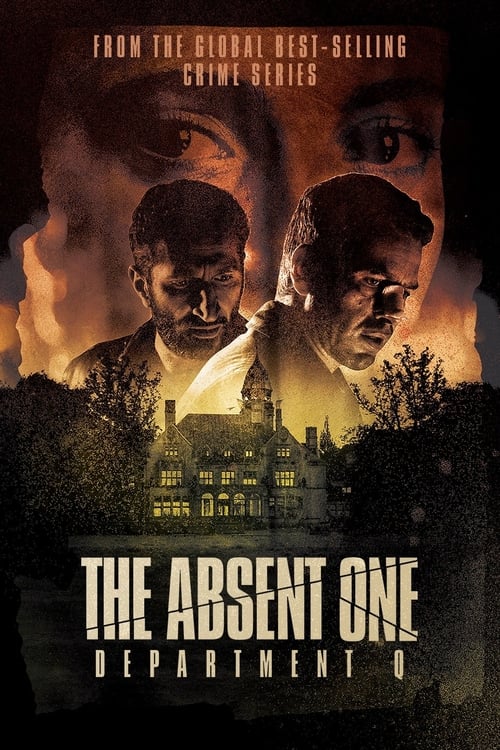
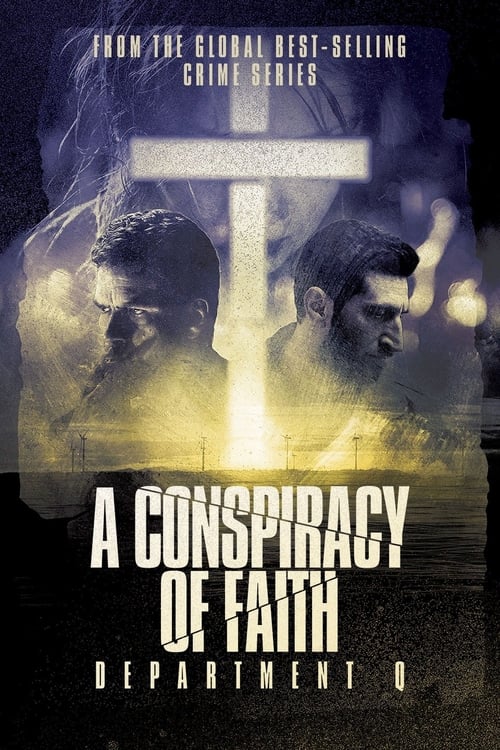
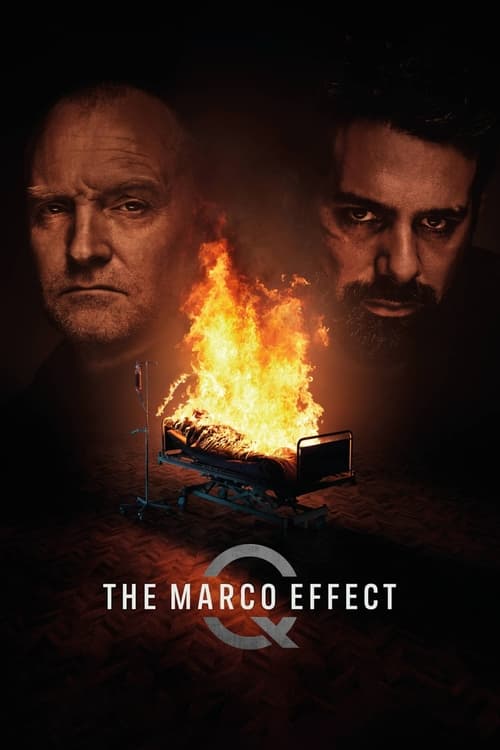
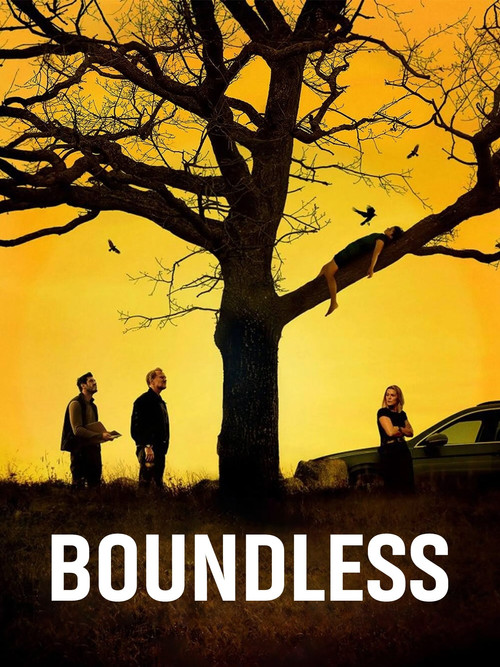
Carl Morck and Assad, from Adler-Olsen's novels to Netflix's Edinburgh


Sweden: where it started
Everything in this guide descends from ten slim Swedish novels. Between 1965 and 1975, Maj Sjowall and Per Wahloo wrote the Martin Beck decalogue, procedurals that treated every murder as a core sample drilled into the welfare state. Henning Mankell picked up that project in 1991 and gave it a face, Kurt Wallander, the tired conscience of Ystad. Then Stieg Larsson died suddenly in 2004, his Millennium trilogy was published posthumously, and Swedish crime went from a national tradition to a global industry.
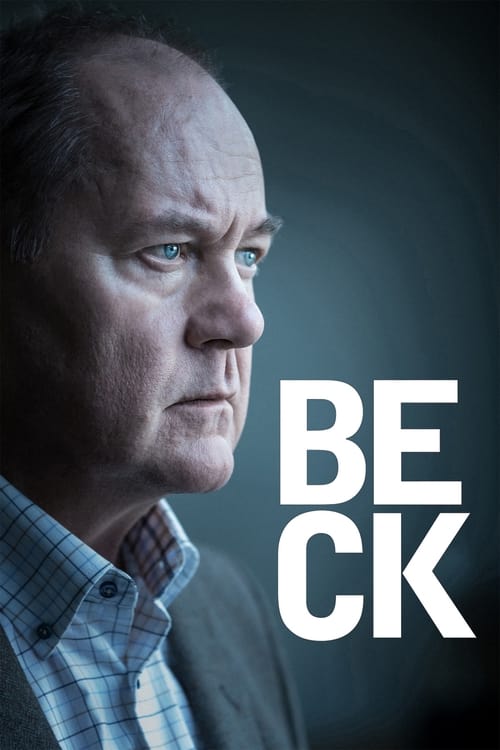
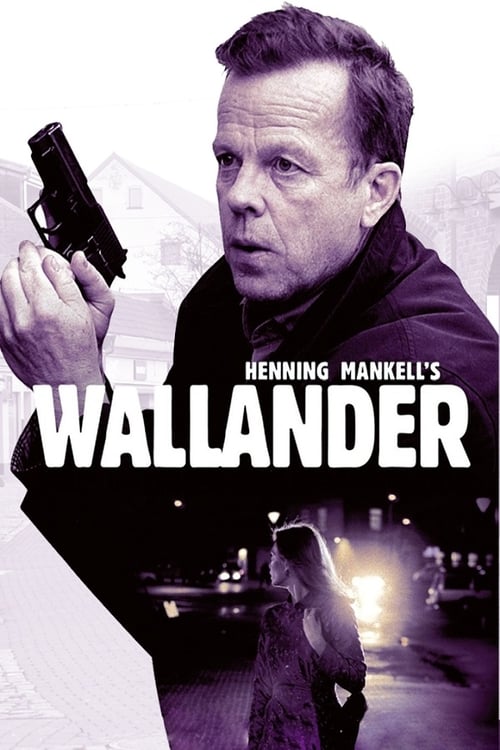
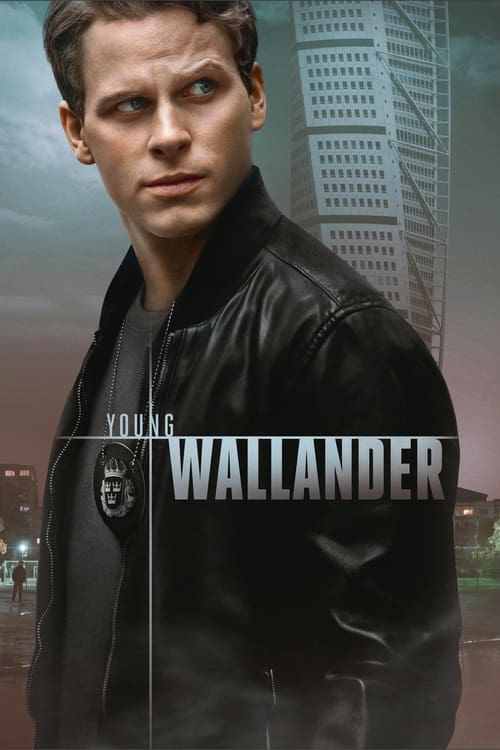
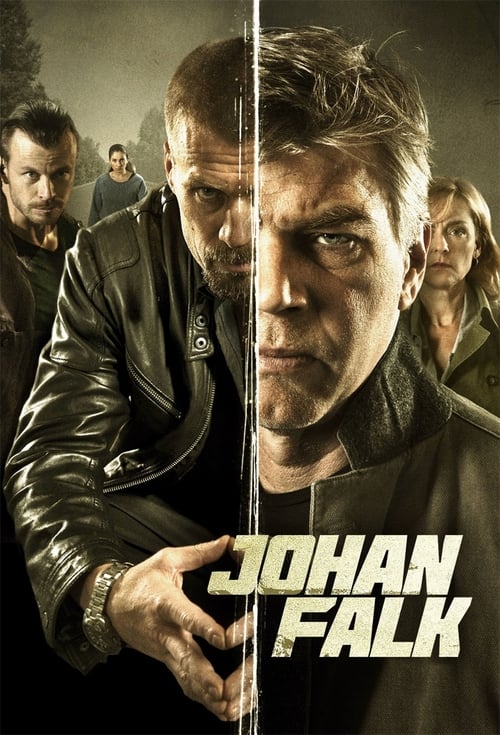
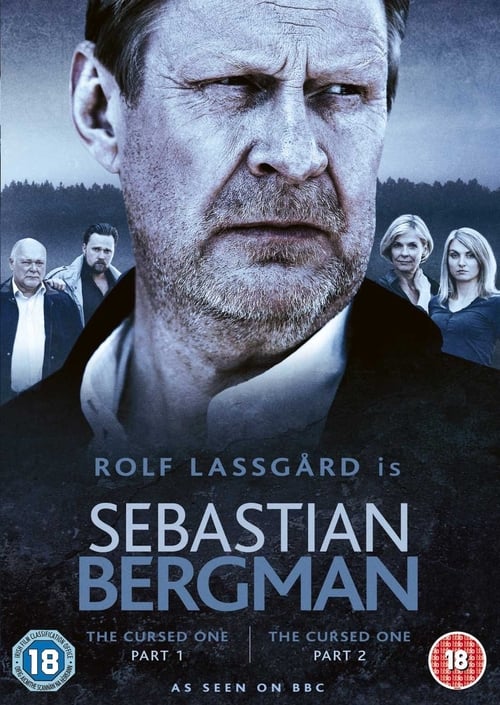
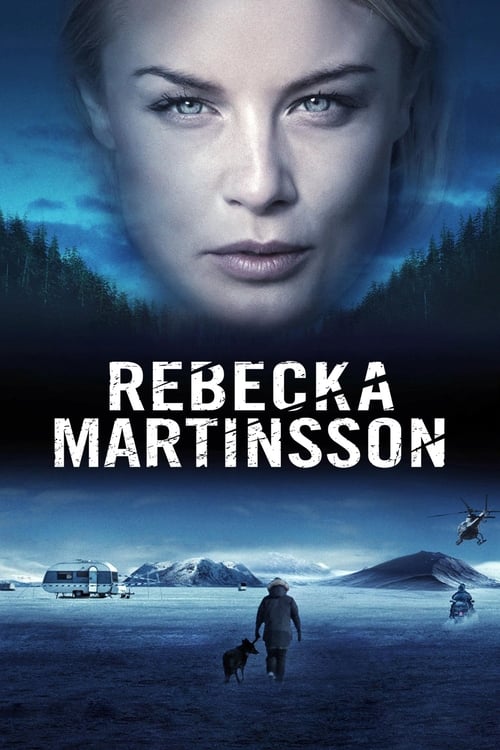
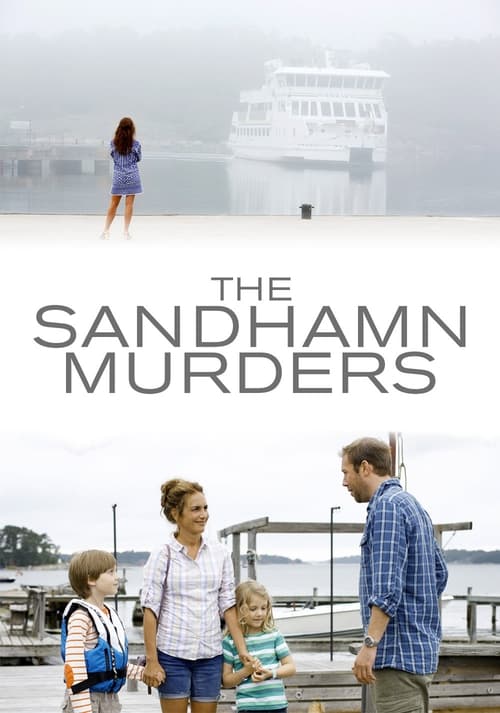
Sweden's long-running detectives
Beck, Wallander and the workhorses of Swedish television

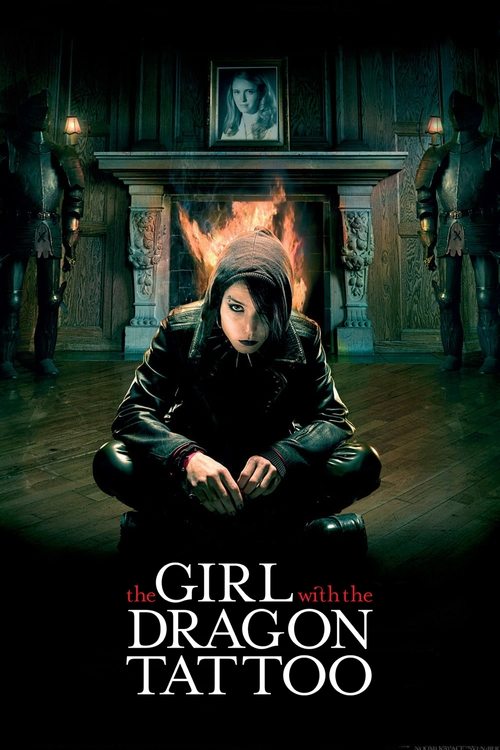
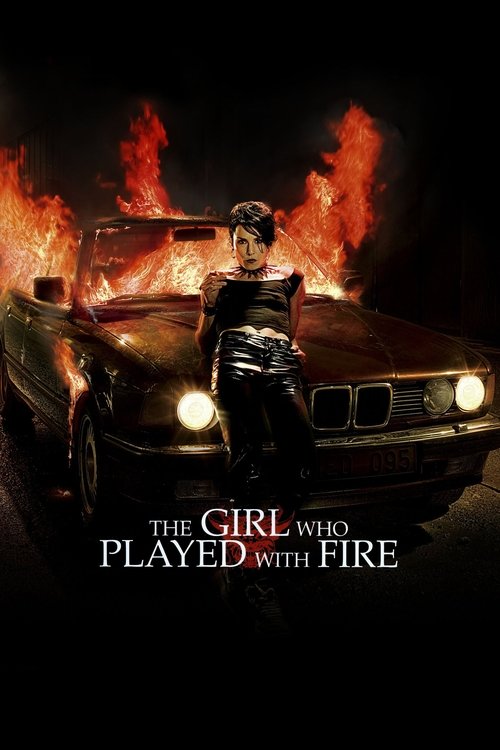
Millennium: Lisbeth Salander's world
One trilogy, two film universes, one extended TV cut
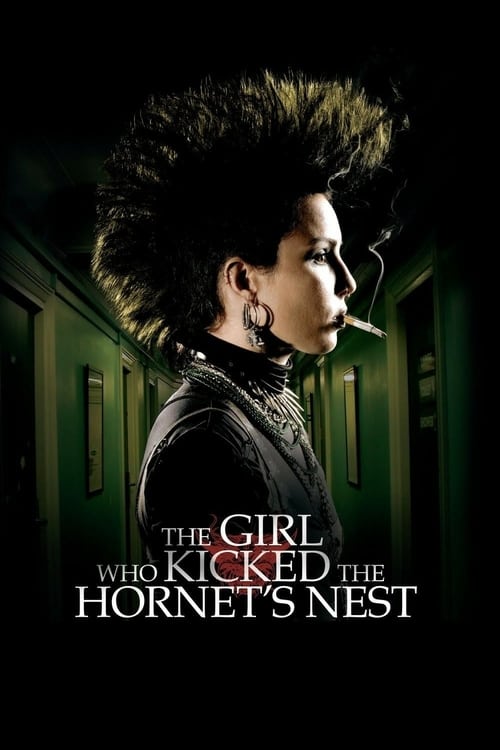
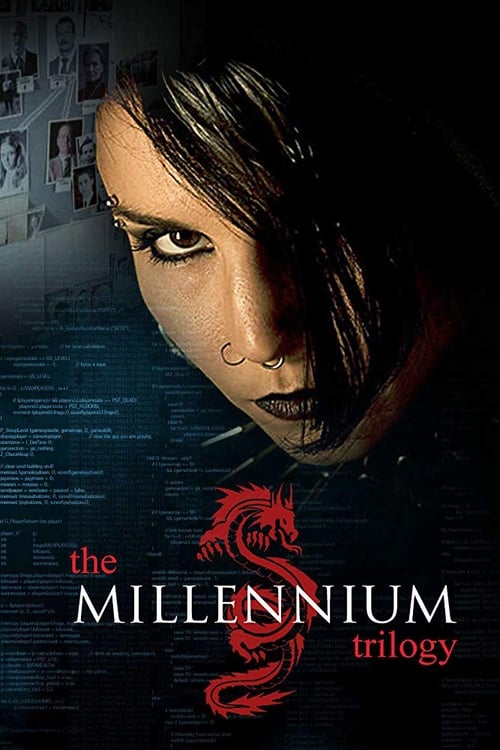
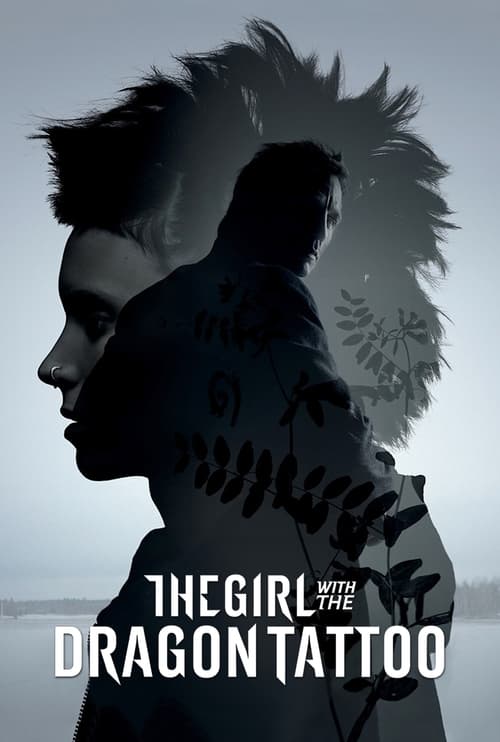
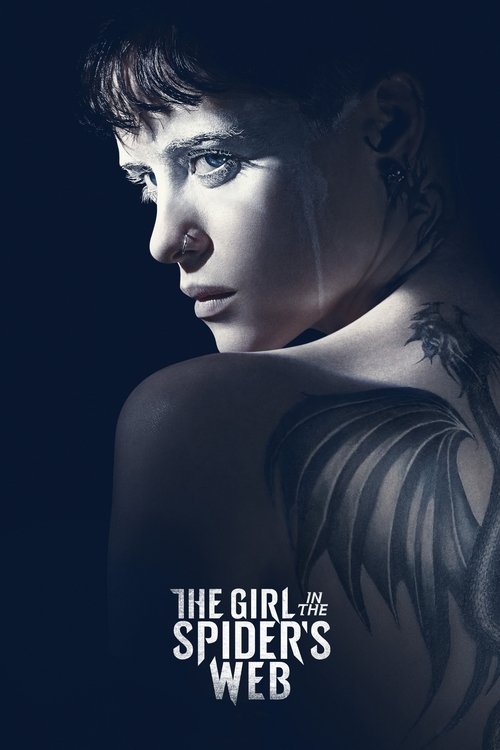

Norway and the Nesbo economy
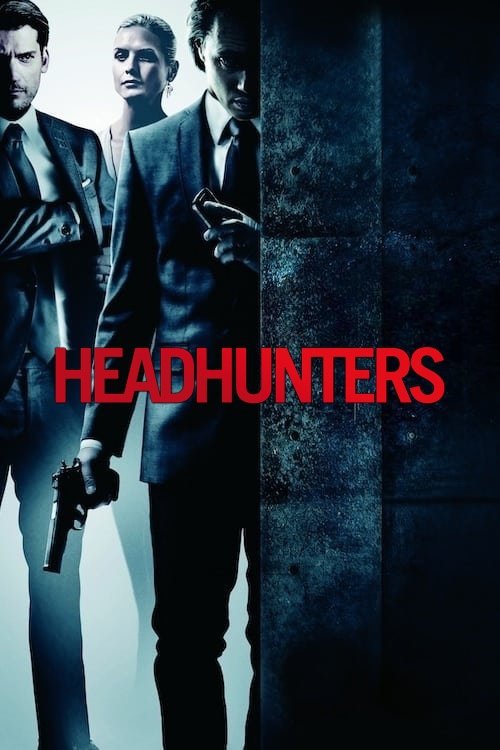
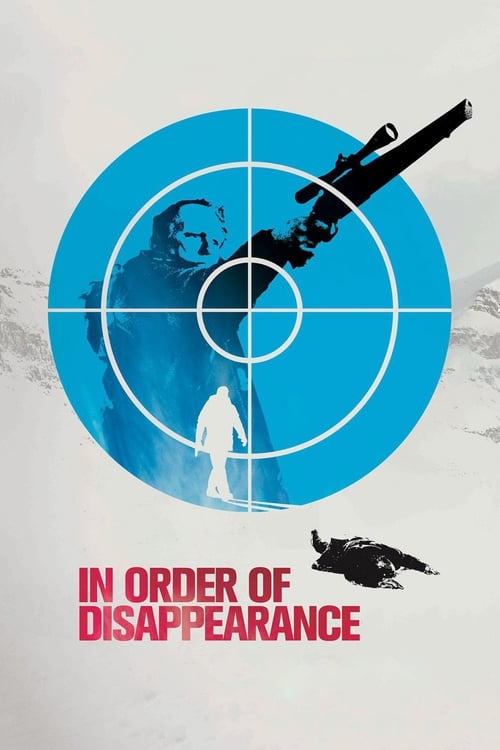
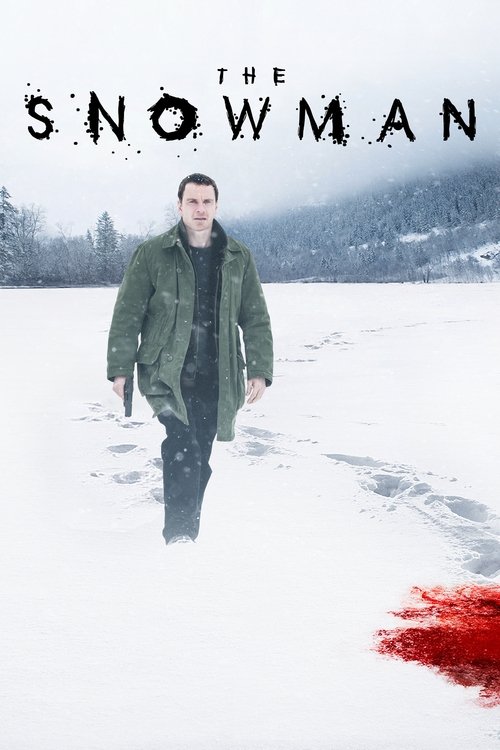
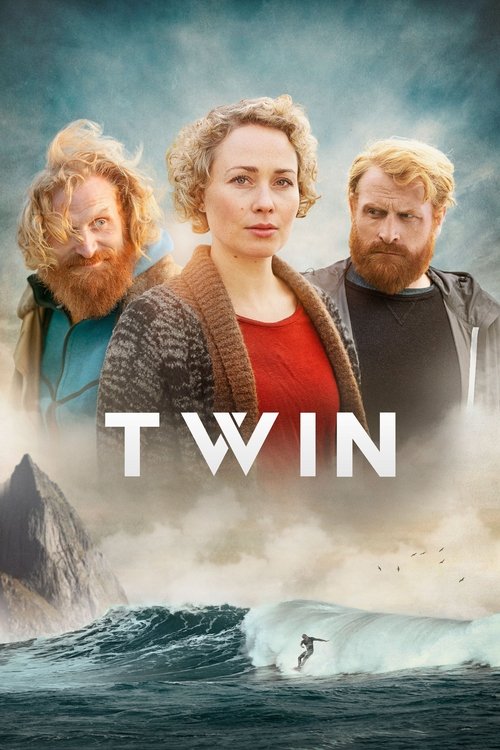
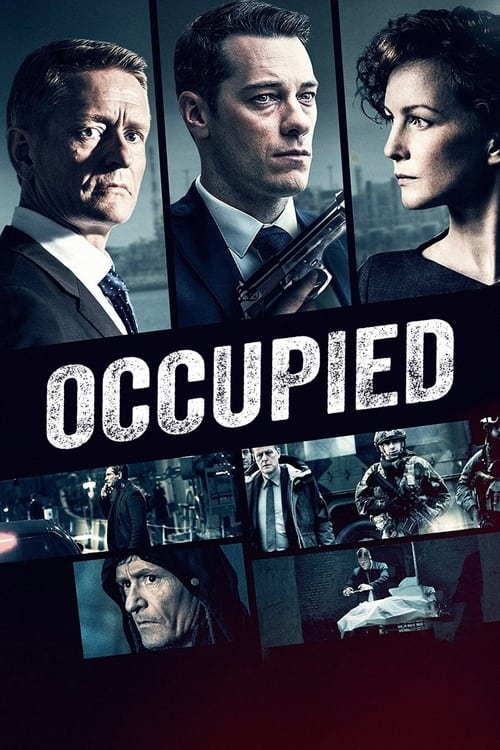
Norway came to the party through film first: Insomnia in 1997, with a sleepless Stellan Skarsgard under a sun that never sets, gave the genre one of its founding images and Hollywood one of its better remake ideas. Then Jo Nesbo happened. Headhunters proved a Nesbo thriller could be tighter on screen than on the page, In Order of Disappearance turned revenge into deadpan comedy, and Wisting gave Norwegian television its own methodical flagship. The Snowman, from 2017, proved something too, mostly about how not to do it.
Norway's dark exports
Midnight sun, snowplows and Nesbo money


Iceland: crime at the edge of the world
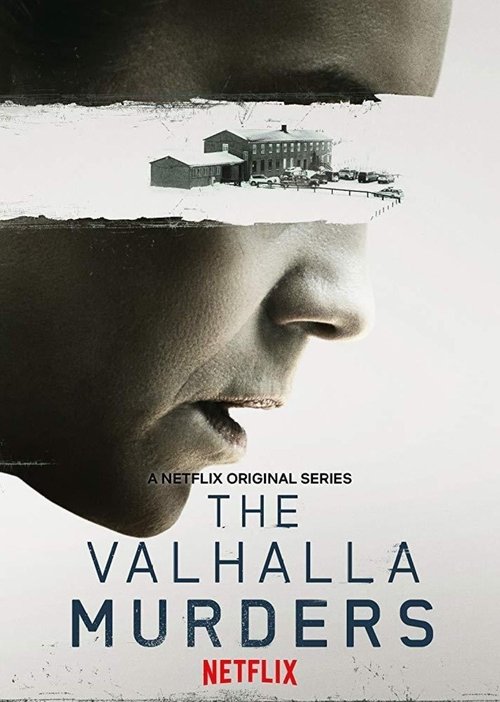
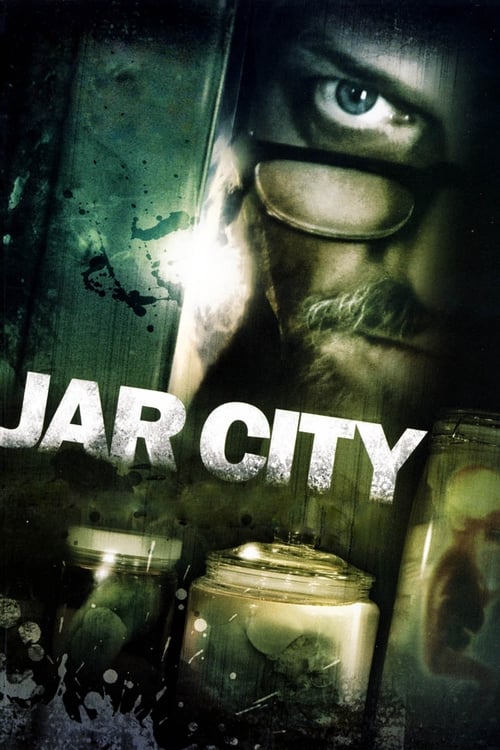
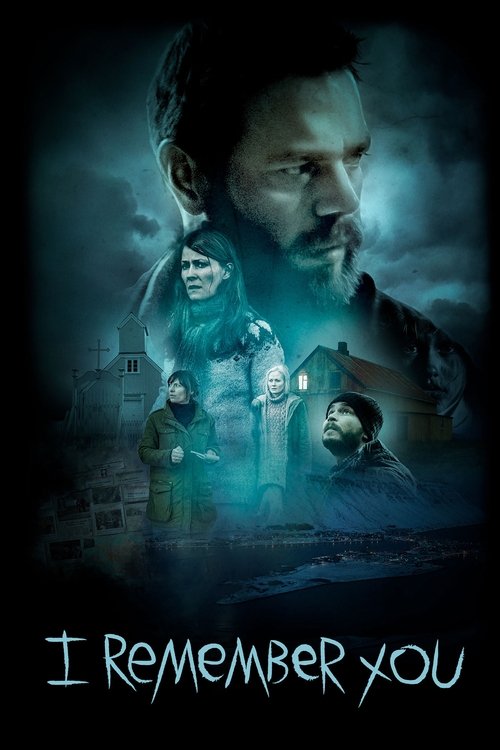
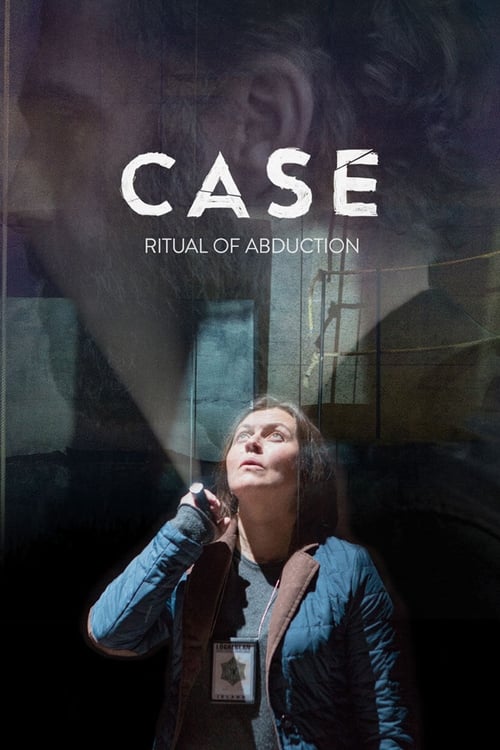
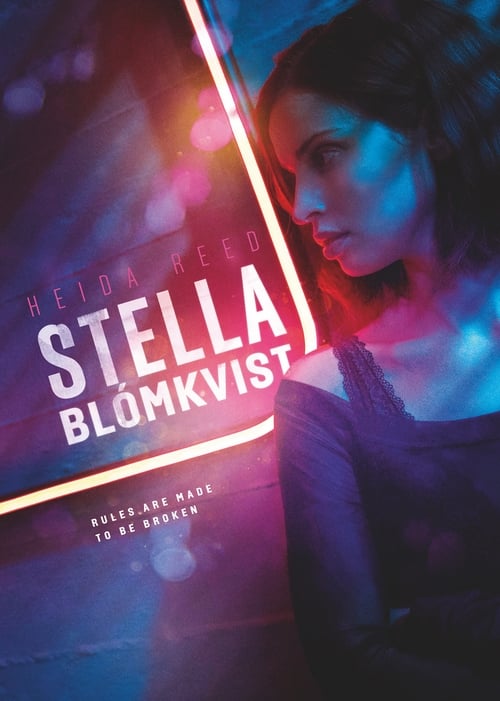
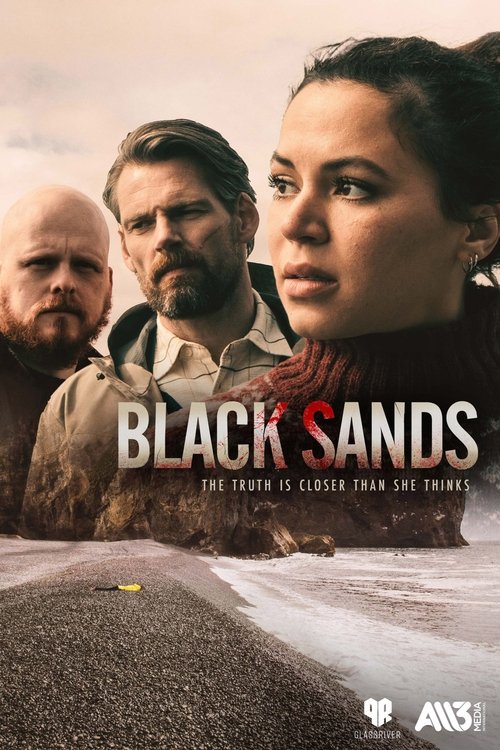
A country of 400,000 people whose writers invented its murder rate


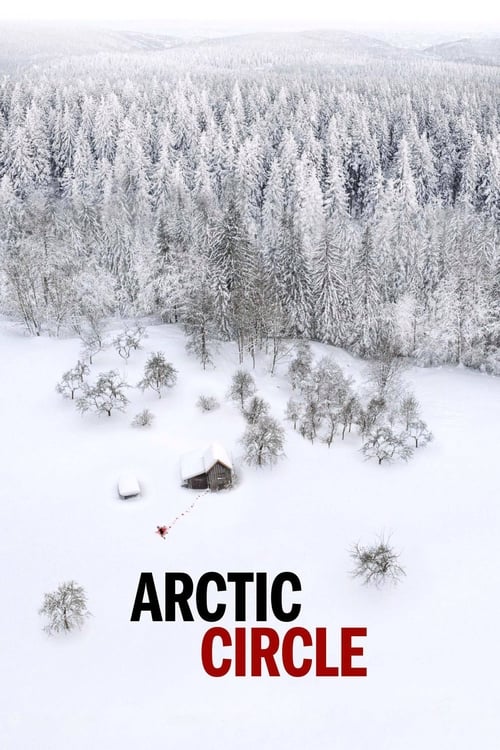
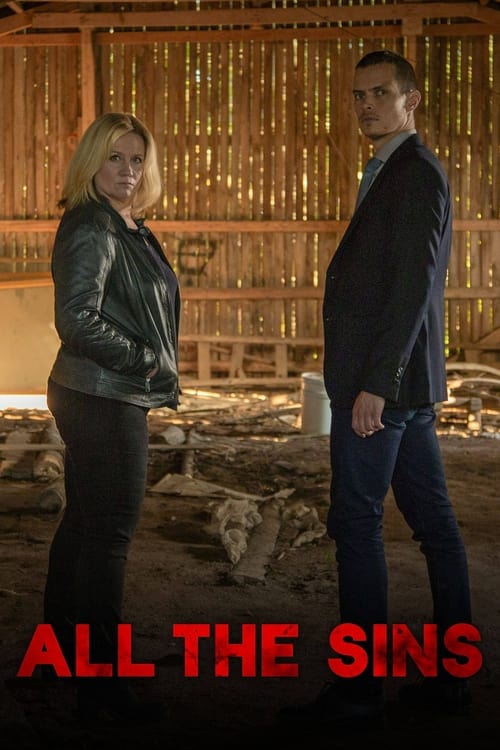
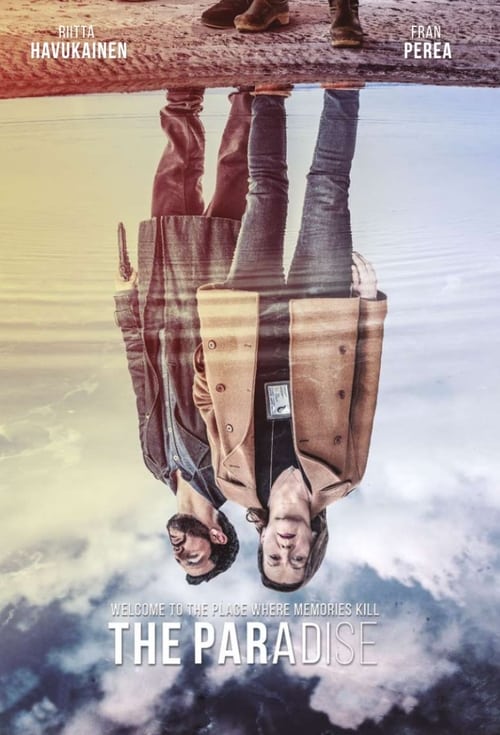
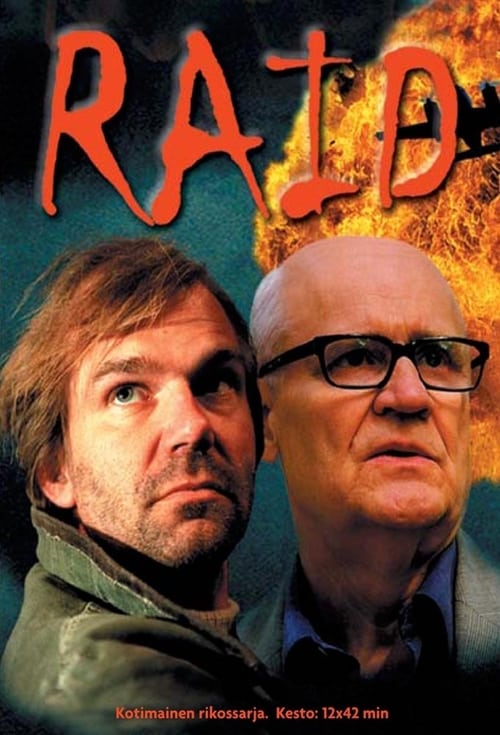
Finland's frontier
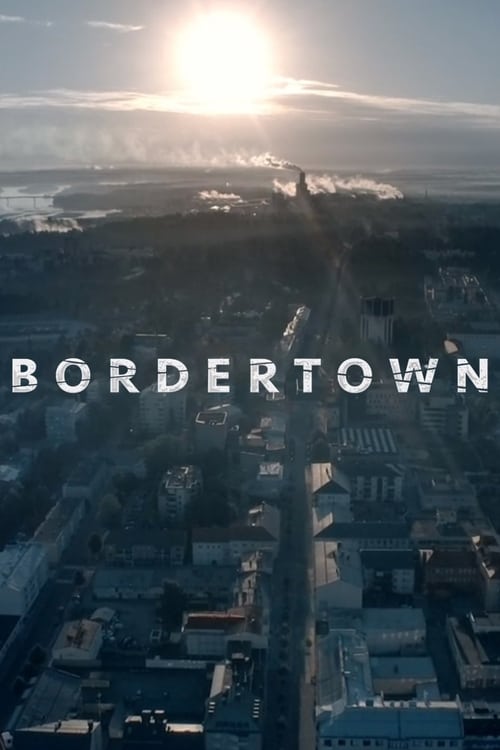
Border towns, long winters and the deadpan end of the genre

The films
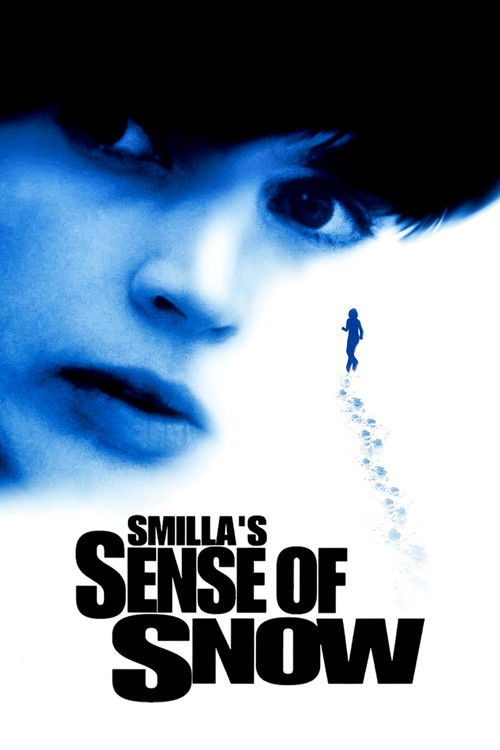
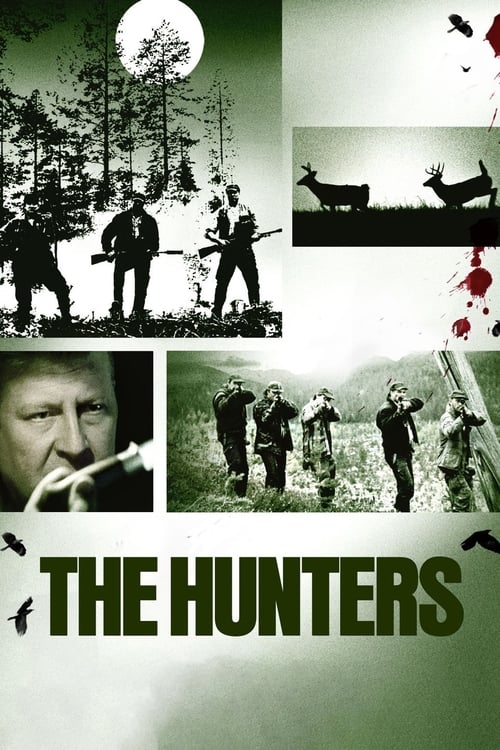
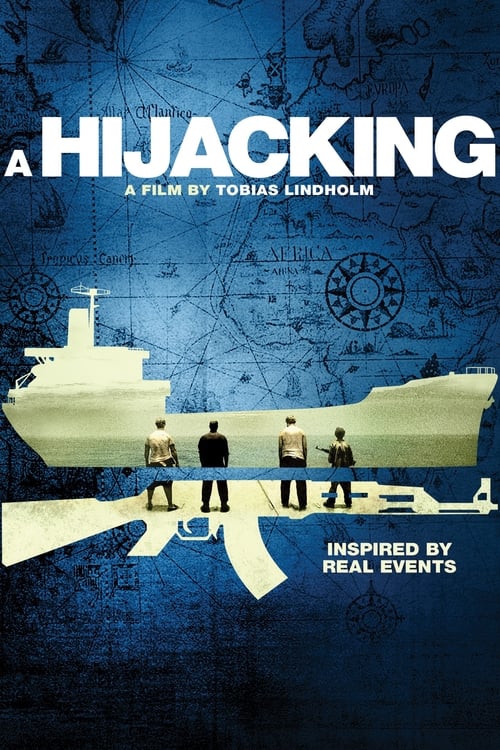
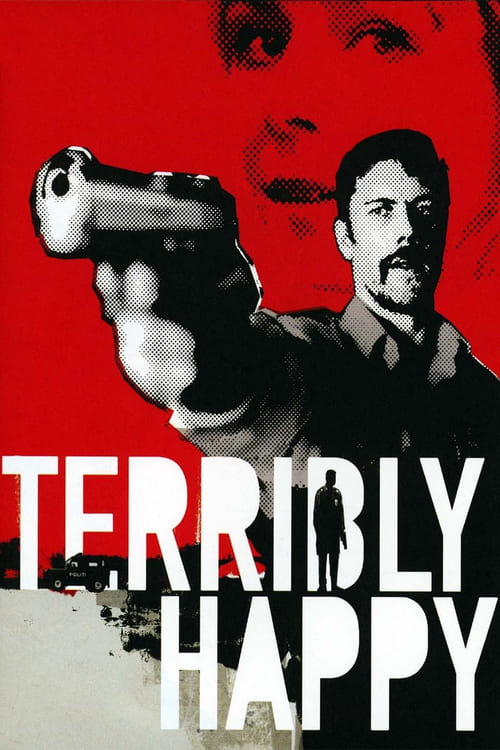
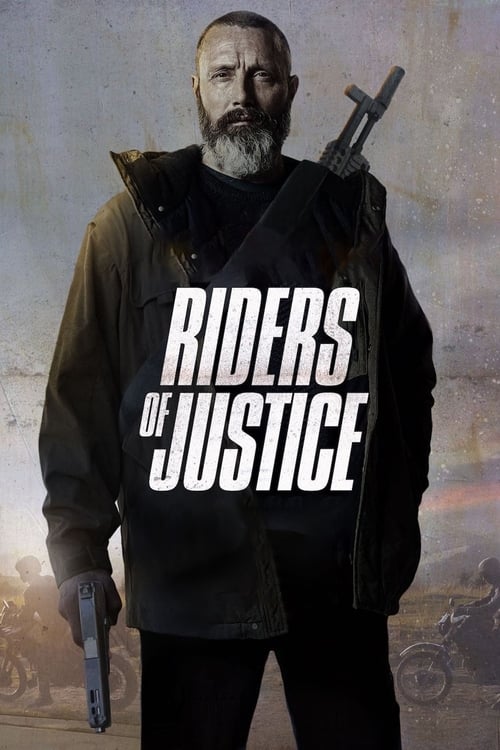
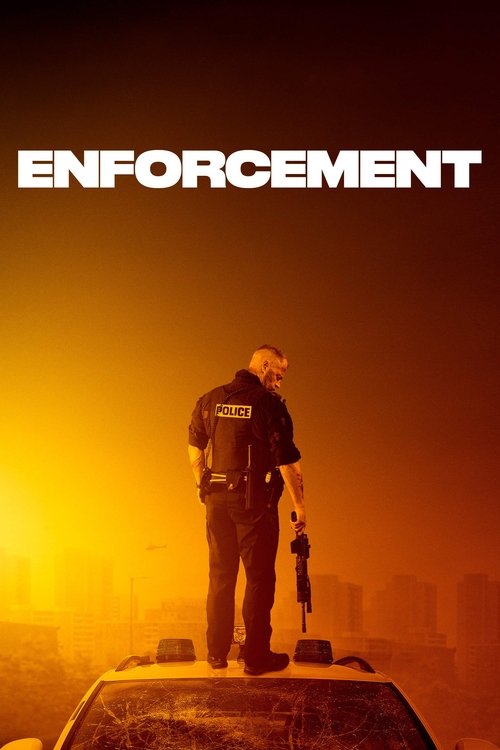
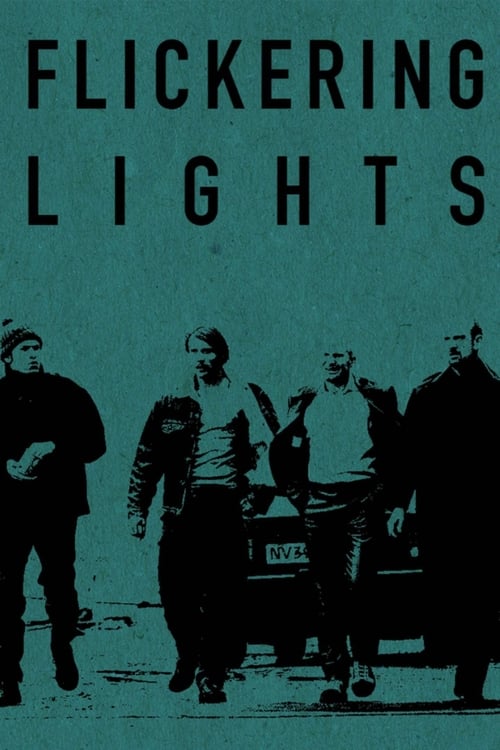
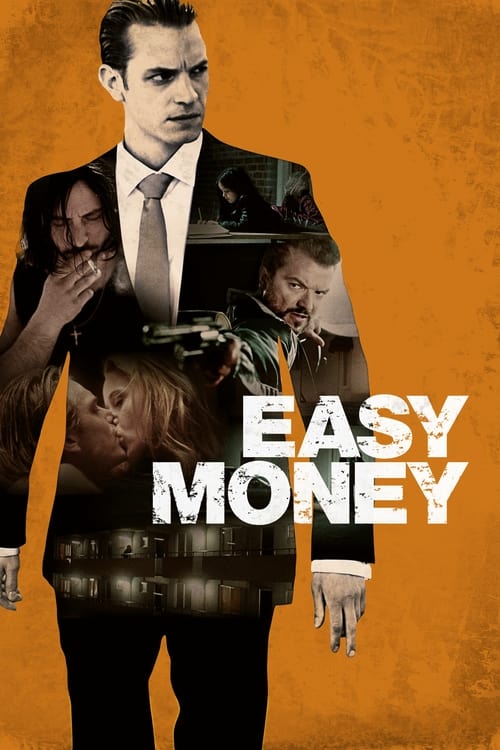
The genre's film canon starts grimy. Nicolas Winding Refn's Pusher trilogy dragged Copenhagen's drug economy onto screen with handheld urgency in 1996, and Danish crime cinema has carried that street-level pulse ever since, through the piracy negotiations of A Hijacking to the one-room pressure cooker of The Guilty. Sweden supplied the blockbusters, Iceland the atmosphere, and Bo Widerberg's The Man on the Roof supplied the blueprint for all of it back in 1976.
The essential films
The big-screen canon, from Refn's Copenhagen to Iceland's bogs
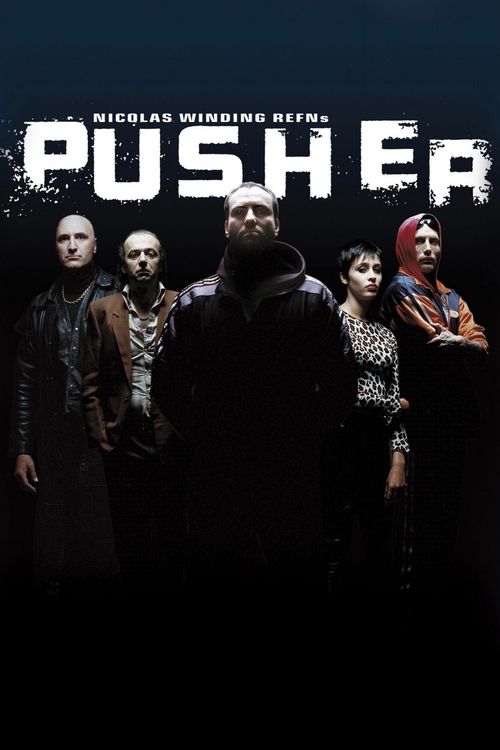
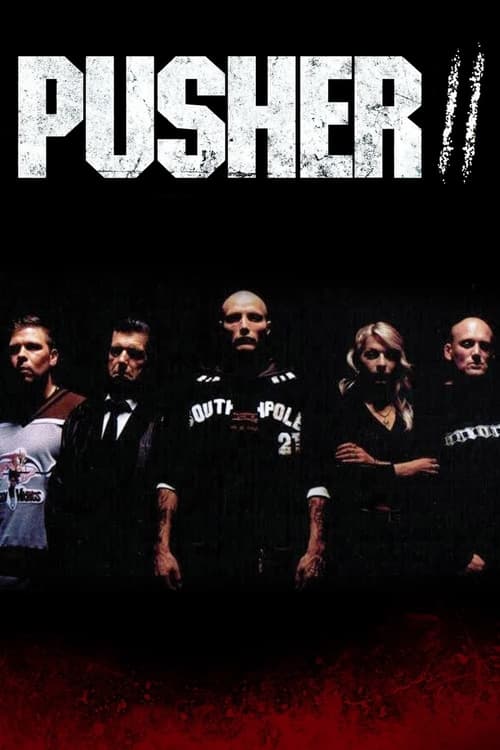
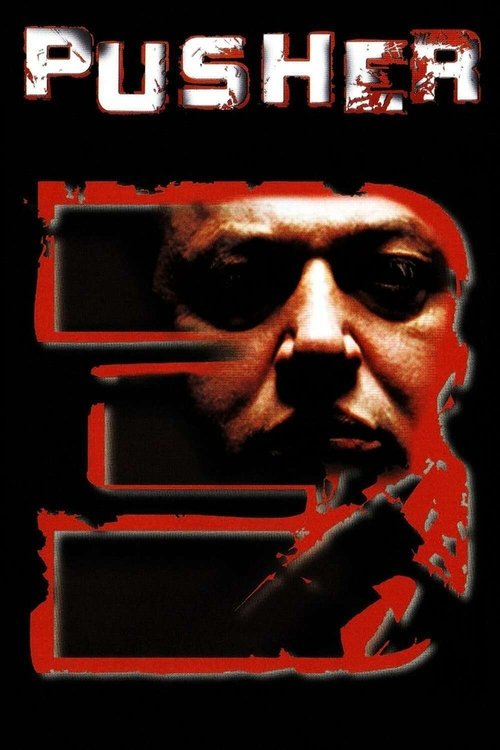
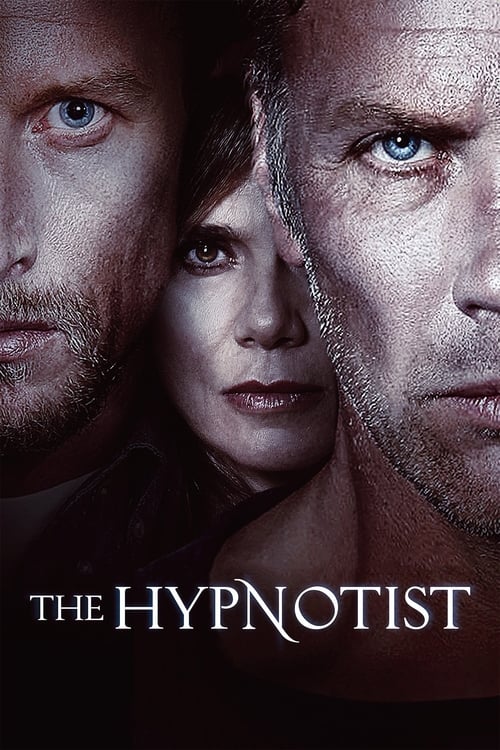
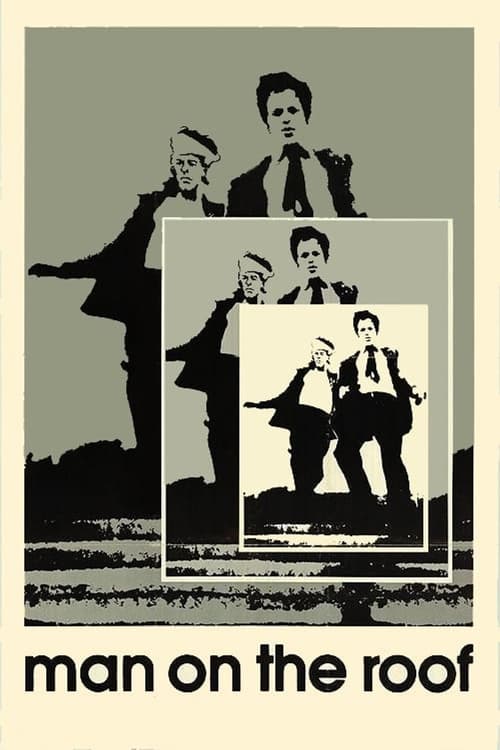

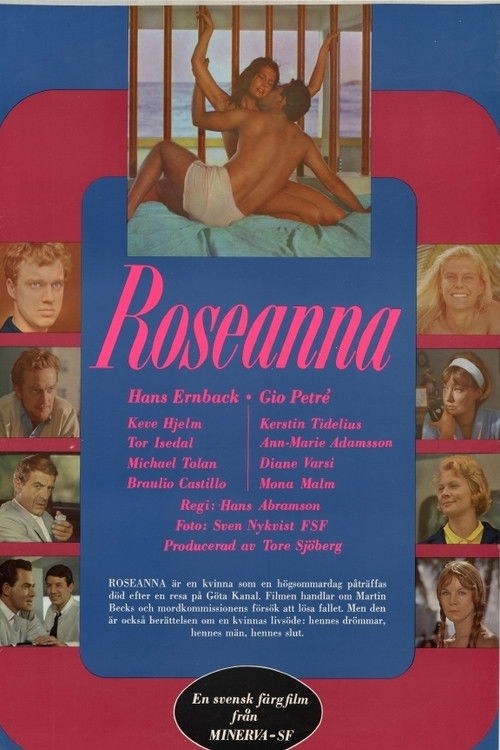

Sixty years of Nordic noir
- 1965Sjowall and Wahloo invent the modern Nordic police procedural Roseanna
- 1976Bo Widerberg films the Beck novels; Swedish police cinema arrives Man on the Roof
- 1991Mankell's Wallander turns crime fiction into a report on the state of Sweden Faceless Killers
- 1996Refn drags the Copenhagen underworld onto film Pusher
- 1997Midnight-sun noir: Norway inverts the darkness Insomnia
- 2005Stieg Larsson is published posthumously and the world catches fire The Girl with the Dragon Tattoo
- 2007Sarah Lund's sweater: DR perfects the one-case season The Killing
- 2009Noomi Rapace makes Lisbeth Salander a global icon The Girl with the Dragon Tattoo
- 2011A body on the Oresund bridge opens the co-production era The Bridge
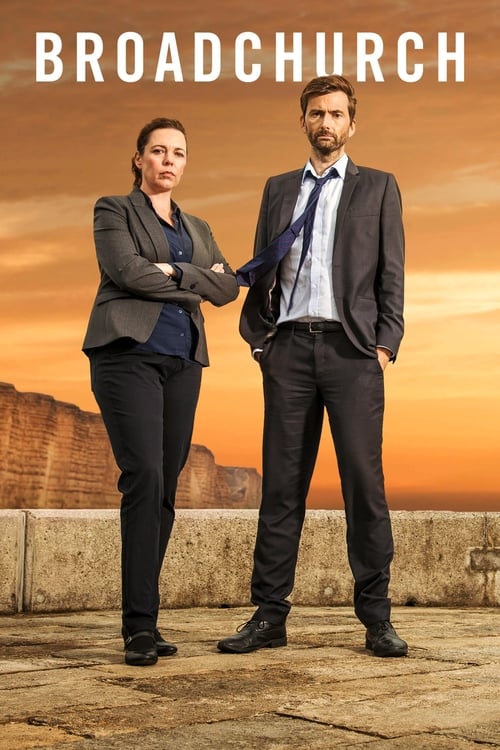
- 2013The world goes nordic: Britain answers with slow grief in Dorset Broadchurch
- 2015Iceland joins: a blizzard seals the fjord Trapped
- 2017The bubble's warning shot: Hollywood melts The Snowman The Snowman
- 2021The Killing's creator returns in the streaming age The Chestnut Man
- 2025Department Q emigrates to Edinburgh and tops the Netflix charts Dept. Q
The streaming age
Netflix money and true-crime nerves: the genre since 2019
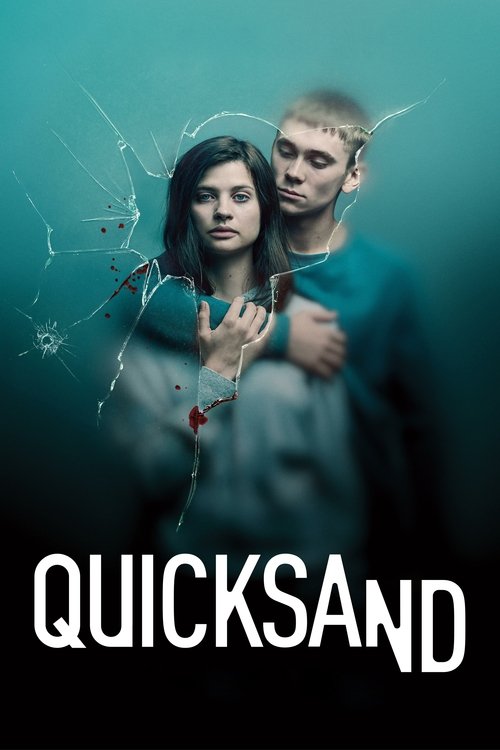



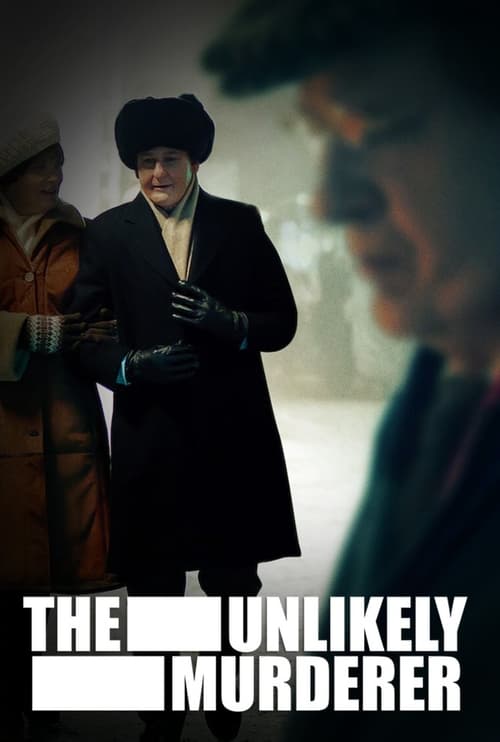
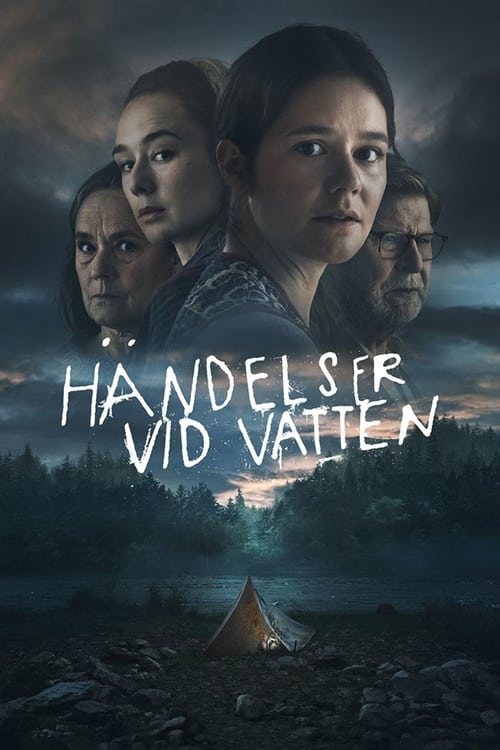
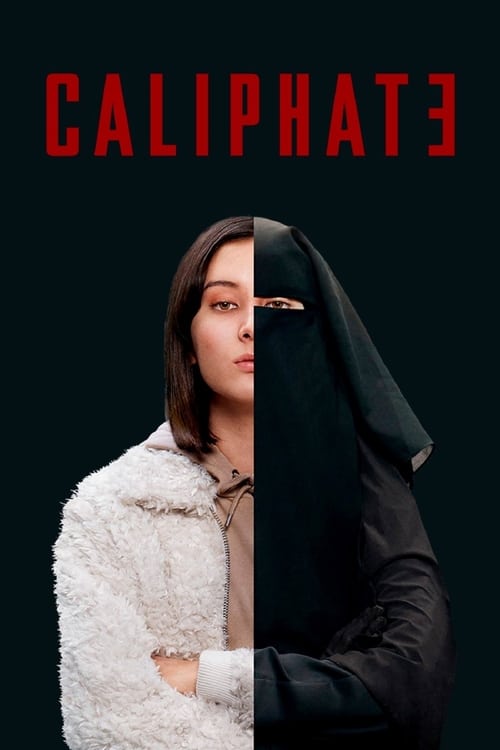
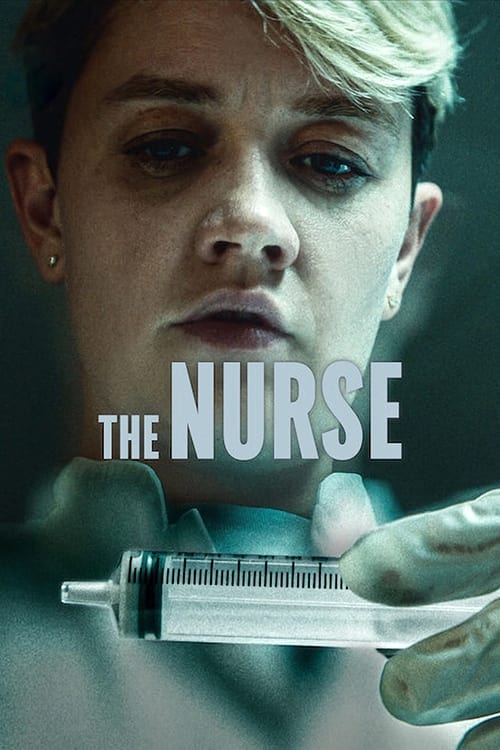

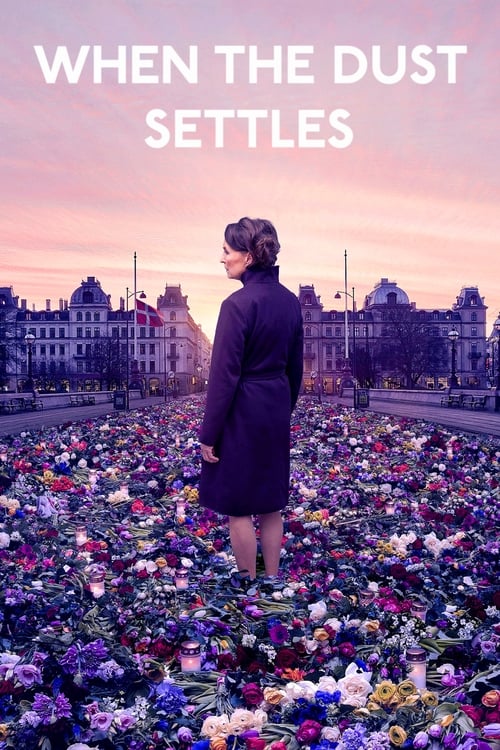
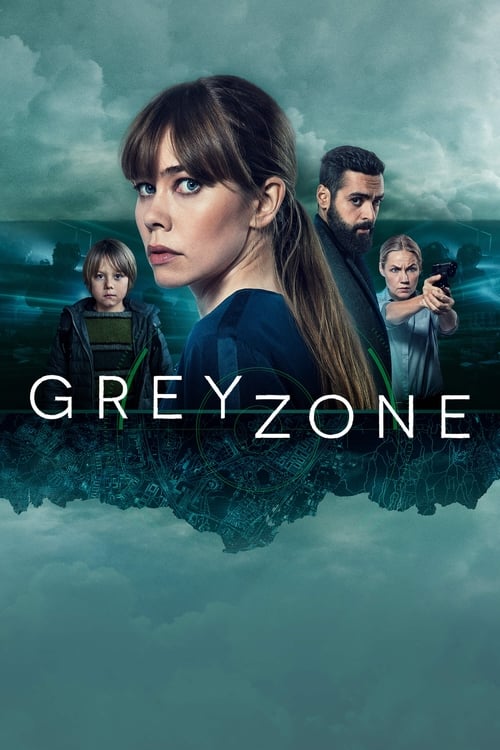
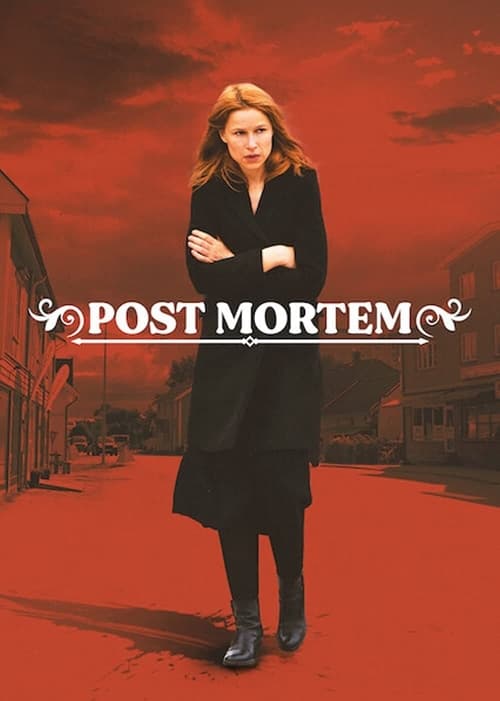
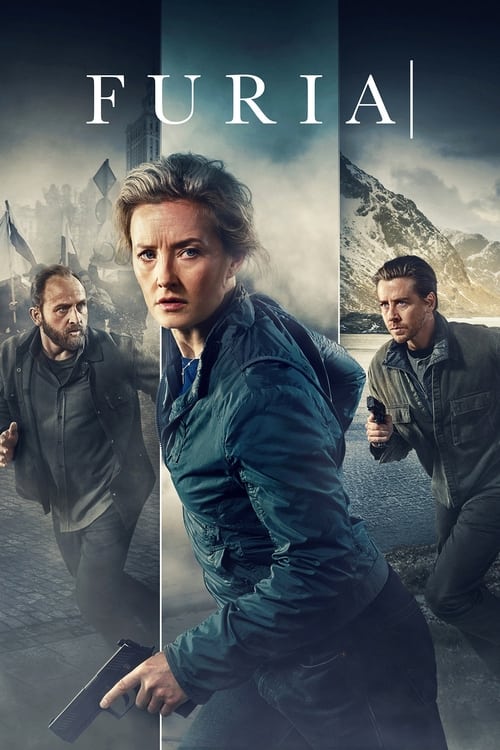
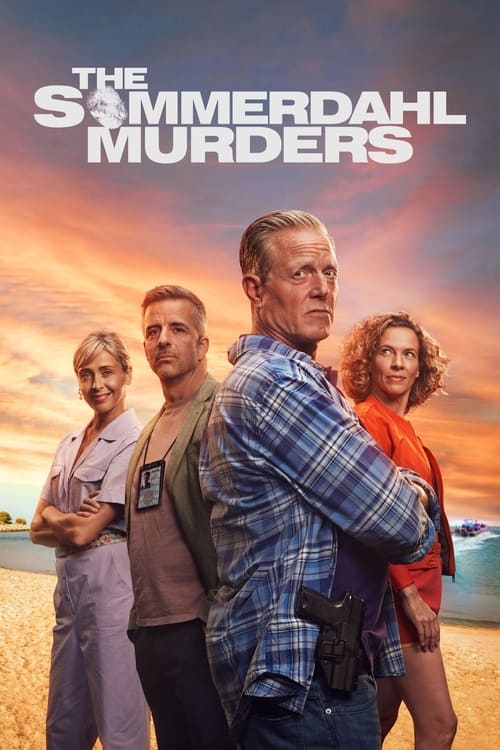
The murder is never the point. The murder is the incision, and the patient on the table is the society that thought it was healthy.
The bookshelf, briefly
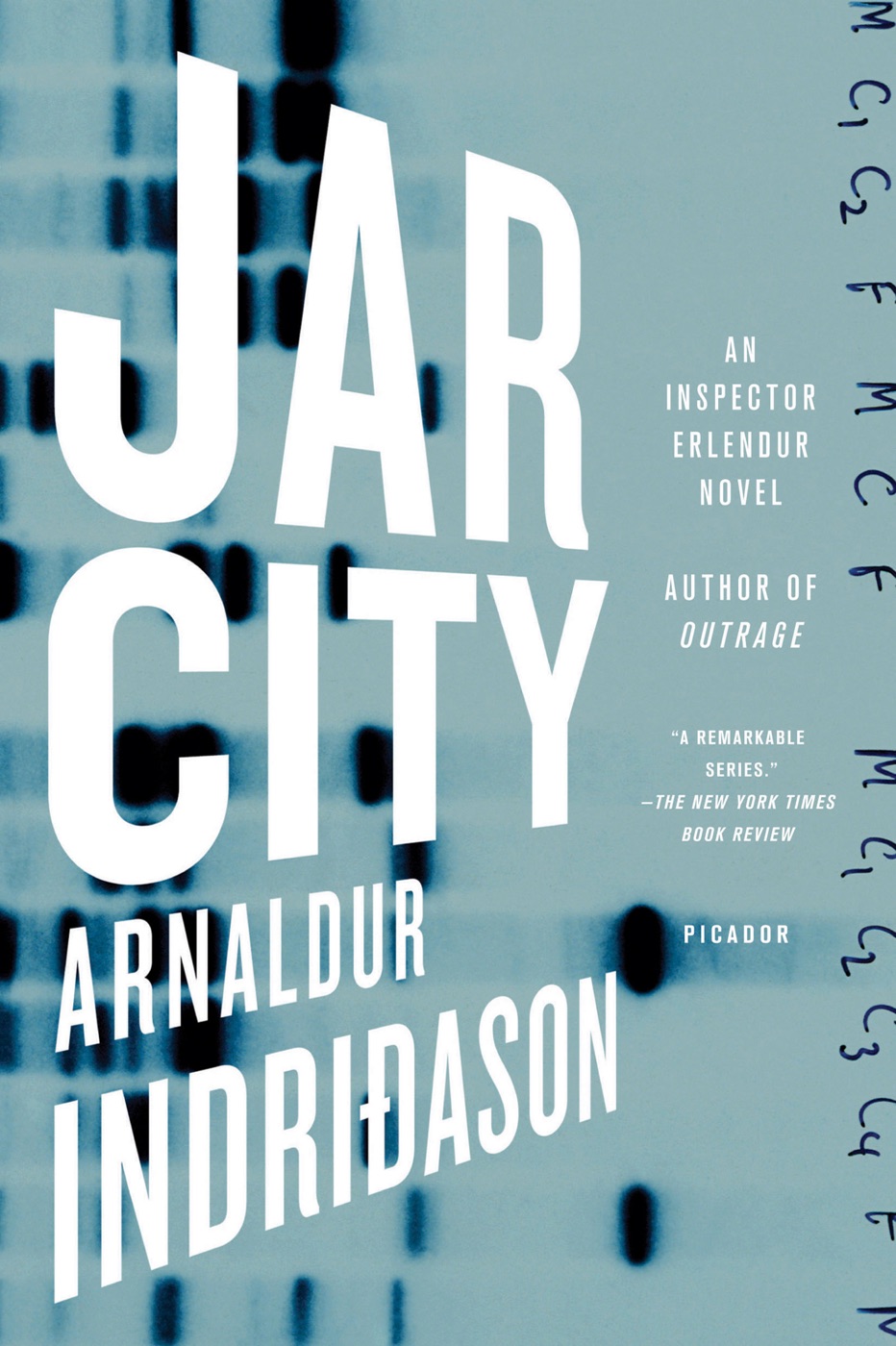
Every series above stands on a novel, and the novels are their own continent: ten Martin Becks, thirteen Harry Holes, ten Department Q cold cases, Iceland's entire Erlendur sequence. We keep a full companion guide dedicated to the books, but if you only take one shelf from here, take this one.
The bookshelf: start here
A taster of the novels underneath it all (the deep dive has its own guide)




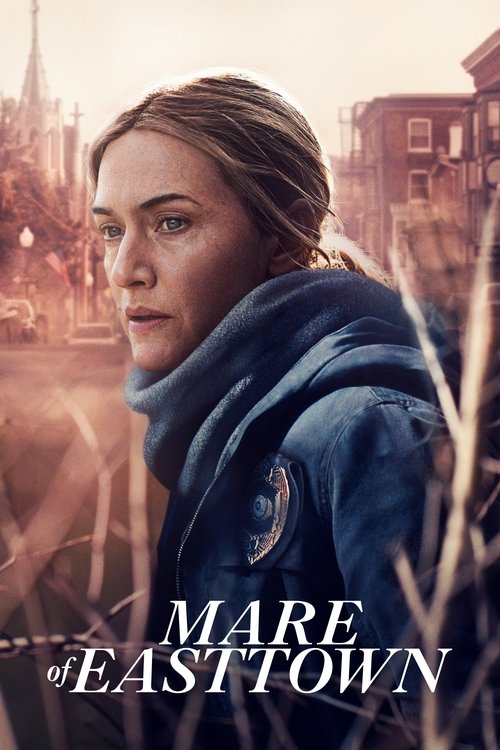
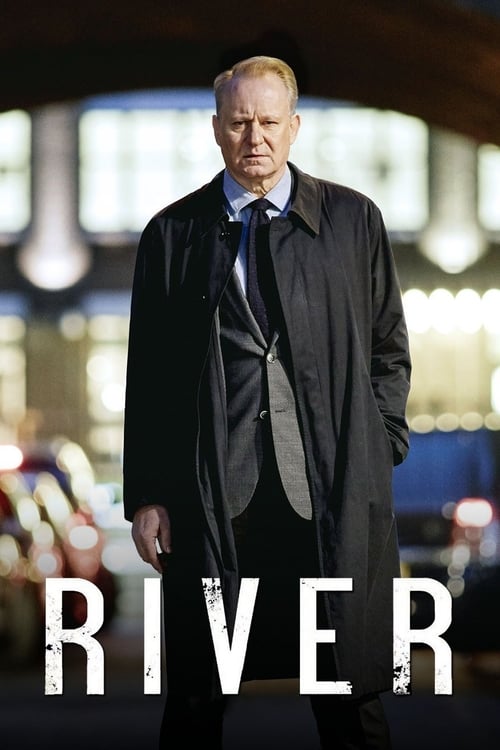
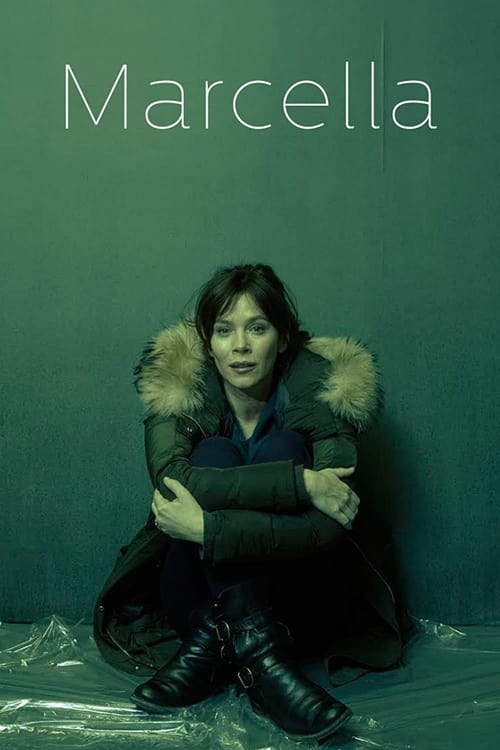
Beyond Scandinavia: the world went nordic
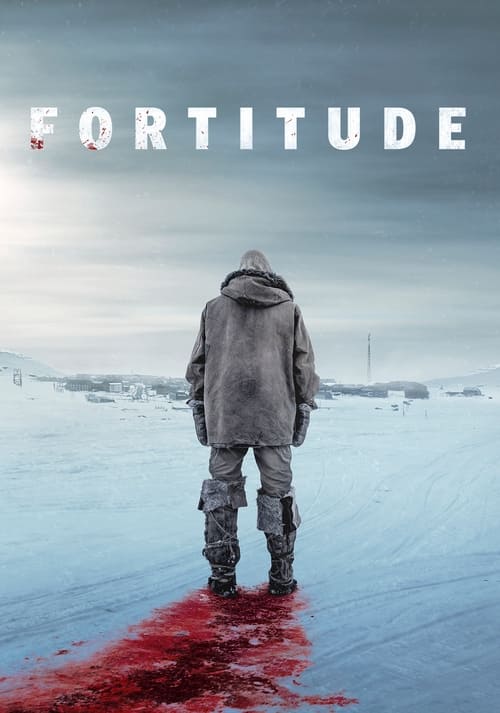
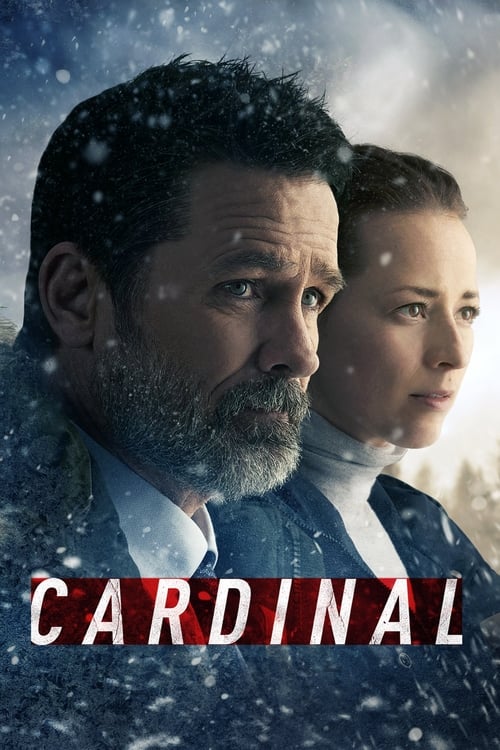
Shows shaped by the template, from Dorset to Northern Ontario


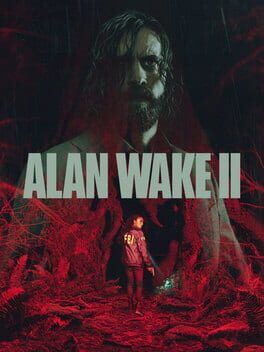
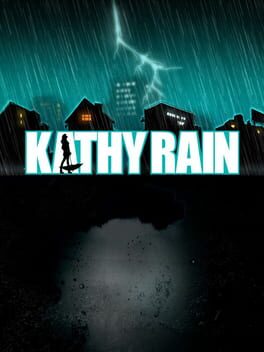
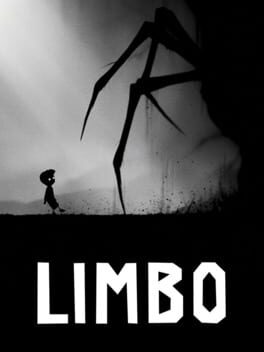
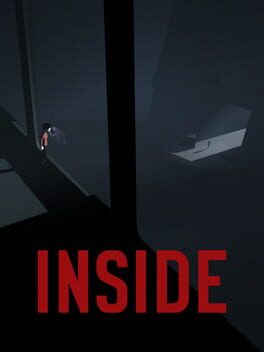
Left field: capers, games and genre benders
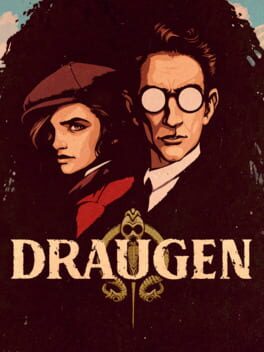
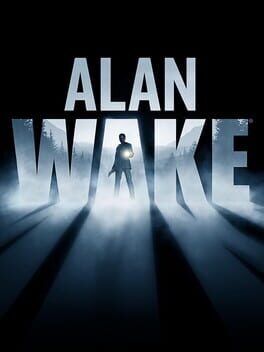
The odd cousins, including the rare playable Nordic mysteries
The architects
The writers, directors and faces who built the genre
Keep the lights off: more guides
Scandinavian Crime Fiction: The Complete Bookshelf
Explore the Scandinavian Crime Fiction: The Complete Bookshelf guide →Frequently asked
What is Nordic noir?
Crime fiction and drama from the Nordic countries, defined by bleak landscapes, unhurried procedural pacing, flawed and private detectives, and social criticism running underneath the murder plot. Its literary roots go back to Maj Sjowall and Per Wahloo's Martin Beck novels of the 1960s and 70s; its screen template was set by The Killing and The Bridge.
Where should I start?
For TV, start with The Killing (the Danish original) or The Bridge, the two shows that defined the form. For film, the 2009 Swedish Girl with the Dragon Tattoo or the lean one-room thriller The Guilty. For books, Roseanna if you want the roots, or Jo Nesbo's The Snowman if you want the modern mainstream.
Is the American Killing the same story as the Danish one?
Its first two seasons adapt the original's case (renamed Rosie Larsen) and keep the day-per-episode structure, but the plot diverges significantly and the later seasons are original stories. The Danish series ran three separate cases across three seasons.
What order do the Department Q films go in?
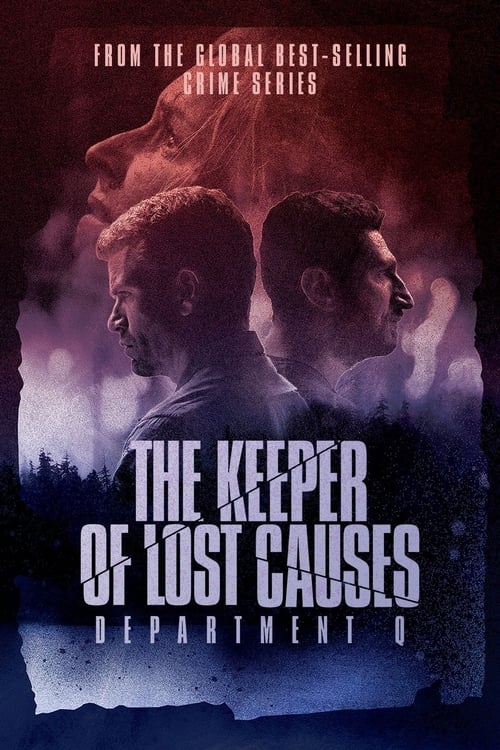
The Keeper of Lost Causes (2013), The Absent One (2014), A Conspiracy of Faith (2016), The Purity of Vengeance (2018), then a recast continuation with The Marco Effect (2021) and Boundless (2024). The 2025 Netflix series Dept. Q is a separate reboot that moves Carl Morck to Edinburgh.
Which countries count as Nordic noir?
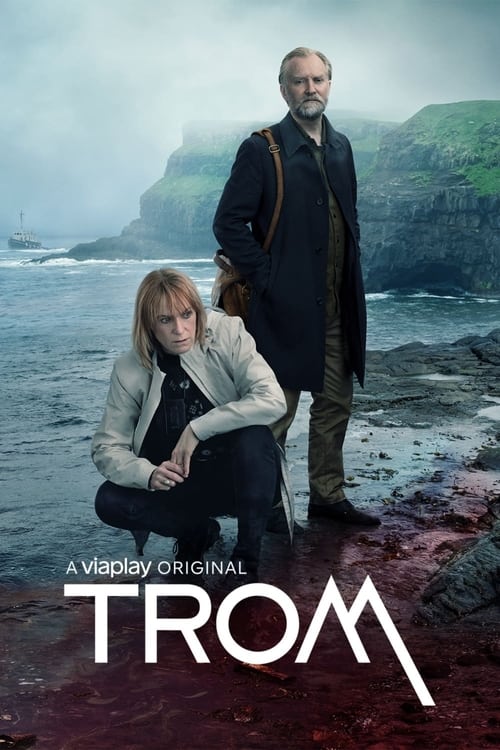
Denmark, Sweden, Norway, Iceland and Finland, plus the Faroe Islands (see Trom). British and American shows like Broadchurch or True Detective are heavily shaped by the genre but are usually counted as its international echo rather than the thing itself.
Is Fincher's Girl with the Dragon Tattoo a remake of the Swedish film?
Not strictly. Both adapt Stieg Larsson's 2005 novel, so Fincher's 2011 film is a second adaptation of the book rather than a remake of the 2009 Swedish film, though comparing the two is half the fun.