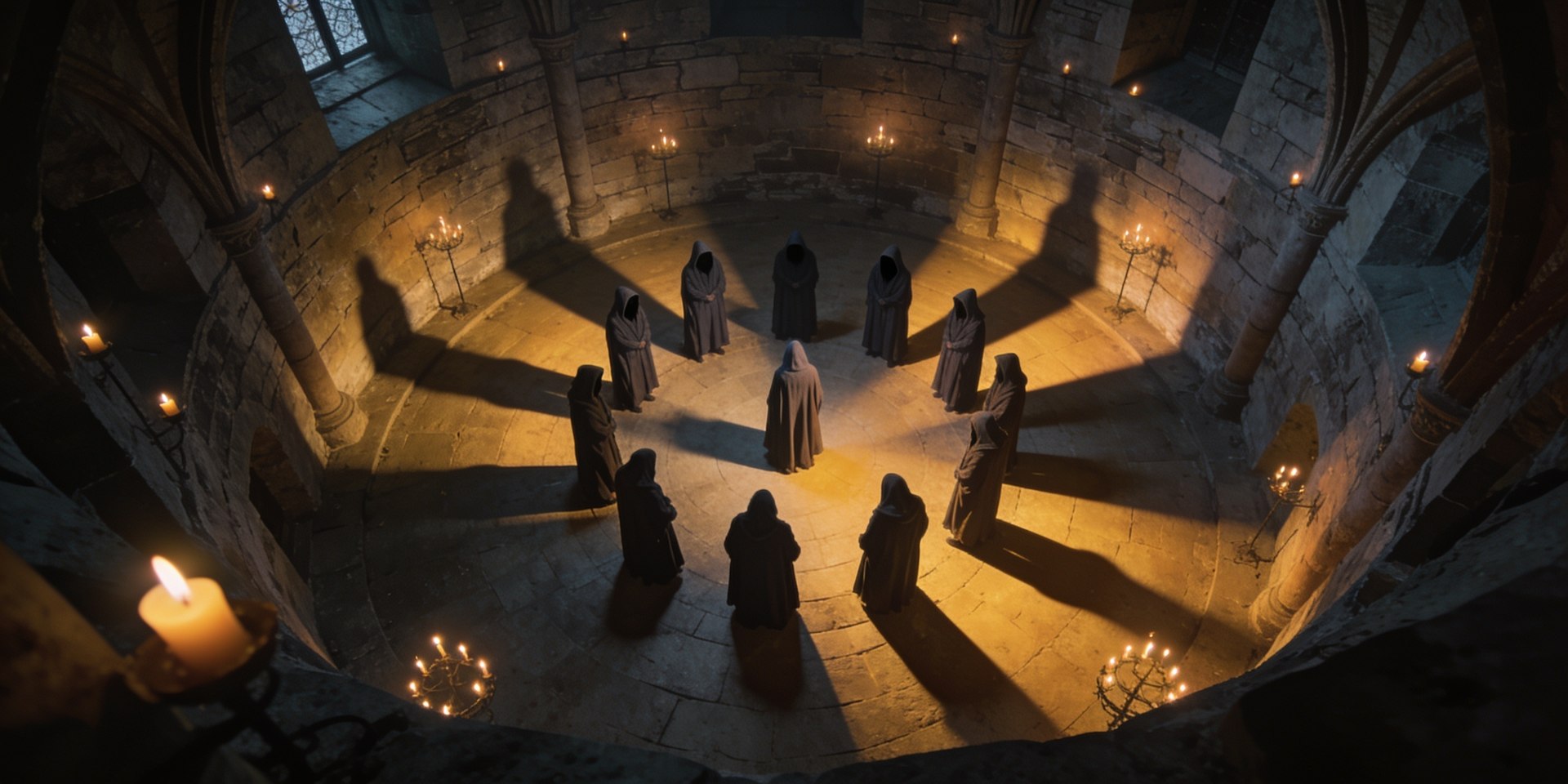

There is a version of history we learn in school, and then there is the other one. The one with sealed chambers beneath cathedrals, with handshakes that open doors no money can unlock, with oaths sworn in candlelit rooms before men in robes who have been waiting there, it seems, for centuries. Secret societies occupy a peculiar space in popular culture: we know they are almost certainly not as powerful as the stories say, and yet we cannot stop imagining that they are.
What drives the genre is not paranoia so much as pattern recognition taken to its most pleasurable extreme. The hidden order is a machine for meaning. It says the world has a shape, that nothing happens by accident, that someone knows the design. Films, games and novels about brotherhoods and cabals are, at heart, about the human hunger for a world that makes sense, even if the price of that sense is terror.
The essential orders
The canon across every screen and page
The Da Vinci Code changed everything
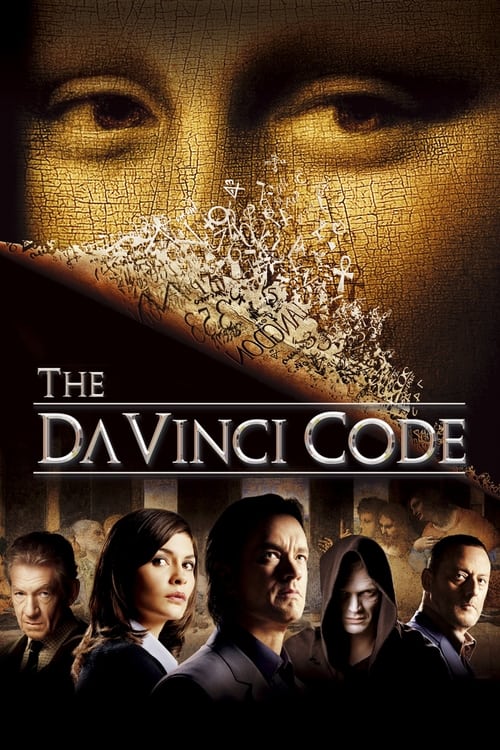
Before Dan Brown's 2003 novel and its 2006 film adaptation, secret societies were largely B-movie territory: disposable thrillers about skull-and-bones fraternities, conspiracy yarns for the paranoid fringe. The Da Vinci Code mainstreamed the whole genre. It made the Priory of Sion, Opus Dei and the Knights Templar into dinner-party conversation, turned Louvre floor plans into clue maps, and sold the idea that a medieval religious order might be sitting on a secret that could rewrite Western civilization. The novel is not subtle and the film is blunter still, but the scale of their cultural impact is not in doubt. Every Illuminati thriller made since owes them a licensing fee.


Robert Langdon and the ancient orders
Symbols, codes and cathedrals hiding in plain sight

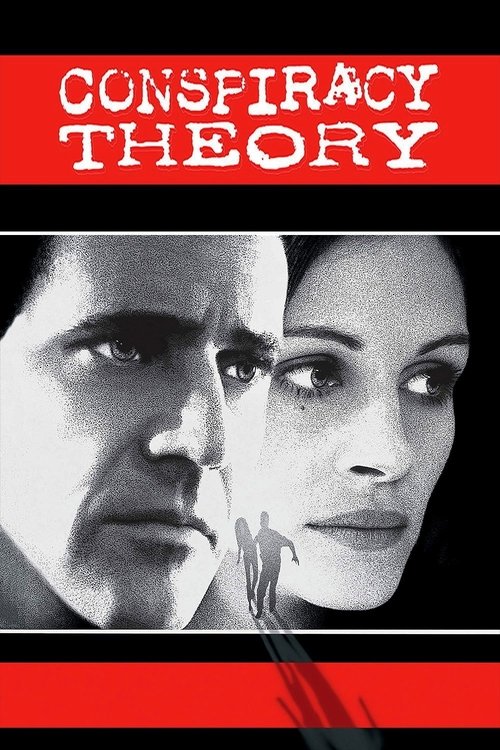
The Freemasons, the Templars and the architecture of conspiracy
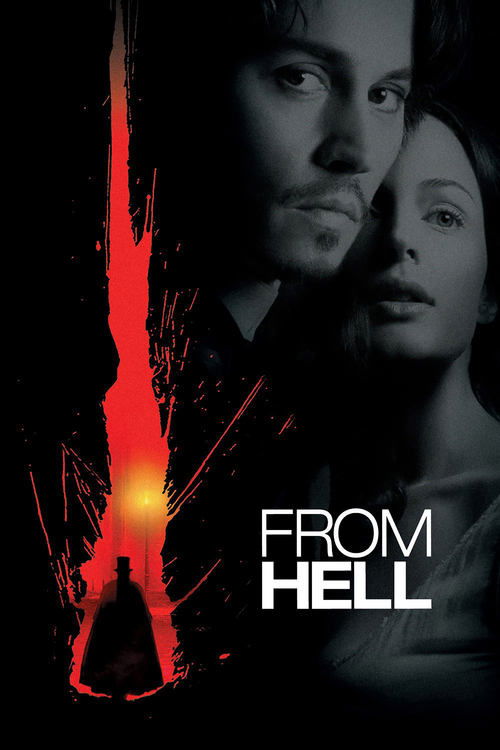
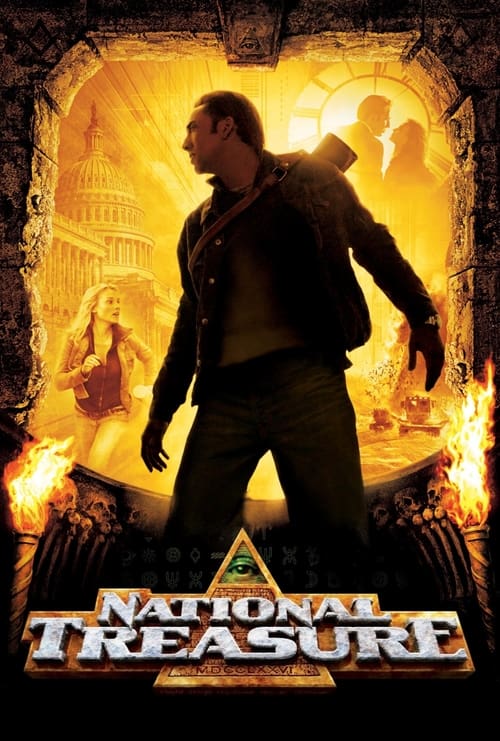
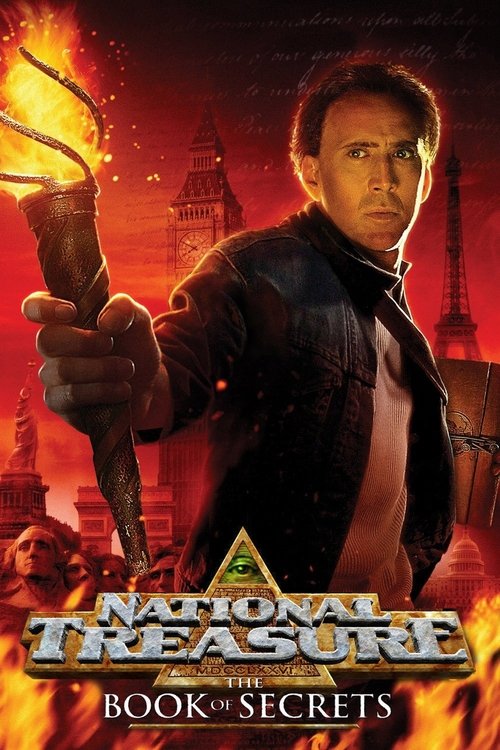
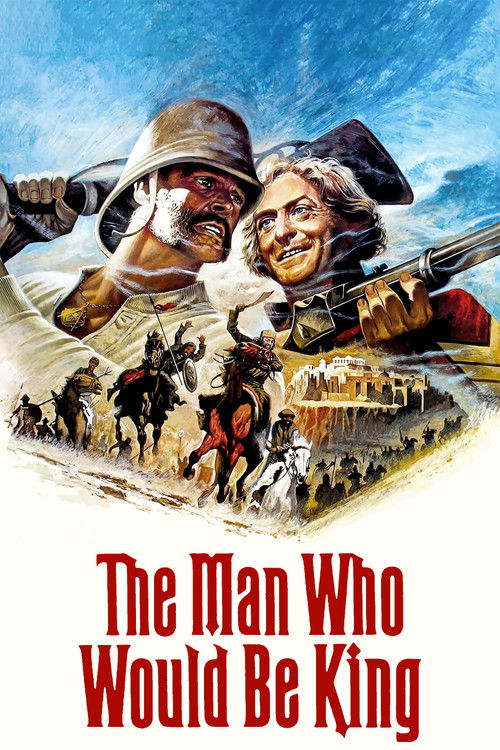
Real secret societies have fed popular fiction for two centuries, but three orders dominate the popular imagination above all others: the Freemasons (lodges, aprons, the all-seeing eye on the dollar bill), the Knights Templar (warrior monks, hidden treasure, a mystery that begins in Jerusalem and refuses to end), and the Illuminati (a Bavarian rationalist club founded in 1776 that somehow became the catch-all name for every cabal pulling every string). The historical reality of each is considerably less dramatic than the legend, but that gap is precisely where fiction lives. National Treasure makes the Founding Fathers themselves into Masonic conspirators. From Hell positions Freemasonry at the heart of the Ripper murders. The Man Who Would Be King sends two British adventurers into the Afghan hills to found their own order, with a Masonic handshake as their only credential.
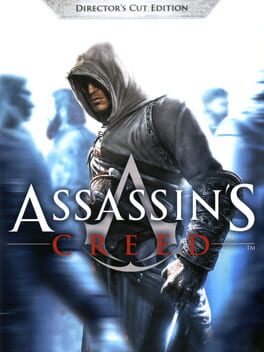
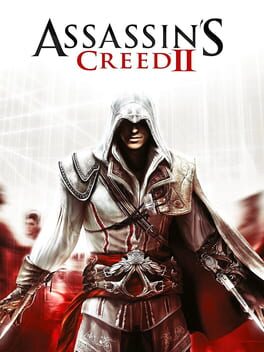
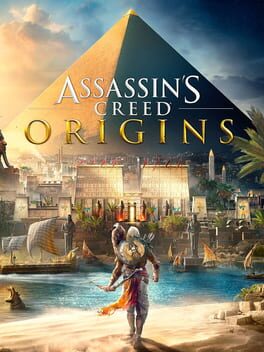
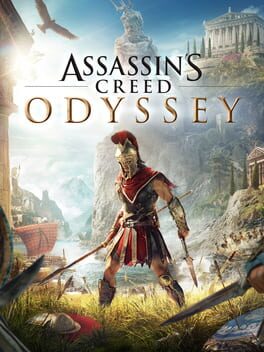
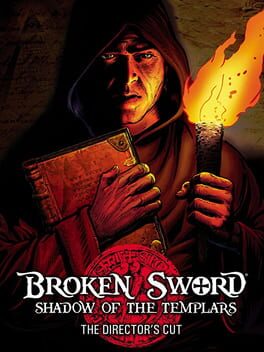
The Knight Templar thread runs especially deep in games. Broken Sword built an entire point-and-click adventure series around a modern-day rediscovery of their legacy. Assassin's Creed turned the conflict between the Assassins and the Templars into a framework that could span all of human history, from Ancient Egypt to the Napoleonic Wars, while planting an Illuminati-style shadow organization (Abstergo Industries) behind every century of recorded civilization.
Robes and rituals on screen
From Masonic lodges to island cults
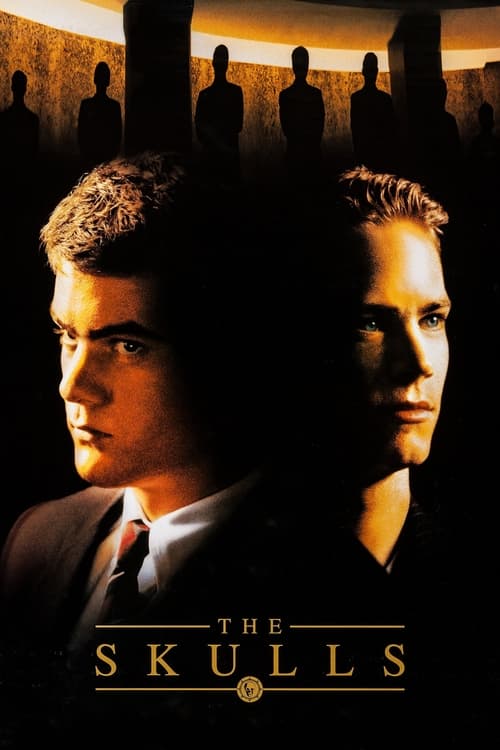
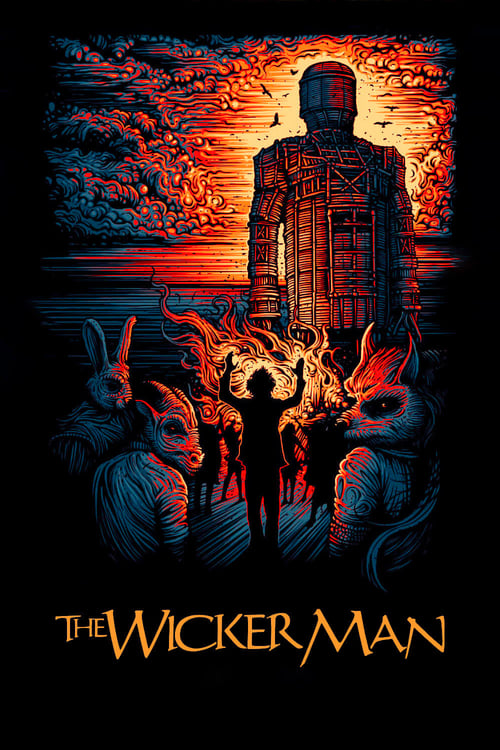
Kubrick understood something the thrillers missed
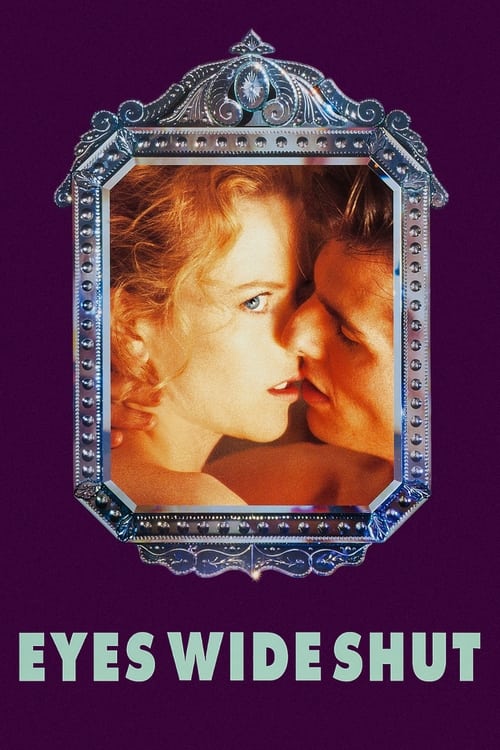
Eyes Wide Shut is not a conspiracy thriller. It does not solve its secret society or explain the orgy at the masked mansion in the hills. That is the point. Kubrick's last film uses the trappings of the genre, the cloaked figures, the candlelight, the password, the ritual, and strips away the resolution that genre demands. The order Bill Harford stumbles into is frightening not because it has a plan, but because it has power and he does not. The threat is social and economic before it is occult. Kubrick understood that secret societies are, ultimately, about who belongs and who does not, about the violence of exclusion dressed up in ceremony. No film has made that point as coldly.
The Assassins versus the Templars
Gaming's richest secret-society mythology
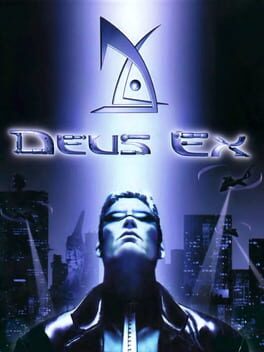
Deus Ex built the definitive Illuminati simulator
Warren Spector's 2000 game handed the player a place inside the machine. As JC Denton, a nano-augmented UNATCO agent, you uncover the Majestic 12, the Illuminati and several competing shadow factions all running the world from different angles. Deus Ex worked because it took the conspiracy seriously enough to make each faction internally coherent, with genuine ideological positions rather than just mustache-twirling evil. Bob Page wants control; the Illuminati wants balance; the NSF just wants to survive. The player has to decide which nightmare is least bad. No other game has replicated that moral texture in the secret-society space, though Deus Ex: Human Revolution came close by updating the allegory for the corporate augmentation era.
Controllers and cabals in games
Shadow organizations running the world from the inside
Secret orders on television
When the conspiracy runs across multiple seasons

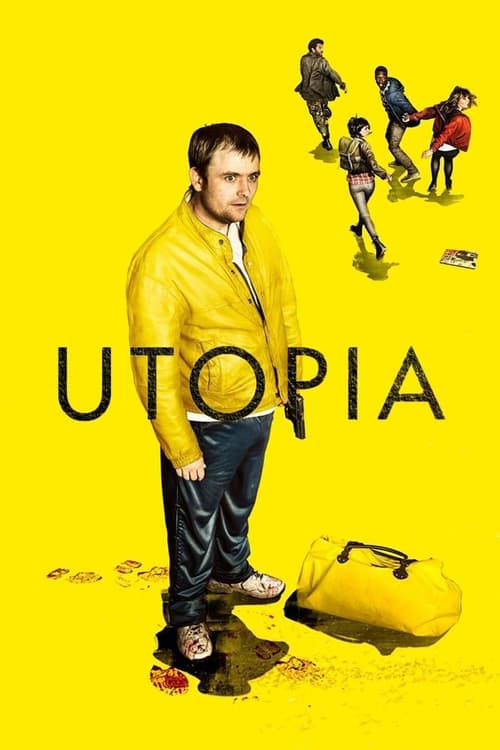
Utopia is the most disturbing secret-society story ever made
Channel 4's Utopia (2013-2014) begins with a manuscript, a graphic novel called The Utopia Experiments, and a group of conspiracy theorists who discover the manuscript is real. The network pursuing it will do anything to get it back. Dennis Kelly's series is deliberately, almost brutally, extreme: the violence is sudden and specific in a way that most British television refuses to be, and the shadow organization at the center of the story, the Network, has a plan for humanity that is genuinely unsettling rather than a cartoon. Utopia understood that the horror of a secret society is not the secret, it is the patience. These people have been waiting for decades. They have prepared. When the story reaches its philosophical core, you find you cannot dismiss their reasoning, and that is the most disturbing thing of all.
On the page: the orders that built the conspiracies
The novels that gave popular culture its symbology


Kingsman and the gentlemen's order
When the secret society is the last line of defence

More hidden hands pulling the strings
Conspiracy Thrillers
Explore the Conspiracy Thrillers guide →The ritual is not the point. The secrecy is. A society that told you everything would have no power. It is what they know and you do not that makes them dangerous.On the architecture of hidden orders