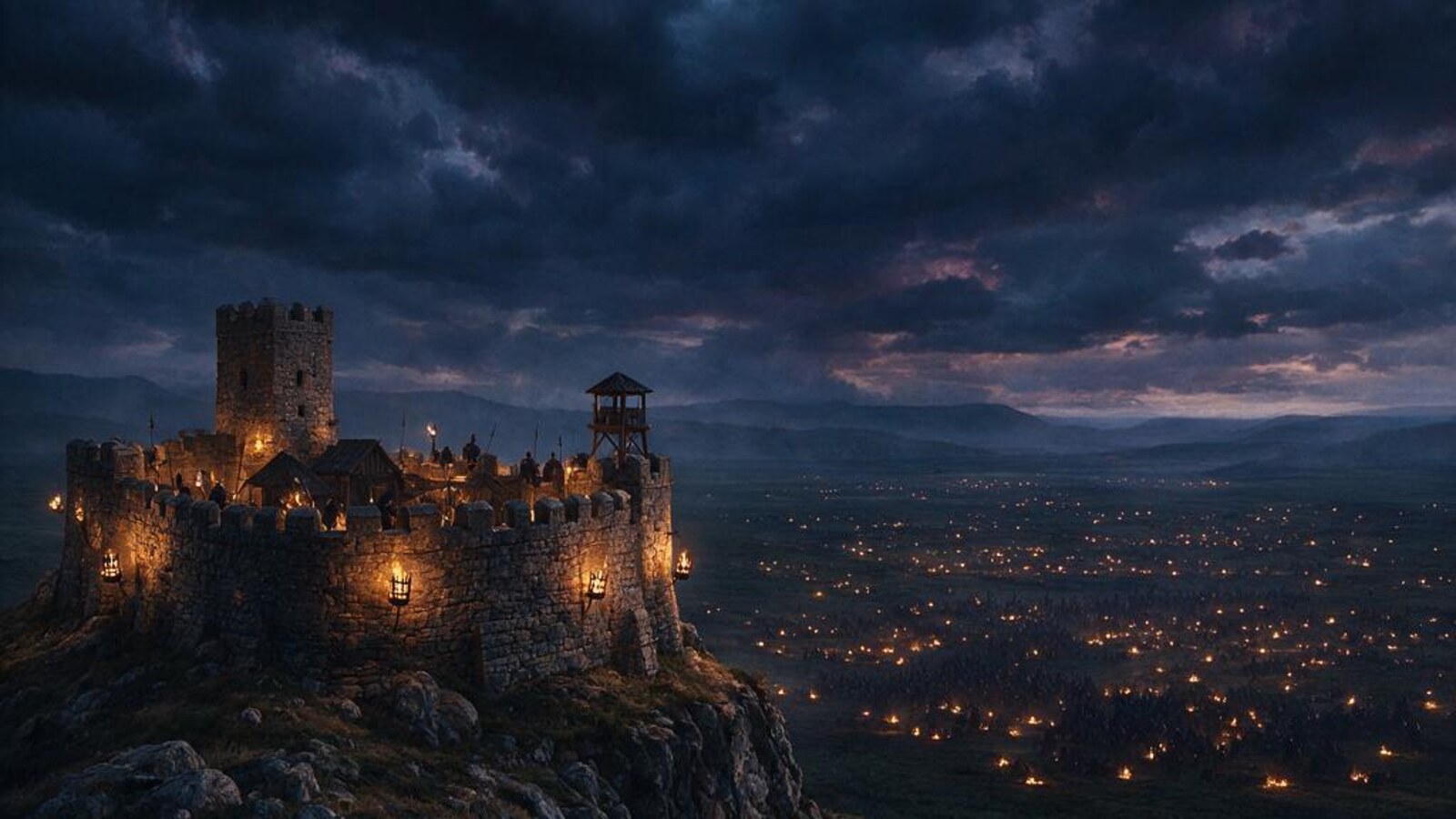

There is no purer distillation of drama than the siege. Strip away everything: put a small group of defenders inside a fixed position, surround them with an enemy that vastly outnumbers them, and let the walls close in. Ammunition runs low, the dead pile up outside, and every character is forced to reveal who they truly are with their back against the barricade. From the western outpost to the zombie-swarmed farmhouse to the fantasy fortress at the mountain's foot, the last stand is one of storytelling's oldest and most reliable engines.
The tradition runs from Rio Bravo and Zulu through Assault on Precinct 13 and Night of the Living Dead, and it powers everything from the epic fantasy of Helm's Deep to the frantic barricade-building of tower-defense games. Below is the whole battlement: the essential last stands, the western and war classics, the horror sieges, the games that put you on the wall, and the novels that held the line on the page. Reload and hold.
Essential last stands


Western and war sieges


Assault on Precinct 13 is the perfect siege film
John Carpenter took Rio Bravo, moved it to a decommissioned Los Angeles police station under attack by a faceless street gang, and stripped the siege down to its lean, pounding essentials. Cops and criminals forced to defend the same crumbling building, a relentless synth score, and a wall of anonymous attackers. Nothing wasted, nothing but pressure. The template every later siege borrows from.
Horror under siege
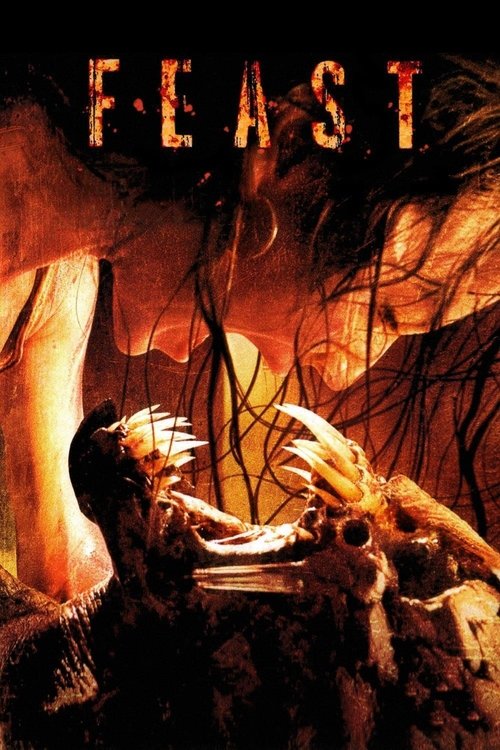
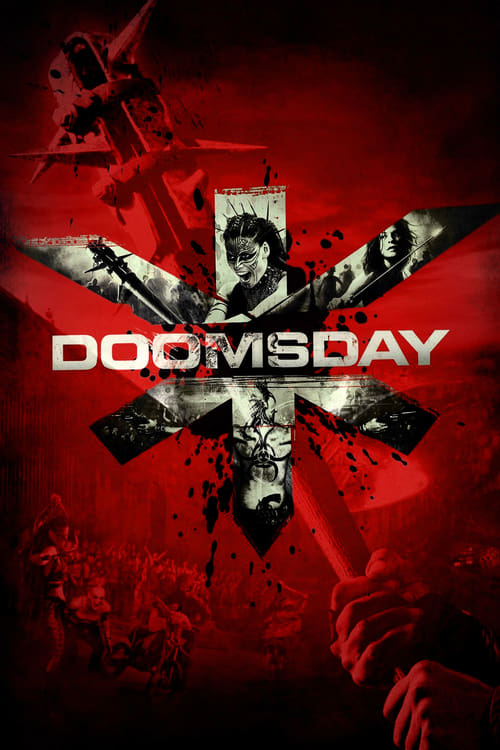
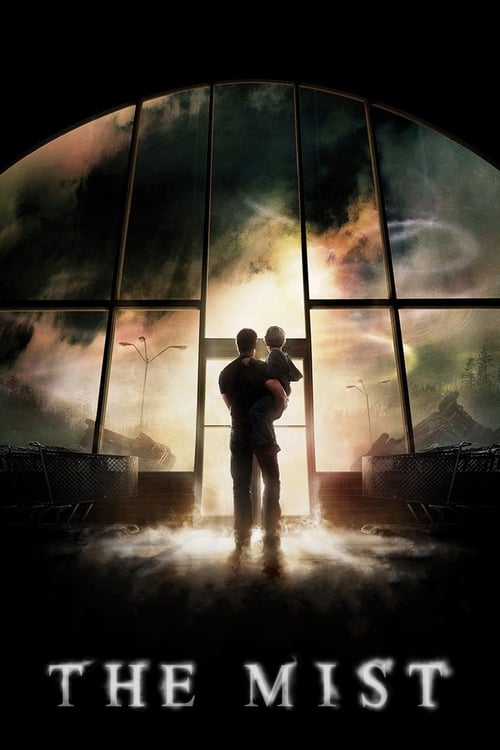
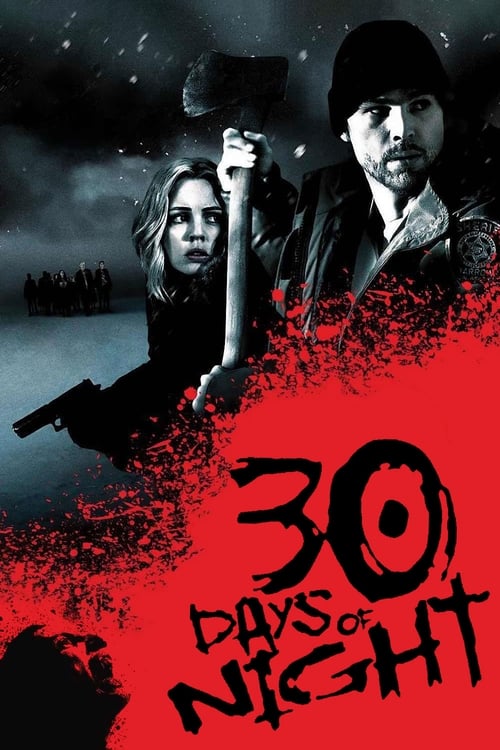
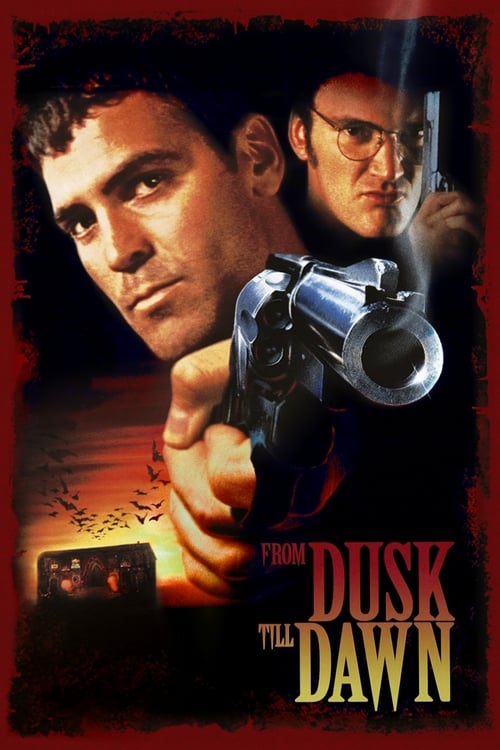
Hold the wall: siege and tower-defense games


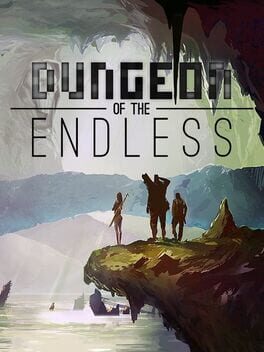
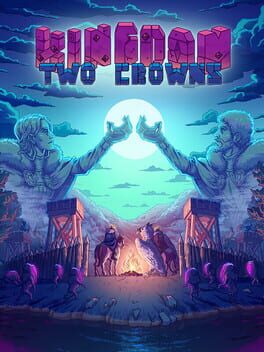
On the page: the last stand in fiction


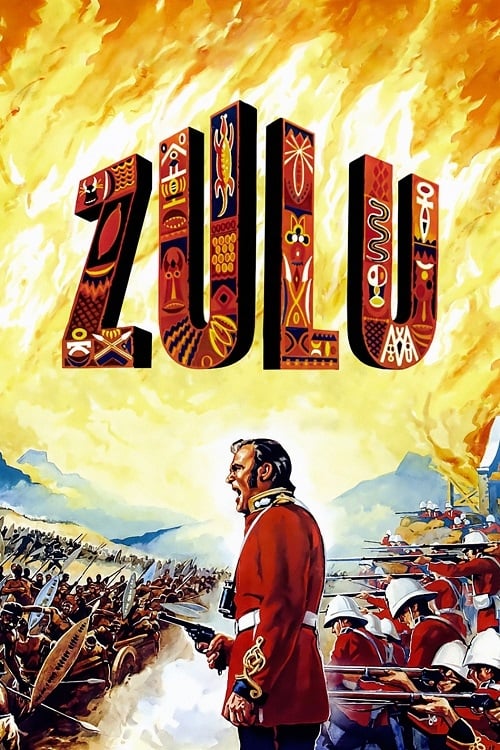
Zulu found grandeur in the impossible odds
A hundred-odd British soldiers at Rorke's Drift facing thousands of Zulu warriors, Zulu turns a real last stand into something close to opera, and crucially it grants dignity and awe to both sides. The rising chants, the red tunics on the wall, the sense of a tiny outpost swallowed by a continent. It is the siege as spectacle and as dread.
The timeline
- 1954Seven Samurai builds the template for the defended village Seven Samurai
- 1959Rio Bravo perfects the western jailhouse siege Rio Bravo
- 1964Zulu turns Rorke's Drift into epic cinema Zulu
- 1968Night of the Living Dead fuses siege and zombie horror Night of the Living Dead
- 1976Assault on Precinct 13 modernizes the siege thriller Assault on Precinct 13
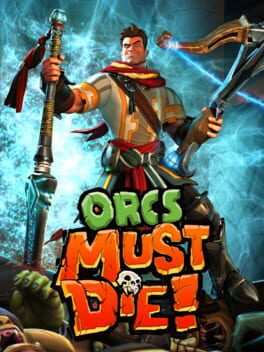
- 2010Tower-defense games make the last stand interactive Orcs Must Die!
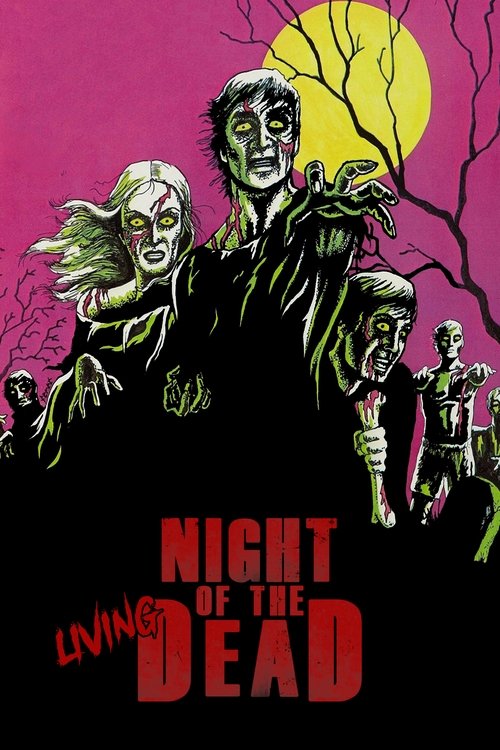
Night of the Living Dead made the farmhouse a fortress
George Romero fused the siege with the zombie apocalypse and invented a whole genre in one boarded-up farmhouse. The real horror is not just the ghouls clawing at the windows but the people trapped inside turning on each other. Every zombie-siege story since, and half of horror gaming, is nailing boards over the same windows.
Tower defense turned the last stand into a game
The siege is inherently interactive: build the walls, ration the ammo, decide which gap to plug. Games from They Are Billions to Orcs Must Die understood that holding the line is a design in itself, a desperate arithmetic of resources against an endless tide. No genre captures the sweaty math of a last stand better than watching your defenses buckle wave by wave.
Keep exploring
Home Invasion: The Complete Guide to Terror Behind the Locked Door
Explore the Home Invasion: The Complete Guide to Terror Behind the Locked Door guide →Frequently asked
What is a siege or last-stand story?
A siege or last-stand story confines a small group of defenders to a fixed, fortified position and pits them against a much larger attacking force. The drama comes from dwindling resources, mounting pressure, and the way the confined setting exposes each character. Examples span westerns like Rio Bravo, war films like Zulu, horror like Night of the Living Dead, and tower-defense video games.
Why is the last stand such a powerful story?
The last stand strips storytelling to its essentials: a clear goal (survive, hold the line), a ticking clock (dwindling ammo and rising bodies), and a confined space that forces characters to reveal themselves under maximum pressure. It also taps deep mythic resonance, echoing real historical stands like the Alamo, Rorke's Drift, and Thermopylae, which is why it recurs across every medium and era.
Where should I start with siege films?
John Carpenter's Assault on Precinct 13 (1976) is the lean, definitive modern siege thriller. For the classic western version, Rio Bravo is essential, and Zulu is the great historical last stand. Night of the Living Dead invented the horror siege, and gamers who want to defend the wall themselves should try They Are Billions or Orcs Must Die.