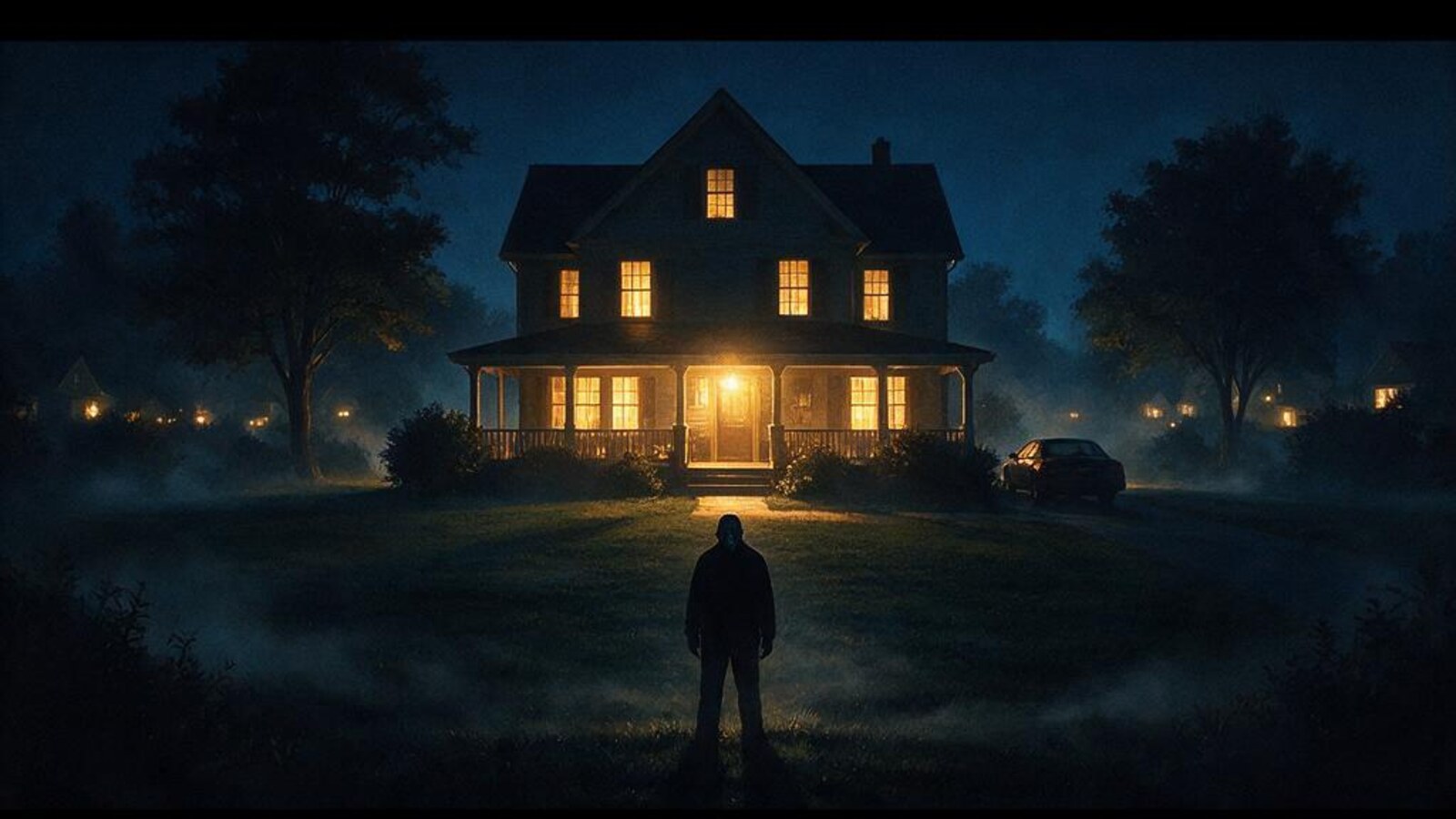

Home is supposed to be the one place the world cannot reach you. Home-invasion horror exists to destroy that comfort. It locks the doors, kills the lights, and puts something on the other side of the glass that wants in, whether masked strangers with no motive, a desperate burglar, or a predator who has been watching for weeks. Because the fear is so primal and so plausible, it needs no supernatural monster: the terror is that this could happen to you tonight.
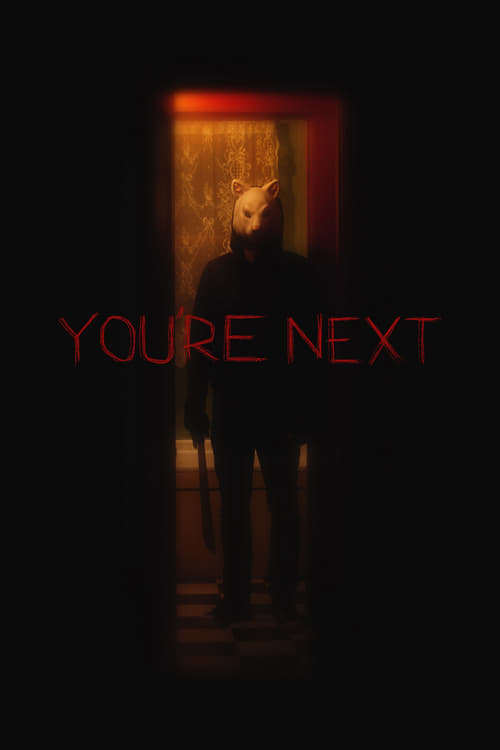
The subgenre ranges from the nihilistic dread of The Strangers and Funny Games to the tense reversals of You're Next and Don't Breathe, and it stretches to the darkly comic (Home Alone flips the whole formula) and the interactive. Below is the whole house: the essential films, the modern reinventions, the classic and international touchstones, the games that put you behind the barricade, and the novels that heard the footsteps downstairs.
Essential home-invasion horror

Modern reinventions

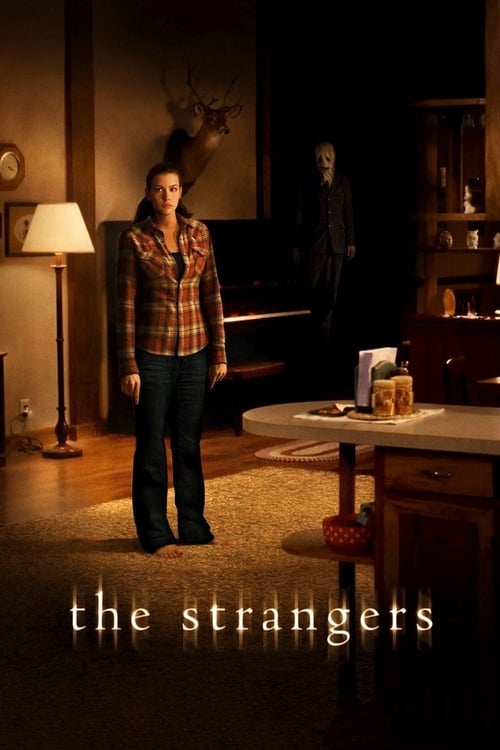
The Strangers weaponized pure randomness
A couple alone in an isolated summer house, three masked figures who appear without warning, and the film's most chilling line: because you were home. The Strangers understood that the scariest home invasion has no motive at all, no ransom, no revenge, just the void where a reason should be. It made a generation check the locks twice.
Classics and international terror
Turn the tables: siege and self-defense


Behind the barricade: the games
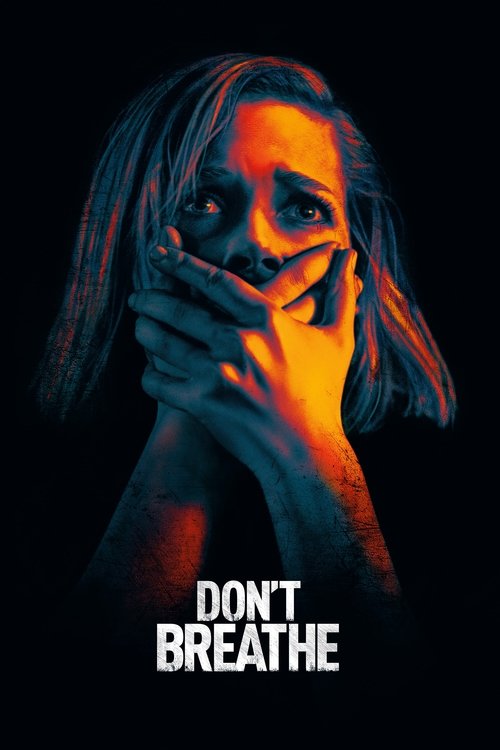
Don't Breathe flipped the predator and prey
Fede Alvarez trapped three young burglars inside a blind man's house, then revealed the victim as the real monster. The genius is spatial: a pitch-black basement where the sightless owner has the advantage, and the audience holds its breath alongside the intruders. It turned the home invasion inside out and made you root for no one.
On the page: home-invasion fiction


The timeline
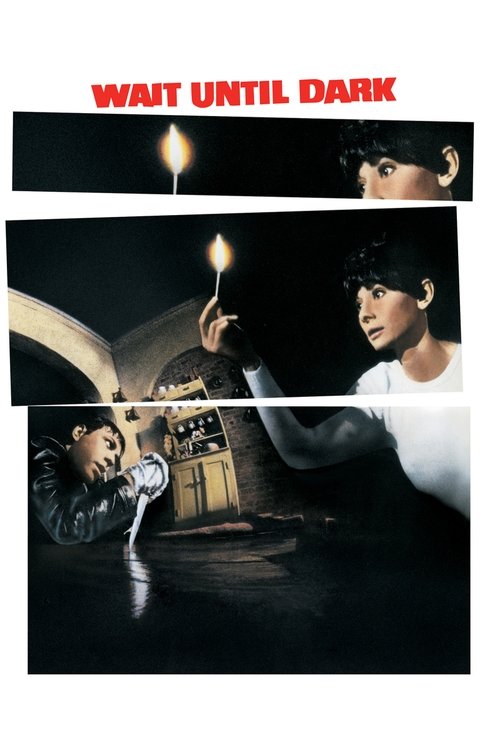
- 1967Wait Until Dark makes a blind woman the target Wait Until Dark
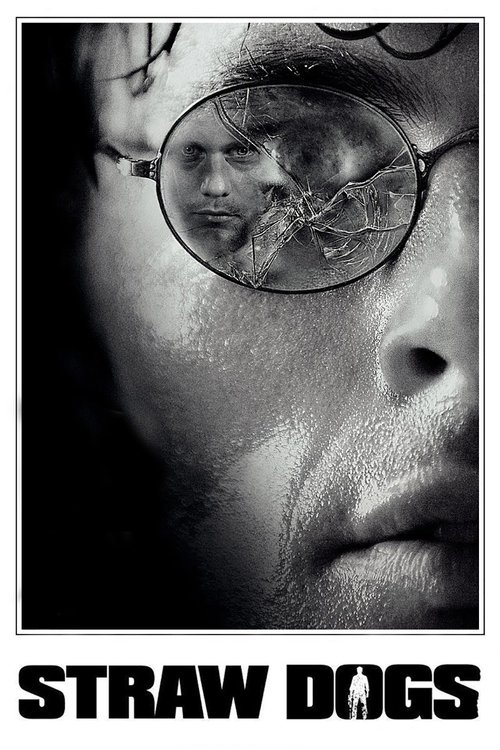
- 1971Straw Dogs turns the siege into moral reckoning Straw Dogs
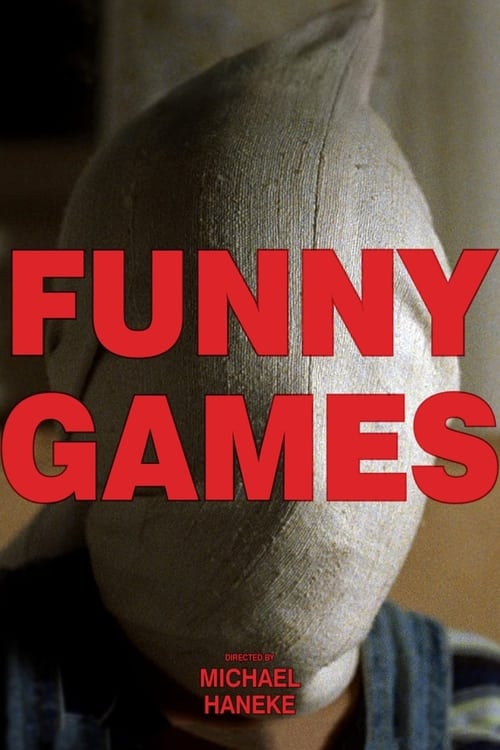
- 1997Funny Games attacks the audience itself Funny Games
- 2008The Strangers perfects the motiveless invasion The Strangers
- 2011You're Next reinvents the formula with a fighter inside You're Next
- 2016Don't Breathe and Hush revive the subgenre Don't Breathe
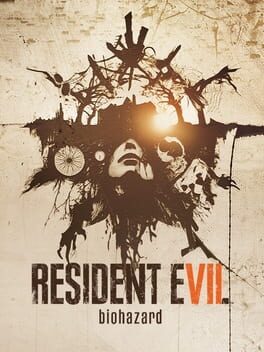
- 2017Resident Evil 7 brings home invasion to first-person horror Resident Evil 7: Biohazard
Hush made silence the whole battlefield
Mike Flanagan's lean thriller strands a deaf writer alone in the woods with a masked killer, and turns her silence into both her vulnerability and her weapon. With almost no dialogue, it becomes a pure game of cat and mouse across a single house and yard. Proof the subgenre can be elegant, humane, and unbearably tense all at once.
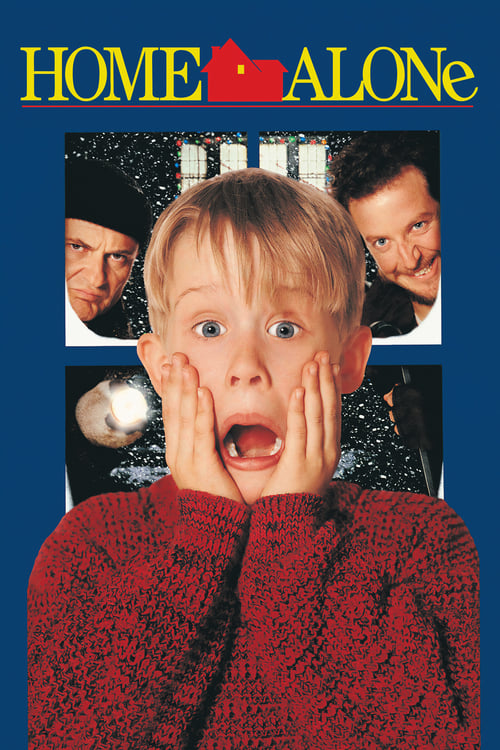
Home Alone is a home-invasion film in disguise
Strip away the Christmas cheer and Home Alone is the ultimate turn-the-tables home invasion: two burglars lay siege to a suburban house defended by a resourceful child and a arsenal of improvised traps. It is the fantasy flip side of the genre's nightmare, the dream that the person inside might win. No wonder it is the most beloved siege story ever made.
Keep exploring
Slashers
Explore the Slashers guide →Frequently asked
What is a home-invasion movie?
A home-invasion movie is a thriller or horror subgenre in which intruders break into a residence and terrorize the people inside, usually confining the action to a single location under siege. The threat is typically human rather than supernatural, which grounds the fear in everyday plausibility. Defining examples include The Strangers, Funny Games, You're Next, and Don't Breathe.
Why are home-invasion films so frightening?
They attack our deepest sense of safety. The home is meant to be sanctuary, so violating it triggers a primal dread, and because the threat is usually a realistic human intruder rather than a monster, the horror feels genuinely possible. The confined single-location setting also ratchets tension: there is nowhere to run, and every door and window becomes a potential breach.
Where should I start with home-invasion horror?
The Strangers (2008) is the definitive modern entry point for pure, motiveless dread. For clever reinventions, You're Next and Don't Breathe both twist the formula brilliantly, and Mike Flanagan's Hush is a lean, elegant standout. For the arthouse extreme, Michael Haneke's Funny Games is essential but confrontational. And Home Alone offers the genre's beloved comic mirror image.