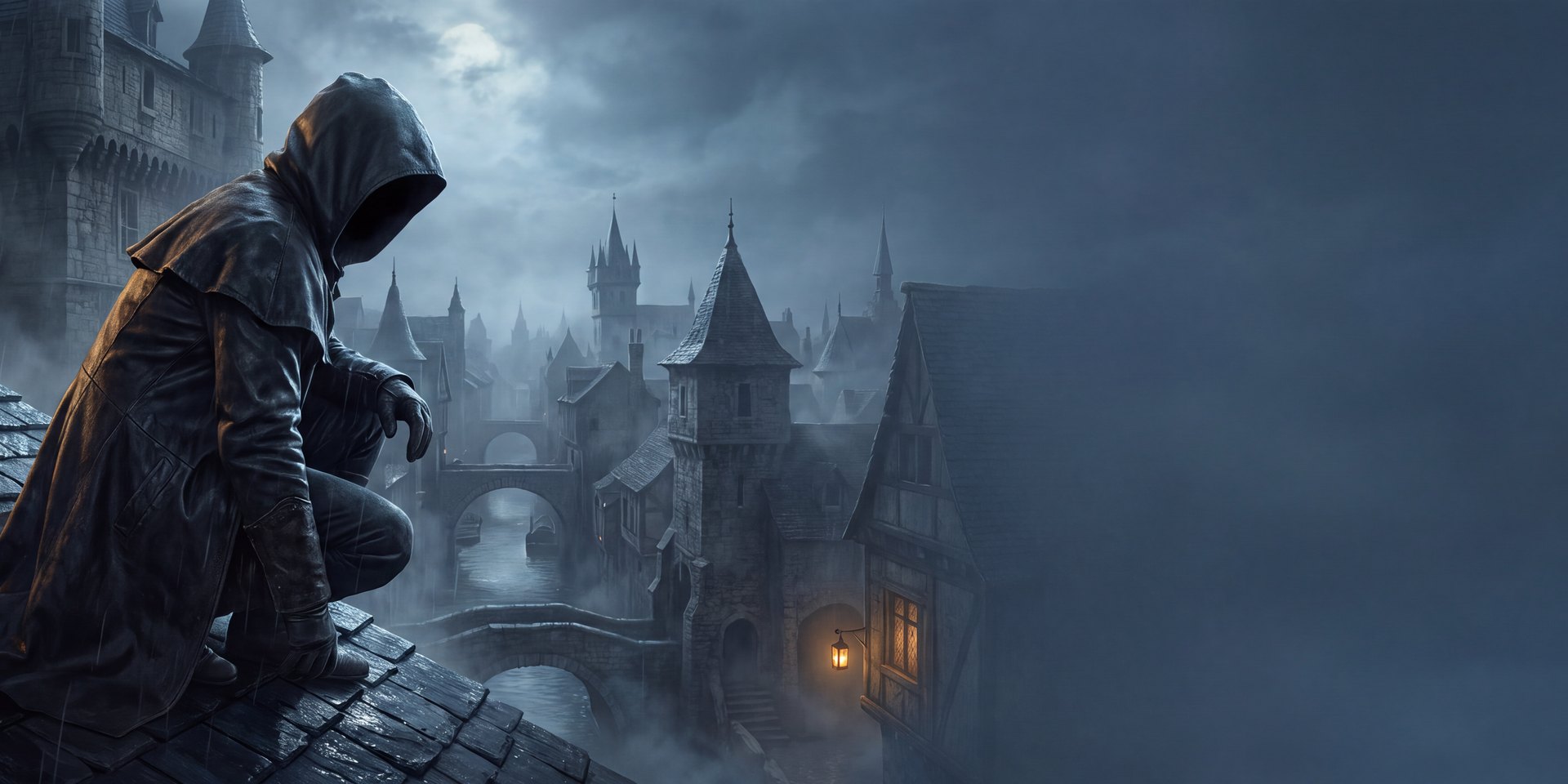

Every fantasy world has a guild the maps do not show. The thief is the genre's most useful hero: the outsider who knows the city from below, the professional whose whole skill is not being seen, the one you hire when the wizard and the knight have failed. Where the epic is about who deserves the throne, the heist is about who can get into the vault, and that is a more honest question. It runs on nerve, not birthright.
This is the guide to the shadow economy of imagined worlds. The con-artist crews and the master burglars, the phantom thieves who leave a calling card and the stealth games that taught a generation to love the dark. The assassin's apprentices, the reluctant burglars hired for a single job, and the endlessly retold outlaw of Sherwood who turned theft into justice.
The essential rogues
Start here: the master thieves and crews that define the genre






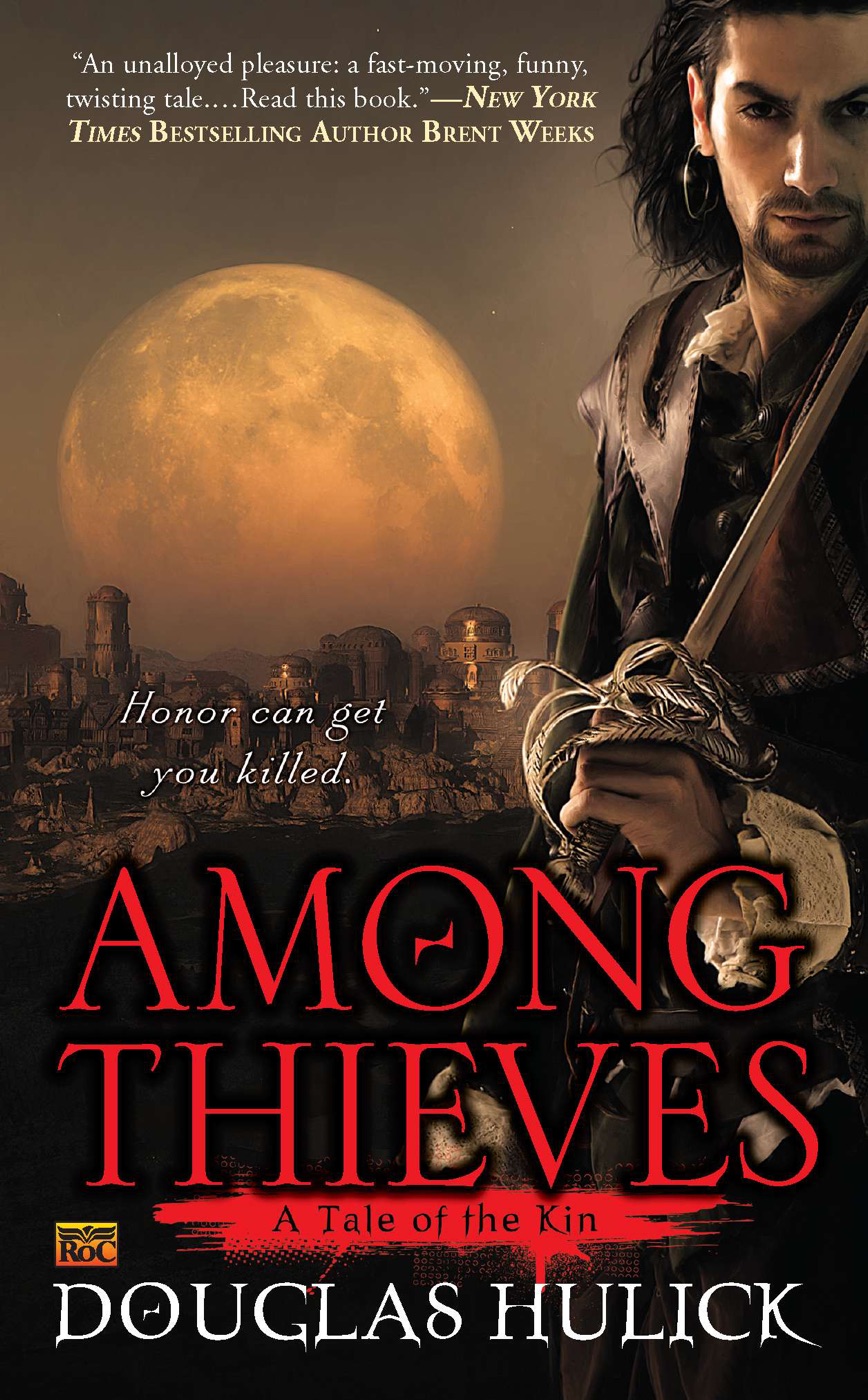
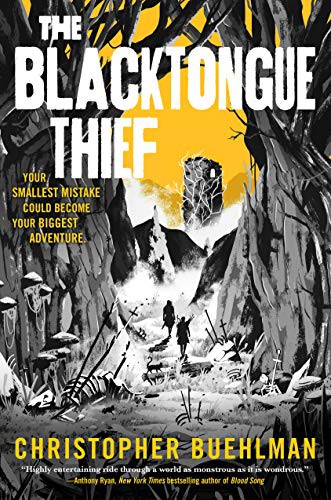
The Gentleman Bastard bookshelf
Scott Lynch's canal-city con men and the crime-fantasy they inspired






The Lies of Locke Lamora is the best heist novel ever written
Scott Lynch fused the twisty con-artistry of a great caper film with a rain-soaked fantasy city that feels genuinely lived in, then made you love a crew of liars enough that their losses actually hurt. The flashback-and-present structure lets every scheme pay off twice, once as a setup and once as a gut-punch, and Camorr's guilded corruption is as vivid as any city in fantasy. No heist novel since has matched its blend of wit, cruelty and heart, and the whole modern wave of crime-fantasy, Six of Crows included, is running downhill from it.
The stealth game, and the door Thief picked open
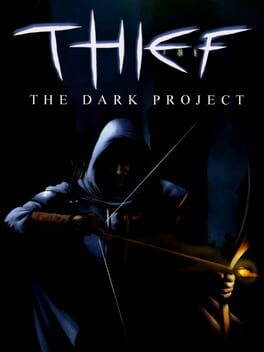
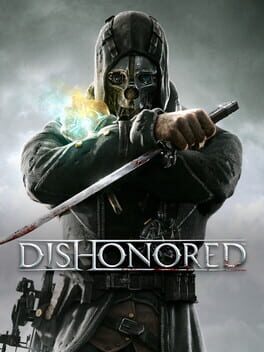
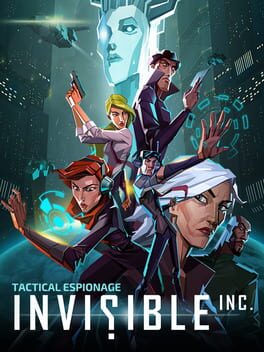
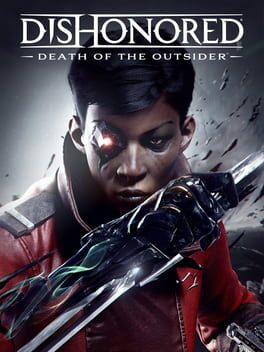
In 1998, while every other game was handing you a bigger gun, Looking Glass Studios crouched you in a pool of shadow and told you to listen. Thief: The Dark Project made light, sound and the player's own nerve into systems, and it argued that avoiding a fight is more thrilling than winning one. Everything that lets you plan your own way in, Dishonored, Styx, Gloomwood, Deus Ex, walked through the door Garrett picked open. It is the purest expression of the fantasy: you against the guards, and the guards do not even know you are there.
The stealth games
Sneak past the guards, snuff the lights, lift the loot unseen
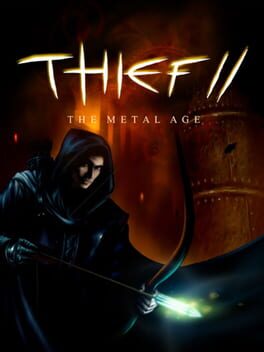
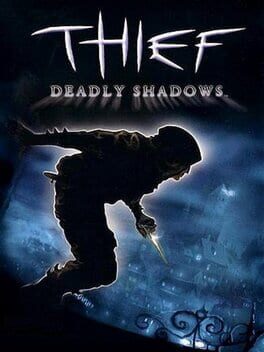
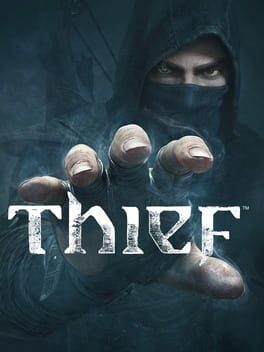
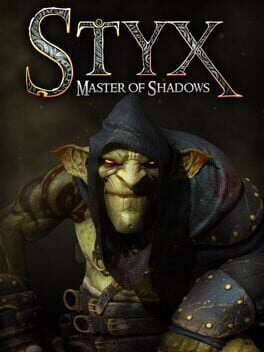
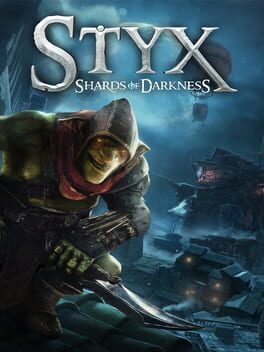


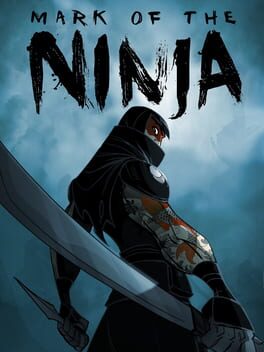
Thief invented the stealth immersive sim, and everything owes it a debt
Before Dishonored, before Deus Ex, before Gloomwood, there was Garrett crouched behind a pillar, watching a torch and counting a guard's footsteps. Thief: The Dark Project taught games that light and sound could be mechanics rather than scenery, that improvisation beats scripting, and that the most satisfying way through a level is the one the designers did not plan. Every stealth game that respects your intelligence, and half the great first-person games that followed, are standing on Looking Glass's shoulders. The blackjack and the water arrow built modern game design.
Thieves' guilds and crews
The organized underworld: syndicates, smuggler ships and one-last-job crews








The assassin's apprentice
Killing schools and the young blades trained in the quiet arts


The burglar nobody expected
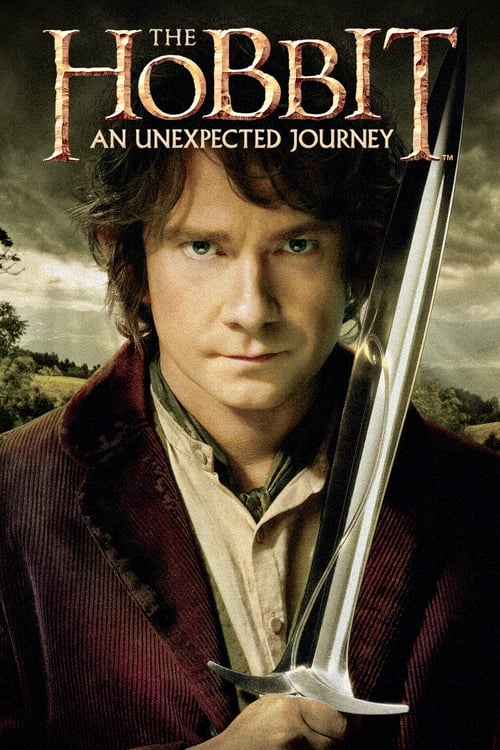
The most important thief in fantasy is a hobbit who did not want the job. Gandalf does not recruit Bilbo Baggins as a warrior or a mage; he signs him on as the company's burglar, and the entire quest for Erebor turns on a small person with quick hands and steady nerve creeping past a dragon to lift a cup. That reluctant, decent, professional thief is the ancestor of a hundred later rogues, from Aladdin's street rat to Jack Sparrow's endless double-crosses. Every good heist crew still has a Bilbo: the one who is better than they think they are.
Burglars and unlikely heroes
Reluctant thieves and street rats who steal their way to greatness







Persona 5 made the phantom thief cool again
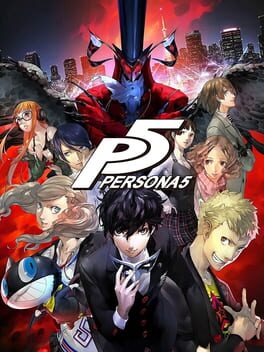
The phantom thief had settled into a nostalgic anime archetype, Lupin and Kaito Kid and Saint Tail leaving calling cards for decades, until Persona 5 rebuilt it into a statement. Masked outsiders stealing the corrupt hearts of the powerful, wrapped in the most stylish interface any game has ever worn, gave a whole generation a reason to want a codename and a calling card. It took the oldest trick in the genre, the thief as folk hero, and made it feel dangerous and current again. Take your heart, indeed.

Phantom thieves
The flamboyant, calling-card-leaving master thieves of anime and games






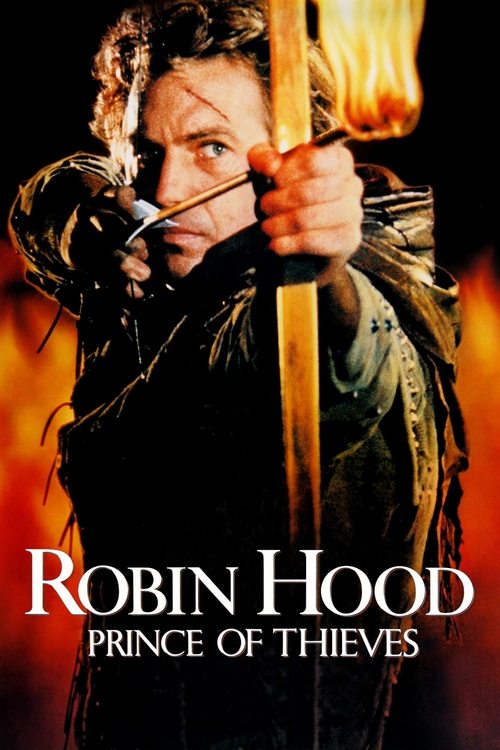
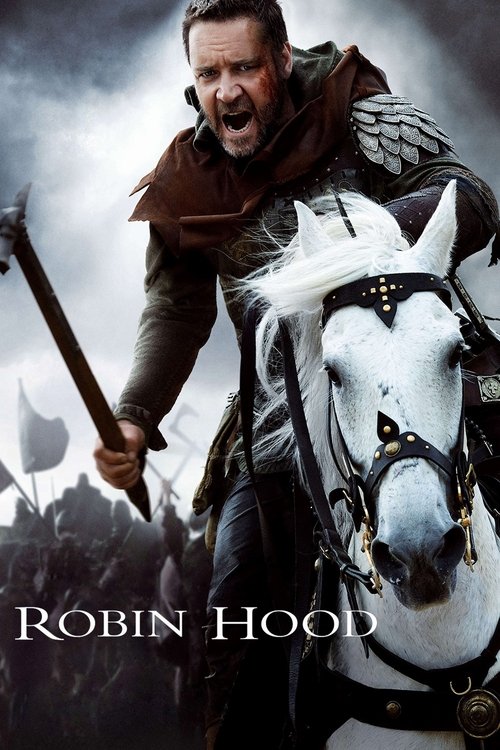
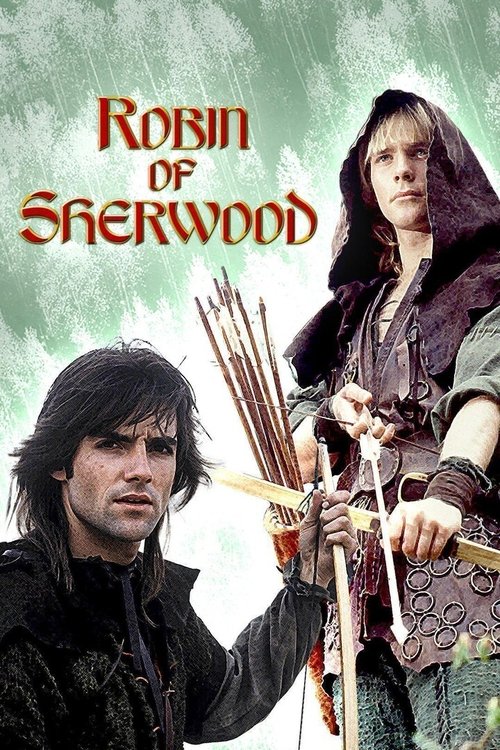
Robin Hood, endlessly retold
The original steal-from-the-rich outlaw across a century of screens




A hundred years of larceny
- 1924The silent swashbuckling thief is born The Thief of Bagdad
- 1937Bilbo is hired as the company's burglar The Hobbit
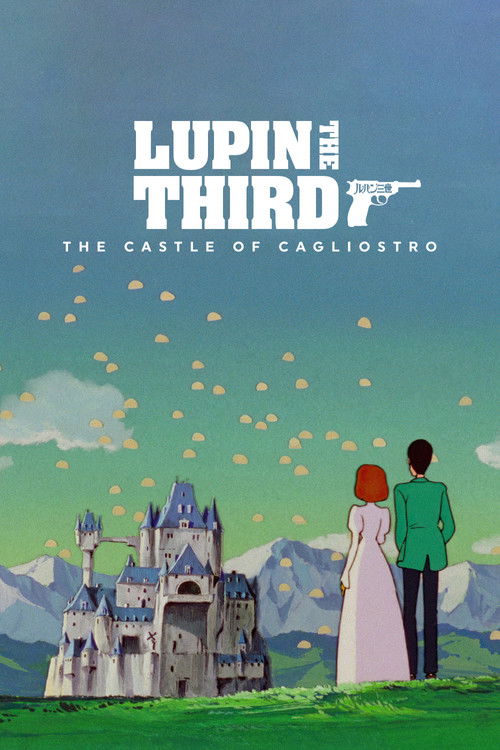
- 1971Anime's greatest gentleman thief debuts The Castle of Cagliostro
- 1983Fantasy noir gets its assassin crime boss Jhereg
- 1992Disney's street-rat thief charms a generation Aladdin
- 1995The assassin's apprentice reshapes the fantasy hero Assassin's Apprentice
- 1998Thief invents the stealth immersive sim Thief: The Dark Project
- 2002The master-thief platformer arrives Sly Cooper and the Thievius Raccoonus
- 2006The Gentleman Bastards redefine the heist novel The Lies of Locke Lamora
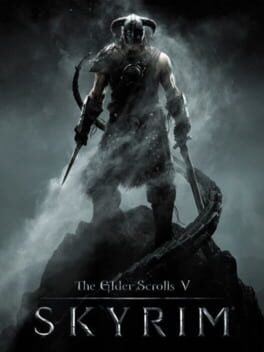
- 2011An open-world Thieves Guild for millions The Elder Scrolls V: Skyrim
- 2012Supernatural assassin stealth reborn Dishonored
- 2015The YA heist crew takes over the bookshelves Six of Crows
- 2016The Phantom Thieves make larceny stylish again Persona 5
- 2022A survival-horror love letter revives Thief Gloomwood
The immersive-sim lineage
Thief's DNA runs through every game that lets you plan, sneak and improvise
Gandalf did not hire Bilbo as a warrior or a mage. He hired him as a burglar, and every good heist crew has had a Bilbo ever since.
Into the fantasy underworld
The gutters, black markets and shadow economies of imagined cities


The Queen's Thief and the young rogues
YA and coming-of-age heists led by clever, larcenous heroes


Con artists, tricksters and shadow-blades
No sword needed, and the silent killers who need only one




The fence's contacts
The authors and designers of the fantasy underworld
More trouble to get into
Academies of Magic: The Complete Guide to Magic Schools
Explore the Academies of Magic: The Complete Guide to Magic Schools guide →Frequently asked
I'm new to thief fantasy. Where should I start?
For books, The Lies of Locke Lamora and Six of Crows are the two modern gateways, both crew-heist stories with sharp banter and real stakes. For games, Thief: The Dark Project is the foundational classic and Dishonored is the most approachable modern entry. For screens, start with Lupin the Third: The Castle of Cagliostro or the animated Carmen Sandiego.
What is the single best thieves' guild story?
It depends on your medium. In books, Mistborn's crew and the Gentleman Bastards are the standard-bearers for organized thievery with a cause, while Six of Crows is the definitive crew-on-one-last-job novel. In games, Skyrim's Thieves Guild questline is the most-played. They all share one joy: a found family of specialists pulling off the impossible.
Which stealth game should I play first?
If you want the pure classic, Thief II: The Metal Age is peak first-person burglary. If you want a modern, forgiving entry with supernatural powers, Dishonored is the best on-ramp. Mark of the Ninja is the finest 2D stealth game, and Gloomwood is the loving throwback for players who want Thief's exact texture updated.
Is Robin Hood really a thief, or a hero?
Both, which is the whole point of the archetype. Robin Hood steals from the rich to give to the poor, making theft an act of justice, and that morally loaded burglar is the ancestor of nearly every likable rogue here, from Aladdin to Carmen Sandiego to the Phantom Thieves of Persona 5.
Are there great anime about thieves?
Yes, it is one of anime's favorite archetypes. Lupin the Third is the gold standard master thief, Great Pretender is a gorgeous con-artist series, and the phantom-thief tradition runs through Cat's Eye, Saint Tail, D.N.Angel and Magic Kaito. Arcane gives you the grimy underworld side of the genre.
What's the difference between this and heist movies like Ocean's Eleven?
This guide is deliberately fantasy, sci-fi and stylized adventure only: thieves' guilds, master burglars in imagined cities, magical assassins and phantom thieves. Real-world crime heists like Ocean's Eleven and Heat belong to a separate crime guide. If it has a djinn, a dragon, an airship or a magic lockpick, it is here.