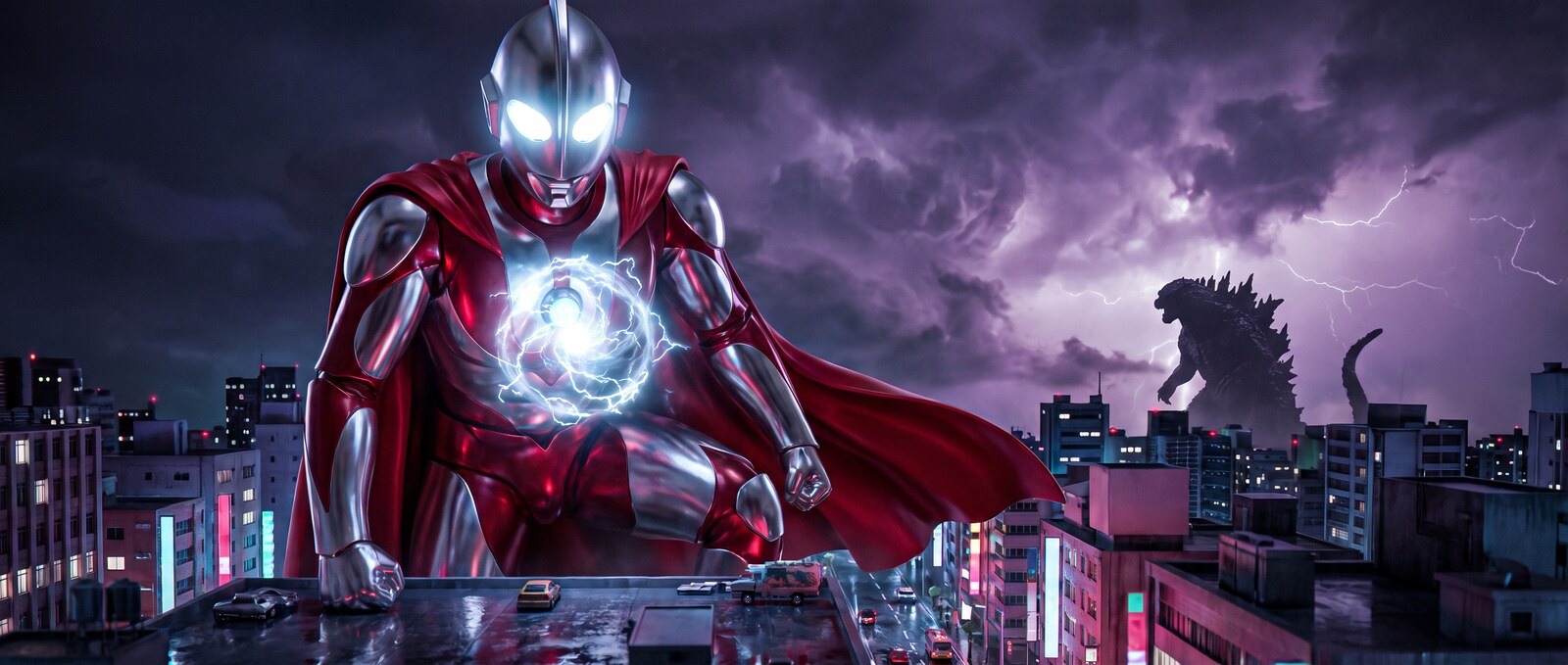

Tokusatsu means special filming, and for seventy years it has been Japan's great live-action fantasy tradition: practical suits, miniature cities and pyrotechnic spectacle in service of giant heroes and even bigger monsters. Eiji Tsuburaya's effects on Godzilla in 1954 built the toolkit, Ultraman turned the giant hero into a genre, and Shotaro Ishinomori's Kamen Rider and Super Sentai gave the world the transforming hero and the color-coded team, the latter reborn in the West as Power Rangers.
This is the complete guide across every medium: the Ultra series, the many eras of Kamen Rider, Super Sentai and Power Rangers, the kaiju, Hideaki Anno's Shin reinventions, the darker adult tokusatsu, the metal-hero classics, the games and the manga.
The essential tokusatsu



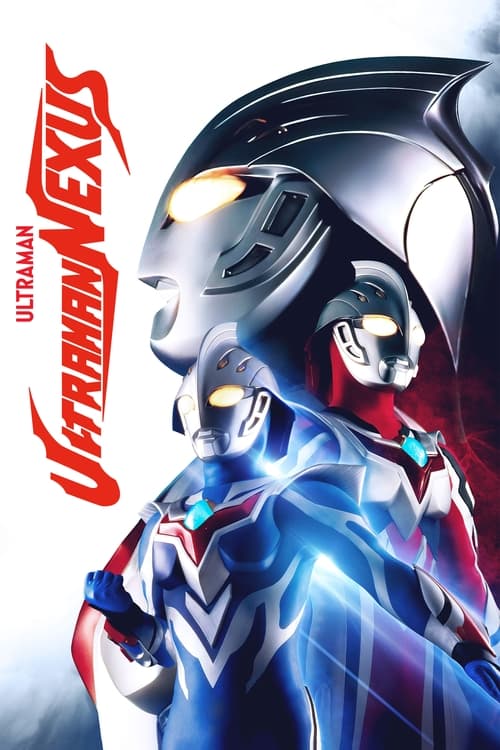
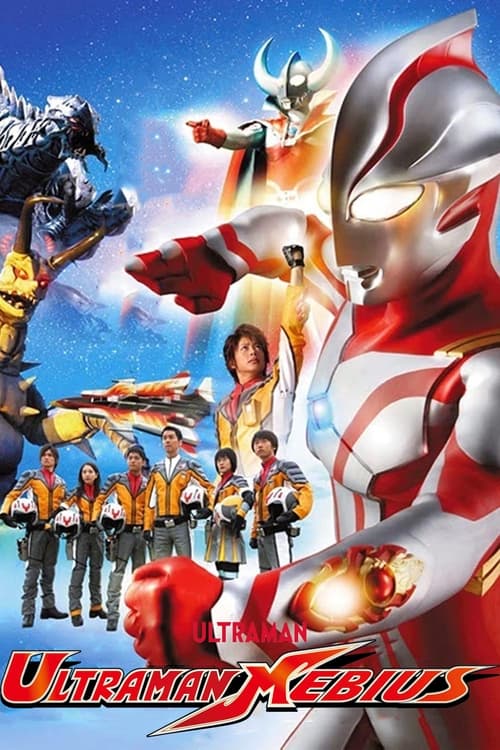
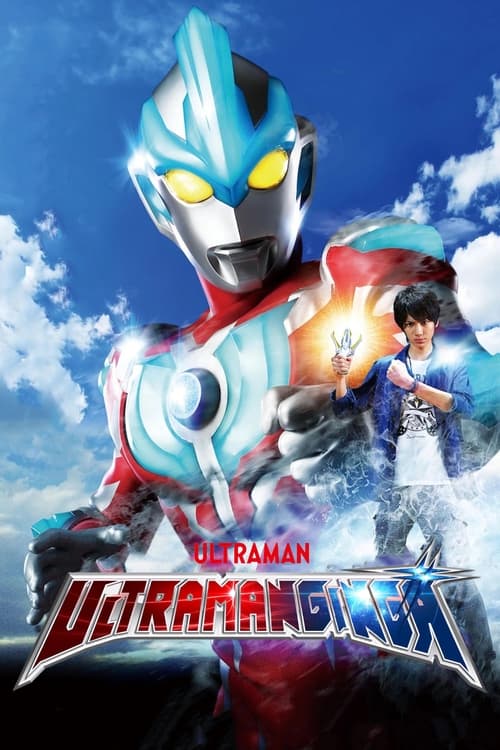
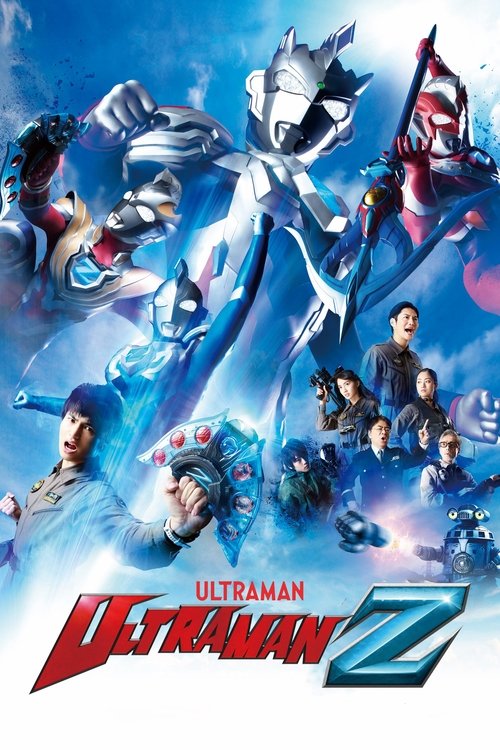
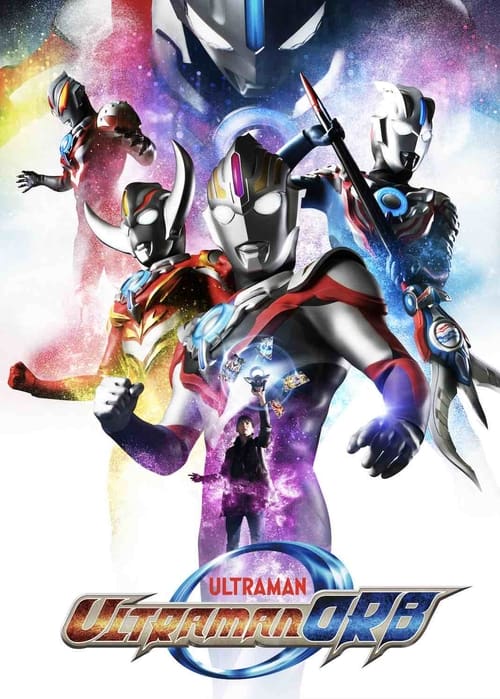
The Ultra series
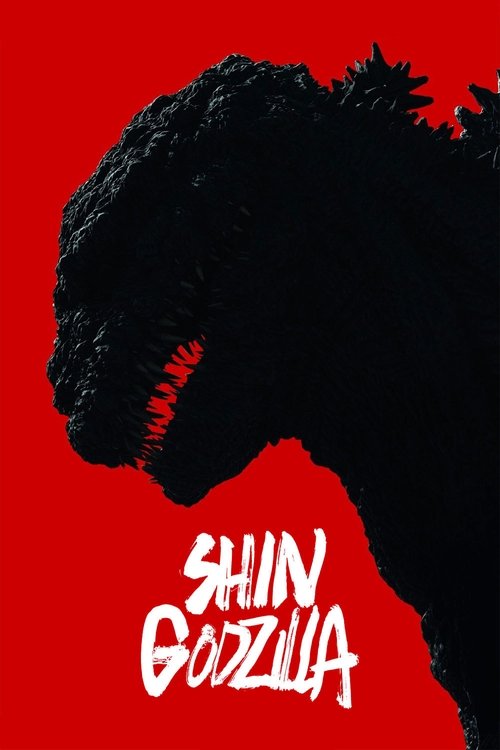
Shin Godzilla is the best kaiju film in fifty years
Hideaki Anno and Shinji Higuchi rebuilt Godzilla as a horrifying force of nature and a savage satire of bureaucracy, following not soldiers or scientists but the endless committee meetings of a government too paralysed to act. The creature's grotesque, evolving design is the scariest Godzilla has ever been, and the film's real monster is institutional inertia. It proved the oldest kaiju could still be the most frightening thing on screen.
Kamen Rider through the ages

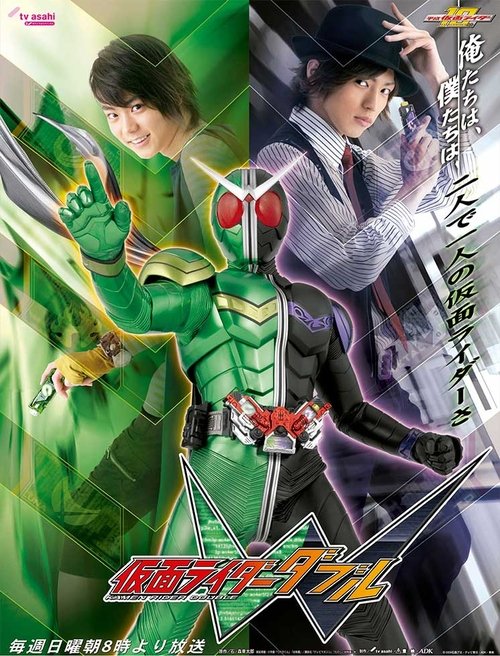
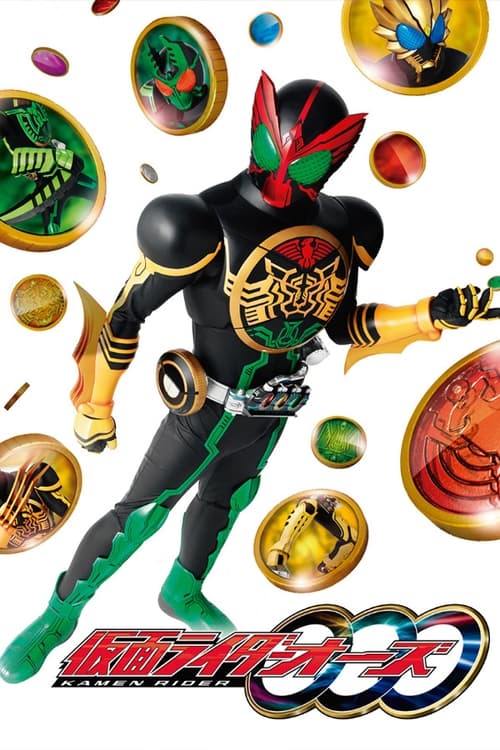

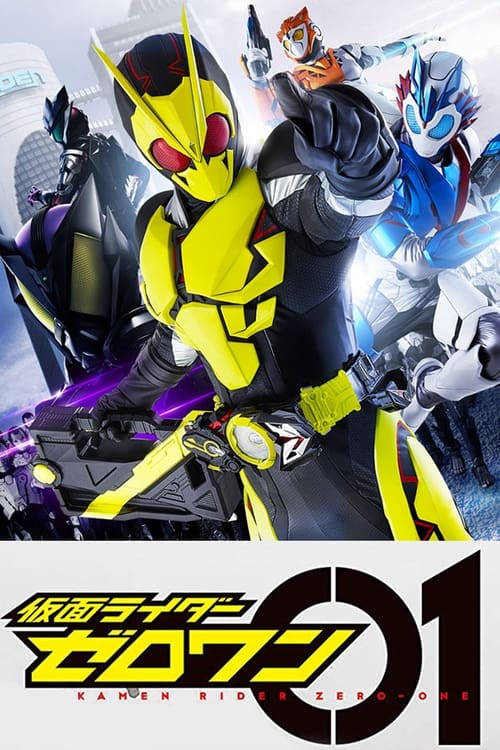
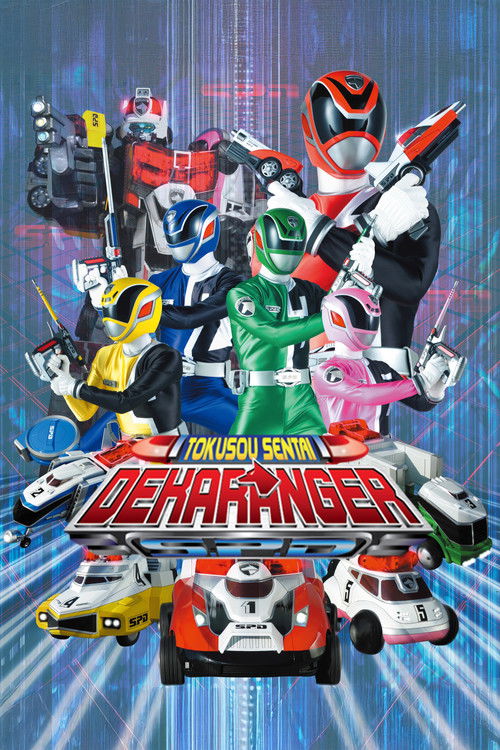
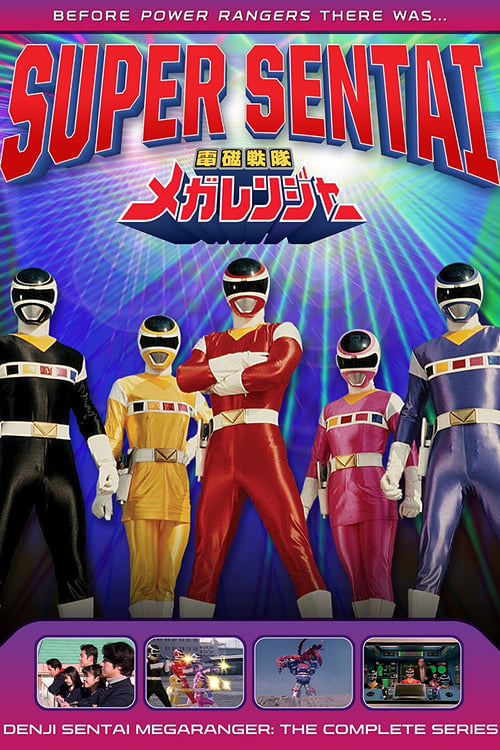
Super Sentai and Power Rangers
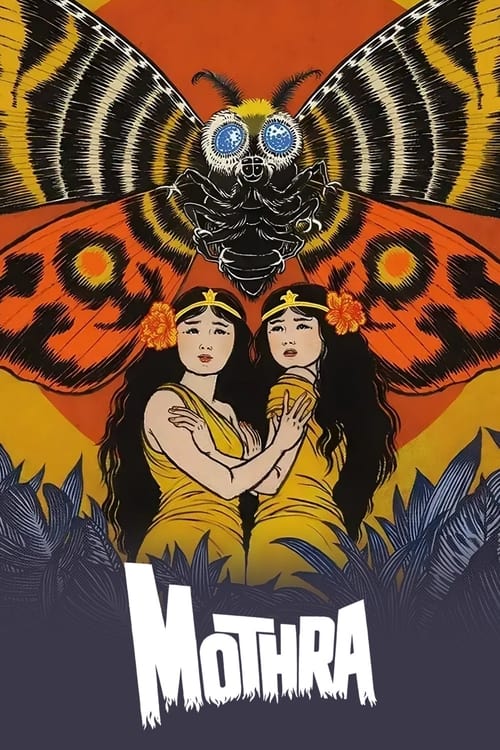
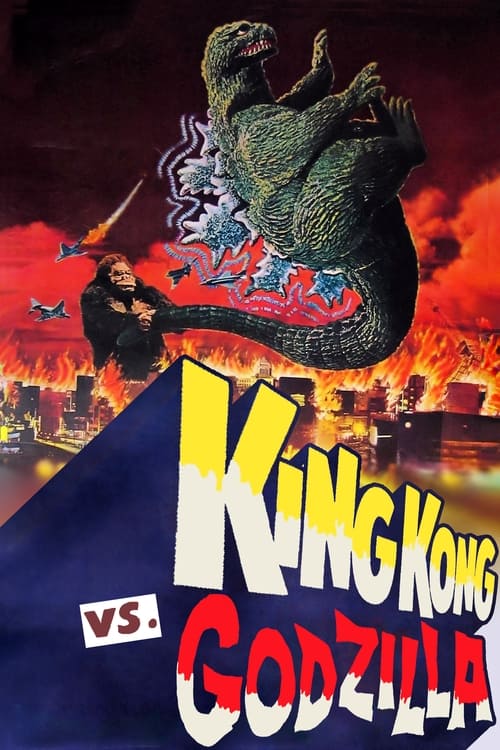
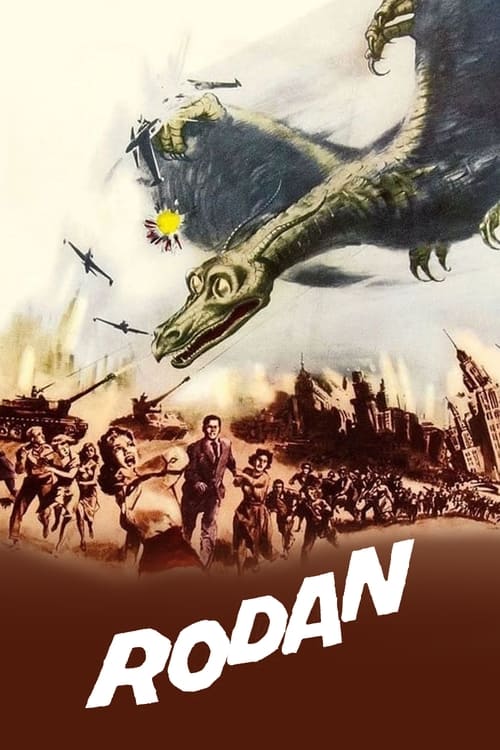
The kaiju of tokusatsu
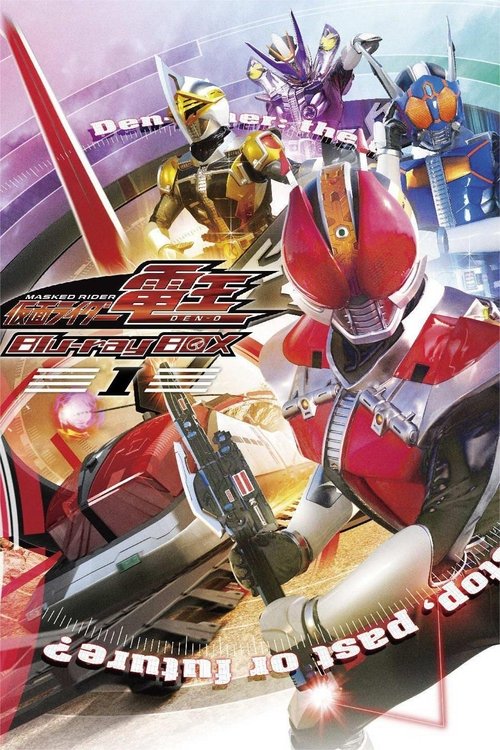
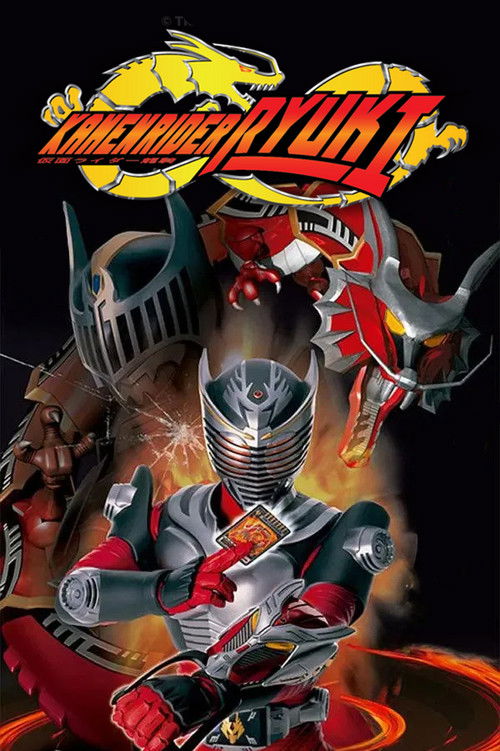
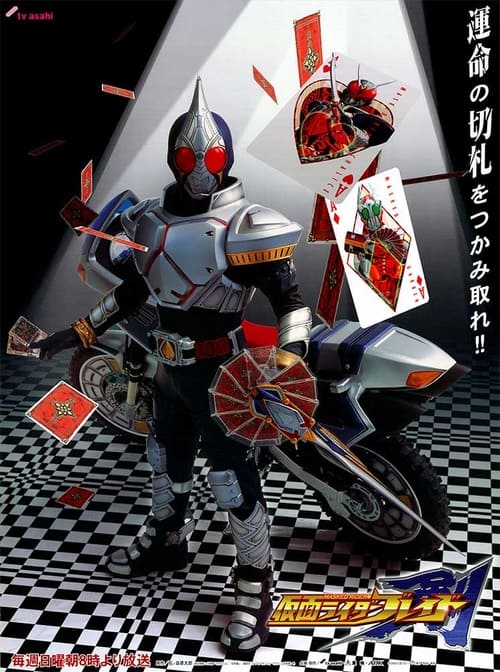
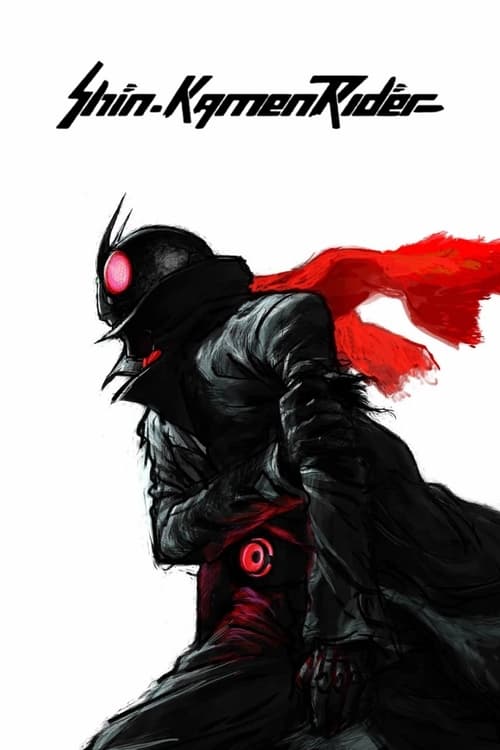
Kamen Rider is the most reinventable hero in fiction
Since 1971, Shotaro Ishinomori's masked, insect-eyed rider has been reborn for every generation, each series a completely new hero, world and gimmick under one enduring silhouette. It has been a tragedy about cyborg soldiers, a detective buddy story, a war over magic fruit and a fable about artificial intelligence. No other franchise rebuilds itself this radically, this often, while staying unmistakably itself.
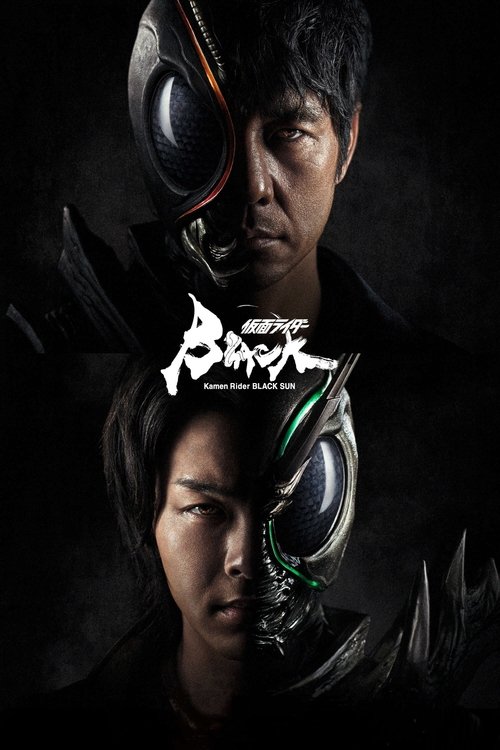
Dark and adult tokusatsu


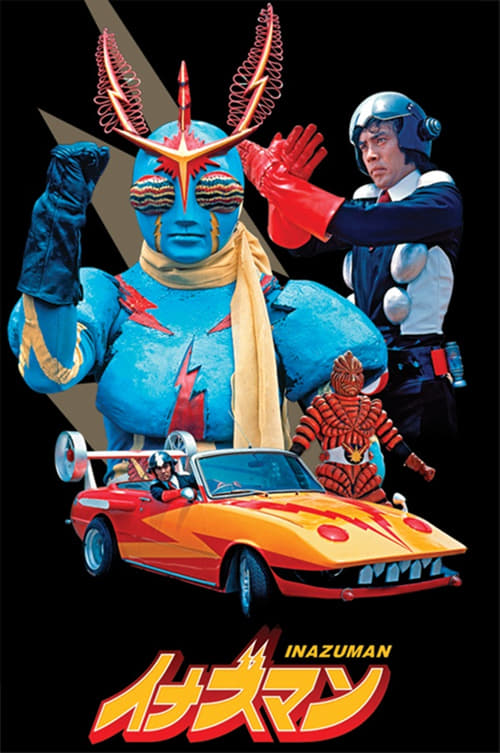
Metal heroes and the classics


The timeline
- 1954Ishiro Honda and Eiji Tsuburaya's Godzilla invents the kaiju film and the tokusatsu toolkit. Godzilla
- 1966Ultraman launches the giant-hero genre and its miniature-city spectacle. Ultraman
- 1971Shotaro Ishinomori's Kamen Rider debuts the transforming masked hero. Kamen Rider
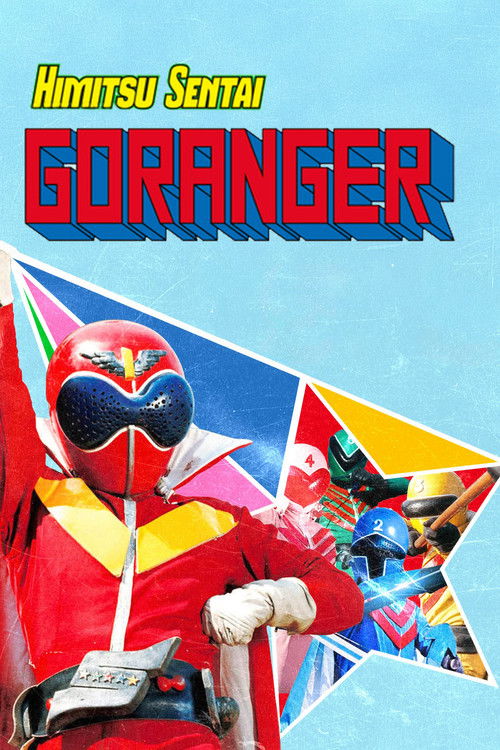
- 1975Himitsu Sentai Gorenger begins the Super Sentai team-hero tradition. Himitsu Sentai Gorenger
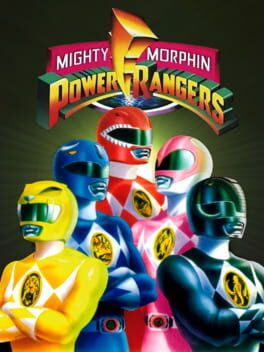
- 1993Mighty Morphin Power Rangers adapts Super Sentai and conquers the West. Mighty Morphin Power Rangers
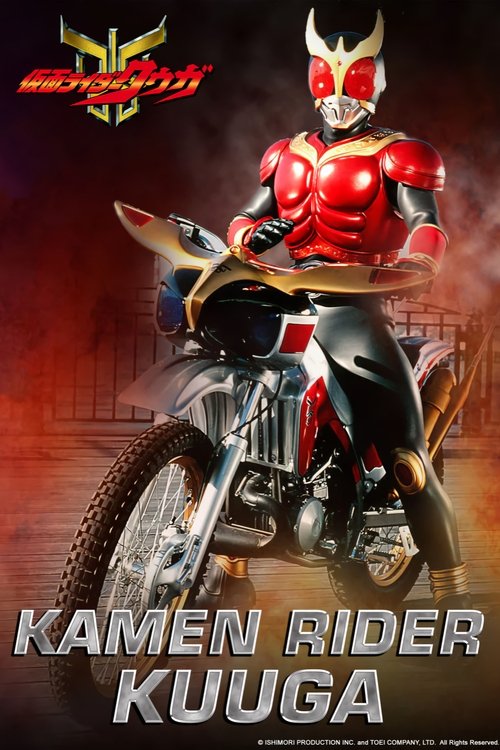
- 2000Kamen Rider Kuuga reboots and modernizes the masked-rider franchise. Kamen Rider Kuuga
- 2005Keita Amemiya's Garo brings adult, cinematic ambition to tokusatsu. GARO
- 2016Hideaki Anno's Shin Godzilla reinvents kaiju cinema as political thriller. Shin Godzilla
- 2022Shin Ultraman and Shin Kamen Rider complete Anno's homage trilogy. Shin Ultraman
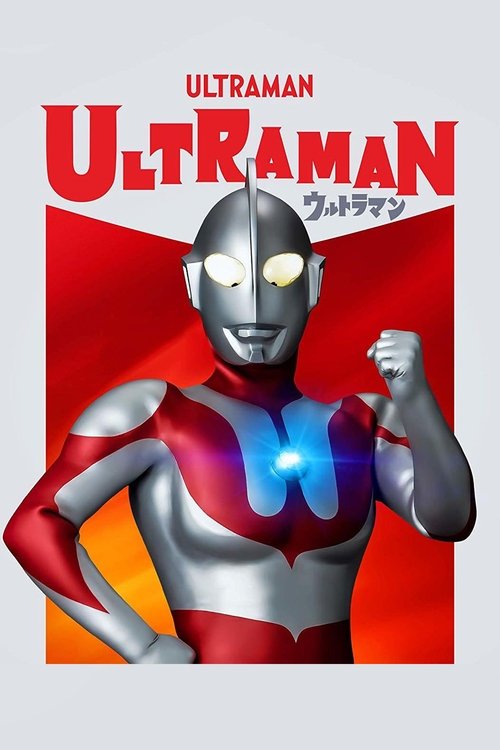
Ultraman is the blueprint every giant hero copies
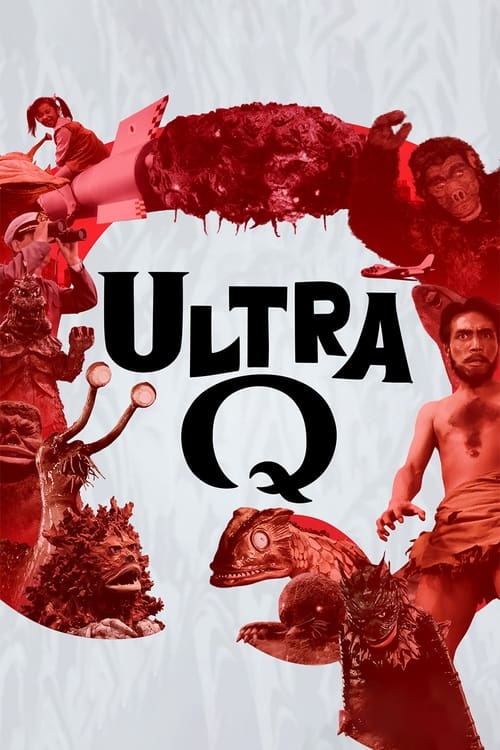
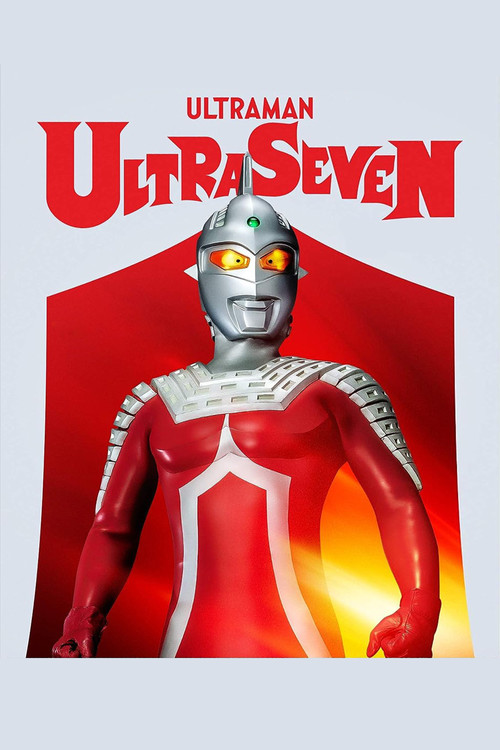
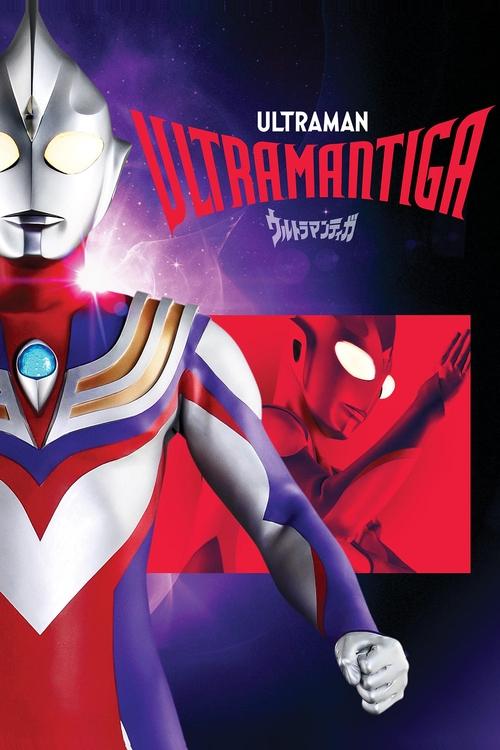
When a giant of light descended to fight monsters in 1966, Eiji Tsuburaya invented a genre. The three-minute time limit, the color timer, the giant-versus-kaiju duel over a miniature city: these became the grammar of the giant hero everywhere, and the Ultra series has never stopped running. Shin Ultraman proved the sixty-year-old design still carries a genuine sense of awe.
Garo showed tokusatsu could be adult, cinematic and gorgeous
Keita Amemiya's late-night saga of a golden-armored knight hunting demons is tokusatsu for grown-ups: genuinely dark, beautifully designed, and shot with a horror filmmaker's eye. It broke the assumption that the genre was only for children's toy commercials, and its lavish CG-and-practical armor set a new bar for how striking a Japanese hero show could look.
The makers of the genre
Keep exploring
Kaiju & Giant Monsters
Explore the Kaiju & Giant Monsters guide →Frequently asked
What is tokusatsu?
Tokusatsu (literally special filming) is a Japanese genre of live-action film and television that relies heavily on practical special effects: actors in monster or hero suits, miniature sets and pyrotechnics. It encompasses kaiju films like Godzilla, giant-hero shows like Ultraman, and transforming-hero franchises like Kamen Rider and Super Sentai (known in the West as Power Rangers).
What is the difference between tokusatsu and anime?
Anime is Japanese animation; tokusatsu is Japanese live-action special-effects entertainment. They share themes, fandoms and creators, but tokusatsu uses real actors, suits and miniatures rather than drawn or computer animation. Many franchises exist in both forms, and shows like Ultraman have been made as both tokusatsu and anime.
Is Godzilla tokusatsu?
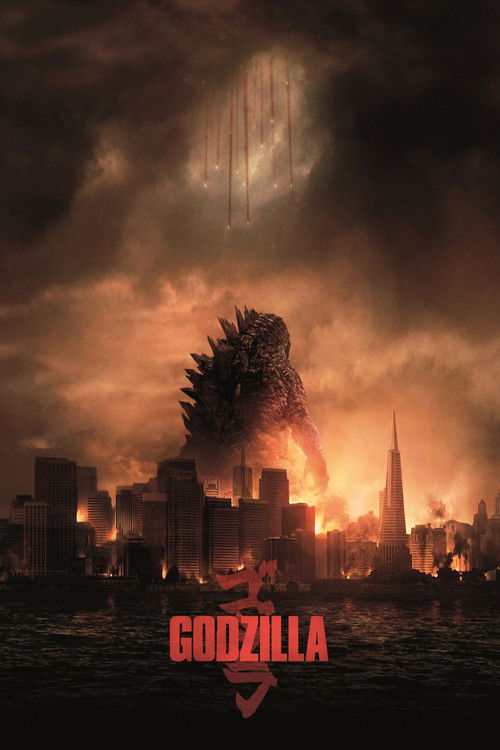
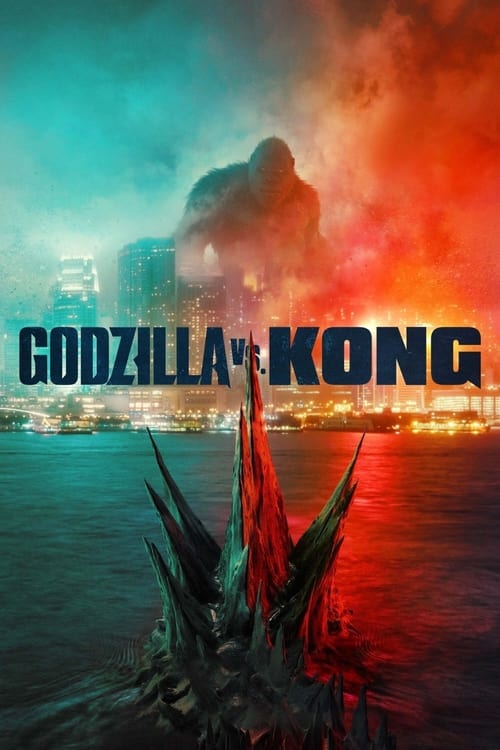
Yes. The original 1954 Godzilla, with a performer in a suit destroying miniature cities, is one of the foundational works of tokusatsu, and Eiji Tsuburaya's effects work on it helped define the whole tradition. Later Hollywood Godzilla films use CGI and sit outside the strict tokusatsu tradition, though they descend directly from it.
Where should I start with tokusatsu?
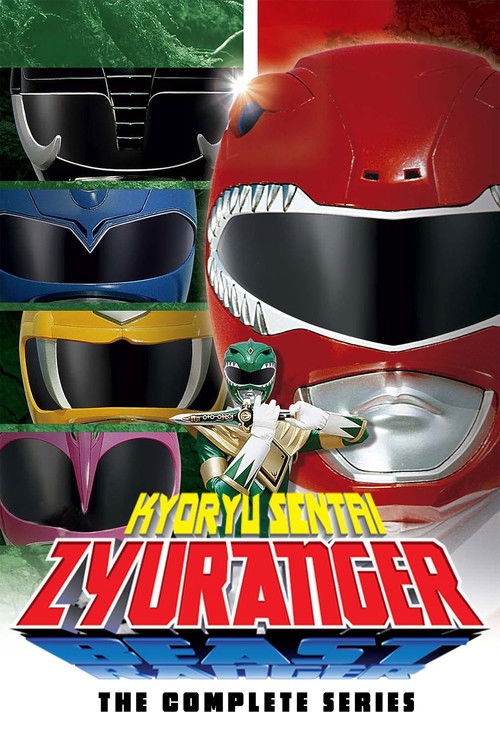
For kaiju, the original Godzilla (1954) and Shin Godzilla. For giant heroes, the original Ultraman or Shin Ultraman. For transforming heroes, Kamen Rider Kuuga or Kamen Rider W. For a team show, Mighty Morphin Power Rangers or its source, Zyuranger. For adult, cinematic tokusatsu, Garo.