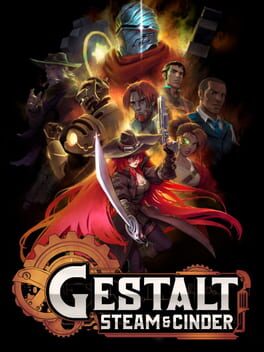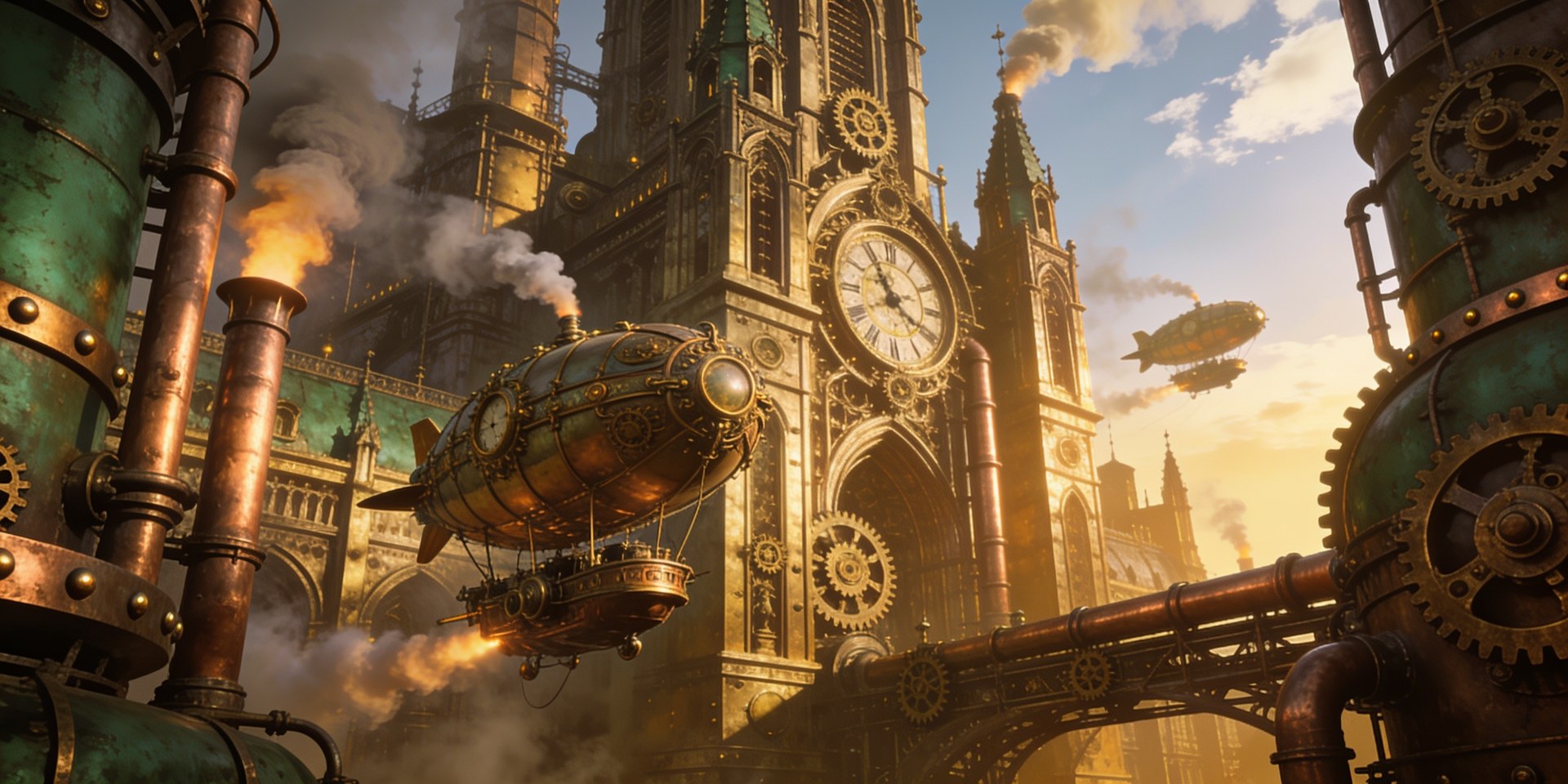

Steampunk is a bet about the past: what if the age of coal and empire had also been the age of computation, of airships, of automata that could think? The genre takes the Victorian century and asks it to outrun itself. The result is an aesthetic as distinctive as any in popular culture: copper pipe and clockwork, gaslit streets and steam-powered juggernauts, the formal manners of the 1880s pressed up against technology that should not exist for another hundred years.
But steampunk has always been more than a costume. At its best, it uses that anachronism to ask hard questions about the industrial era's actual sins: colonialism, class, the treatment of labor. The gear-and-goggles surface lets writers and game designers sneak those questions past the reader's defenses. The best steampunk stories are about who gets to control the machines and who gets ground up by them.
Essential steampunk
The canon, across every screen and page

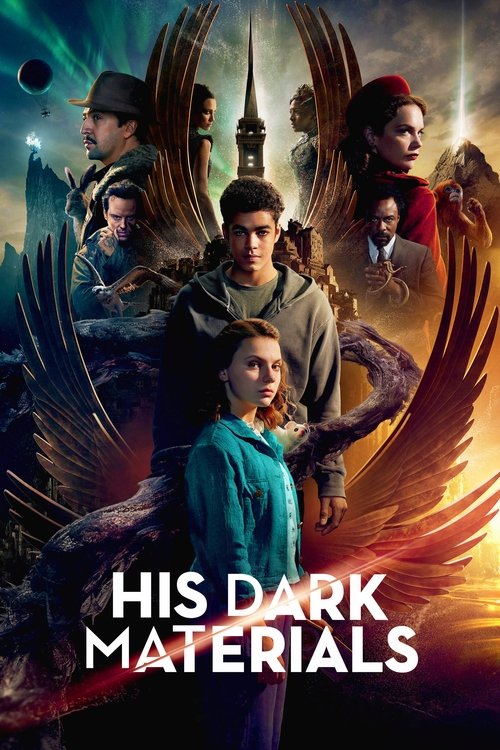
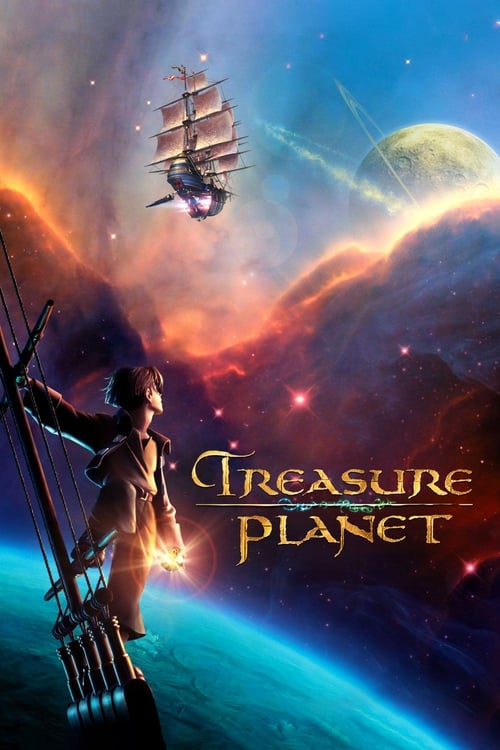
Arcane is the steampunk series everyone was waiting for
For decades the genre had a television problem. Big-budget prestige TV kept reaching for Victorian settings or retrofuturism and pulling back before it committed. Arcane just committed. Riot Games' adaptation of League of Legends built Piltover and Zaun as a city that lives and breathes the genre's central tension: the gleaming, steam-powered prosperity of the upper city resting on the literal and political bedrock of the undercity below. The show earns its politics in every frame of animation. Jinx's arc is steampunk at its most visceral, a story about what the machine age leaves behind in human terms.
Steampunk on film
From Miyazaki's skies to Victorian London's fog
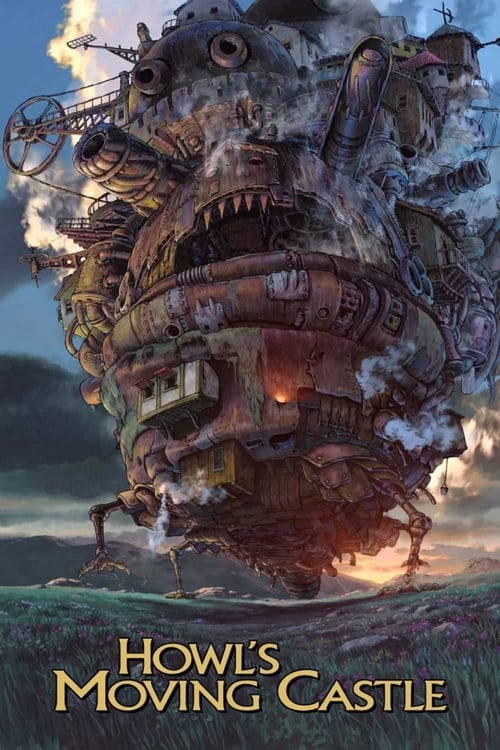
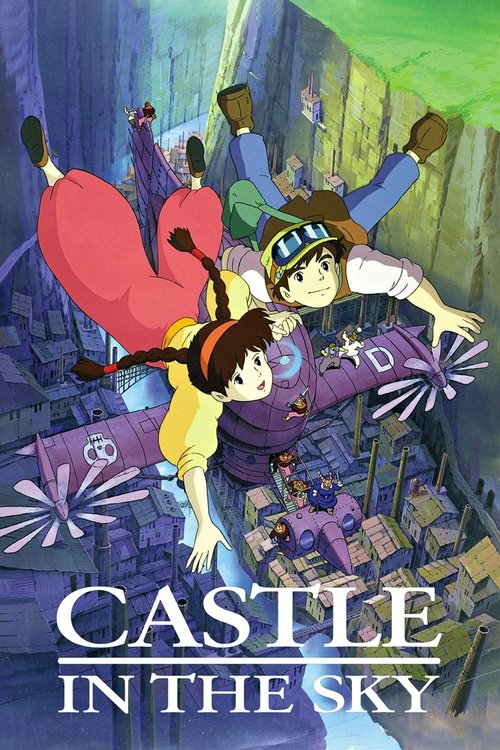
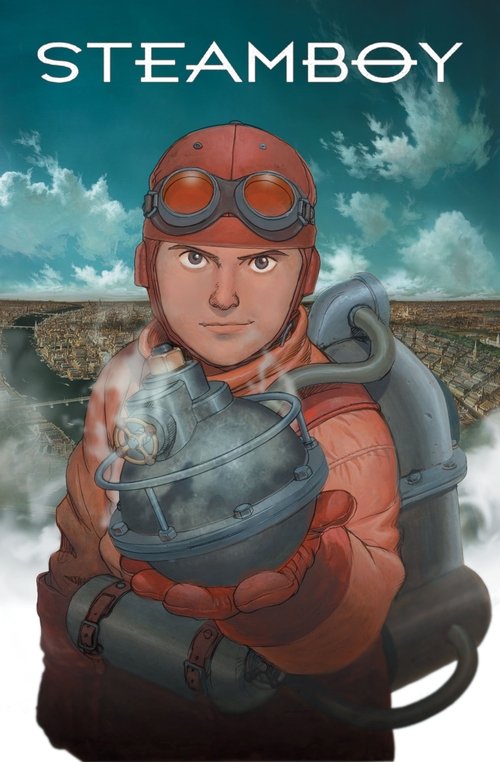
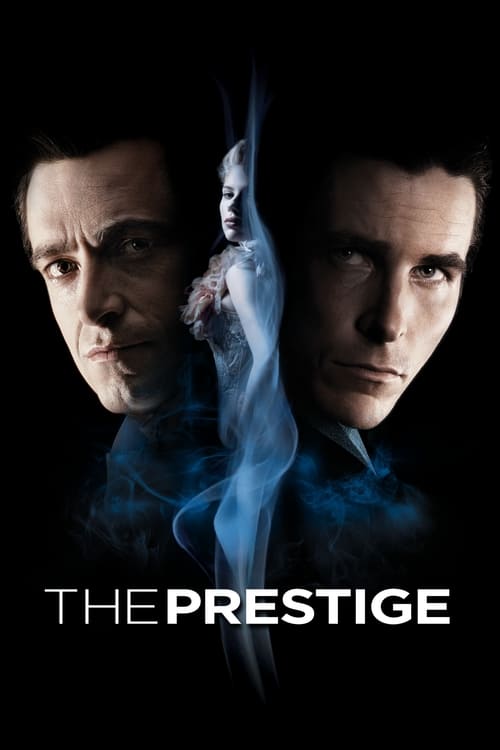
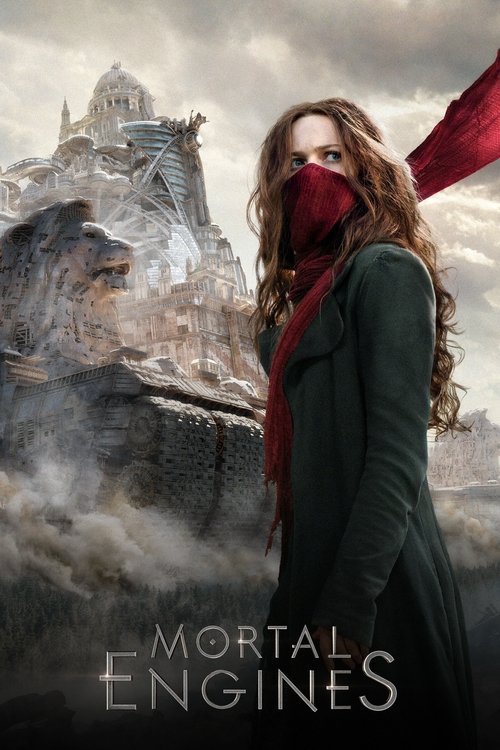
Miyazaki invented a steampunk grammar
Before the word steampunk had entered common use, Hayao Miyazaki was already making the films that defined it. Castle in the Sky (1986) gave us airships and ancient robots and a world where the past's technology had outlasted the civilization that built it. Howl's Moving Castle pushed further: Howl's contraption, lurching across the countryside on jointed legs, burning coal and running on magic in equal measure, is still the most purely cinematic steampunk image ever put on screen. Miyazaki never called what he made steampunk. He just drew it, and the genre crystallized around the drawings.
Victorian shadows
Detectives, monsters and dark London
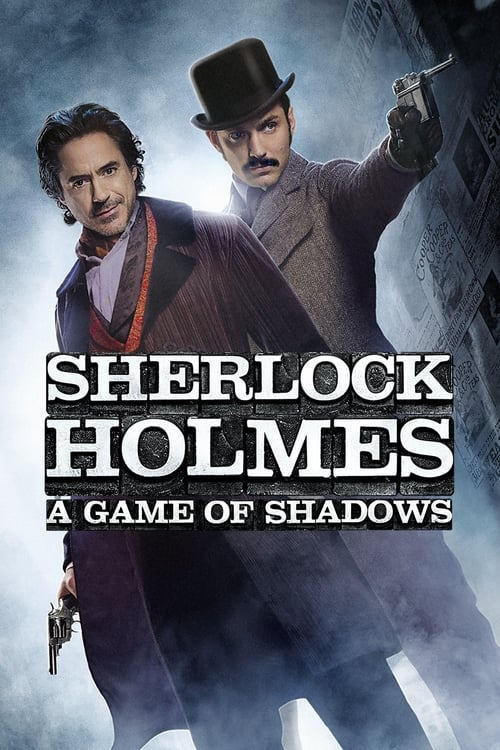
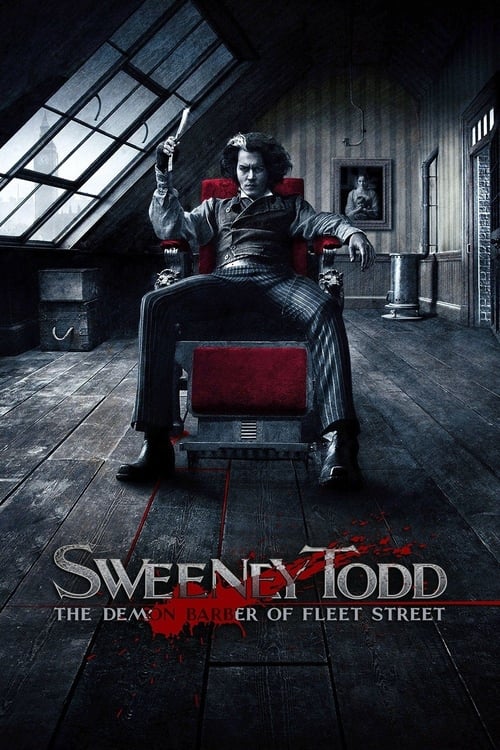

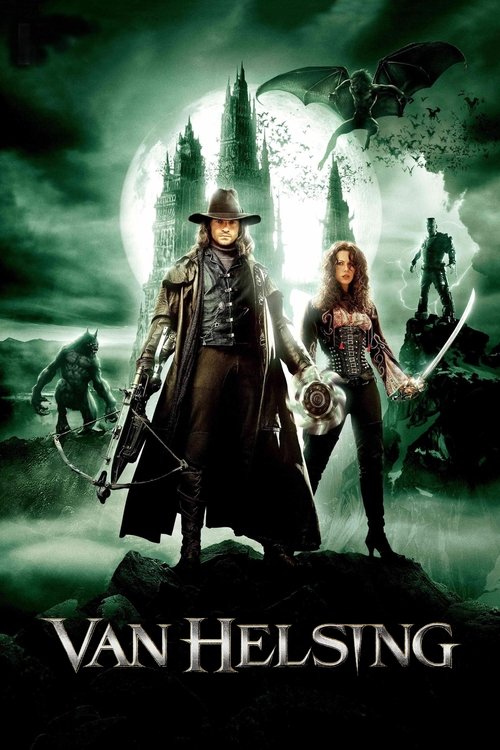
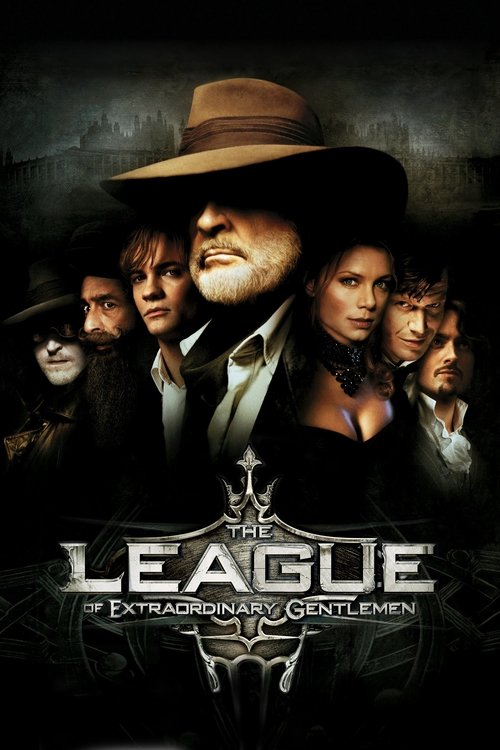

Dishonored is the genre's best game, and it knows why the politics matter
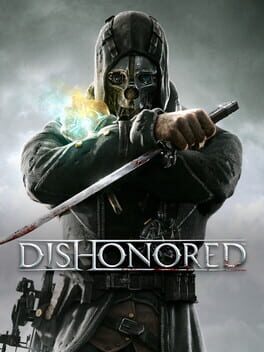
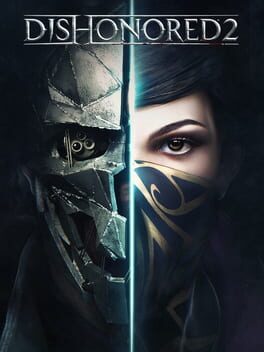
There is no shortage of steampunk games that love the aesthetic and ignore what the aesthetic is about. Dishonored is not one of them. Dunwall is a whaling city running on whale oil, the empire is built on extraction, and the plague that is killing the poor while the aristocracy holds parties is not an accident. Arkane's masterstroke is making you a weapon of the state who can choose, mission by mission, how much violence that state deserves. Play it as a ghost, touching nothing, and you are complicit through passivity. Play it as a blade, and you are something else. The high-chaos ending has something to say about revolutions. The low-chaos ending has something to say about reform. Few games earn their politics this thoroughly.
Steampunk to play
Cities of brass, cities of smoke, and the choice of how to move through them
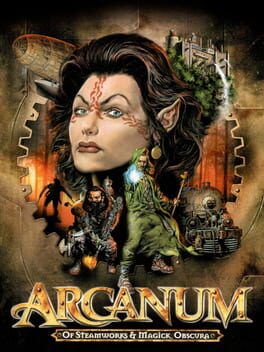
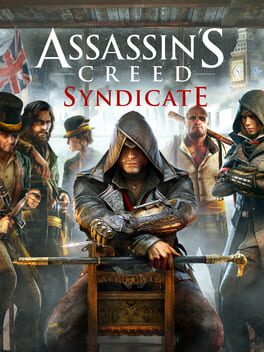

The Sunless games understand that the underground is steampunk's true setting
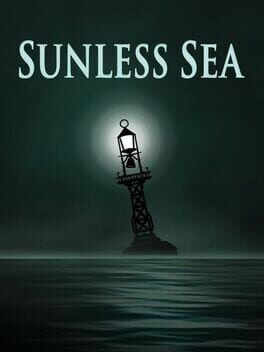
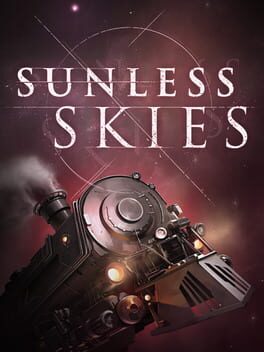
Most steampunk looks up: airships, spires, the dirigible floating over the gas-lit city. Sunless Sea and Sunless Skies look down. Failbetter Games put their Victorian empire underground, below the earth in a literal Neath where the zee is black and the hours work differently. What they found there was steampunk stripped of its optimism: a British Empire still expanding, still exploiting, still sending steamships into the dark, but now the dark pushes back. The writing is magnificent and the loneliness is real. A hundred hours in Sunless Skies, captaining your locomotive through impossible space, is a more thorough critique of Victorian imperialism than most history books.
More worlds of steam
Robots, renegades and alternate industrial ages


Steampunk on the small screen
Alchemists, detectives and cursed cities
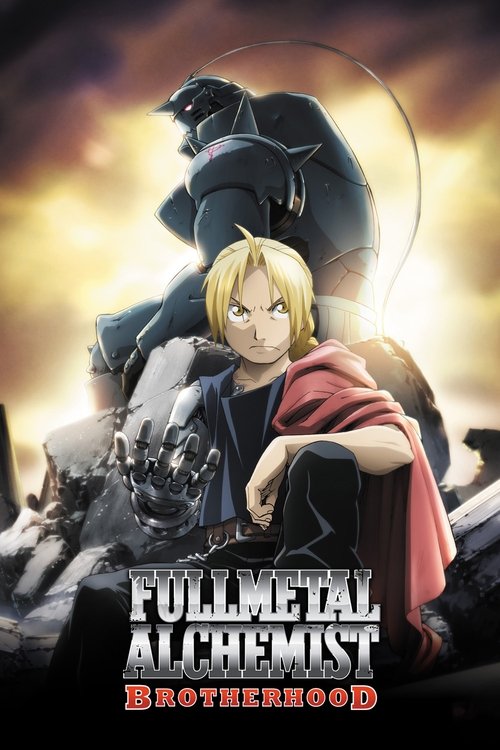
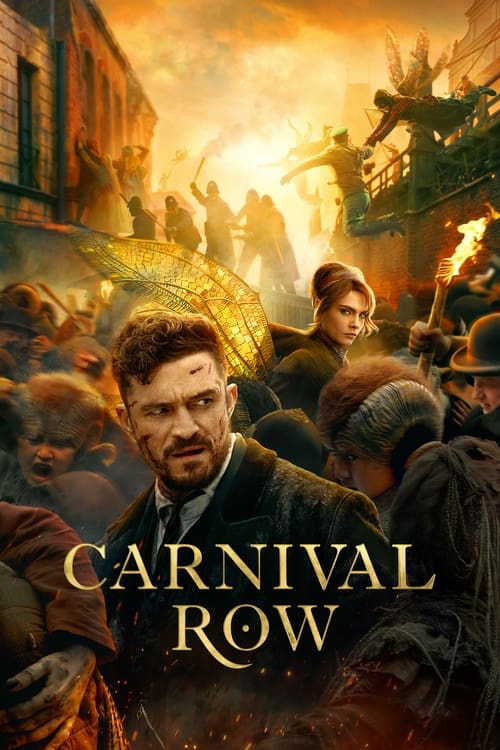
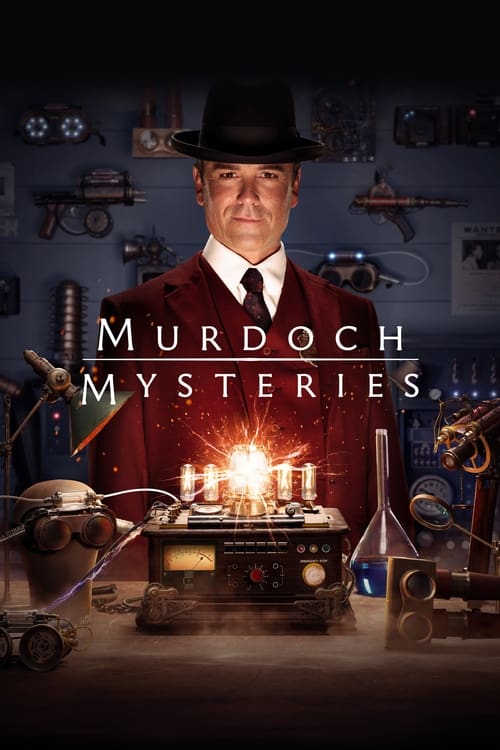
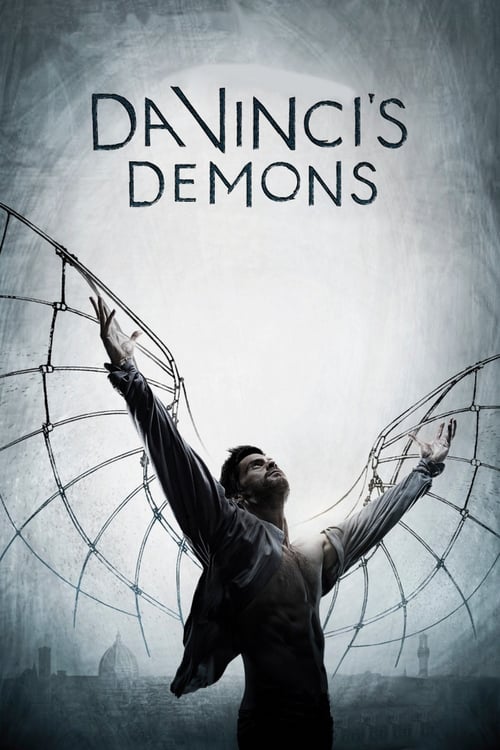
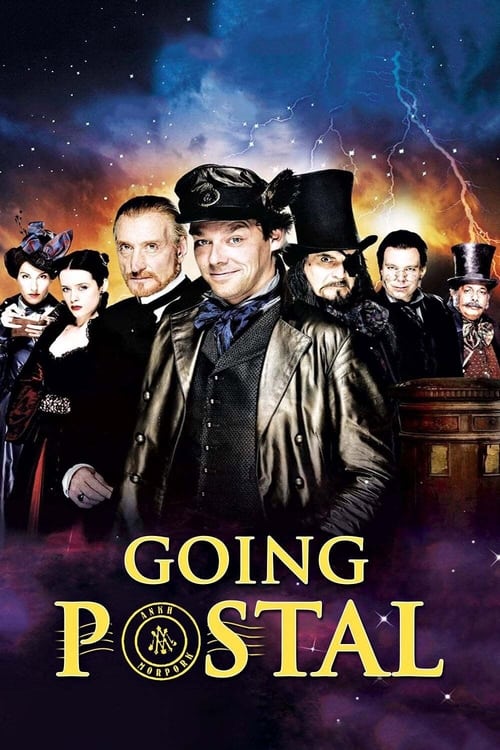
Fullmetal Alchemist: Brotherhood is the genre's most complete moral argument
You could argue that Fullmetal Alchemist: Brotherhood is not steampunk. You would lose the argument. Its world of alchemy and military ambition, where the laws of equivalent exchange underpin a society built on hidden atrocities, hits every note the genre is capable of hitting. The Elric brothers' search for a way to undo what they did is a story about the cost of reaching for power the world did not intend you to have. The state they serve is a machine that grinds people. The genocide that underpins that machine's fuel supply is steampunk's foundational question made literal: who is burned so the gears can turn? It is one of the best-constructed stories in animation, and it earns its scale.
Steampunk on the page
The novels that built the world


Steampunk asks us to imagine a Victorian past that never was, and in doing so it forces us to look clearly at the Victorian past that was: the empire, the smoke, the class lines so rigid they might as well be iron.On why the genre's nostalgia is always complicated
The BioShock connection
When steampunk and retrofuturism collide