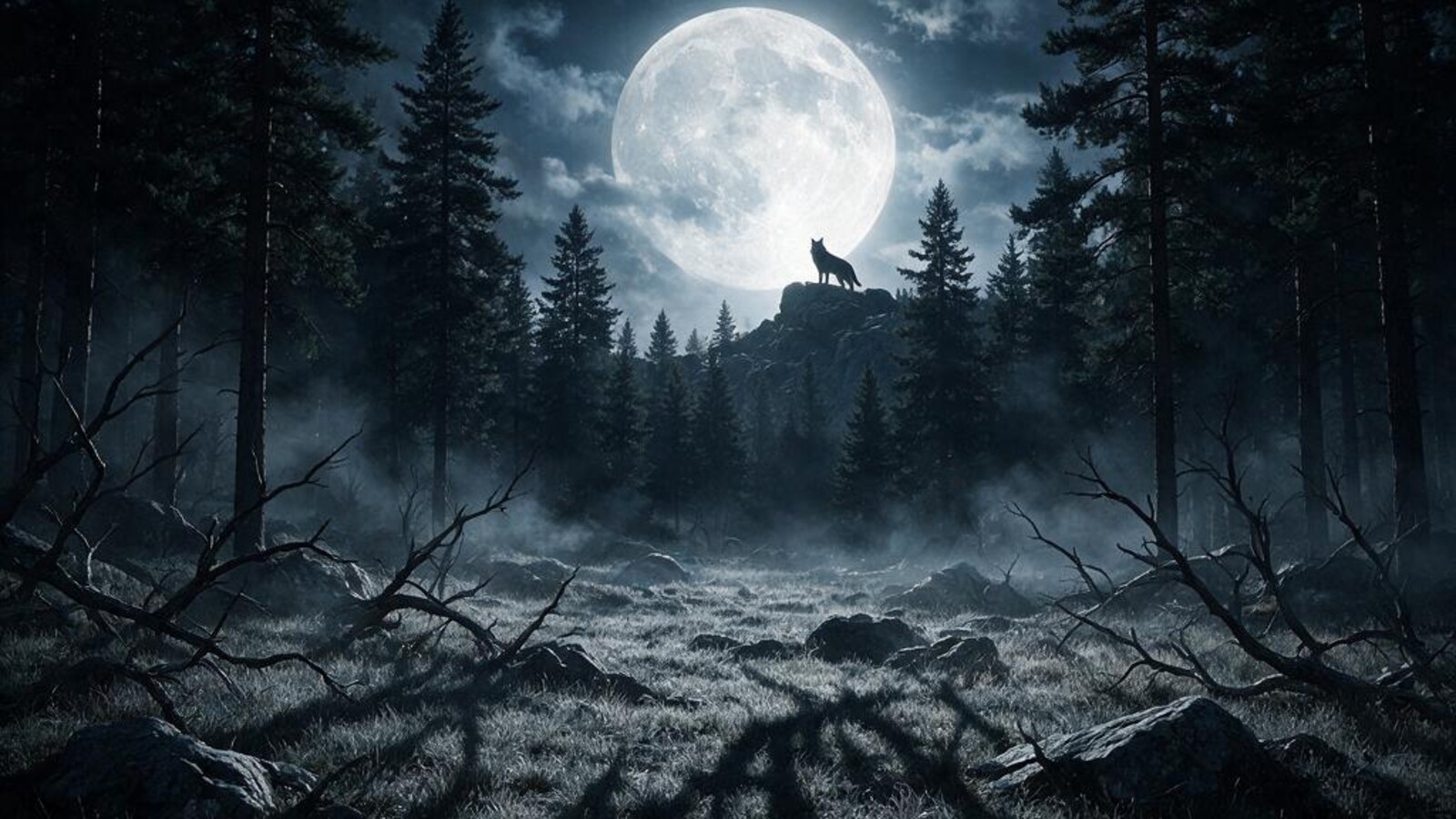

The werewolf is horror's most personal monster. The vampire is seductive and eternal, but the wolf is shame and rage made flesh: an ordinary person who becomes, against their will, a killer under the full moon. It is a story about the animal we keep chained inside, about puberty and addiction and the fear of our own bodies. When the change comes, the tragedy is that the beast was always us.
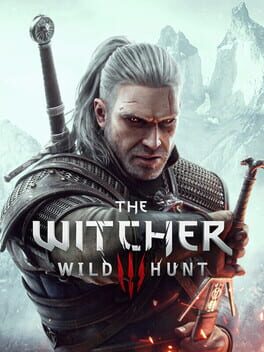
The curse has haunted every medium. Universal's The Wolf Man set the rules, An American Werewolf in London perfected the transformation, and Ginger Snaps turned it into a savage coming-of-age. It prowls through television, video games from Bloodborne to The Witcher, and a whole shelf of modern urban-fantasy novels. Below is the full moon calendar: the essential films, the classics, the modern reinventions, the games, and the books that gave the wolf new blood.
Essential werewolf stories
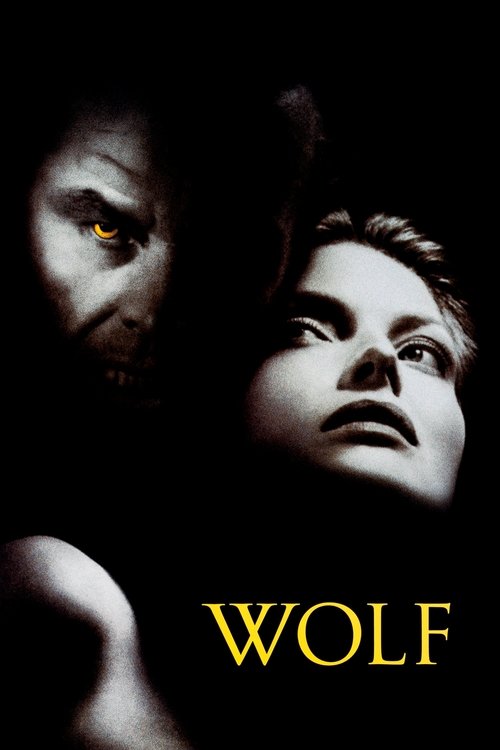
The classics that set the rules
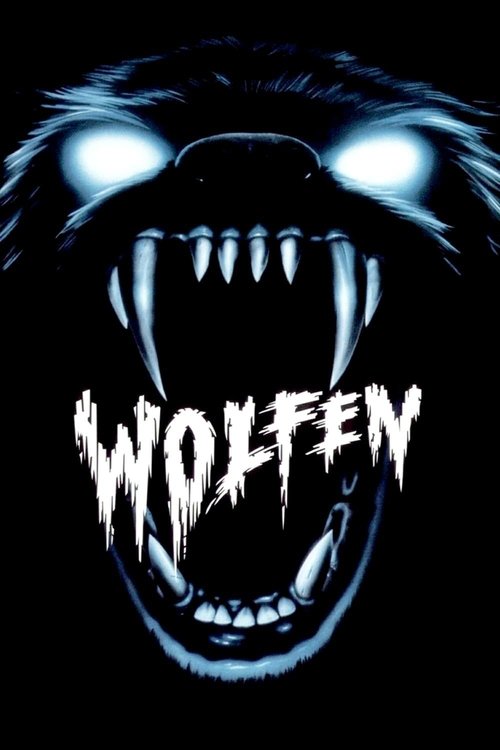
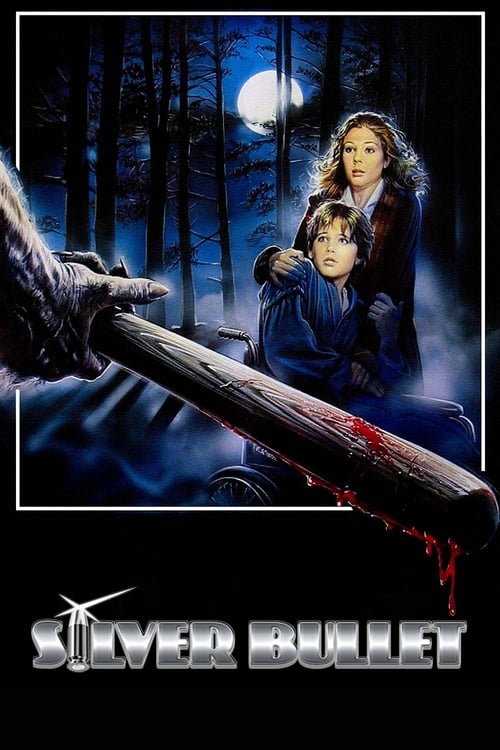
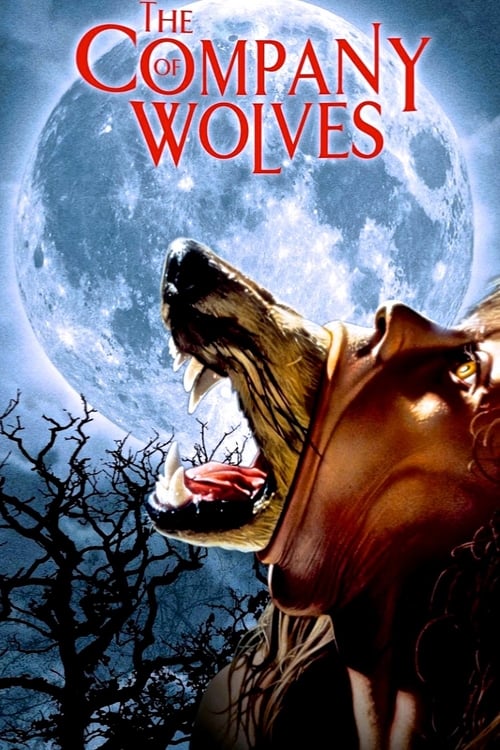
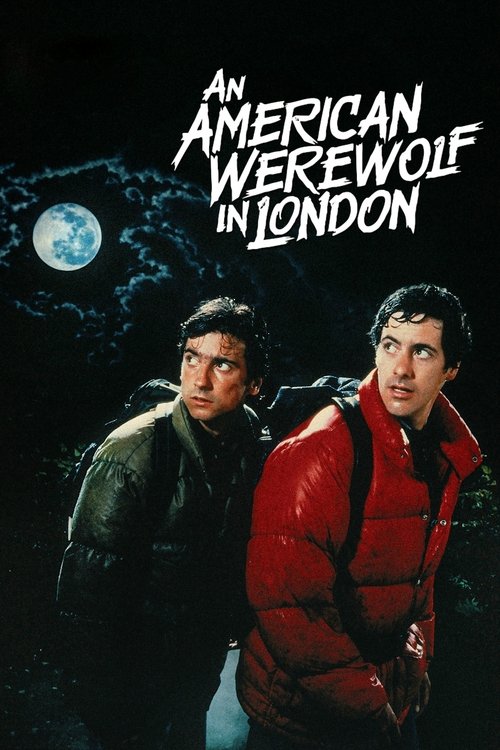
An American Werewolf in London is the genre's masterpiece
John Landis fused gut-busting comedy with real horror, and Rick Baker's transformation scene, all cracking bones and stretching flesh in unflinching light, has never been bettered. It understands that the werewolf story is a tragedy: a nice young man who wakes up naked in the zoo with no memory of the people he killed. Funny, gory, and genuinely sad.
Modern reinventions
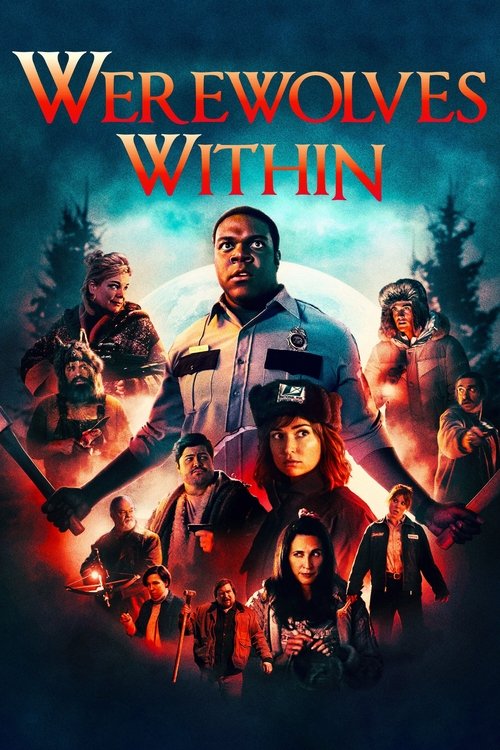
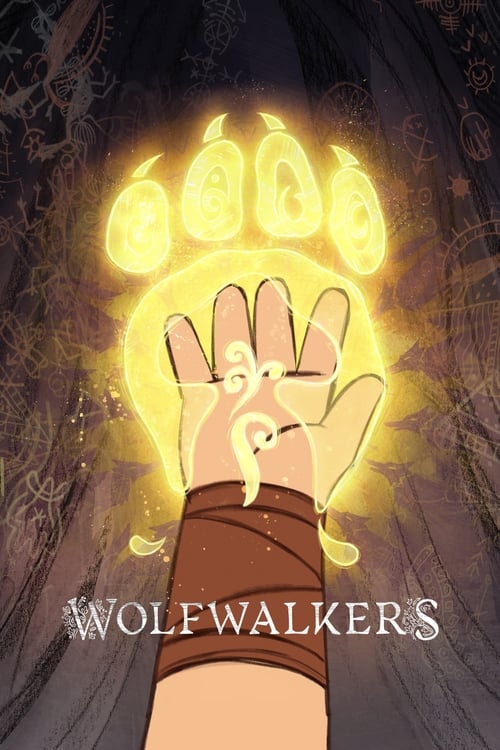
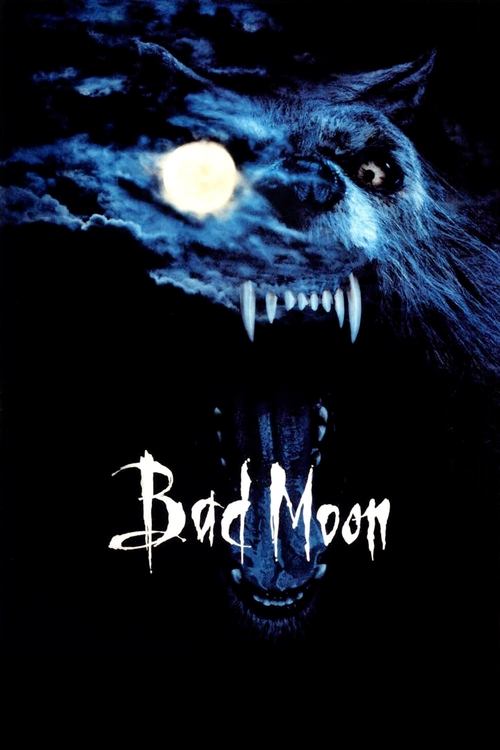
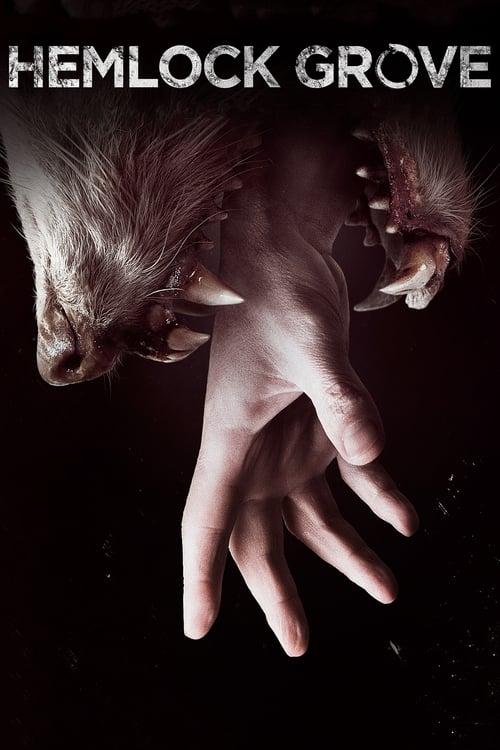
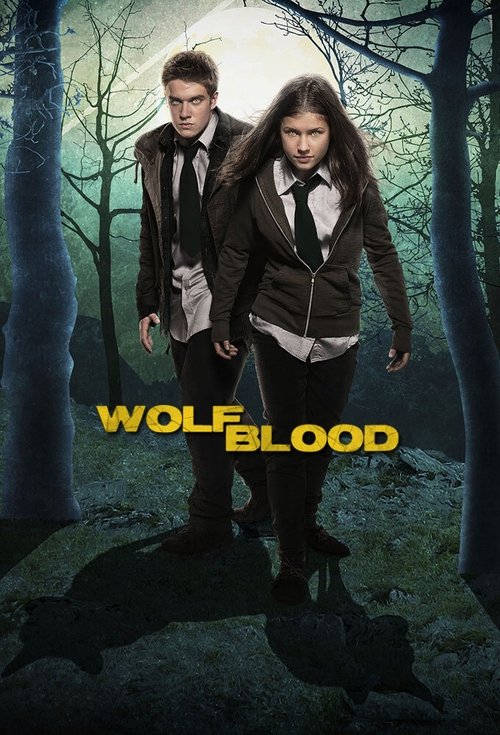
The wolf on television
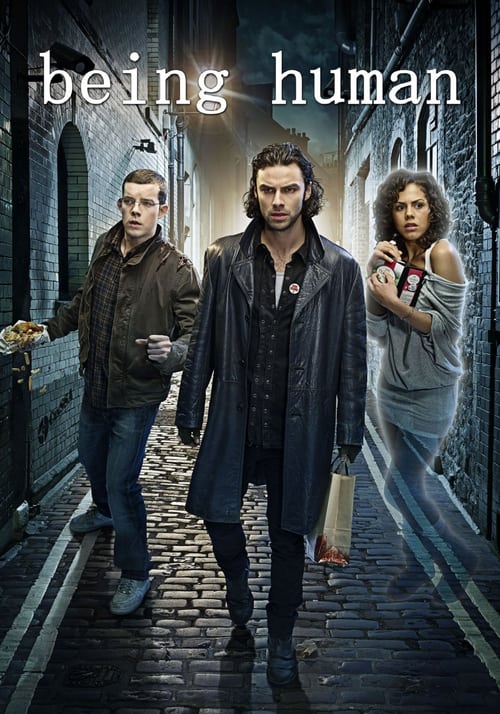
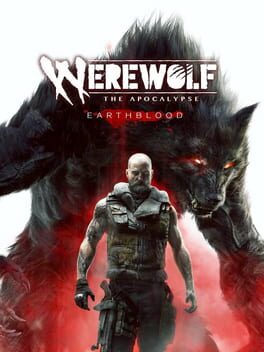
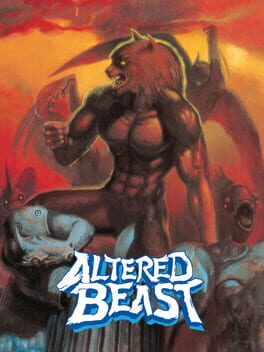
The beast in games
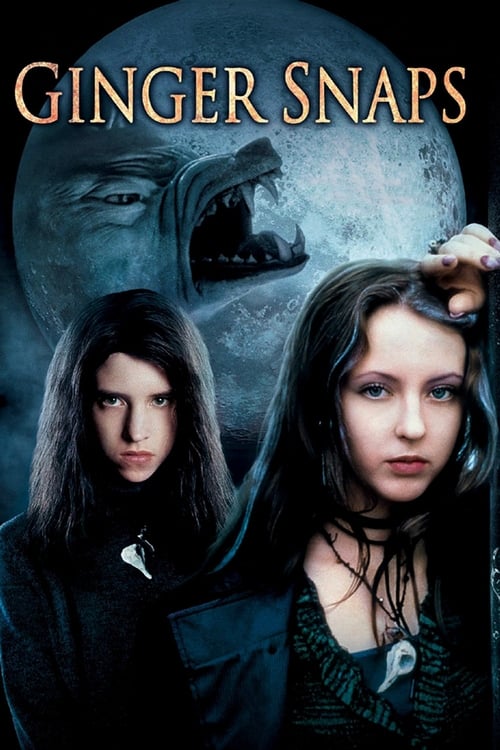
Ginger Snaps is the smartest werewolf film ever made
By making lycanthropy a metaphor for female puberty, this Canadian cult classic found something new in a tired monster. Two goth sisters, one bitten and changing, and a horror that is really about the terror of your own transforming body. It is sharp, funny, and furious, and it takes the beast-within idea more seriously than any film before it.
On the page: werewolf fiction


The timeline
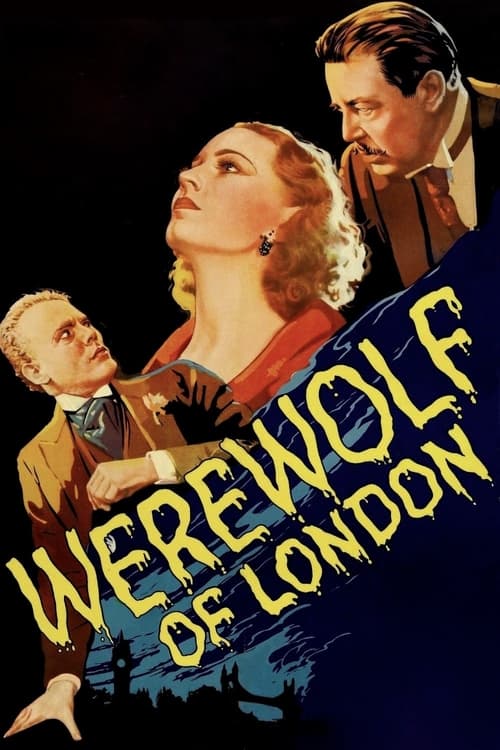
- 1935Werewolf of London brings the beast to Hollywood Werewolf of London
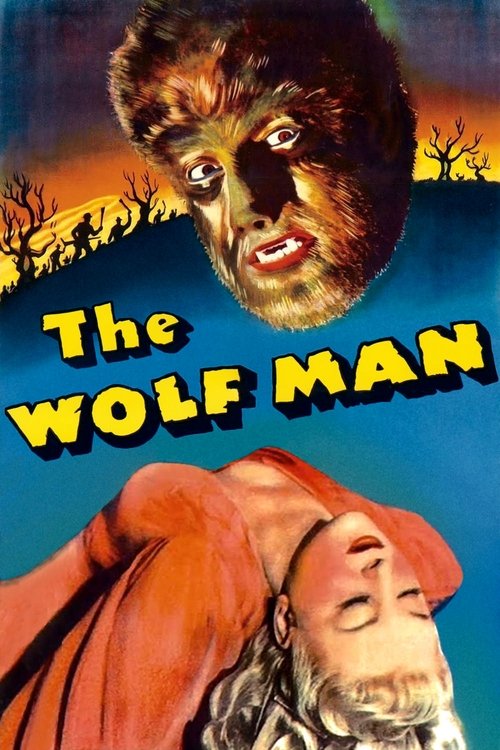
- 1941The Wolf Man defines the werewolf myth The Wolf Man
- 1981An American Werewolf in London perfects the transformation An American Werewolf in London
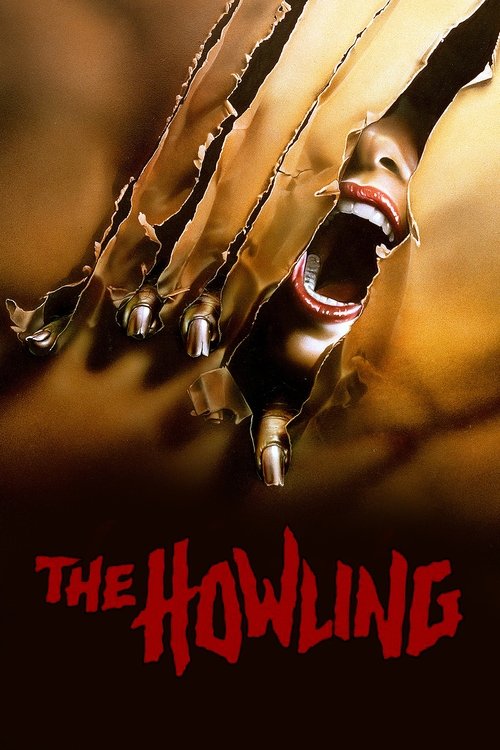
- 1981The Howling reinvents the creature effect The Howling
- 2000Ginger Snaps makes the wolf a coming-of-age tragedy Ginger Snaps
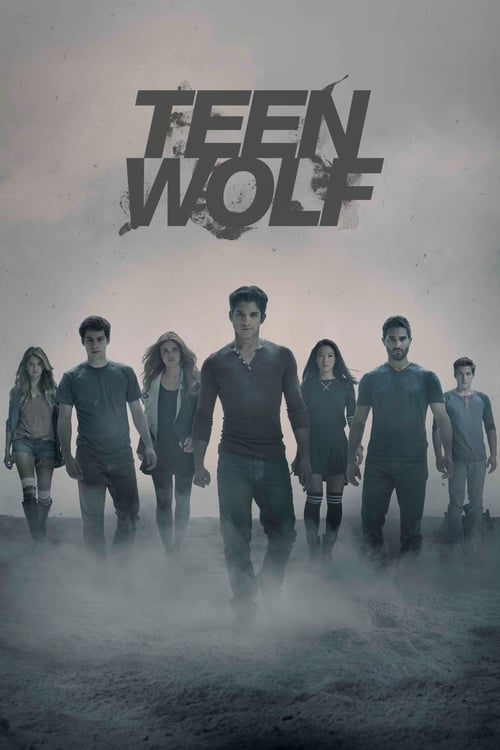
- 2011Teen Wolf brings lycanthropy to a new TV generation Teen Wolf
- 2015Bloodborne turns the beast plague into a masterpiece Bloodborne
The transformation is the whole genre
Vampires get the seduction, but the werewolf gets the change, and that scene is where the whole genre lives or dies. From Rick Baker's practical prosthetics to the CGI of modern films, the moment a person's body betrays them into a beast is horror at its most primal and body-conscious. Get the transformation right and everything else follows.
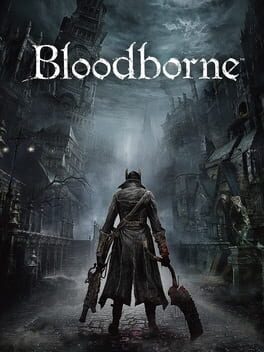
Bloodborne made the beast playable dread
FromSoftware built an entire gothic city sliding into lycanthropy, where hunters become the monsters they hunt and the beast plague is a curse you can feel yourself catching. It captures the werewolf's real horror better than most films: not the wolf outside, but the transformation you can feel rising in yourself. Dread as gameplay.
Keep exploring
Vampires: The Complete Bloodline
Explore the Vampires: The Complete Bloodline guide →Frequently asked
What are the rules of a werewolf?
The classic werewolf mythology, largely codified by Universal's 1941 film The Wolf Man, holds that a person becomes a werewolf after being bitten by another, transforms into a wolf or wolf-human hybrid under the full moon, loses their human mind during the change, and can only be killed by silver. Individual stories bend these rules freely, but the bite, the moon, and silver remain the genre's core.
Why are werewolves such an enduring horror monster?
The werewolf endures because it externalizes an internal fear: the animal within us, the loss of control, the body transforming against our will. Writers have used it as a metaphor for puberty (Ginger Snaps), addiction, rage, and repressed desire. Unlike the seductive vampire, the werewolf is a tragedy of shame and involuntary violence, which keeps it endlessly adaptable.
Where should I start with werewolf stories?
Start with An American Werewolf in London (1981), widely considered the best werewolf film ever made, and the 1941 classic The Wolf Man for the mythology's roots. For a modern, thematically rich take, Ginger Snaps is essential. Gamers should try Bloodborne, and readers can pick up Glen Duncan's The Last Werewolf or Patricia Briggs's Moon Called for the modern novel.