Broken Sword: The Angel of Death (2011)
Broken Sword: The Angel of Death is a 2011 point-and-click video game made by Revolution Software Ltd and Sumo Digital.
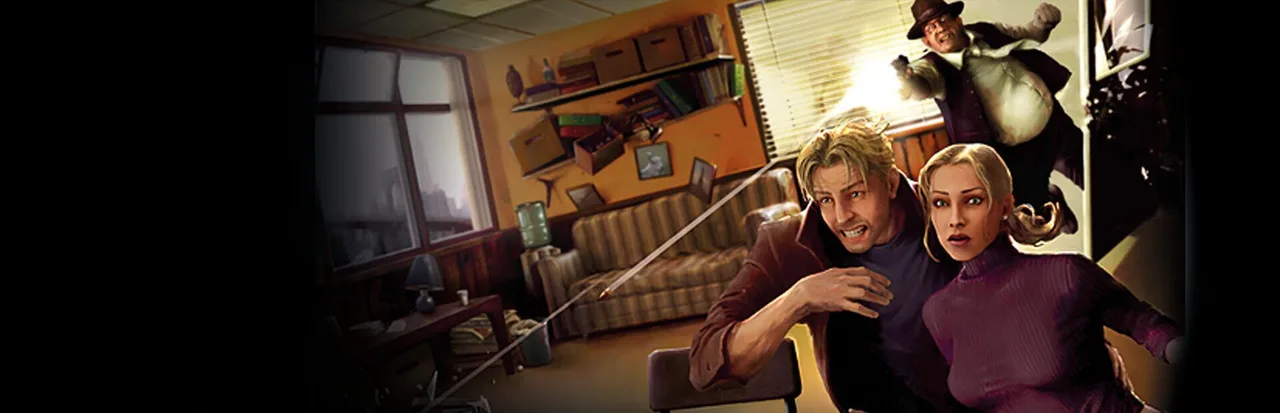
Broken Sword: The Angel of Death finds George Stobbart running a struggling patent law firm in New York when a woman named Listra walks in and puts a manuscript in front of him, insisting it will get her killed. The manuscript is a map to an artefact of immense, dangerous power, and George is soon drawn across New York, Rome, and Istanbul trying to understand what it is and who wants it badly enough to kill for it. This fourth entry in the series plays it straighter and darker than its predecessors, leaning on the thriller register George's voice was always capable of.
Similar games
Explore Broken Sword: The Angel of Death guides
Broken Sword: The Angel of Death in our writing
- Companion guide: Revolution Software: Broken Sword and the British Adventure
A few thoughts on Broken Sword: The Angel of Death
The artefact-hunt across real European cities and the tension between a reluctant investigator and forces much larger than him connects The Angel of Death to Dishonored, where navigating a corrupt power structure requires the same careful reading of people and places.
Artefacts and treasures people are willing to kill for
The manuscript Listra hands George is nothing on its own, a map to something people will murder over, and Angel of Death spends its plot proving that value. The same pull toward a prize worth dying for runs through Fullmetal Alchemist's Philosopher's Stone, One Piece's endless treasure hunt, Largo Winch's high-stakes business intrigue, Death Note's dangerous power nobody should hold, and the inherited empire at the center of The Godfather.
Franchises that turn darker with every new outing
Angel of Death plays George Stobbart's world straighter and more dangerous than the earlier games ever did, trading whimsy for real menace. That same shift toward a colder, higher-stakes register shows up in Tom Clancy's Jack Ryan: Ghost War, The Punisher: One Last Kill, the serial-killer hunt of Mr. Mercedes, and the increasingly brutal world of The Boys.
Concept albums built around a hidden murder
The Angel of Death runs on the threat hanging over that manuscript, the promise that it will get someone killed, and George chasing the truth anyway. Dream Theater's Metropolis Pt. 2 works the same kind of hidden-past mystery across a full album, Nebraska sketches its killers in plain, unsettling detail, Blade Runner's score holds a similar unresolved dread, and The Score carries a hard-edged, watchful mood.
Detective work that's really just careful pattern-spotting
In Angel of Death, George follows a trail from a threatening manuscript to a dangerous artefact by noticing what does not add up, the same instinct any good detective runs on. That clue-first mindset drives Sherlock Holmes's case files, and the procedural rhythm of NCIS, Law & Order, The Rookie and The Mentalist, where the win always comes from spotting the one detail everyone else missed.