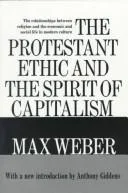
Die protestantische Ethik und der Geist des Kapitalismus (1930)
Die protestantische Ethik und der Geist des Kapitalismus is a 1930 capitalism book written by Max Weber.
Max Weber traces an unlikely thread between religious conviction and economic life. Writing in the early 1900s, the German sociologist asks why modern capitalism took root where it did, and finds part of his answer in Calvinist doctrine: the idea that disciplined labor and worldly duty carried moral weight, that worldly success in a calling could read as a sign of grace. Weber sets this against Marx's materialism, arguing that beliefs shaped economic behavior as much as class or capital. This edition pairs the original 1905 text with Weber's own replies to his early critics.
Similar books
Explore Die protestantische Ethik und der Geist des Kapitalismus guides
A few thoughts on Die protestantische Ethik und der Geist des Kapitalismus
Max Weber rewards readers who like ideas doing the heavy lifting. Adam Curtis builds documentaries on the same premise, that beliefs quietly steer whole economies, and The Century of the Self makes a gripping companion. Pair it with Mad Men if you want the work ethic and consumer capitalism dramatized rather than argued.
Founding sociology that takes a side
Weber built The Protestant Ethic as a running argument, and this edition carries his replies to the first critics. These books work the same way. Heilbroner stages the economists as rival thinkers, Korsch and Anderson fight over what Marxism became, Postone rereads Marx on labor and time, Chomsky and Herman name their targets, Alexander builds her case from sentencing data.
Books arguing about where capitalism came from
Weber answers the origin question with Calvinist doctrine and disciplined labor, then argues the point against Marx. These books take their own runs at the puzzle. Wood traces capitalism to English agriculture, Smith starts from the division of labor, Piketty measures returns to capital across two centuries, DiLorenzo argues the American case from the other side, and Zizek reads the 2008 crash.
Work as a calling, on screen
Weber's calling turns a job into a moral duty, which is what these characters do to themselves. Don Draper sells meaning by the account, Sophia builds a company out of resale hustle, the Frankfurt bankers in Bad Banks trade their nights for a bonus, the interns in Resiste do the same for nothing, and the Geordie builders abroad want the wage.
Faith taken as a daily discipline
Weber studied belief for what it does to ordinary conduct, how people keep time, spend money and judge their own labor. These titles stay on that ground. Luther argues doctrine into politics, the teenage lead in Stations of the Cross takes her parish's rules literally, Rohmer's narrator reasons about Pascal across one night, and Meeks reconstructs how early Christians settled right living.