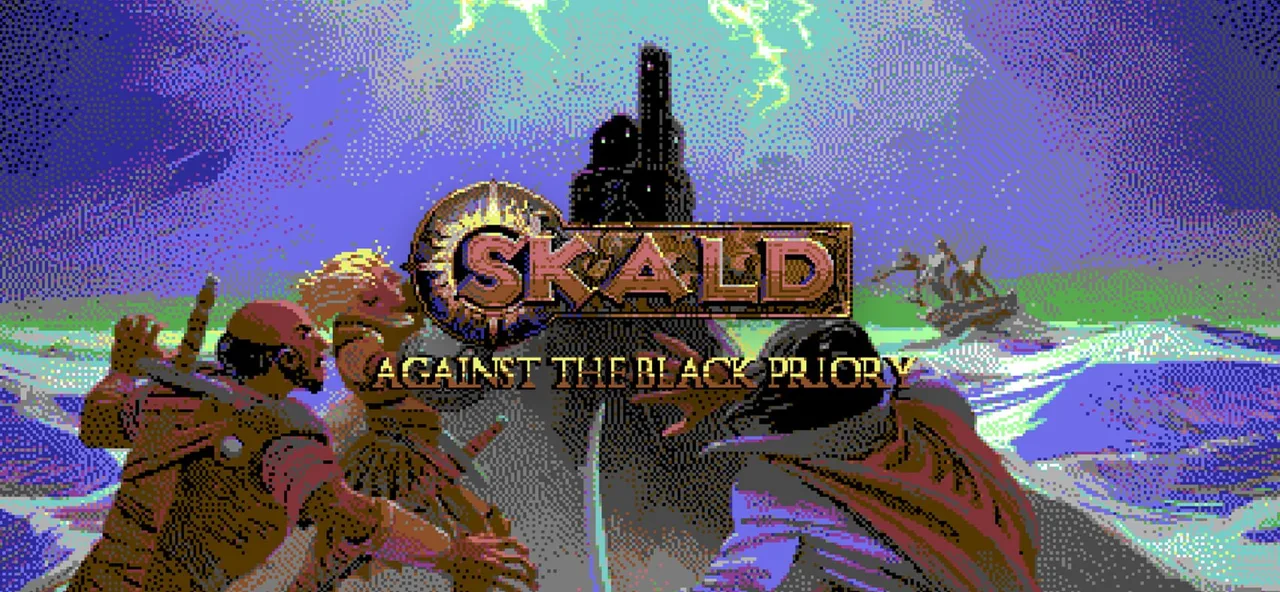
Skald: Against the Black Priory (2024)
Skald: Against the Black Priory is a 2024 role-playing (rpg) video game made by High North Studios AS.
Skald: Against the Black Priory wears its 8-bit skin proudly. The art looks pulled from a 1980s home computer, all chunky pixels and moody palettes, but the fantasy underneath runs grim and Lovecraftian, thick with tragic heroes and eldritch dread. You lead a party of up to six on a perilous quest across a tile-based world, resolving fights in turn-based combat and choices in reactive dialogue. Its maker built it as a love letter to Ultima and the Gold Box classics, and the reverence shows in every menu and encounter.
Similar games
Explore Skald: Against the Black Priory guides
Skald: Against the Black Priory in our writing
A few thoughts on Skald: Against the Black Priory
The cosmic dread pairs well with Color Out of Space, Richard Stanley's film of slow contamination and unraveling minds. For creeping small-town horror in the same key, the series Chapelwaite renders Lovecraft-adjacent Stephen King as candlelit gothic, all inherited curses and things waiting in the dark.
CRPGs that grew from the same Gold Box and D&D roots
Skald is built as a direct love letter to Ultima and the Gold Box games, and that same tabletop-rules lineage runs through Baldur's Gate III, Baldur's Gate II: Shadows of Amn, Icewind Dale, Neverwinter Nights, and The Temple of Elemental Evil, all party-based RPGs built on real D&D rulesets rather than a watered-down approximation.
Isometric RPGs with grim tone and dialogue that actually branches
Skald pairs pixel-art nostalgia with a genuinely dark, reactive story, the same balance struck by Divinity: Original Sin II, Pillars of Eternity, Disco Elysium, UnderRail, Tyranny, Shadowrun: Dragonfall, Atom RPG, Encased, The Age of Decadence, and Warhammer 40,000: Rogue Trader, all isometric RPGs that treat their writing as seriously as their combat.
Mercenary-company tactics games where your people actually die
Skald leads up to six fragile heroes into turn-based fights where death is a real cost, and that same attrition drives Battle Brothers, Wartales, Expeditions: Rome, and Wasteland 3, four tactical games built around managing a company that can be worn down and broken, not just leveled up.