
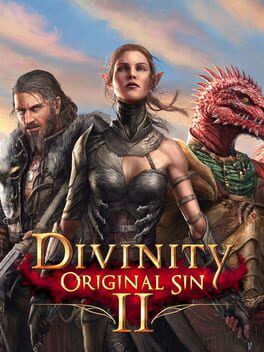
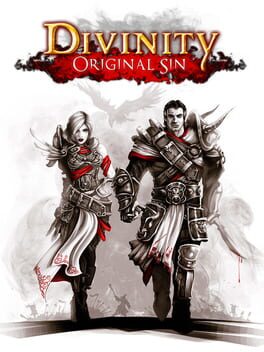
The pitch meetings all ended the same way in 2010: isometric is dead, turn-based is dead, nobody reads. Then in early 2012 Double Fine raised a million dollars on Kickstarter in a single day, and every RPG veteran with a rolodex did the math. Brian Fargo funded Wasteland 2 with the slogan 'they said the genre was dead.' Obsidian's Project Eternity broke records. Larian bet the company on Divinity: Original Sin without asking anyone's permission at all.
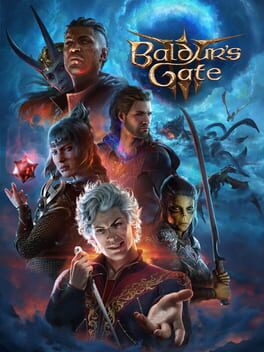
What followed was not a nostalgia wave. The renaissance games out-designed and frequently out-wrote their ancestors, built new studios (Larian, Owlcat, ZA/UM) into powers, and rebuilt the audience that made Baldur's Gate 3 the biggest RPG on earth. This guide covers the whole arc, part of our complete CRPG guide.
The renaissance essentials
The revival's ten tallest peaks
The class of 2014 to 2017
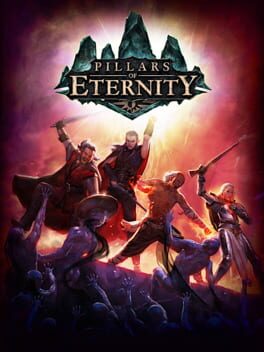
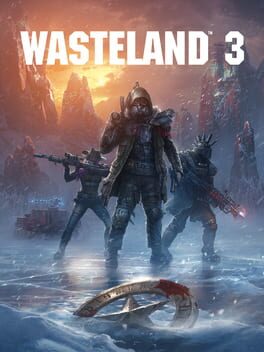
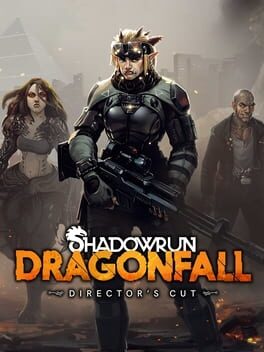
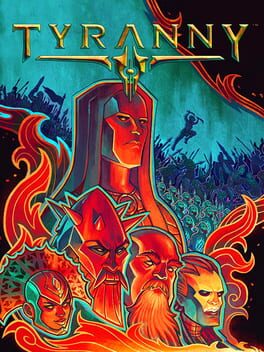
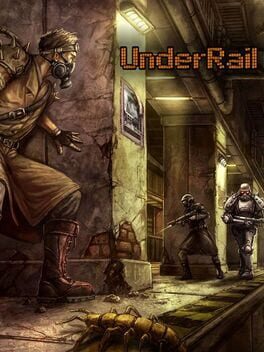
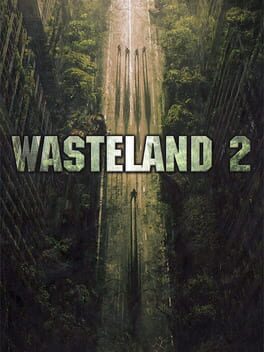
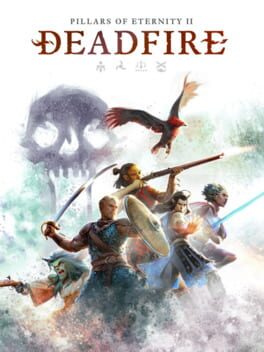
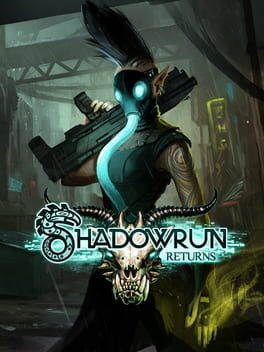
The first crowdfunded cohort arrived together and each solved a different problem. Wasteland 2 proved the veterans could still ship. Pillars of Eternity rebuilt the Infinity Engine feel with modern craft and Josh Sawyer's ruthless systems sense. Shadowrun: Dragonfall found perfect scale, one Berlin district, one crew, no fat. Underrail, one Serbian developer working for a decade, out-Fallouted Fallout on atmosphere alone. And Tyranny asked the genre's best what-if: what if evil already won and you were middle management?
The crowdfunded class
2014 to 2017: the games that rebuilt the audience


The revival, year by year
- 2012Kickstarter: Wasteland 2 and Project Eternity break records; Grimrock ships first Legend of Grimrock
- 2013Shadowrun Returns delivers the first crowdfunded RPG Shadowrun Returns
- 2014Divinity: Original Sin and Wasteland 2 land within months Divinity: Original Sin
- 2015Pillars of Eternity revives the Infinity Engine soul Pillars of Eternity
- 2017Original Sin 2 raises every bar at once Divinity: Original Sin II
- 2018Pathfinder: Kingmaker brings the full tabletop, jank included Pathfinder: Kingmaker
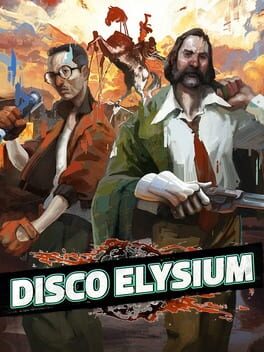
- 2019Disco Elysium arrives from nowhere and wins everything Disco Elysium
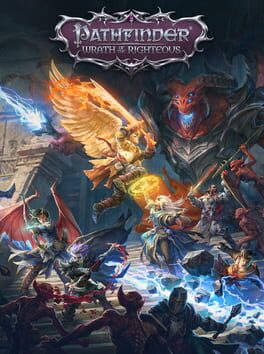
- 2021Wrath of the Righteous and Solasta go deeper still Pathfinder: Wrath of the Righteous
- 2023Baldur's Gate 3: the renaissance becomes the mainstream Baldur's Gate III
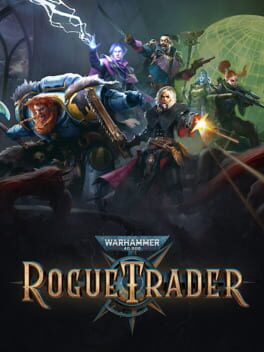
- 2024Rogue Trader patches into greatness; the pipeline stays full Warhammer 40,000: Rogue Trader
The second wave
By 2019 the revival no longer needed Kickstarter. Owlcat graduated from Pathfinder to Warhammer 40,000: Rogue Trader, the first great CRPG in the grim dark of the far future. ZA/UM's Disco Elysium demonstrated that the form could win literary prizes. And a long tail of stubborn, hand-built games, Encased's Soviet anomaly zone, Gamedec's noir Warsaw of virtual worlds, Weird West's immersive-sim frontier, keeps the deep end stocked between the giants.
The second wave and the deep cuts
2019 onward: the revival's long, rich tail
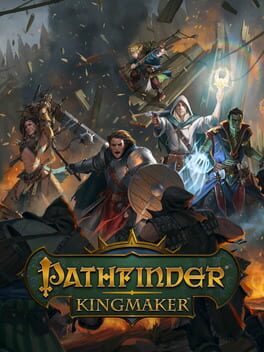 Pathfinder: Kingmaker
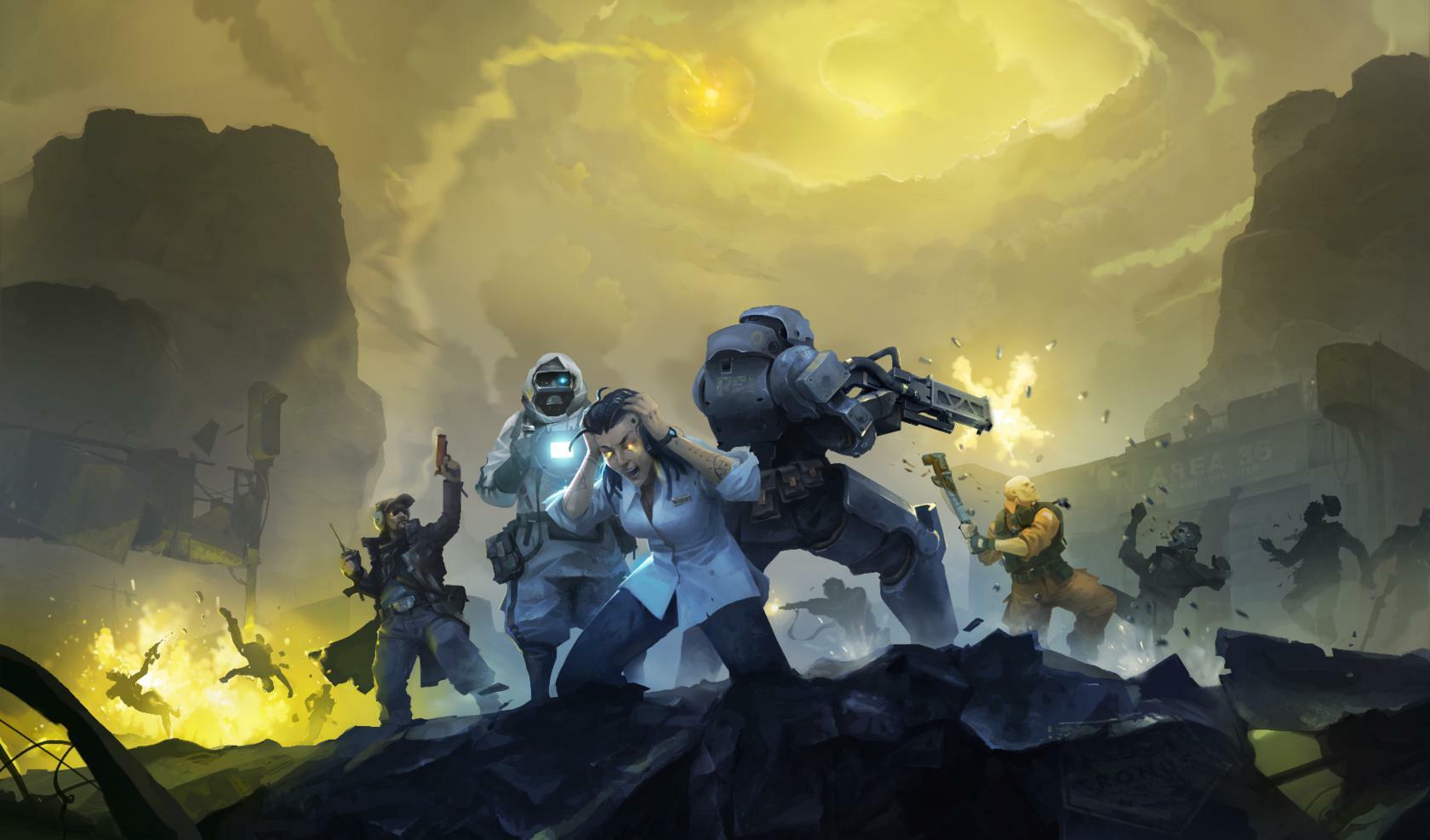 Encased: a sci-fi post-apocalyptic RPG
 Colony Ship: A Post-Earth Role Playing Game
 Skald: Against the Black Priory
 Black Geyser: Couriers of Darkness
 Dread Delusion
 Gamedec: Definitive Edition
 Weird West
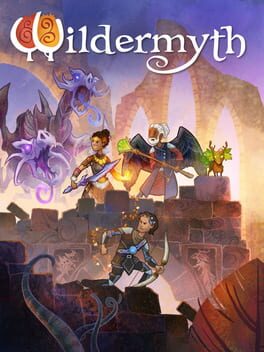 Wildermyth
 Roadwarden
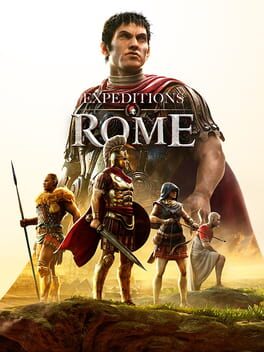 Expeditions: Rome
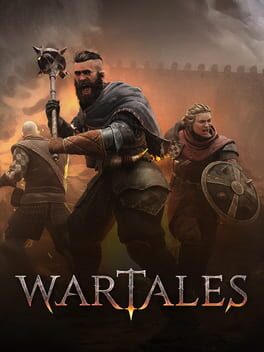 Wartales
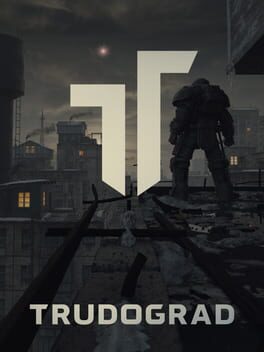 Atom RPG: Trudograd
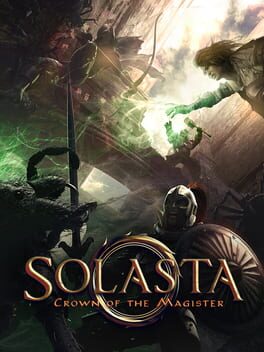 Solasta: Crown of the Magister
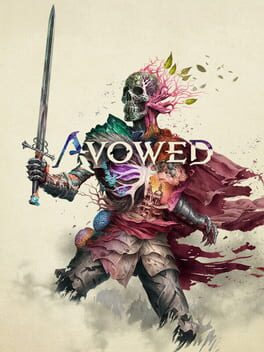 Avowed
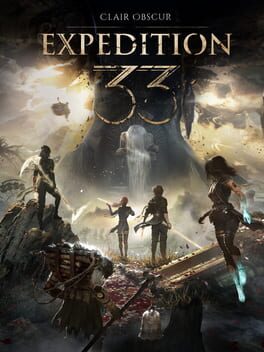 Clair Obscur: Expedition 33
They said the genre was dead. The genre had opinions.CrossBinge
Keep exploring the CRPG guide
The CRPG: The Complete Guide
Explore the The CRPG: The Complete Guide guide →Frequently asked
What started the CRPG renaissance?
Kickstarter, specifically the spring of 2012. Double Fine's adventure-game campaign proved fans would pre-fund 'dead' genres; inXile's Wasteland 2 and Obsidian's Project Eternity (Pillars of Eternity) followed within months and broke records. Legend of Grimrock, self-funded that same spring, proved the appetite at retail too.
Which renaissance CRPG should I play first?
Divinity: Original Sin 2 if you want systems and co-op; Disco Elysium if you want writing and zero combat; Pillars of Eternity if you loved the Infinity Engine era. All three lead naturally to Baldur's Gate 3.
Is Disco Elysium really an RPG if it has no combat?
It is arguably the purest RPG on this page. Every skill point changes what your detective notices, believes and blurts out; failure is often better-written than success. It simply moved the dice from the battlefield into the sentence.