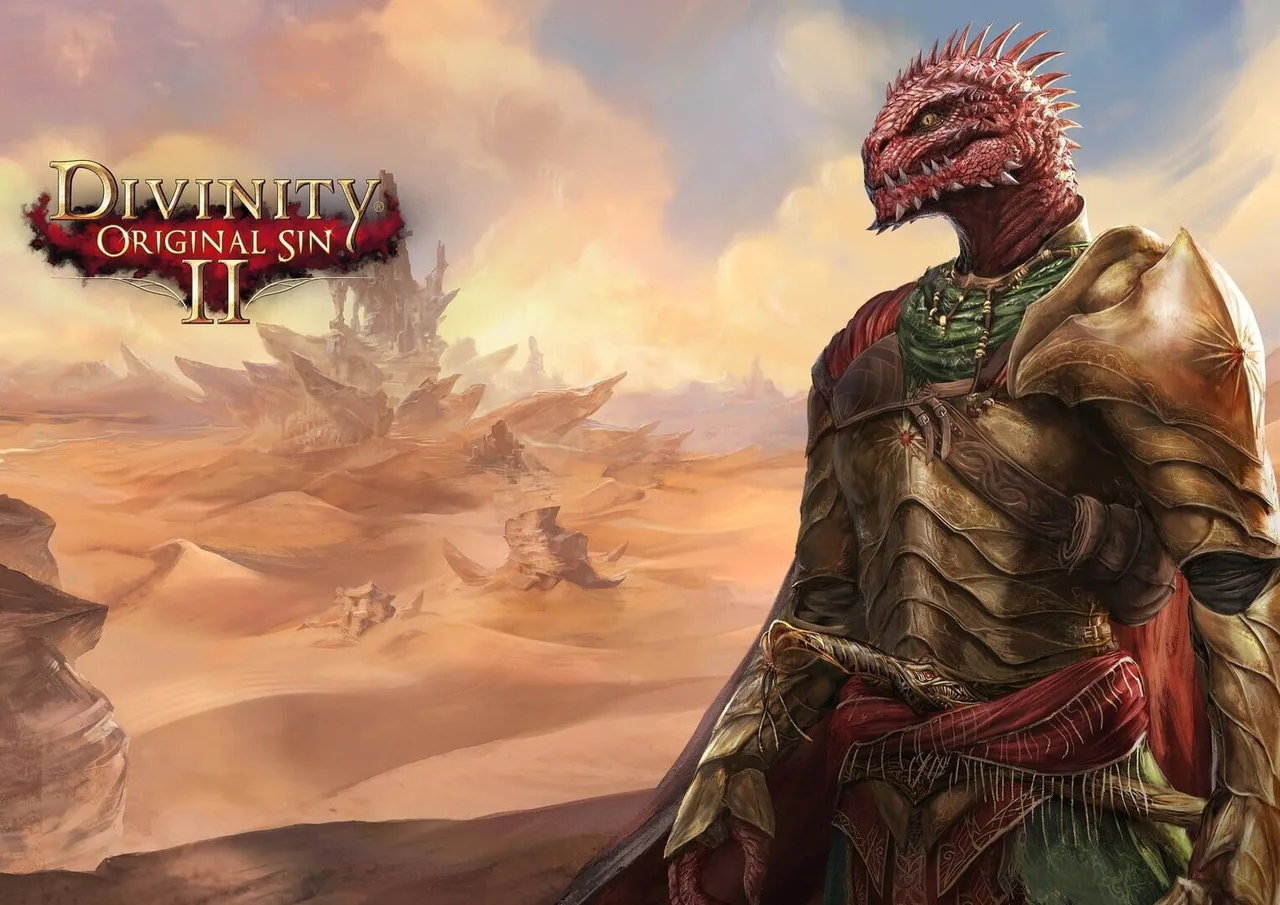
Divinity: Original Sin II (2017)
Divinity: Original Sin II is a 2017 role-playing (rpg) video game made by Larian Studios and Elverils LLC.
You wake as a Sourcerer imprisoned on Fort Joy, hunted for the very magic that makes you dangerous, and the road out leads toward godhood. Larian expands every idea from the first game: pick an Origin character with a written past and voiced motives, or build your own outsider. Combat layers elemental surfaces, armor types and battlefield height into puzzles you solve with positioning as much as damage. Companions carry their own agendas and can turn on you. Up to four players share the campaign, each chasing a separate claim to divinity. Reactivity runs deep enough that few playthroughs ever match.
Similar games
Explore Divinity: Original Sin II guides
Divinity: Original Sin II in our writing
- Companion guide: The CRPG: The Complete Guide to Computer Role-Playing Games
- Companion guide: The CRPG Renaissance: How Kickstarter Brought the Genre Back from the Dead
- Companion guide: The European RPG: Gothic, The Witcher and the Continental School
- Companion guide: Larian Studios: How a Belgian Underdog Turned Divinity into Baldur's Gate 3
A few thoughts on Divinity: Original Sin II
Baldur's Gate 3 is the natural next step, built by the same studio on these bones with even more freedom. Disco Elysium trades combat for pure dialogue and skill-driven roleplay, ideal if the writing hooked you hardest. For the collaborative table energy behind it all, The Legend of Vox Machina animates a party that bickers, schemes and bleeds.
Turn-based tactical RPGs where your party has its own agenda
Divinity: Original Sin II builds combat out of elemental surfaces and battlefield height, and gives every companion a hidden claim on your Sourcerer's fate. GreedFall, Fire Emblem: Three Houses, Octopath Traveler, Might & Magic Heroes VII and The Long Journey Home all reward the same careful, turn-based positioning, with squadmates who are chasing their own goals as much as yours.
Doorstop fantasy epics dense enough to live in for months
Getting from Fort Joy to godhood takes real hours, and these books ask for the same commitment. Oathbringer, Wizard and Glass, Brisingr, Redwall and The Song of Achilles each spend hundreds of pages building factions, magic systems and grudges that only pay off once you have put in the time to learn them.
Anime casts that face down power far bigger than they are
Every companion you recruit on the road to godhood is stronger, stranger or more dangerous than you expect, and these series share that same mismatch. Fullmetal Alchemist, My Hero Academia, Saint Seiya, Assassination Classroom and Made in Abyss all follow small, scrappy teams pushing back against forces built to crush them.
Epic scores and metal for a rise from prisoner to god
Divinity: Original Sin II's climb out of Fort Joy toward real power calls for music this outsized. In the Court of the Crimson King, Painkiller, IX Equilibrium, The Spectre Within and The Lord of the Rings: The Return of the King soundtrack all reach for the same mythic, larger-than-life scale.