The Bard's Tale II: The Destiny Knight (1986)
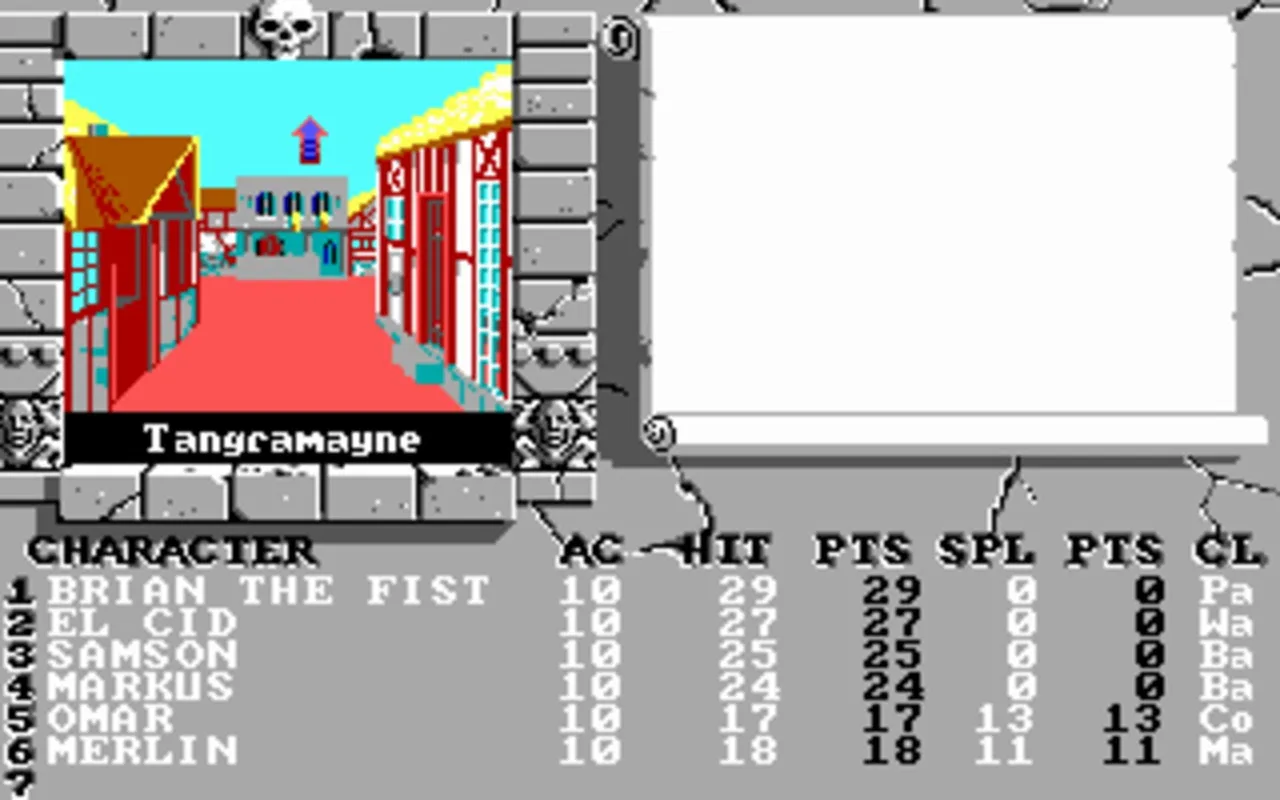
The Bard's Tale II: The Destiny Knight is a 1986 role-playing (rpg) video game made by Interplay Productions.
The wizard Mangar is beaten, and all your heroes wanted was a full mug and a soft chair. Instead the realm calls them back out. The Destiny Knight scatters the pieces of a shattered magic wand across six walled cities and the vast wilderness between them, a mapping challenge that was ambitious for 1986. Dungeons hold snares, riddles, and the new Archmage, a top tier of spellcaster with battle-turning magic like Heal All and Mangar's Mallet. This is old-school first-person crawling: graph-paper maps, sudden party death, and monsters that respawn faster than your patience.
Similar games
Explore The Bard's Tale II: The Destiny Knight guides
The Bard's Tale II: The Destiny Knight in our writing
- Companion guide: The Dungeon Crawler: Grid by Grid Through Gaming's Oldest Genre
A few thoughts on The Bard's Tale II: The Destiny Knight
Newcomers should start with the original Bard's Tale before this one, then continue into Thief of Fate. The Wizardry and Might and Magic series scratch the same graph-paper itch, blind corridors and all. For a modern take that keeps the grid crawl but streamlines the tedium, Legend of Grimrock is the natural next step.
First-person dungeon crawlers with grid maps and real challenge
The Destiny Knight sends a party mapping six walled cities and empty wilderness by hand, one of the toughest first-person crawls of 1986. Legend of Grimrock, Legend of Grimrock II, Dungeon Master, Ultima Underworld: The Stygian Abyss, Arx Fatalis, Wizardry 8, Might and Magic VI: The Mandate of Heaven, Stonekeep, Anvil of Dawn, and Vaporum carry that same grid-and-graph-paper challenge forward.
Classic CRPGs from the same 1980s-90s golden age
The Destiny Knight's unforgiving encounters and stat-heavy magic sit alongside Baldur's Gate, Planescape: Torment, Fallout, Ultima IV: Quest of the Avatar, Ultima VII: The Black Gate, Betrayal at Krondor, Darklands, The Elder Scrolls II: Daggerfall, Wasteland, and Pool of Radiance, the CRPGs that defined the genre's first golden run before it moved to 3D.
Sword-and-sorcery quests across film, book, and TV
The Destiny Knight's walled cities and warring wizards belong to the same sword-and-sorcery tradition as Conan the Barbarian, Excalibur, and Dragonslayer on screen, and The Fellowship of the Ring, A Game of Thrones, The Name of the Wind, and Game of Thrones on the page and in the show, all quests carrying real stakes for a small band.