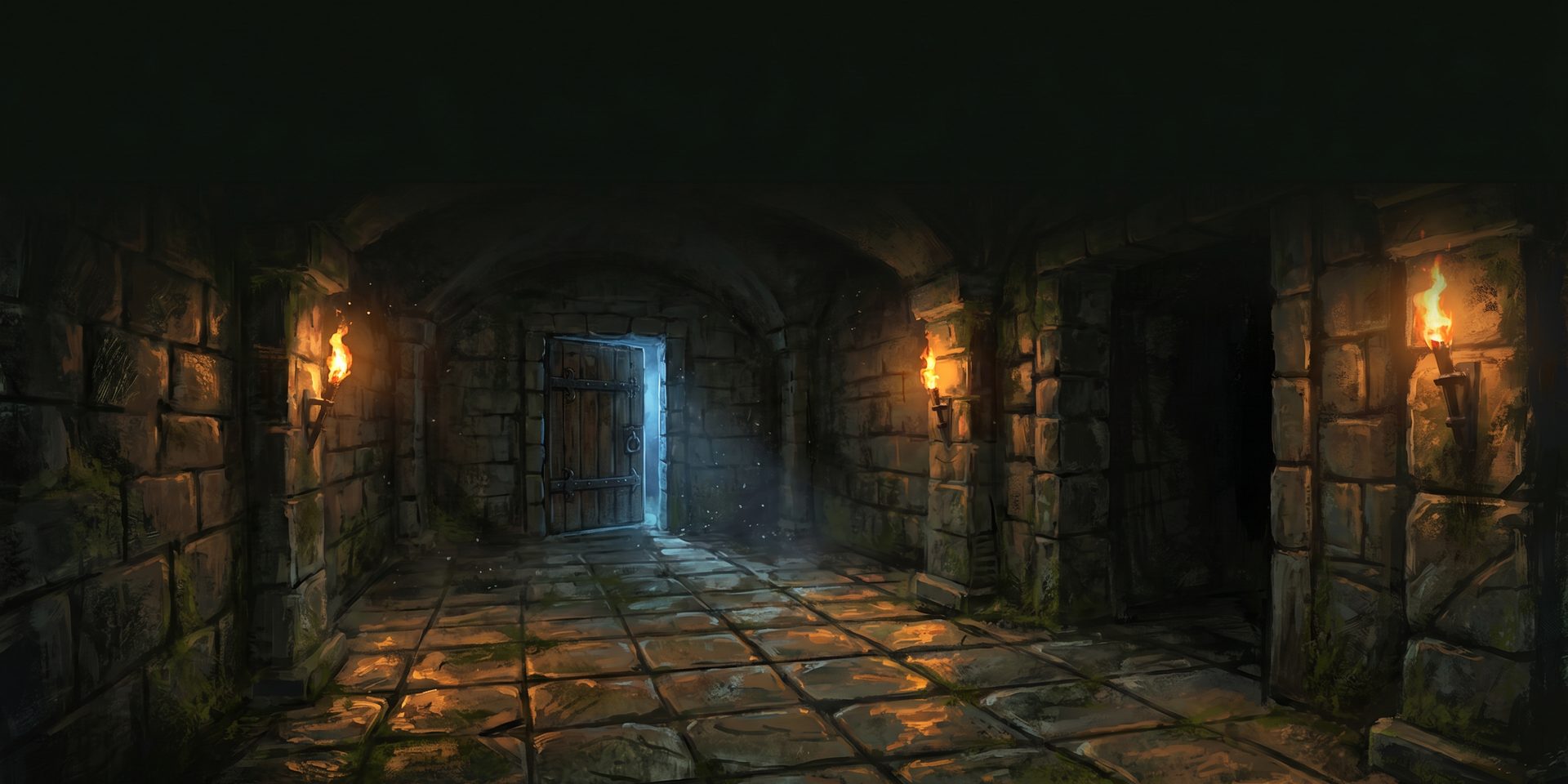

Before the open world, there was the corridor. The dungeon crawler is the CRPG's oldest body plan: a party seen from behind their own eyes, a maze built on a grid, and the constant arithmetic of whether your six hit points survive the next square. Wizardry codified it in 1981 and expected you to draw your own map. Dungeon Master made it real-time in 1987 and invented half the interface conventions games still use. Westwood's Eye of the Beholder gave it AD&D glamor; Might and Magic gave it sunlight and a sense of humor; and when the form died at retail, it waited twenty years for a four-person Finnish studio to bring it back with Legend of Grimrock.
This is the crawl's full story, part of our complete CRPG guide.
The essential crawls
Start anywhere; die everywhere

The two dynasties
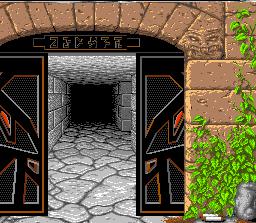
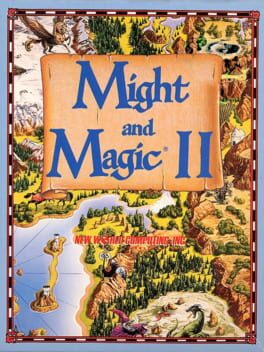
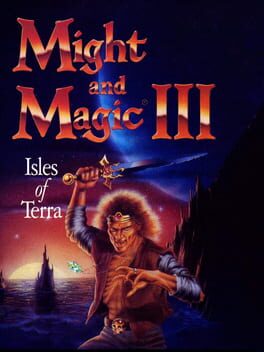
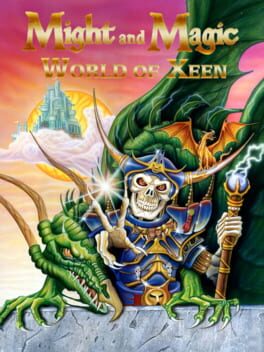
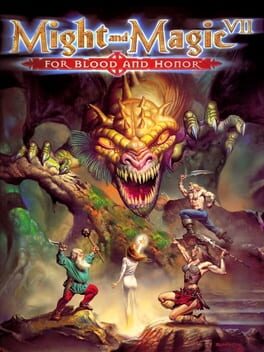
The crawl's golden age belongs to two families. Sir-Tech's Wizardry stayed hard: class changes, hidden stats, endgames that expected mastery. Its late trilogy, Bane of the Cosmic Forge through Wizardry 8, went fully strange, a science-fantasy epic with insectoid privateers and a cosmic MacGuffin. New World Computing's Might and Magic went the other way: generous, sunlit, enormous. Mandate of Heaven let a party of peasants become dragon-slaying archmages in a province full of secrets, and its cheerfully broken systems remain the comfort food of the entire genre.
Wizardry: the hard school
Sir-Tech's dynasty, where the dungeon always wins the first ten attempts
 Wizardry: Proving Grounds of the Mad Overlord
 Wizardry: Knight of Diamonds - The Second Scenario
 Wizardry: Legacy of Llylgamyn - The Third Scenario
 Wizardry: The Return of Werdna - The Fourth Scenario
 Wizardry V: Heart of the Maelstrom
 Wizardry: Bane of the Cosmic Forge
 Wizardry: Crusaders of the Dark Savant
 Wizardry Variants: Daphne
Might and Magic: the generous school
New World Computing's sunlit mazes
The crawl, square by square
- 1981Wizardry: Proving Grounds of the Mad Overlord defines the form Wizardry: Proving Grounds of the Mad Overlord
- 1985The Bard's Tale adds cities, color and a sense of place The Bard's Tale (1985)
- 1987Dungeon Master turns the clock on Dungeon Master
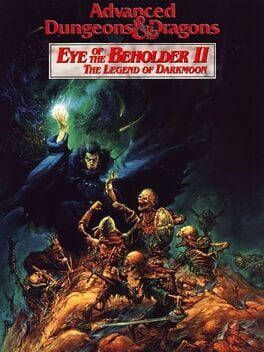
- 1991Eye of the Beholder brings AD&D to the real-time crawl Eye of the Beholder II: The Legend of Darkmoon
- 1992Ultima Underworld abandons the grid for true 3D Ultima Underworld: The Stygian Abyss
- 2002Arx Fatalis keeps the underworld faith through the drought Arx Fatalis
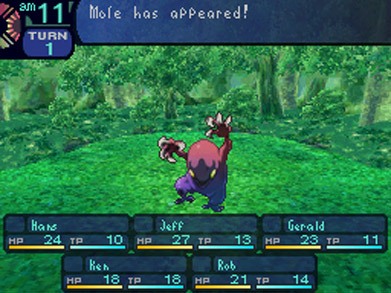
- 2007Etrian Odyssey hands Japan the graph paper back Etrian Odyssey
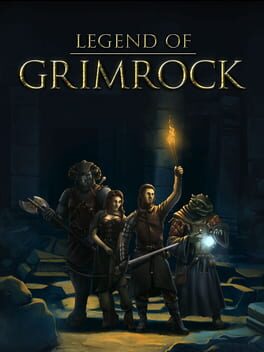
- 2012Legend of Grimrock proves the old maze still bites Legend of Grimrock
- 2024Wizardry remade: the first crawl returns in full 3D
Death and resurrection
After 1994 the crawl died fast: too slow for the Doom generation, too rigid for the Infinity Engine's cinematic parties. It survived in Japan, where Etrian Odyssey turned map-drawing itself into the pleasure, and in scattered European holdouts. Then in 2012 four Finns at Almost Human shipped Legend of Grimrock, a love letter to Dungeon Master with modern light and shadow, and the form walked out of its own tomb. The revival it started is still going: puzzle-first crawls, steampunk crawls, and in 2024 a full remake of the original Wizardry.
The revival: 2012 and after
The modern crawl, older and crueler and better-lit

The one-square-at-a-time deep cuts
For when you have finished everything above
 Eye of the Beholder 3: Assault on Myth Drannor
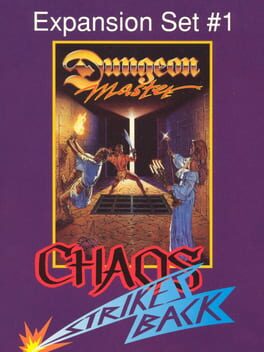 Dungeon Master: Chaos Strikes Back
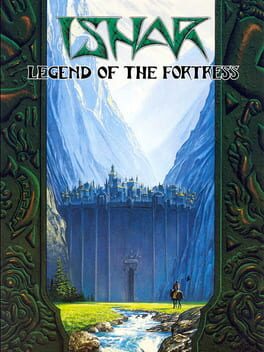 Ishar: Legend of the Fortress
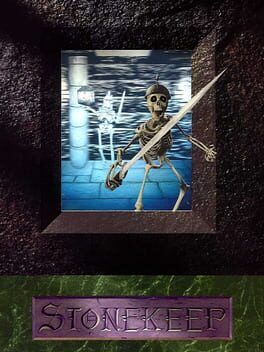 Stonekeep
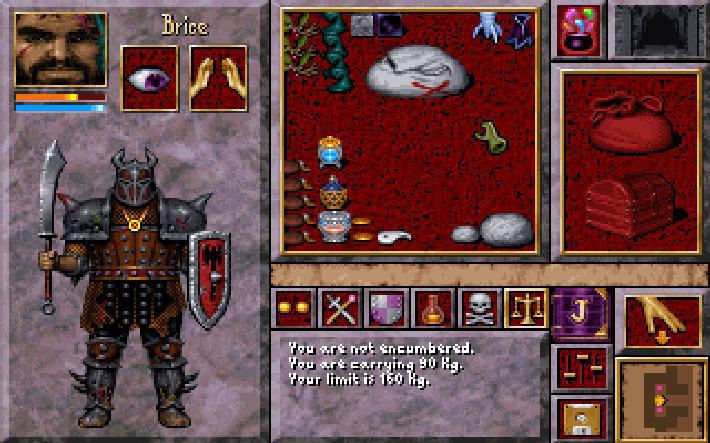 Anvil of Dawn
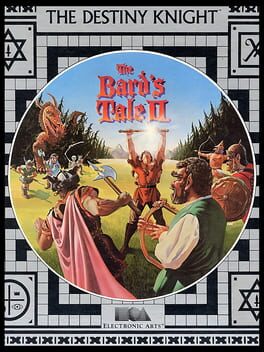 The Bard's Tale II: The Destiny Knight
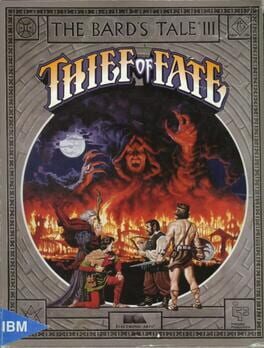 The Bard's Tale III: Thief of Fate
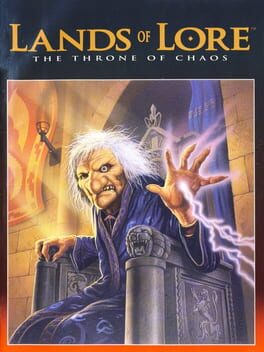 Lands of Lore: The Throne of Chaos
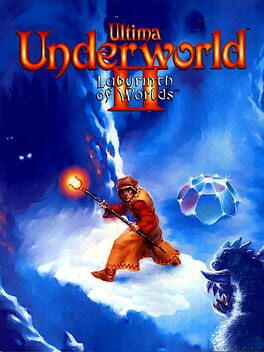 Ultima Underworld II: Labyrinth of Worlds
 The Bard's Tale Trilogy
You have found a secret door.Every crawler since 1981
Keep exploring the CRPG guide
The CRPG: The Complete Guide
Explore the The CRPG: The Complete Guide guide →Frequently asked
What is a blobber?
Affectionate slang for the classic first-person, grid-based party crawler: your six heroes move through the maze as one 'blob', one square at a time. Wizardry, Might and Magic, Eye of the Beholder and Legend of Grimrock are all blobbers. The name is silly; the games are frequently merciless.
Where should I start with dungeon crawlers today?
Legend of Grimrock, without hesitation: modern controls, gorgeous dungeon, pure classic soul. If you want turn-based and cerebral, Etrian Odyssey; if you want the full old-school experience with a manual on your knees, Wizardry 8 or Might and Magic VI still reward the effort.
Are Diablo and Hades dungeon crawlers?
In the loose sense people use online, yes; in this guide's sense, no. Diablo descends from the roguelike line (procedural floors, loot, action combat) rather than the party-on-a-grid tradition. The crawls here are about deliberation: the monster is two squares away, and everything depends on what you do with that fact.