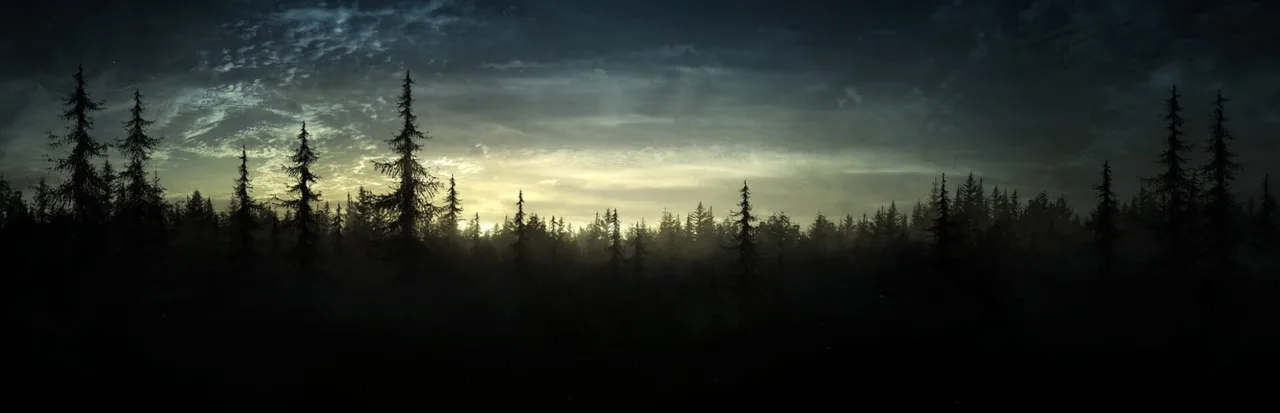
The Elder Scrolls II: Daggerfall (1996)
The Elder Scrolls II: Daggerfall is a 1996 role-playing (rpg) video game made by Bethesda Softworks.
The Iliac Bay sprawls across hundreds of towns, dungeons, and rival kingdoms, and Bethesda hands you the whole map at once. You arrive as an agent of the Emperor, sent to lay the ghost of King Lysandus to rest and recover a lost letter that could unsettle the province of High Rock. Guilds, noble houses, vampires, and werewolves all pursue their own agendas. Character creation runs deep, from custom classes to designed spells, and the first-person world is vast enough to lose yourself in. This is old-school Elder Scrolls at its most ambitious and unbounded.
Similar games
Explore The Elder Scrolls II: Daggerfall guides
The Elder Scrolls II: Daggerfall in our writing
- Companion guide: Bethesda Game Studios: The Elder Scrolls, Fallout and the Art of Getting Lost
- Companion guide: The CRPG: The Complete Guide to Computer Role-Playing Games
- Companion guide: The Golden Age of the CRPG: 1981 to 1999
A few thoughts on The Elder Scrolls II: Daggerfall
A fan of Daggerfall's tangled royal politics should queue Game of Thrones, where warring houses and a contested throne carry the same appetite for intrigue, and House of the Dragon for its dynastic bloodletting. For darker sword-and-sorcery, Michael Moorcock's Elric of Melnibone matches the doomed-mage mood, while The Witcher brings monster contracts and shifting allegiances to screen.
Fantasy kingdoms crumbling under their own politics
Daggerfall's Iliac Bay is a patchwork of rival kingdoms, noble houses and guilds all working an angle, the same tangle these stories run on. House of the Dragon and Game of Thrones turn succession disputes into full seasons of knife-work. Elric's doomed emperor of a decaying empire predates both by decades, and Brisingr's warring kingdoms add dragons to a fight over who actually rules.
Fantasy worlds built for monster hunting between quests
Daggerfall lets vampires and werewolves roam its huge, unscripted map alongside the main plot, and these pick up the same monster-hunting thread. Netflix's The Witcher and The Witcher 3 both send a professional monster killer wandering a war-torn continent. Skyrim carries the same first-person freedom forward within the series itself, while God of War drags its hero through Norse myth's own share of beasts and gods.
Music heavy enough for a world on the edge of ruin
Daggerfall's Iliac Bay carries the weight of an empire held together by threats and favors, a tone this music matches. The Return of the King's score is the standard for orchestral dread at civilization's edge. King Crimson's debut and Fates Warning's The Spectre Within trade the orchestra for guitars without losing the doom, and Iron Maiden's The Number of the Beast adds its own mythic, devil-haunted menace.